Half Moon Pose yoga is a transformative practice that embodies the essence of balance, both on the mat and in our daily lives. As you transition into this pose, you’ll discover how it enhances stability and strength, essential qualities that extend beyond your yoga practice into everyday activities.
This pose encourages a deep connection to your body, fostering mindfulness and awareness. By focusing on your breath and alignment, you cultivate a sense of presence that can ground you in moments of chaos. The beauty of Half Moon Pose lies not just in its physical benefits but also in its ability to promote mental clarity and emotional equilibrium.
Engaging in Half Moon Pose regularly can lead to improved coordination, flexibility, and core strength. As you master this pose, you’ll find that it empowers you to navigate life’s challenges with grace and confidence. Join us on this journey to explore the intricacies of Half Moon Pose and unlock its potential to transform your practice and enhance your overall well-being.
Understanding the Anatomy of Half Moon Pose
Half Moon Pose, or Ardha Chandrasana, is a beautiful balance of strength and flexibility. To fully appreciate its benefits, it’s essential to understand the anatomy involved in this posture. Engaging the right muscle groups not only enhances your practice but also helps prevent injuries.
The legs play a crucial role in maintaining stability. Your standing leg needs to be strong and engaged, activating the quadriceps and hamstrings. This strength provides a solid foundation, allowing you to lift the opposite leg with grace. The core muscles, including the abdominals and obliques, are equally important. They help support your spine as you extend and twist, promoting balance and control.
Proper alignment is vital for maximizing the benefits of Half Moon Pose. When your body is aligned, the energy flows freely, enhancing your overall experience. Aim to stack your shoulders over your hips and your hips over your ankle in the standing leg. This alignment helps distribute weight evenly and protects your lower back.
As you delve deeper into Half Moon Pose, remember that variations can cater to your individual capabilities. If you’re new to the pose or facing challenges, consider using a block under your bottom hand. This adjustment will not only provide support but also help you explore the stretch without overextending your body.
For more experienced practitioners, you might experiment with extending your top leg higher or reaching your top arm overhead. These variations can deepen the stretch and challenge your balance, but always listen to your body. Every practice is unique, and honoring your limits is part of the journey.
By understanding the anatomy of Half Moon Pose, you empower yourself to explore its depths and embrace the transformative potential it holds for your practice.
Step-by-Step Guide to Practicing Half Moon Pose
To begin your journey into Half Moon Pose yoga, ensure your body is warm and ready. Start with preparatory poses like Downward Facing Dog and Triangle Pose. These will help open your hips and strengthen your legs, setting a solid foundation for the balance required in Half Moon.
Once you feel ready, come to a standing position in Mountain Pose. With your feet hip-width apart, take a deep breath in, grounding yourself. As you exhale, step your left foot back about three to four feet. Turn your left foot out at a 45-degree angle and pivot your hips toward the left side of the mat. This alignment is crucial for entering the pose safely.
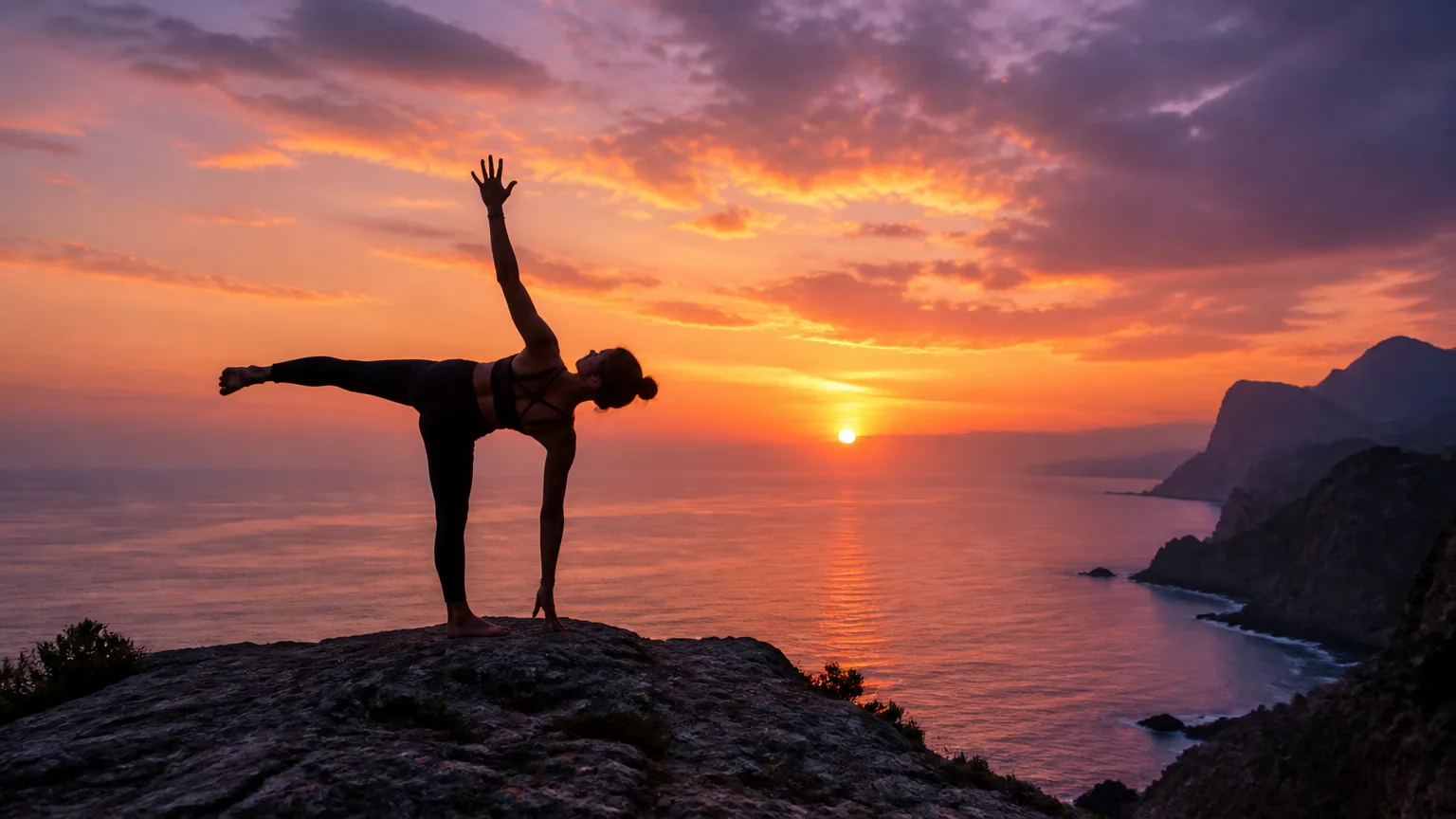
Next, reach your right arm toward the ceiling, creating length through your spine. As you shift your weight onto your right foot, slowly lift your left leg parallel to the floor. Keep your right leg strong and stable. It might help to bend your right knee slightly for balance.
Now, engage your core as you extend your left leg outward. Your body should form a straight line from your left foot to your right fingertips. If you’re feeling steady, gaze upward at your right hand, which can enhance your focus and balance.
For those new to this pose or looking for modifications, use a wall for support. Place your left hand against the wall as you lift your left leg. This will help you maintain stability. Alternatively, you can keep your lower hand on a block or your ankle instead of the floor, which can make the pose more accessible.
As you prepare to exit Half Moon Pose, gently lower your left leg and return to Mountain Pose. Take a moment to reconnect with your breath and notice how your body feels. Remember, each practice is a step towards understanding your balance and strength. Embrace the journey, and honor your body’s unique needs.
Incorporating Half Moon Pose into Your Yoga Routine
Integrating Half Moon Pose into your regular yoga practice can significantly enhance your balance and overall stability. This pose pairs beautifully with grounding and stabilizing poses, such as Mountain Pose or Warrior II. Begin your practice by centering yourself in Mountain Pose, focusing on your breath and grounding through your feet. Transitioning into Warrior II can warm up your body and prepare you for the shift into Half Moon Pose.
Consider creating a sequence that flows seamlessly from one pose to the next. For instance, after Warrior II, you can move into Extended Side Angle Pose, before transitioning into Half Moon Pose. This progression not only maintains your energy but also builds strength and flexibility in the core and legs, essential components for mastering Half Moon.
To deepen your practice at home, try incorporating Half Moon Pose into a balanced routine. Begin with a few rounds of Sun Salutations to warm up. Then, include poses like Tree Pose or Chair Pose to reinforce your foundation. These grounding poses create a solid base and enhance your ability to hold Half Moon Pose with confidence.
As you practice, remember to listen to your body. If you feel unsteady, return to a more grounding posture before attempting Half Moon Pose again. The beauty of yoga lies in its adaptability, so tailor your practice to your unique needs.
For those looking to create a comfortable practice space at home, investing in a supportive yoga mat can make a difference. Check out our recommendations in The Best Yoga Mats of 2026: Top Picks for Every Practitioner. A good mat can provide the stability you need while practicing poses like Half Moon and enhance your overall experience.
Embrace the journey of incorporating Half Moon Pose into your routine. Each time you flow into this posture, you’re not just building strength but also cultivating mindfulness and balance in your life.
Common Challenges and How to Overcome Them
As you dive into Half Moon Pose Yoga, you may encounter a few common challenges. Many beginners struggle with balance, finding it difficult to stabilize on one leg while reaching out with the other. Misalignment is another frequent issue, which can lead to discomfort or strain. Recognizing these obstacles is the first step toward overcoming them.
To address balance issues, consider using a wall or a block for support. Position your hand on the block as you extend your leg, allowing yourself to feel more grounded. This support can help you focus on your alignment and balance without the fear of falling. Gradually, as you gain confidence, you can reduce your reliance on props.
Alignment plays a crucial role in the effectiveness of Half Moon Pose. To maintain proper form, ensure your standing leg is firmly rooted, with your knee slightly bent for stability. Engage your core to help stabilize your torso and lift through your chest. A simple check is to imagine a straight line from your head to your raised foot, keeping your body aligned.
Mindful breathing is an invaluable resource when facing challenges in your practice. Inhale deeply as you prepare for the pose, and exhale slowly as you move into it. Allow your breath to guide you, bringing awareness to any tension or discomfort. This practice not only eases physical challenges but also cultivates a sense of calm and focus, empowering you to embrace your journey in Half Moon Pose Yoga.
The Mind-Body Connection in Half Moon Pose
Half Moon Pose Yoga offers more than just physical benefits; it deeply nurtures the mind and spirit. As you balance on one leg, the focus required can enhance your concentration. This heightened awareness translates off the mat, helping you navigate daily distractions with greater clarity.
Practicing this pose encourages a beautiful link between physical balance and emotional stability. When your body is steady, your mind often follows suit. Many practitioners have shared how mastering Half Moon helped them manage stress and anxiety better. One yogi recalled how the pose became a refuge during hectic days, offering a moment of peace amidst chaos.
Mindfulness is at the heart of this practice. Each breath invites you to be present, fostering a sense of calm and grounding. By tuning into your body’s sensations, you cultivate an inner dialogue that nurtures self-acceptance and gratitude. This connection can be empowering, allowing you to embrace your unique journey.
If you’re looking for gentle ways to enhance your practice and mobility, consider exploring additional resources like Chair Yoga for Seniors: 7 Easy Poses to Boost Mobility and Flexibility. Each pose, whether challenging or gentle, contributes to building a harmonious mind-body connection.
Conclusion: Embracing Balance through Half Moon Pose
As you continue your journey with Half Moon Pose, remember that balance is essential not just in yoga, but in life. This pose invites you to cultivate stability and mindfulness, allowing you to navigate challenges with grace.
Incorporating Half Moon Pose into your practice offers profound benefits, enhancing your physical strength and mental clarity. Each session is an opportunity to deepen your awareness, embrace your unique path, and celebrate your progress, no matter how small.
We encourage you to share your experiences with Half Moon Pose. Your journey can inspire others to embark on their own path toward balance and holistic wellness. Remember, mastering yoga poses is an ongoing adventure, one that unfolds with each breath and movement. Embrace it fully, and let the journey guide you toward greater fulfillment.