Pregnancy is a profound season of life. Whether you feel joyful, nervous, tired, amazed, uncertain, or all of these at once, you are welcome here. Prenatal yoga is not about becoming flexible or “performing” beautiful poses. It is a practical, compassionate path that helps expectant mothers care for the body, calm the mind, and connect with the growing life within.
In the spirit of bhakti, the yoga of devotion, we approach prenatal yoga with humility. Bhakti reminds us that every breath can become an offering. Every gentle movement can become a prayer. Every pause can become a moment of trust.
The Sanskrit word yoga means “union” or “connection.” During pregnancy, this meaning becomes especially tender: connection with your body, your baby, your breath, your inner wisdom, and, for those who are spiritually inclined, the Divine presence that lovingly holds all life.
Prenatal yoga offers many benefits for expectant mothers, including reduced stress, improved strength and flexibility, better sleep, relief from common pregnancy discomforts, and preparation for labor and birth. But above all, it invites you to listen deeply.
Before beginning any prenatal yoga practice, please consult your doctor, midwife, or healthcare provider—especially if you have a high-risk pregnancy, bleeding, placenta previa, preeclampsia, severe anemia, significant pain, or any medical condition requiring special care.
What Is Prenatal Yoga?
Prenatal yoga is a gentle and adapted form of yoga designed specifically for pregnancy. It includes safe postures, mindful breathing, relaxation practices, meditation, and body awareness. The aim is not intensity, but steadiness, comfort, and support.
A Practical Path for Pregnancy
A prenatal yoga class may include:
- Gentle stretching for the hips, back, shoulders, and legs
- Strengthening poses for posture and stability
- Breathwork to calm the nervous system
- Pelvic floor awareness
- Relaxation to reduce stress and promote rest
- Mindful connection with your baby
In Sanskrit, yoga postures are called asana, meaning “seat” or “posture.” Traditionally, asana is not merely exercise; it is a way to become steady, aware, and present. The great sage Patanjali writes in the Yoga Sutras: “Sthira sukham asanam”—asana should be steady and comfortable. This teaching is especially important in prenatal yoga. If a posture does not feel steady or comfortable, it should be modified or skipped.
How Prenatal Yoga Differs from Regular Yoga
Prenatal yoga honors the changing body. It avoids deep twists, strong abdominal work, lying flat on the back for long periods after the first trimester, overheating, jumping, forceful breath retention, and intense backbends.
Instead, prenatal yoga focuses on creating space, stability, and ease. Props such as blankets, blocks, bolsters, chairs, and walls are often used. This is not weakness; it is wisdom. Accepting support is part of the practice.
Who Can Practice Prenatal Yoga?
Many expectant mothers can practice prenatal yoga, including beginners. You do not need previous yoga experience. You do not need to be flexible. You do not need a “yoga body.” Your body, as it is today, is worthy of care.
Prenatal yoga can often be adapted for all trimesters, but the practice should be guided by your stage of pregnancy, energy level, medical guidance, and personal comfort.
Why Prenatal Yoga Supports Expectant Mothers
Pregnancy changes nearly every system in the body. Hormones shift. Ligaments soften. Blood volume increases. The center of gravity changes. Emotions may rise and fall like waves. Prenatal yoga helps you meet these changes with steadiness and kindness.
Reduces Stress and Anxiety
One of the most meaningful benefits of prenatal yoga for expectant mothers is stress reduction. Pregnancy can bring many questions: Is my baby healthy? Will labor be difficult? Am I prepared? How will life change?
Yoga does not remove every concern, but it gives you tools to breathe through them.
Slow breathing activates the parasympathetic nervous system, sometimes called the “rest and digest” response. This can help lower stress hormones, ease mental tension, and create a sense of inner safety.
A simple breath practice, such as inhaling gently for four counts and exhaling for six counts, can remind the body: “I am here. I am supported. I can soften.”
In the Bhagavad Gita, Sri Krishna teaches the value of steadiness of mind. While the text speaks in a broad spiritual context, its practical wisdom applies beautifully to pregnancy: when the mind becomes less restless, we can act with more clarity and trust. Prenatal yoga offers a gentle way to cultivate this steadiness.
Helps Improve Sleep
Many expectant mothers struggle with sleep due to physical discomfort, frequent urination, heartburn, vivid dreams, or anxious thoughts. Prenatal yoga can support better sleep by releasing physical tension and calming the mind.
Gentle evening practices, such as supported child’s pose, side-lying relaxation, or simple breathing, can prepare the body for rest. Even if sleep is interrupted, yoga can help you return to a more peaceful state.
Encourages Emotional Balance
Pregnancy can be emotionally tender. You may feel gratitude one moment and fear the next. This is not failure. It is human.
Prenatal yoga creates space to feel without judgment. Through breath and mindful movement, you learn to notice emotions as passing experiences. This can be deeply healing.
In bhakti, emotions are not rejected. They are offered. Joy, fear, longing, and love can all become part of the sacred journey.
Builds Confidence and Body Trust
Modern life often teaches people to ignore the body. Pregnancy invites a different way. Prenatal yoga helps expectant mothers listen to physical signals: tightness, fatigue, hunger, comfort, discomfort, and intuition.
As you learn to respond with care, trust grows. This trust can be valuable in labor, birth, and postpartum recovery.
Sure, here is the sentence with the clickable link:
Check out the latest yoga guides at yoga guides.
Physical Benefits of Prenatal Yoga
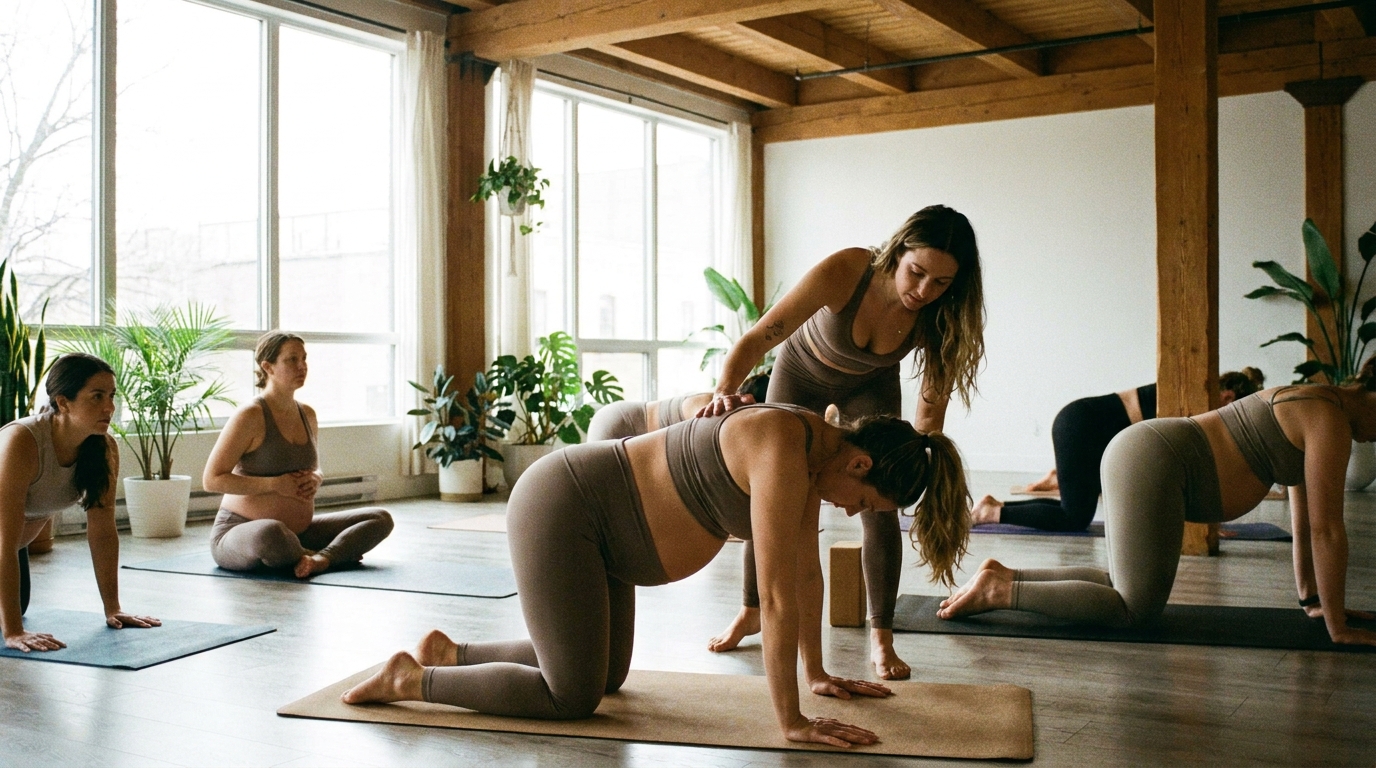
Pregnancy brings beauty, but it can also bring aches and pains. Prenatal yoga supports the body in practical, accessible ways.
Eases Back Pain and Pelvic Discomfort
As the belly grows, posture changes. The lower back may become tight, the pelvis may feel heavy, and the hips may ache. Prenatal yoga can gently strengthen the muscles that support the spine and pelvis.
Movements such as cat-cow, pelvic tilts, supported squats, and gentle hip circles may help relieve stiffness and improve comfort.
The goal is not to “fix” the body, but to support it. Your body is doing sacred work.
Improves Strength and Stability
During pregnancy, the hormone relaxin softens ligaments to prepare the body for birth. This is natural and necessary, but it can make joints feel less stable. Prenatal yoga builds gentle strength around the hips, legs, back, and shoulders.
Standing poses, when safely modified, can support balance and stability. Chair-assisted poses are especially helpful when the center of gravity changes.
Strength in prenatal yoga is not aggressive. It is steady, grounded, and respectful.
Supports Better Posture
As the breasts and belly grow, the shoulders may round and the lower back may arch. Prenatal yoga encourages awareness of alignment.
Simple practices such as shoulder rolls, heart-opening stretches, and supported standing poses can help create more space in the chest and upper back. Better posture can also support easier breathing.
Encourages Healthy Circulation
Gentle movement supports circulation and may help reduce swelling in the legs and feet. Ankle circles, calf stretches, and supported resting positions can be especially soothing.
If you experience sudden swelling, swelling in the face or hands, headaches, vision changes, or high blood pressure symptoms, contact your healthcare provider immediately, as these can be signs of a serious condition.
Relieves Tension in the Hips and Shoulders
The hips and shoulders often hold emotional and physical tension. Prenatal yoga offers safe ways to soften these areas.
Hip-opening movements can help prepare the body for birth, while shoulder stretches relieve tension from changing posture and daily stress.
Each release can become an act of surrender—not giving up, but letting go into support.
Breath, Mind, and Nervous System Benefits
In yoga, breath practices are called pranayama. The Sanskrit word prana means life force or vital energy, and ayama means expansion or regulation. During pregnancy, pranayama should be gentle, natural, and never forced.
Breath Awareness for Calm
A simple practice is to place one hand on the heart and one hand on the belly. As you breathe, notice the movement of the body. You do not need to control anything at first. Just observe.
This kind of breath awareness can calm the nervous system and bring you into the present moment.
In pregnancy, the present moment is a powerful refuge. The mind may travel into future worries, but the breath says, “Come back. This moment is enough.”
Longer Exhalations for Relaxation
A longer exhale can help release tension. Try inhaling through the nose for a comfortable count of four, then exhaling slowly for a count of six. If counting creates stress, simply allow the exhale to be a little longer than the inhale.
This practice may be useful during pregnancy discomfort and eventually during labor contractions.
Avoid breath retention, forceful breathing, or heating practices such as kapalabhati or bhastrika unless specifically approved and guided by a qualified prenatal yoga teacher and healthcare professional. In most prenatal settings, these are avoided.
Sound and Mantra for Inner Steadiness
A mantra is a sacred sound, word, or phrase used to focus the mind. For those who resonate with spiritual practice, chanting a simple mantra can be deeply comforting.
One gentle mantra is “Om Shanti”, meaning “peace.” “Om” is considered a sacred sound representing wholeness, and “shanti” means peace. You may chant softly or silently repeat, “Peace within, peace around.”
For readers of all backgrounds, this can also be practiced as an affirmation: “I breathe in calm. I breathe out peace.”
The sound vibration can soothe the nervous system and create a loving connection with the baby.
Preparing for Labor and Birth Through Prenatal Yoga
Prenatal yoga does not promise a perfect birth. Birth is mysterious, powerful, and sometimes unpredictable. But yoga can help you prepare physically, mentally, and emotionally.
Learning to Breathe Through Intensity
Labor often comes in waves. Prenatal yoga teaches you how to stay present with sensation without immediately resisting it.
Holding a safe pose for several breaths—such as a supported squat or goddess pose—can teach endurance. You practice noticing discomfort, softening unnecessary tension, and returning to the breath.
This is not about forcing yourself. It is about discovering your inner resources.
Pelvic Floor Awareness
The pelvic floor is a group of muscles at the base of the pelvis. These muscles support the bladder, uterus, and bowels. Prenatal yoga can help expectant mothers become aware of both engaging and relaxing the pelvic floor.
Many people hear only about strengthening the pelvic floor, but relaxation is just as important for birth. A balanced practice includes gentle activation and conscious release.
A qualified prenatal yoga teacher or pelvic floor physical therapist can offer individualized guidance.
Helpful Birth Positions
Prenatal yoga introduces positions that may be useful during labor, such as:
- Hands and knees
- Side-lying rest
- Supported squat
- Wide-knee child’s pose
- Leaning forward on a chair, bed, or partner
- Gentle hip circles on a birth ball
These positions may help create comfort, encourage baby’s movement, and reduce pressure. Always follow the guidance of your birth team during labor.
Building Mental Resilience
Yoga teaches that we are more than our changing thoughts. In the Yoga Sutras, Patanjali describes yoga as calming the fluctuations of the mind. For pregnancy and birth, this means learning not to be carried away by every fear.
A steady mind does not mean never feeling afraid. It means remembering, even in fear: “I can breathe. I can receive support. I can take the next step.”
How to Practice Prenatal Yoga Safely
Safety is an essential part of prenatal yoga. The most devotional practice is one that honors life, health, and wisdom.
Begin with Medical Guidance
Before starting prenatal yoga, speak with your healthcare provider. This is especially important if you have complications or have been advised to limit physical activity.
Also choose a teacher trained in prenatal yoga. A general yoga class may not offer the modifications needed for pregnancy.
Listen to the Body’s Signals
During prenatal yoga, stop immediately if you experience:
- Dizziness or faintness
- Vaginal bleeding
- Fluid leakage
- Chest pain
- Severe headache
- Calf pain or swelling
- Regular painful contractions
- Shortness of breath before exertion
- Decreased fetal movement
- Sharp abdominal or pelvic pain
Your body is wise. Listening is part of yoga.
Avoid Overstretching
Because relaxin increases flexibility, it can be tempting to move deeply into stretches. But overstretching can strain joints and ligaments.
Stay within a gentle range of motion. Seek stability before depth. In prenatal yoga, less is often more.
Modify by Trimester
In the first trimester, fatigue and nausea may be strongest. Gentle breathwork, restorative poses, and short practices may be best.
In the second trimester, energy may improve. Many mothers enjoy standing poses, hip openers, and gentle strengthening.
In the third trimester, comfort becomes the priority. Practices often focus on pelvic mobility, supported rest, breath, and labor preparation.
Every pregnancy is unique. Let your practice change as you change.
Use Props Generously
Props make prenatal yoga safer and more comfortable. Use blocks under the hands, blankets under the knees, bolsters for support, and chairs for balance.
Receiving support is not a lesser form of practice. It is a beautiful teaching. Motherhood itself often invites us to give and receive in new ways.
Simple Prenatal Yoga Practices to Try
The following practices are gentle examples. Please practice only if they feel comfortable and are approved by your healthcare provider.
Centering Breath
Sit comfortably on a cushion or chair. Place one hand on your heart and one hand on your belly.
Inhale gently through the nose. Exhale slowly. Feel the body breathing. Imagine each breath creating softness around the baby.
Practice for 2–5 minutes.
Cat-Cow Pose
Come to hands and knees, with a blanket under the knees if needed.
As you inhale, gently lift the chest and tailbone. As you exhale, round the spine slightly and soften the head. Move slowly.
This may ease back tension and encourage pelvic mobility.
Practice 5–10 rounds.
Supported Child’s Pose
Kneel with knees wide and place a bolster or pillows lengthwise in front of you. Rest your chest and head on the support. Turn your head to one side, then switch after a few breaths.
This pose can calm the nervous system and gently release the back. If kneeling is uncomfortable, skip it or use a chair variation.
Goddess Pose with Support
Stand with feet wide and toes turned slightly outward. Hold the back of a chair or place hands on the hips. Bend the knees gently, keeping the movement comfortable.
Breathe steadily for 3–5 breaths, then slowly rise.
This pose can build leg strength and confidence. Avoid if it causes pelvic pain.
Side-Lying Relaxation
Lie on your left or right side with a pillow between the knees and support under the head. You may place a pillow under the belly for comfort.
Let the whole body rest. Feel the breath moving naturally. Offer gratitude to your body for all it is doing.
Rest for 5–10 minutes.
Spiritual and Emotional Benefits of Prenatal Yoga
Prenatal yoga can be physical, but it can also be deeply spiritual. You do not need to follow any particular religion to experience this. Spirituality here simply means honoring the sacredness of life.
Connection with Baby
Taking time each day to breathe and place your hands on your belly can deepen bonding. You may speak softly to your baby, chant, pray, or simply rest in silence.
This connection does not need to be dramatic. Even a few mindful breaths can become a loving meeting.
Practicing Surrender
The Sanskrit word Ishvara pranidhana is often translated as surrender to the Divine, or offering the fruits of practice to something greater than oneself. In pregnancy, this teaching can be very meaningful.
There is so much you can do: eat well, rest, attend appointments, practice yoga, prepare for birth. And still, not everything is in your control.
Prenatal yoga helps you practice wise effort and gentle surrender. You do your part with love, then soften into trust.
Gratitude for the Body
Pregnancy can bring body image challenges. The body changes quickly, and this may feel uncomfortable. Yoga invites a shift from appearance to appreciation.
Instead of asking, “How do I look?” prenatal yoga gently asks, “How can I support this body that is supporting life?”
This is a sacred reorientation.
Community and Support
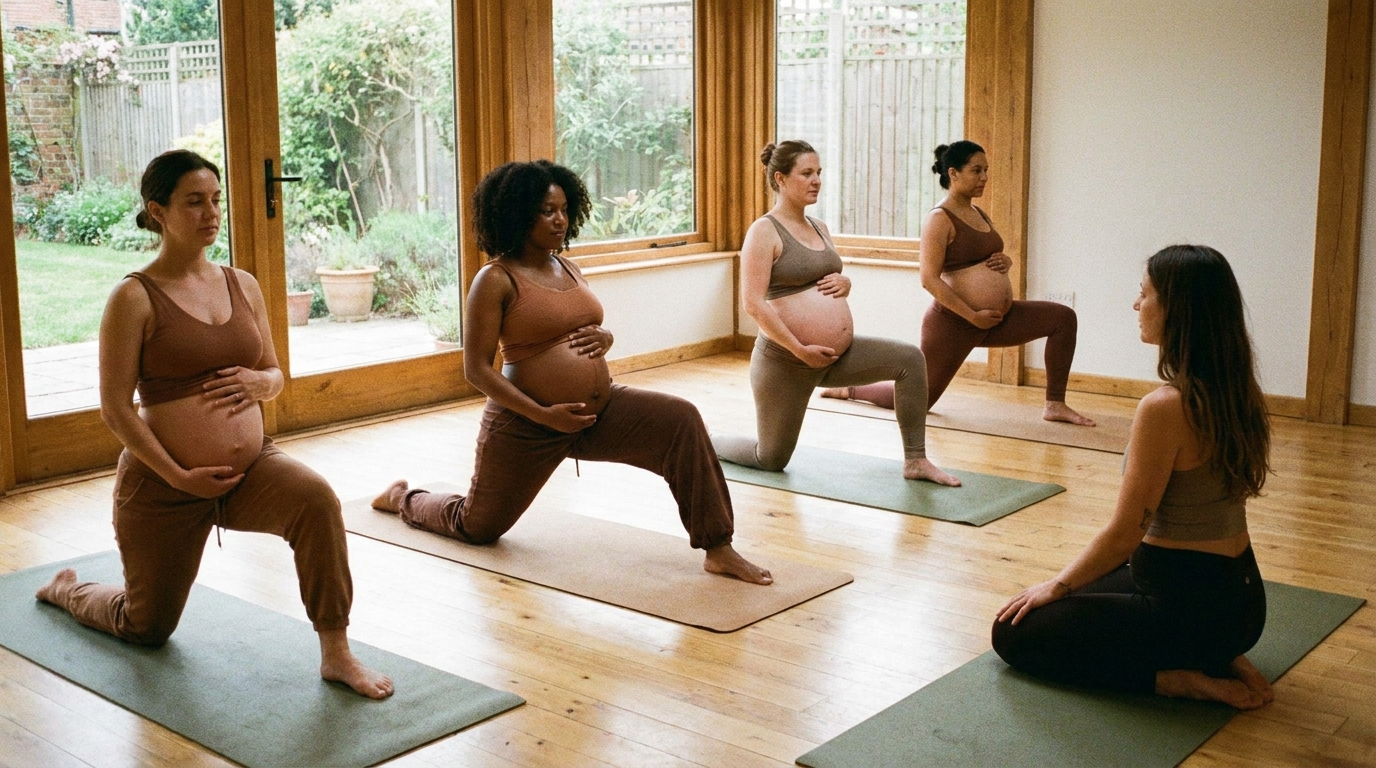
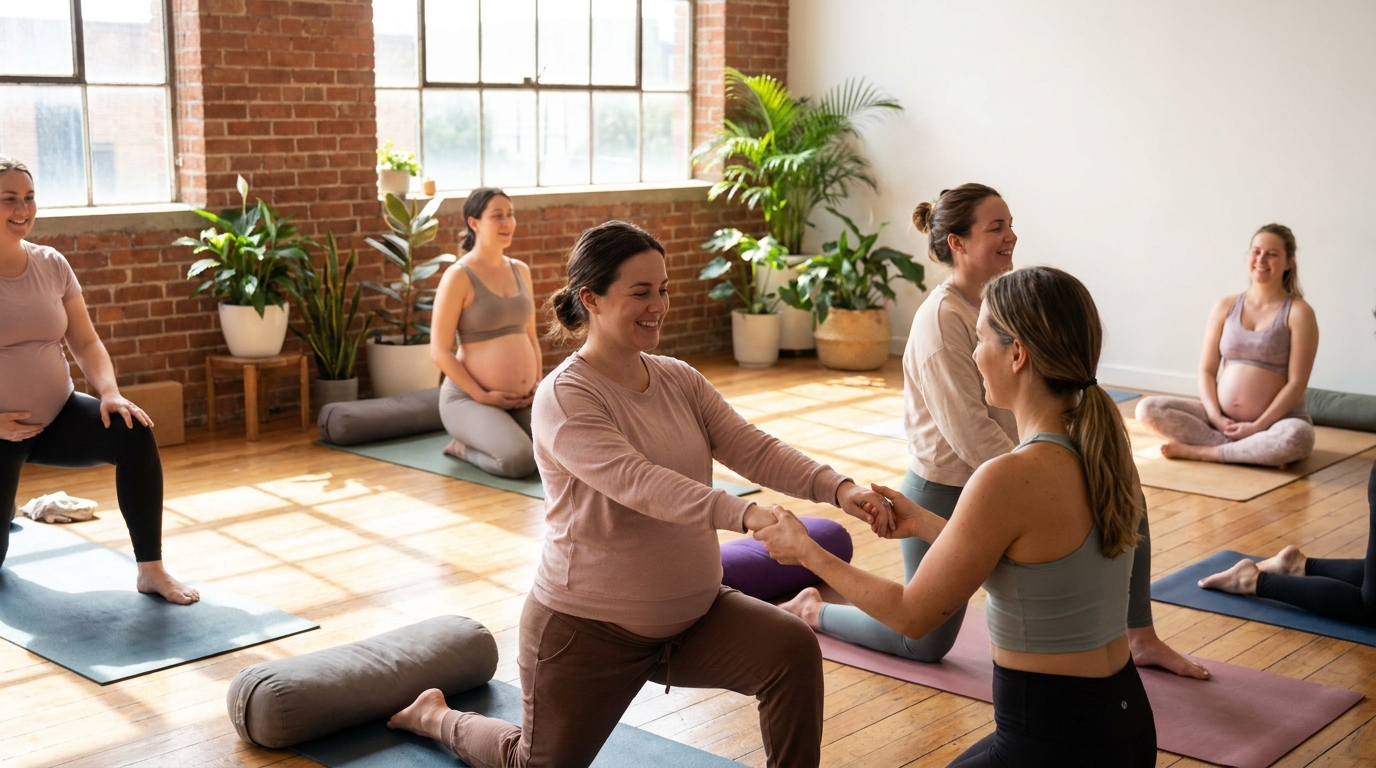
Prenatal yoga classes can also offer community. Being with other expectant mothers can reduce loneliness and create a sense of shared journey.
Sometimes simply hearing, “Me too,” can bring relief.
How Else Prenatal Yoga Can Support Daily Life
The benefits of prenatal yoga for expectant mothers extend beyond the mat. Yoga becomes most powerful when it enters ordinary moments.
During Morning Sickness
If you feel nauseous, strong movement may not be helpful. Instead, try sitting near fresh air, breathing slowly, and practicing gentle neck and shoulder rolls.
A short, kind practice is enough.
During Work or Daily Responsibilities
If you sit for long periods, take brief yoga breaks:
- Roll the shoulders
- Stretch the calves
- Circle the ankles
- Stand and sway gently
- Take five slow breaths
These small pauses can reduce stiffness and help you reconnect with your body.
During Emotional Overwhelm
When emotions rise, try this simple practice:
Pause. Feel your feet. Exhale slowly. Place a hand on your heart. Say silently, “This is a moment of tenderness. May I be kind to myself.”
This is yoga in daily life.
With a Partner or Support Person
Prenatal yoga can include a partner. A partner can help with supported positions, gentle back massage, breathing together, or simply offering presence.
This can build trust and communication before birth.
After Birth
Many prenatal yoga tools continue to help postpartum. Breath awareness, gentle stretching, pelvic floor awareness, and relaxation can support recovery. However, postpartum yoga should begin only after medical clearance and with respect for healing.
The journey does not end at birth. The need for compassion becomes even greater.
A Simple 4MAT Reflection for Expectant Mothers
To make prenatal yoga practical and meaningful, we can look through the 4MAT learning rhythm: what, why, how, and how else.
What: Understanding the Practice
Prenatal yoga is a gentle, pregnancy-safe practice of movement, breath, relaxation, and awareness. It supports the changing body and prepares the mind for birth and motherhood.
Why: Remembering the Purpose
The purpose is not achievement. The purpose is support. Prenatal yoga helps reduce stress, ease discomfort, improve sleep, build strength, encourage confidence, and deepen connection with your baby.
How: Beginning Simply
Start with 10–20 minutes, a few times a week. Choose gentle practices. Use props. Work with a qualified prenatal yoga teacher when possible. Always follow medical guidance.
A simple sequence may include:
- Centering breath
- Cat-cow
- Gentle hip circles
- Supported goddess pose
- Side-lying relaxation
How Else: Bringing Yoga Into Life
Use yoga during daily transitions: before appointments, after difficult conversations, when waking at night, or when preparing for birth. Let breath become a companion. Let awareness become a shelter. Let devotion become strength.
Common Questions About Prenatal Yoga
Is Prenatal Yoga Safe for Beginners?
For many expectant mothers, yes—prenatal yoga can be safe for beginners when practiced gently and with proper guidance. It is best to attend a class specifically designed for pregnancy or work with a certified prenatal yoga teacher.
Always check with your healthcare provider first.
When Should I Start Prenatal Yoga?
Some mothers begin in the first trimester, while others start later. The best time is when you feel ready and have medical approval.
If you are tired or nauseous early in pregnancy, your practice may be mostly breath and rest. That is still yoga.
How Often Should I Practice?
Even 10 minutes a day can be beneficial. Many expectant mothers practice 2–4 times per week. The key is consistency without pressure.
Yoga should support your life, not become another burden.
Can Prenatal Yoga Help with Labor?
Prenatal yoga may help you prepare for labor by teaching breath awareness, relaxation, endurance, pelvic mobility, and helpful positions. It cannot guarantee a certain birth outcome, but it can help you meet the experience with more steadiness and confidence.
What Poses Should Be Avoided?
In general, avoid deep twists, strong abdominal crunches, intense backbends, jumping, hot yoga, breath retention, lying flat on the back for long periods later in pregnancy, and any pose that causes pain or pressure.
Your teacher and healthcare provider can guide you based on your unique needs.
Walking the Path with Humility and Love
Prenatal yoga is a beautiful support for expectant mothers, but it is not about doing everything perfectly. Some days you may practice for 30 minutes. Some days your yoga may be one deep breath before sleep. Both are worthy.
In the devotional heart of yoga, every sincere effort matters.
Pregnancy teaches many of yoga’s deepest lessons: patience, surrender, strength, softness, courage, and love. As your body changes, may you remember that you are not falling behind. You are participating in a sacred unfolding.
May your practice be gentle.
May your breath be a friend.
May your body feel supported.
May your baby be surrounded by peace.
And may you, dear mother, feel held in compassion every step of the way.
FAQs
What is prenatal yoga?
Prenatal yoga is a form of exercise specifically designed for pregnant women. It focuses on gentle stretching, breathing techniques, and relaxation to help expectant mothers stay healthy and prepare for childbirth.
What are the benefits of prenatal yoga?
Prenatal yoga can help improve sleep, reduce stress and anxiety, increase strength and flexibility, and prepare the body for childbirth. It also provides an opportunity for pregnant women to connect with their bodies and their growing baby.
Is prenatal yoga safe during pregnancy?
When practiced under the guidance of a qualified instructor, prenatal yoga is generally considered safe for most pregnant women. However, it’s important to consult with a healthcare provider before starting any new exercise routine during pregnancy.
What should I expect in a prenatal yoga class?
Prenatal yoga classes typically include gentle yoga poses, breathing exercises, and relaxation techniques tailored to the needs of pregnant women. The instructor will provide modifications for different stages of pregnancy and may incorporate props such as bolsters and blankets for added support.
Are there any precautions to take when practicing prenatal yoga?
Pregnant women should avoid certain yoga poses that may compress the abdomen or put pressure on the uterus. It’s important to listen to your body, stay hydrated, and communicate any discomfort or concerns with the instructor during prenatal yoga classes.