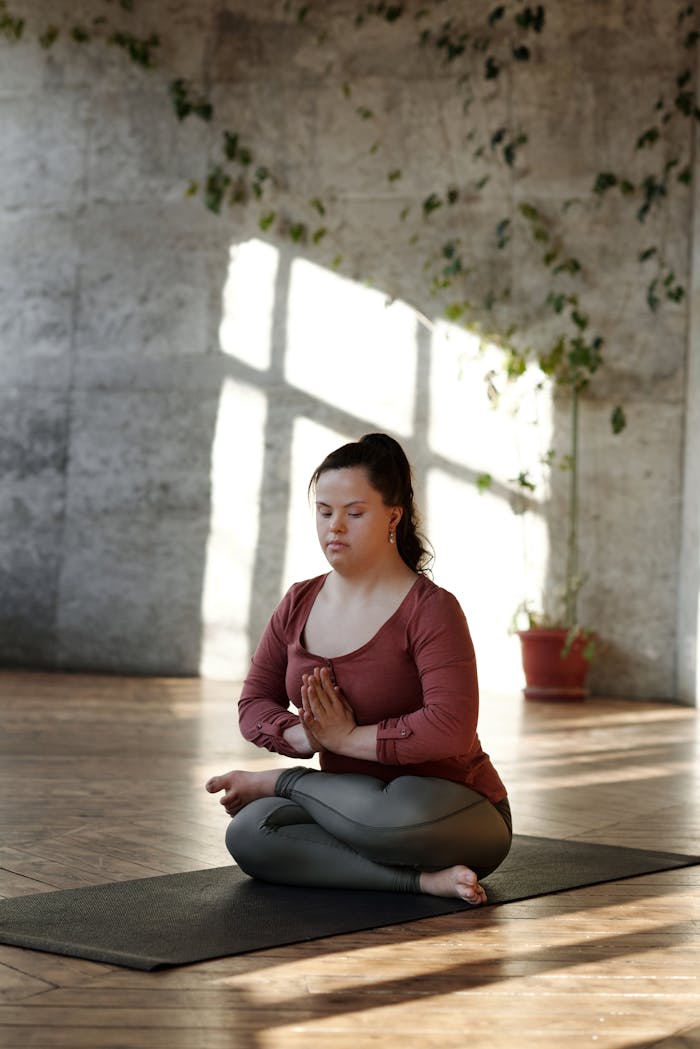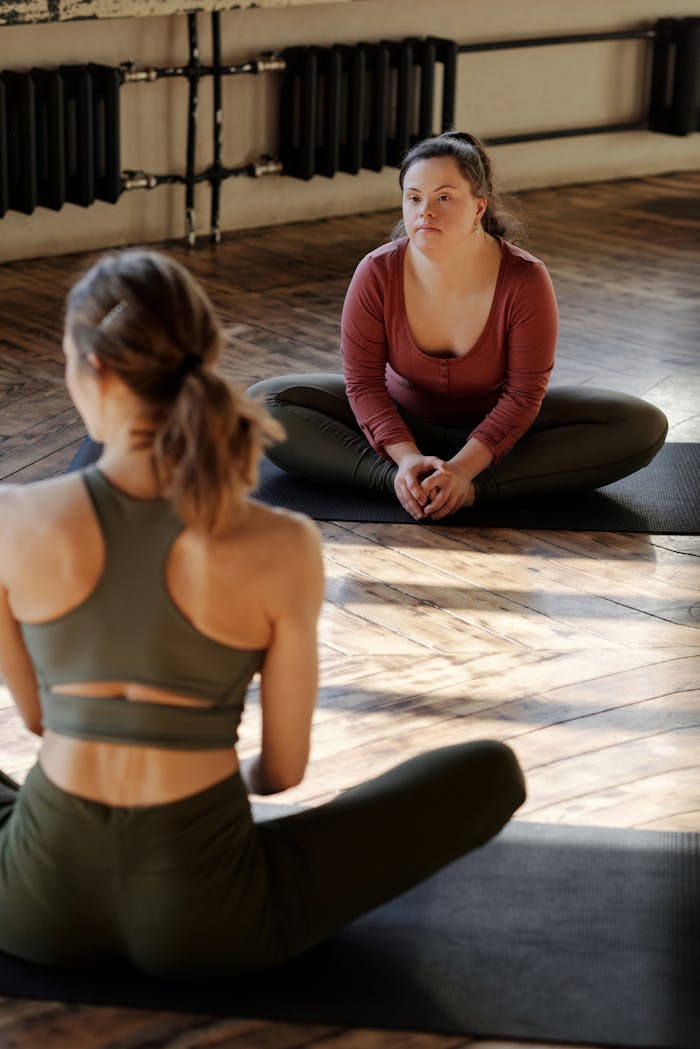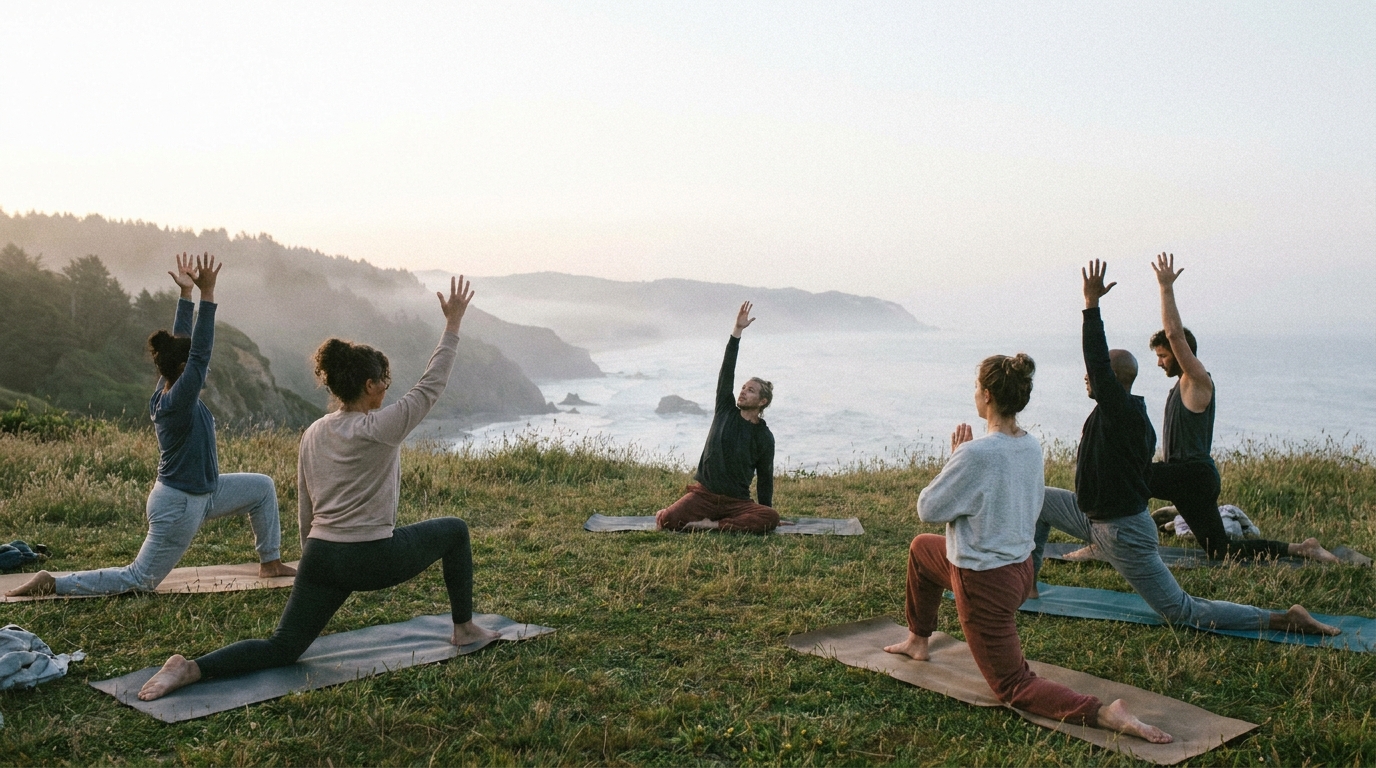
Yoga is not meant for only one kind of body, one age, one culture, one level of flexibility, or one way of moving. Yoga is a living path of union, compassion, and self-understanding. In Sanskrit, the word yoga comes from the root yuj, meaning “to yoke,” “to join,” or “to unite.” At its heart, yoga invites us to remember our connection—with our breath, our body, our mind, one another, and the sacred presence of life itself.
Accessible yoga is the practice of making yoga inclusive, adaptable, and welcoming for all people. It honors the truth that every person arrives with a unique body, story, ability, nervous system, culture, and spiritual background. Rather than asking people to fit into yoga, accessible yoga allows yoga to meet people where they are.
This approach reflects the spirit of bhakti, the yoga of devotion. Bhakti is not about performance or perfection. It is about love, humility, and offering. When we practice accessible yoga, we make an offering of care. We say, “You belong here. Your body is worthy. Your breath is sacred. Your practice matters.”
Whether you practice on a mat, in a chair, in bed, with mobility aids, with support from a teacher, or quietly through breath and prayer, yoga can be yours.
What Is Accessible Yoga?
Accessible yoga is yoga that is adapted so more people can participate safely, comfortably, and meaningfully. It includes variations of postures, use of props, chair yoga, trauma-informed teaching, inclusive language, cultural sensitivity, and respect for different bodies and abilities.
Accessible yoga may serve people who are:
- Older adults
- Disabled people
- People with chronic pain or illness
- Larger-bodied practitioners
- Neurodivergent people
- People recovering from injury or surgery
- Pregnant or postpartum people
- Beginners
- People with anxiety, depression, or trauma histories
- People with limited mobility
- Anyone who has felt unwelcome in traditional yoga spaces
Accessible yoga is not “lesser yoga.” It is yoga practiced with wisdom.
Yoga Is More Than Physical Postures
In many modern spaces, yoga is often presented as a sequence of physical poses, called asana. The Sanskrit word asana means “seat” or “posture.” While asana can be beneficial, it is only one part of yoga.
The Yoga Sutras of Patanjali describe yoga as an eight-limbed path. These eight limbs include ethical living, personal discipline, posture, breath regulation, sense withdrawal, concentration, meditation, and absorption. This means that a person can practice yoga through breathing, meditation, kindness, self-study, prayer, mantra, or mindful living—even without doing physical postures.
This is deeply important for accessibility. If someone cannot stand, kneel, balance, or move in a certain way, they are not excluded from yoga. Yoga is still available.
A Practice That Meets the Whole Person
Accessible yoga recognizes that people are not simply bodies to be adjusted. We are whole beings with emotions, memories, needs, hopes, and dignity.
A truly inclusive yoga class considers:
- Physical accessibility
- Emotional safety
- Financial accessibility
- Language and cultural sensitivity
- Consent and personal choice
- Spiritual openness
- Representation and belonging
In this way, accessible yoga becomes more than a method. It becomes a practice of compassion.
Why Accessible Yoga Matters
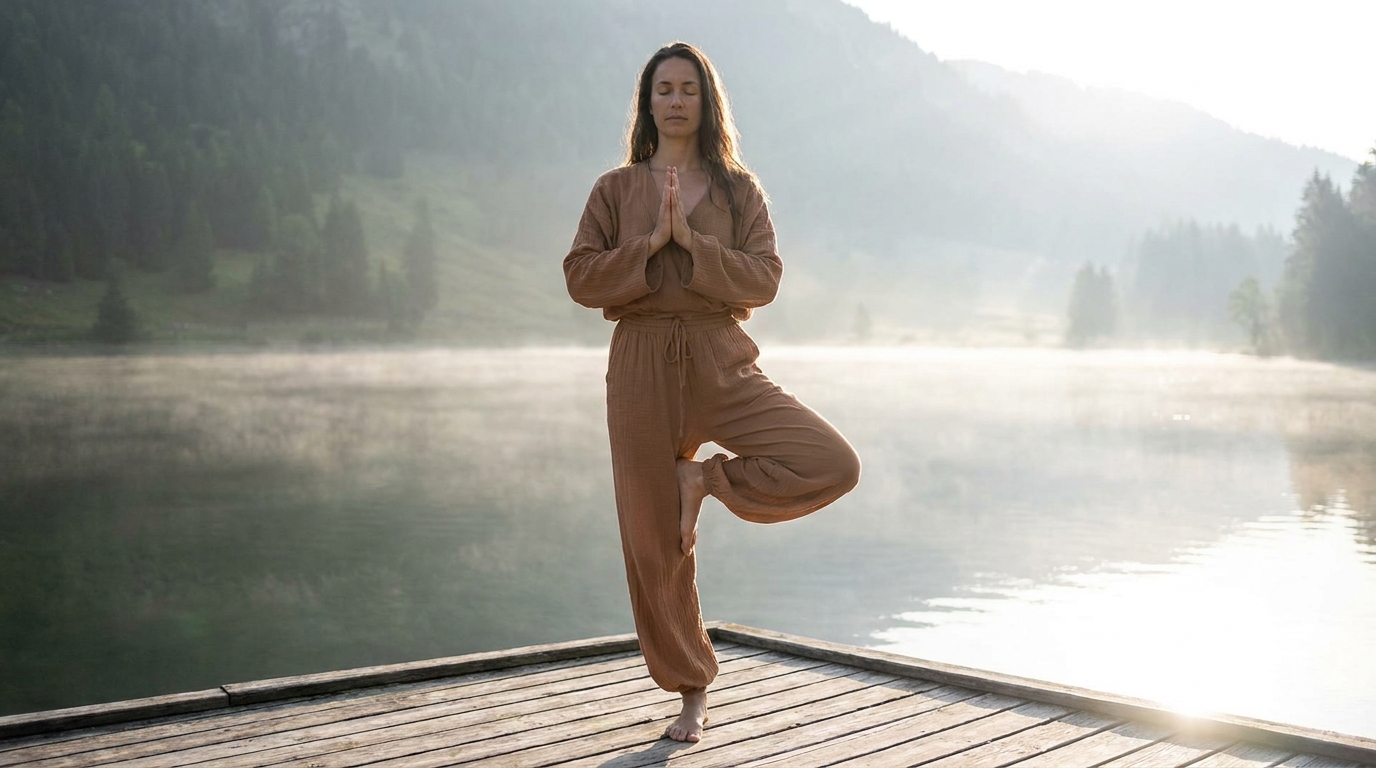
Accessible yoga matters because many people have been made to feel that yoga is not for them. Some have felt excluded by images of thin, young, flexible bodies. Some have encountered studios without ramps, chairs, or welcoming teachers. Some have been harmed by forceful adjustments, spiritual bypassing, or language that ignores real pain and lived experience.
When yoga becomes exclusive, it moves away from its heart. When yoga becomes accessible, it returns to love.
The Sacred Worth of Every Body
In the Bhagavad Gita, Sri Krishna teaches that the wise see with equal vision. In chapter 5, verse 18, the Gita says that a person of wisdom sees the same sacred essence in all beings. This teaching invites us to look beyond outer differences and honor the divine presence within everyone.
Accessible yoga reflects this vision. It reminds us that every body is worthy of care. A body using a wheelchair is worthy. A body in pain is worthy. A body that moves slowly is worthy. A body that rests is worthy. A body that looks different from the images on social media is worthy.
Yoga is not about making the body more acceptable. It is about meeting the body with reverence.
Inclusion Reduces Suffering
One of the great intentions of yoga is to reduce suffering. In Sanskrit, suffering is often called duhkha, a word that can suggest discomfort, unease, or a sense of being out of alignment. While yoga cannot remove every difficulty of human life, it can help us relate to life with more steadiness and compassion.
For many people, inaccessible environments create unnecessary suffering. A class without options may leave someone feeling ashamed. A teacher who praises only advanced poses may make others feel invisible. A studio that cannot accommodate mobility needs sends a painful message, even unintentionally.
Accessible yoga helps reduce this harm by creating spaces where people can participate as they are.
Yoga Becomes a Community Practice
In the devotional spirit, practice is not only about personal growth. It is also about service, called seva in Sanskrit. Seva means selfless service offered with humility and love.
Making yoga inclusive is seva. It is a way of serving the community. It asks teachers, studio owners, and practitioners to think beyond individual preference and consider collective care.
When we make room for more people, the practice becomes richer. We learn from one another. We become softer, wiser, and more human.
Sure, here is the sentence with the clickable link:
Check out the latest yoga guides at yoga guides.
How to Make Yoga More Inclusive
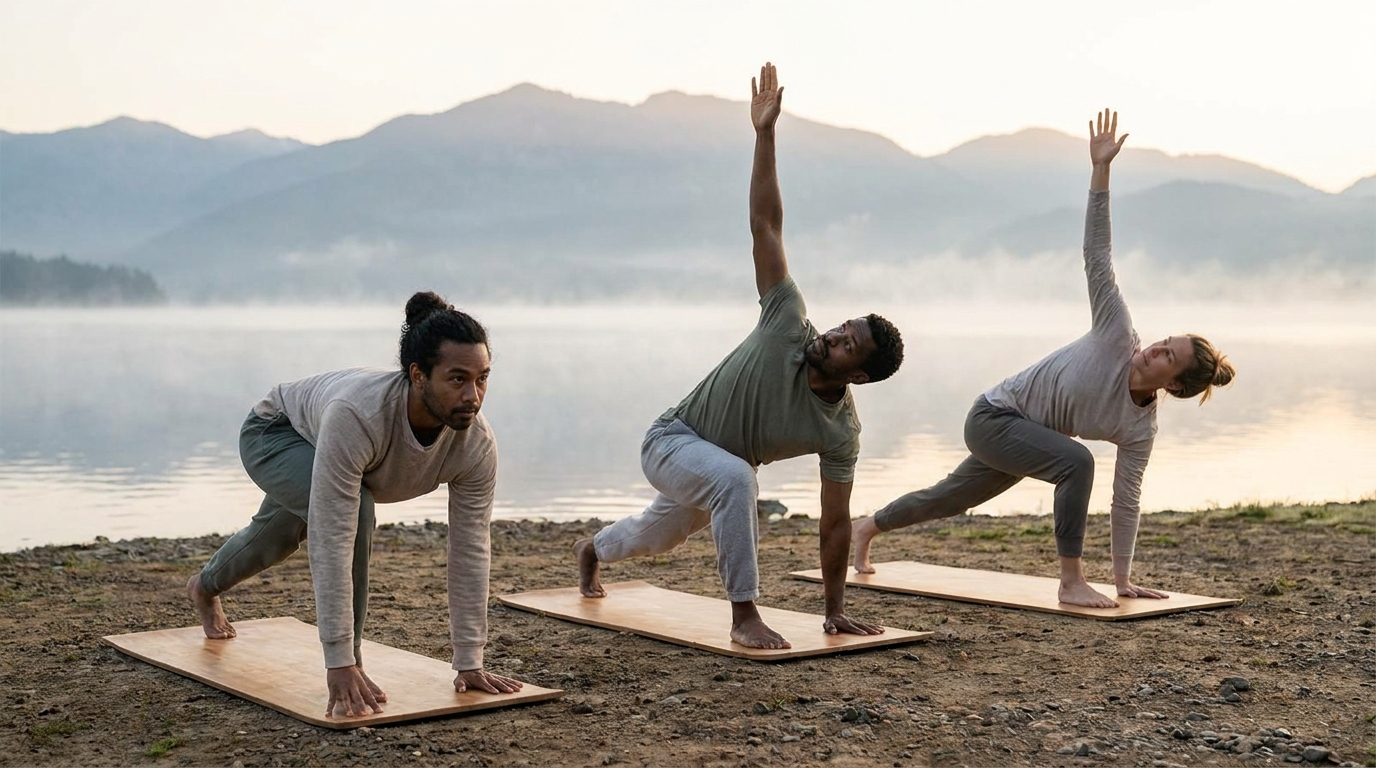
Accessible yoga begins with a simple but powerful question: “Who is not being welcomed, and what can we change?”
This question can guide teachers, studios, online yoga platforms, and individual practitioners. Inclusion is not a final destination. It is an ongoing practice of listening, learning, and adjusting.
Use Inclusive and Empowering Language
Words shape the atmosphere of a yoga class. A teacher’s language can help students feel safe, or it can make them feel judged.
Inclusive language offers choices rather than commands. For example:
- Instead of “Do the full pose,” say, “Here are a few options.”
- Instead of “If you can’t do this,” say, “Another supportive variation is…”
- Instead of “This is easy,” say, “Notice what this feels like for you today.”
- Instead of “Fix your body,” say, “Explore what feels steady and kind.”
The Sanskrit word ahimsa means non-harming. It is one of the foundational ethical teachings of yoga. Practicing ahimsa in language means speaking in ways that reduce shame and encourage self-respect.
Offer Variations Without Hierarchy
In accessible yoga, variations are not presented as “lesser” versions of a pose. They are simply different pathways.
For example, mountain pose, or Tadasana, can be practiced:
- Standing with feet hip-width apart
- Standing with support from a wall
- Sitting in a chair
- Lying down and sensing the length of the body
- Visualizing steadiness through breath
Each version can cultivate grounding, awareness, and dignity. The essence of the pose is not lost when the shape changes.
A teacher might say, “Choose the version that helps you feel most present and supported.” This allows students to trust their own bodies.
Make Props Normal and Welcome
Props are sacred tools of support. Blocks, straps, blankets, bolsters, chairs, walls, and cushions are not signs of weakness. They are expressions of wisdom.
A humble practice welcomes support. In bhakti, we understand that we are all supported by grace in every breath. Using a block or chair can be a beautiful reminder that support is not failure. It is part of life.
Teachers can normalize props by using them often, demonstrating with them, and offering them to everyone—not only to those who appear to “need” them.
Prioritize Consent and Choice
Consent is essential in inclusive yoga. Some students may not want hands-on adjustments. Others may have trauma histories, sensory sensitivities, pain, or cultural reasons for preferring not to be touched.
Teachers should ask clearly before offering touch and should make it easy for students to decline. Consent cards, verbal check-ins, or no-touch policies can help.
Choice is also important in breathwork and meditation. Some practices may feel uncomfortable or activating for certain nervous systems. Invite students to keep their eyes open, change positions, pause, or return to natural breathing at any time.
This is yoga as trust, not control.
Practical Accessible Yoga Practices
Accessible yoga is not only an idea. It is something we can practice gently and practically. Below are simple ways to experience yoga in an inclusive and adaptable manner.
Please remember: yoga should not cause sharp pain or distress. If you have medical concerns, consider consulting a qualified healthcare professional and working with a trained accessible yoga teacher.
Chair-Based Grounding Practice
Chair yoga can be a complete yoga practice. It is not only for beginners or older adults. It is helpful for many people, including those with limited mobility, fatigue, dizziness, or pain.
Try this:
Sit in a chair with your feet resting on the floor or on blocks. If your feet do not reach the floor, place support beneath them. Let your hands rest on your thighs or in your lap.
Feel the support of the chair beneath you. Notice your spine rising gently. You do not need to sit perfectly straight. Simply invite a sense of ease.
Take three natural breaths.
With each inhale, silently say, “I receive.”
With each exhale, silently say, “I soften.”
This is yoga. This is presence.
Gentle Seated Movement
From your chair, inhale and lift your chest slightly. Exhale and soften your shoulders.
Slowly turn your head to the right, only as far as comfortable. Return to center. Turn to the left. Return to center.
Circle your shoulders gently. Move your fingers. Feel your palms. Notice the breath.
If it feels comfortable, inhale and raise one arm slightly. Exhale and lower it. Repeat on the other side.
The goal is not range of motion. The goal is relationship. You are listening to your body with kindness.
Accessible Breath Awareness
Breath practice is called pranayama in Sanskrit. Prana means life force or vital energy, and ayama can mean expansion or regulation. Pranayama is often translated as breath regulation, but it is also a way of becoming intimate with the life moving through us.
A simple accessible breath practice:
Place one hand on your chest, belly, or another comforting place. If touch does not feel good, simply rest your attention near the breath.
Notice the inhale. Notice the exhale.
Do not force deep breathing. Let the breath be natural.
After a few moments, gently lengthen the exhale if that feels pleasant. For example, inhale for a count of two and exhale for a count of three.
If counting feels stressful, release it.
The breath is not a test. It is a companion.
Rest as a Valid Practice
In accessible yoga, rest is not an afterthought. Rest is sacred.
The Bhagavad Gita teaches moderation in chapter 6, explaining that yoga is not for one who eats too much or too little, sleeps too much or too little, but for one who seeks balance. This teaching reminds us that spiritual practice is not self-punishment. It is a path of steadiness.
Rest can be practiced lying down, sitting in a chair, reclining with pillows, or even standing with support. The traditional resting pose, Savasana, means “corpse pose.” It symbolizes surrender, release, and trust. But it does not have to be done flat on the floor.
Accessible Savasana may include:
- Resting in a chair
- Lying on the side with pillows
- Reclining on a bolster
- Supporting the knees with blankets
- Keeping eyes open
- Covering the body for warmth
- Practicing for one minute instead of ten
Rest belongs to everyone.
Accessible Yoga for Different Needs
Every person is unique. Accessibility is not one-size-fits-all. The most inclusive yoga spaces are those that remain curious, respectful, and responsive.
Yoga for Disabled Practitioners
Disabled practitioners should not be treated as exceptions to yoga. They are part of the yoga community.
Accessible yoga for disabled people may include wheelchair yoga, bed yoga, adaptive props, sign language interpretation, audio descriptions, sensory-friendly environments, or personalized sequencing.
Teachers should not assume what someone can or cannot do. It is better to ask respectfully: “What support would help your practice today?” or “Are there any movements or positions you prefer to avoid?”
The practitioner is the expert in their own body.
Yoga for Older Adults
Yoga for older adults can support balance, mobility, breath awareness, circulation, mental clarity, and emotional well-being. But it should be offered with care.
Many older adults benefit from chair yoga, wall support, slower transitions, and longer warm-ups. Teachers should be mindful of osteoporosis, joint replacements, blood pressure concerns, vision changes, and balance challenges.
But older adults are not fragile stereotypes. Many are strong, wise, and deeply capable. Accessible yoga honors both safety and dignity.
Yoga for Larger Bodies
Larger-bodied practitioners often face bias in wellness spaces. Accessible yoga must actively resist body shaming and weight-based assumptions.
Teachers can offer options that make space for the body, such as wider stances, using blocks under the hands, practicing twists with room for the belly, or choosing seated and reclined alternatives.
Language matters deeply. Avoid praising weight loss or implying that yoga is meant to change the body’s size. Yoga can help us inhabit the body with more kindness, but it should not be used as a tool of shame.
Yoga for Trauma Survivors
Trauma-informed yoga emphasizes safety, choice, and present-moment awareness. It avoids force, surprise touch, and overly authoritative language.
Helpful trauma-informed practices include:
- Offering options
- Inviting eyes open or closed
- Encouraging students to pause
- Avoiding sudden loud sounds
- Explaining what will happen next
- Using neutral language about body sensations
- Respecting personal space
The Sanskrit word svadhyaya means self-study. For trauma survivors, svadhyaya may include noticing what feels safe, what feels overwhelming, and what supports reconnection. This must happen gently, without pressure.
Yoga for Neurodivergent Practitioners
Neurodivergent people, including autistic people and people with ADHD, may experience yoga spaces differently. Lighting, sound, pacing, touch, verbal instructions, or silence may affect comfort and participation.
Inclusive yoga can offer:
- Clear structure
- Predictable class plans
- Options for movement and stillness
- Reduced sensory stimulation
- Permission to stim or fidget
- Visual demonstrations
- Written instructions
- No pressure to make eye contact
- Flexible meditation practices
A devotional heart does not demand that everyone worship silence in the same way. It honors the many ways humans experience presence.
How Teachers Can Create Inclusive Yoga Classes
Yoga teachers hold a meaningful responsibility. Teaching is not about showing what we can do. It is about serving the awakening and well-being of those who come to practice.
Begin With Humility
A humble teacher knows they will never understand every body or every life experience. This humility is not weakness. It is wisdom.
Teachers can continue learning from disabled educators, trauma-informed specialists, elders, larger-bodied teachers, and communities different from their own. Inclusion requires ongoing education.
In the spirit of bhakti, teaching becomes an offering: “May this class serve those who are here. May I listen more than I assume.”
Design Classes With Accessibility From the Start
Rather than adding accessibility as an afterthought, build it into the class design.
Consider:
- Is the space physically accessible?
- Are chairs available?
- Are props easy to reach?
- Is the pricing inclusive?
- Is the class description clear?
- Are variations offered throughout?
- Is the pace manageable?
- Is there time for transitions?
- Are students invited to rest?
- Is the teacher visible and audible?
Online classes should also consider captions, clear audio, camera angles, and options for people practicing in small spaces or from bed.
Avoid Making Assumptions
Teachers should not assume that a person’s appearance reveals their ability, health, experience, or needs.
A young person may have chronic pain. A flexible person may be emotionally overwhelmed. A person in a larger body may have advanced practice. A person using a mobility aid may be strong and experienced. A quiet person may be deeply engaged.
Inclusive yoga asks us to see people more fully and more gently.
Invite Feedback
Accessible teaching improves through feedback. Teachers can say, “If there is something that would make this practice more supportive for you, you are welcome to tell me before or after class.”
Studios can use anonymous feedback forms. Online teachers can ask what formats, pacing, or options are helpful.
Feedback is not criticism to fear. It is grace that helps us serve better.
How Else Can We Practice Inclusion Beyond the Mat?
Accessible yoga does not end when class ends. Yoga is a way of living. The deeper teachings invite us to create a more compassionate world.
Practice Ahimsa in Daily Life
Ahimsa, or non-harming, can guide how we speak, teach, organize, and build community. It asks us to notice where harm happens and to reduce it where we can.
In daily life, ahimsa may look like:
- Listening without interrupting
- Believing people’s lived experiences
- Making space for different needs
- Avoiding body shaming
- Using respectful language
- Supporting accessible spaces
- Questioning our own biases
Ahimsa is not passive. It is active care.
Practice Seva Through Accessibility
Seva, selfless service, can include practical actions that make yoga more available.
For studios and teachers, seva may include:
- Offering sliding-scale classes
- Providing free community practices
- Creating wheelchair-accessible spaces
- Hiring diverse teachers
- Offering classes for specific communities
- Providing captions or transcripts
- Learning from accessibility consultants
- Supporting organizations led by disabled people
For practitioners, seva may be as simple as welcoming someone new, making room for a chair, avoiding judgment, or sharing resources.
Small acts matter.
Honor the Roots of Yoga
Making yoga inclusive also means honoring yoga’s roots. Yoga comes from ancient Indian spiritual and philosophical traditions. While people of all backgrounds can practice yoga, we should do so with respect.
This includes learning basic Sanskrit terms, acknowledging the wisdom of the scriptures, respecting the sacredness of practices like mantra and meditation, and avoiding cultural appropriation.
A humble practitioner does not take yoga as a product to consume, but receives it as a gift to honor.
Build Communities of Belonging
Belonging is more than being allowed into a room. It means being valued, considered, and respected.
A yoga community of belonging asks:
- Who is represented here?
- Who feels safe here?
- Who is missing?
- Whose voices are centered?
- What barriers have we not noticed?
- How can we repair harm?
These questions are part of yoga practice. They help us move from self-centered practice toward collective awakening.
The Inner Spirit of Accessible Yoga
At its deepest level, accessible yoga is not only about technique. It is about love.
It is the love that says a pose can change shape and still be yoga. It is the humility that admits we have more to learn. It is the devotion that sees each person as sacred. It is the wisdom that values breath over performance, presence over appearance, and compassion over perfection.
The Practice Is Already Within You
Sometimes people say, “I’m not good at yoga.” But yoga is not something we are good or bad at. Yoga is a relationship we enter.
If you can breathe, you can practice awareness of breath. If you can notice sensation, you can practice mindfulness. If you can offer kindness to yourself or another, you are practicing yoga. If you can rest, listen, pray, chant, reflect, or simply pause, yoga is near.
The Katha Upanishad describes the inner Self as subtle, sacred, and discovered through sincere attention. This reminds us that yoga is not a show on the outside. It is a turning inward toward truth.
Devotion Makes Room
Bhakti teaches that the heart can become a temple. Not a temple only for the strong, flexible, wealthy, or culturally accepted—but a temple where all beings are welcome.
When we make yoga accessible, we widen the doorway of that temple.
We place chairs inside. We soften the lighting. We speak kindly. We offer options. We remove shame. We listen to pain. We celebrate different bodies. We honor silence and sound, movement and stillness, effort and rest.
This is not separate from spirituality. This is spirituality made practical.
A Simple Inclusive Intention
Before practice, teachers and students may pause and offer an intention:
“May this practice be welcoming.
May I meet my body with kindness.
May all beings feel safe, respected, and free.
May this breath become an offering.”
Such an intention can transform even a simple movement into devotion.
Moving Forward With Compassion
Accessible yoga is a living commitment. It asks us to keep learning, keep listening, and keep opening the circle wider. There may be mistakes along the way. When they happen, we can return to humility, apologize when needed, and continue with sincerity.
Yoga was never meant to be a competition of bodies. It is a path of union. It is a practice of remembering that beneath our differences, there is shared breath, shared longing, and shared sacredness.
To make yoga inclusive is to honor the heart of yoga itself.
May every person who longs for peace find a doorway into practice. May every body be treated with dignity. May teachers serve with humility. May communities become kinder. May yoga return again and again to its deepest essence: love, awareness, and liberation for all.
FAQs
What is accessible yoga?
Accessible yoga refers to the practice of making yoga inclusive and available to individuals of all abilities, including those with physical disabilities, chronic illnesses, or other limitations. It focuses on adapting yoga poses, using props, and modifying sequences to accommodate diverse needs.
How is accessible yoga different from traditional yoga?
Accessible yoga differs from traditional yoga in that it emphasizes modifications and variations to make the practice inclusive for individuals with diverse abilities. It prioritizes creating a welcoming and supportive environment for all participants, regardless of their physical limitations.
Who can benefit from accessible yoga?
Accessible yoga can benefit individuals with physical disabilities, chronic illnesses, injuries, seniors, pregnant women, and anyone seeking a more inclusive and adaptable approach to yoga. It provides an opportunity for individuals with diverse needs to experience the physical, mental, and emotional benefits of yoga.
What are some common modifications used in accessible yoga?
Common modifications used in accessible yoga include the use of props such as blocks, straps, and bolsters to support and enhance yoga poses. Additionally, instructors may offer seated or reclined variations of poses, as well as emphasize breath work and mindfulness practices.
Where can I find accessible yoga classes or resources?
Accessible yoga classes and resources can be found at yoga studios, community centers, rehabilitation facilities, and online platforms. Many yoga instructors and organizations offer specialized training in accessible yoga, and there are also a variety of books, videos, and websites dedicated to providing accessible yoga practices and information.