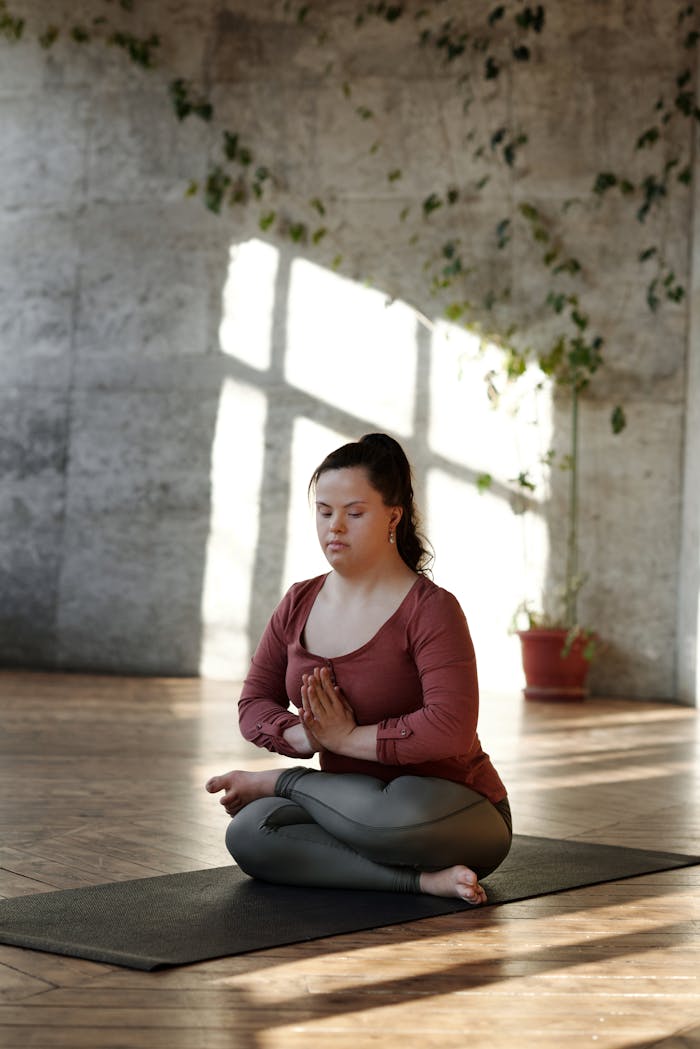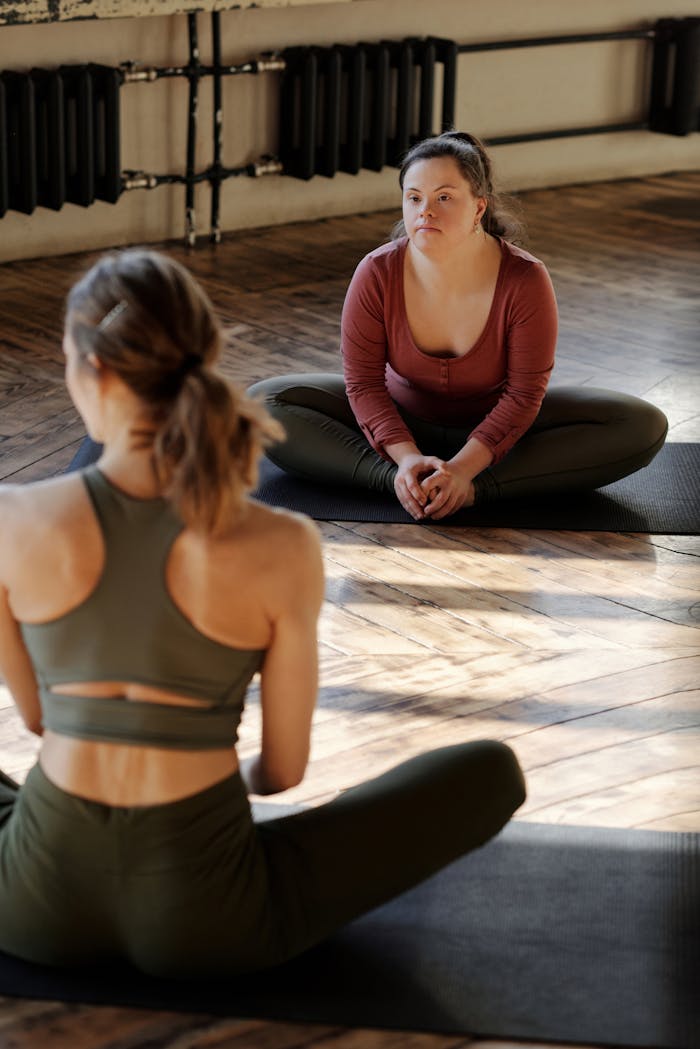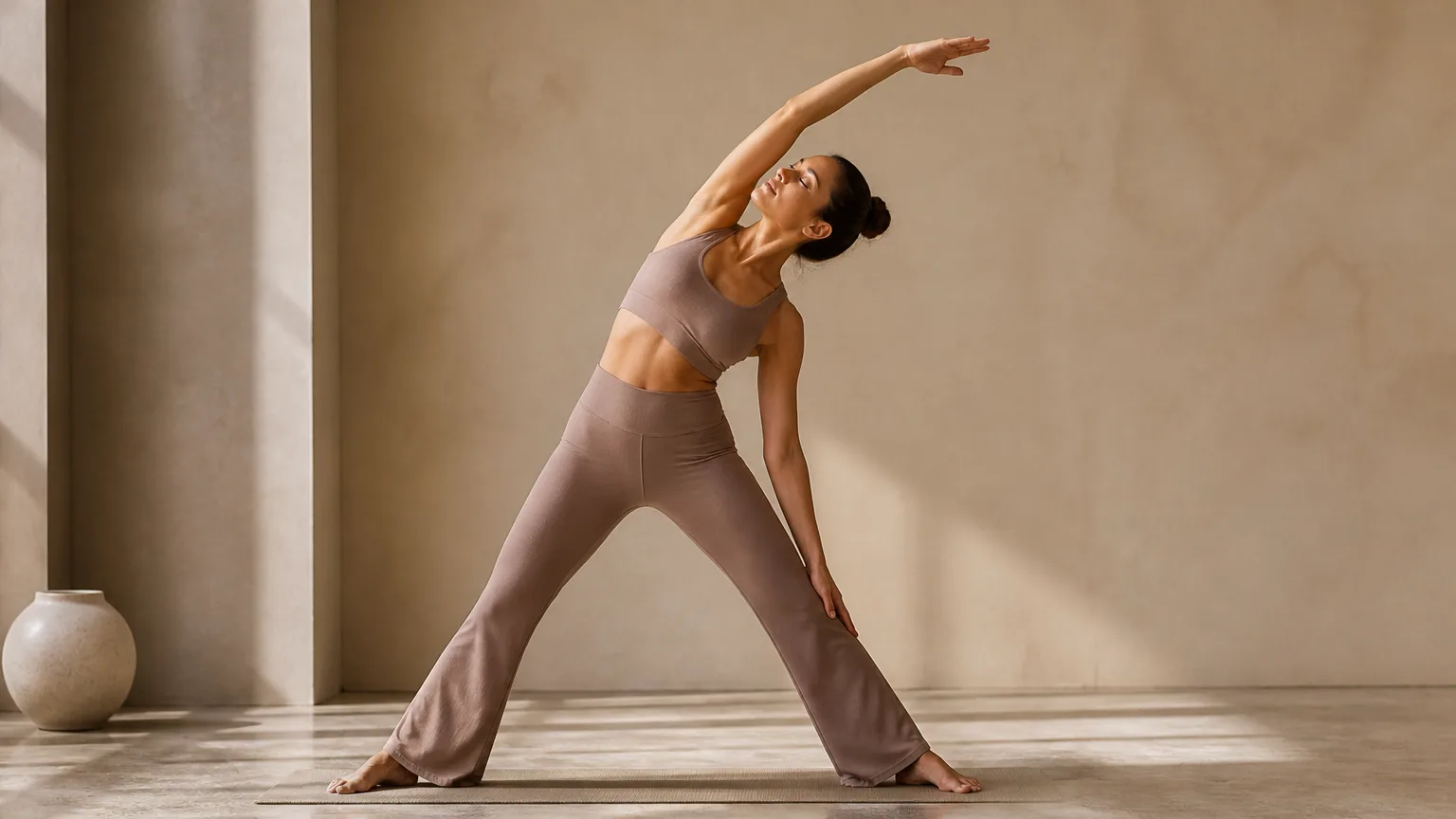
Yoga sets can make practice feel a little easier by helping you move without constant adjusting or distraction. The right combination of top and bottoms can stay comfortable through forward folds, standing poses, and gentle transitions, leaving more attention for your breath.
Clothing is only one small part of a supportive yoga practice, and you don’t need a coordinated outfit to do yoga well. If you’re choosing one, focus on what feels good for your body and the way you like to move—not what’s trending.
This guide looks at coordinated tops and bottoms through practical considerations like fit, support, coverage, fabric, and where you plan to practice. A soft, breathable set might suit a slow home session, while a more supportive top may feel better in a vigorous class. Start with Joyous Yoga for broader yoga and mindfulness resources, then use these tips to find an outfit that supports your own practice.
Start With Your Practice, Not the Outfit Trend
Before choosing among yoga sets, picture the practice you actually do—not the routine you hope to start someday. Think about the movements you make, how quickly you move, and what the room feels like. A set should support your real habits and help you feel at ease as you move.
Class style can offer a useful starting point. Heated vinyasa often involves continuous movement and plenty of sweat, so breathable fabric that manages moisture may feel more comfortable. A restorative class or gentle home stretch usually moves at a slower pace, where soft fabric and a little extra warmth may matter more than quick-drying performance.
Intensity is only part of the picture. Consider whether you prefer a close, compressive feel or a softer, less restrictive fit. Some people appreciate more coverage when bending or stretching; others feel most comfortable in lighter layers. These preferences can change with the style of practice, your body, and even the day.
Your practice location matters, too. A cool studio may call for a layer you can remove, while a warm room may make lightweight, breathable pieces feel more inviting. At home, you might choose a familiar set that works for short stretches as well as a full session. If you practice outdoors, consider how the weather and ground conditions could affect comfort.
It can also help to think about how often you practice. If you move through yoga several times a week, durable pieces that wash and dry easily may be worth prioritizing. For occasional sessions, comfort and versatility may matter more than technical features. Choose for the routine you have now, while leaving room for your practice to grow.
These choices connect with other practical details, such as what you need for home or studio sessions. A yoga gear checklist can help you think through those needs without losing sight of what you want from your clothing. Start with your class conditions, movement, and personal preferences, then look for a set that supports them.
Choose Fabric for Feel, Breathability, and Care
Once you know where and how you’ll practice, consider how a set feels against your skin. Softness, stretch, and breathability can all shape your comfort, but no single fabric works best for everyone. Fiber blends and the way a garment is knitted or woven both affect how it performs.
Many yoga sets combine synthetic fibers, such as polyester or nylon, with elastane for stretch. These blends can feel smooth and move easily with your body. Cotton blends may feel soft and familiar, though they can hold moisture longer during a sweaty session. Check how the fabric feels when you bend, twist, and reach—not just when you touch it on the hanger.
Moisture-wicking fabrics are designed to move sweat away from the skin, but that label doesn’t guarantee you’ll feel cool or dry quickly. Your comfort also depends on fabric thickness, fit, airflow, personal temperature, and the room’s climate. A set that works well in a cool studio may feel warmer during an outdoor summer practice.
Fabric weight and construction matter, too. Lightweight, open-knit material can feel airy for gentle movement or warm conditions, but may offer less coverage or support. A denser, more compressive knit may feel secure during flowing classes, while also feeling warmer. If possible, check the fabric’s opacity as you stretch and squat, and notice whether seams or waistbands feel comfortable in motion.
Before choosing a set, think about the details that fit your routine:
Feel and movement: Does the fabric stretch comfortably without pinching or becoming see-through?
Sweat and drying: Does it feel comfortable after a workout, and can you wait for it to air-dry?
Wear and care: Will it hold up to frequent washing, and does the care label match your habits?
Care can be part of comfort. Some pieces need cold washes, gentle cycles, or air-drying to help maintain their shape and stretch. If you practice often, consider how frequently you’ll wash the set and whether you have time or space to dry it between sessions. Checking the care label before you buy can help you choose yoga sets that suit your preferences and the wear you expect from them.
Find a Fit That Stays Put Without Restricting Movement
Once you’ve considered where and how you’ll practice, check how your yoga set moves with you. A good fit should feel secure during a pose, then let you transition without tugging, pinching, or distracting you. For more help comparing coverage and comfort, see this guide to choosing yoga apparel.
Start with the waistband. It should stay in place when you bend forward or move into a lunge, without rolling down or pressing painfully into your middle. Leggings should feel comfortable at your preferred length, with enough stretch to follow your knees and hips rather than pulling across those joints.
Notice how seams feel against your skin, especially around the inner thighs, waistband, and shoulders. Digging seams can become uncomfortable as you move, while straps that shift may need constant adjusting. A top should offer the support you want without making it hard to breathe, lift your arms, or twist.
If possible, test the set in a private fitting room or at home, where you can move freely. Try a few familiar positions and transitions, and pay attention to whether anything slips, pinches, or needs repositioning.
- Stand, reach overhead, and fold forward. Check whether the top stays in place and the waistband remains smooth.
- Bend your knees into a squat or lunge, then twist gently. Notice if fabric pulls across your hips, knees, or shoulders.
- Move down to the floor for a seated fold or a gentle tabletop position. Check for shifting straps, digging seams, or leggings that slide down.
- Return to standing and repeat a transition you use in class. The set should feel comfortable through the whole sequence, not just in a still pose.
These movements offer a simple way to assess yoga sets in both standing and floor poses. Secure does not have to mean tight: if compression feels painful, limits your breath, or leaves marks that bother you, try another size or style. Your clothing should support your movement, not ask you to work around it.
Use your measurements as a helpful starting point, but don’t treat a brand’s size label as a universal standard. Sizing can vary between brands and cuts, so let your lived comfort guide the final choice. The right fit is the one that stays put while giving you room to move with ease.
Match Support and Coverage to Your Needs
Once a set feels comfortable in a standing pose, consider how its top will support you through the rest of your practice. Support is about how securely and comfortably you can move, not about choosing the most compressive option. Your preference may change with the activity, the class, and how you feel that day.
Light support can feel comfortable for slower, gentler sessions with fewer quick transitions. Medium support may offer a steadier feel during flowing sequences, while higher-impact support can help reduce movement during faster, more vigorous practices. These are useful starting points, not strict categories: yoga intensity varies widely, and one person’s restorative practice may include movement that another finds challenging.
Check the neckline and straps as carefully as the support level. A top that feels secure when you stand still may shift during an extended reach, a twist, or a downward-facing dog. Try raising your arms, folding forward, and moving through a few familiar poses. Notice whether the neckline gaps, straps slide, or the band digs in or rides up.
Coverage is personal, so there is no single right neckline, hem length, or amount of skin to show. You might prefer a high neckline for a sense of security, or a lower cut that feels more open and breathable. If you wear a cropped top, see whether its hem stays where you want it during bends and overhead stretches. The goal is to feel at ease, not to follow someone else’s idea of what yoga clothing should look like.
Opacity deserves a practical check, especially if you plan to wear the top on its own. In a bright room, stretch the fabric gently and check it in a mirror; a trusted friend can offer another perspective if that feels helpful. Try a forward fold and a lunge, since fabric can become more revealing when it stretches or shifts. Darker colors are not automatically opaque, and lighter colors are not automatically sheer.
If possible, test the set in movements you actually practice, including inversions if they’re part of your routine. A short sequence can reveal whether the top stays in place and whether you can breathe comfortably. You don’t need a set that prevents every bit of movement or holds you tightly. Choose yoga sets that give you the support and coverage you want while letting your body move with ease.
Consider Construction, Versatility, and Brand Claims
Once a set feels comfortable in a short movement test, take a closer look at how it is made. Details such as seams, gussets, waistbands, and lining can affect how clothing feels during repeated stretches and holds. They can also influence how well it keeps its shape after regular washing.
Flat or well-finished seams may feel less noticeable against the skin, though seam placement and personal sensitivity matter. A gusset—a fabric panel in the crotch—can allow more room for movement and reduce strain on seams. Neither feature guarantees comfort for everyone, so consider how the garment feels on your body.
Check whether the waistband stays in place without digging in or needing frequent adjustment. A lined front or opaque fabric may offer coverage you prefer, but added layers can feel warmer. Turn the garment inside out, if possible, to inspect stitching and finishing; small details can be useful clues, not a promise of long-term durability.
Think about versatility, too. A set you can wear for different classes or pair with other pieces may fit more easily into your routine. Consider how its fabric, support, and coverage suit the activities you actually do, rather than choosing based on appearance alone.
When comparing brands, look for consistent sizing guidance, clear product descriptions, and practical care instructions. Specific information—such as fiber content, where materials are sourced, or how to wash and dry an item—is more useful than broad claims about being “eco-friendly.” Sustainability can involve many factors, and vague language may not tell you what applies to a particular garment.
Return policies matter because fit is personal and size labels vary. Check whether you can return or exchange an item, any time limits, and whether worn or washed clothing is accepted. These details can make it easier to try a set at home and decide whether it works for your movement and comfort.
A brand profile can help you see what questions to ask, without deciding whether a product will suit you. For example, Alo Yoga’s brand and sustainability overview describes the label’s design approach and sustainability information. Use it as a starting point to examine what a brand shares, then compare those details with the product itself.
No label can replace trying on yoga sets, checking how they move with you, and reading the care and return information. Your preferences may differ from someone else’s, and that is part of finding a set that supports your own practice.
Set a Budget and Shop With Confidence
Once you know what fit and movement feel right, set a budget that reflects how often you expect to wear your yoga set. If you practice several times a week, investing in pieces you can wash and wear regularly may make sense. For occasional sessions, a simple, comfortable option may meet your needs without stretching your budget.
Compare price with likely use rather than judging a set by its cost alone. A higher price does not automatically mean a better fit or a longer-lasting garment. Check the fabric, construction, care instructions, and reviews, then consider whether the set suits the way you practice.
Cost per wear can make comparisons more practical. Divide the price by the number of times you expect to wear the set. For example, a set you use twice a week may offer better value over time than a cheaper one that rarely feels comfortable. It’s only an estimate, but it can help you focus on usefulness rather than the original price.
Sales can be a good opportunity to compare options, especially when you already know which features matter to you. Before buying, review the discount details and any restrictions on sale items. The Alo Yoga sale guide can help you compare deals and understand what to look for, without making a quick purchase feel necessary.
Check the return window and policy before placing an order, particularly if you haven’t tried that brand’s sizing before. Find out whether sale items can be returned, how long you have to decide, and whether you’ll need to cover return shipping. A clear return option gives you room to try the set at home and check its fit through gentle movement.
A matching set can make getting dressed simple, but separates may be more useful if your top and bottom need different sizes or support levels. You might prefer a more supportive bra with leggings in another fabric or cut. Separate pieces can also give you more outfit combinations and let you replace only what wears out.
Think about the wardrobe you already own, too. A new top that pairs comfortably with several leggings may offer more everyday value than a set you wear only together. Choose the option that fits your budget, routine, and comfort needs; a thoughtful purchase should support your practice, not add pressure to it.
Frequently Asked Questions
What should I wear to my first yoga class?
Choose comfortable clothes that let you stretch, bend, and breathe easily. Leggings or flexible shorts with a supportive top work well for many people, but you can also wear clothes you already own. Try a few familiar movements before class to check that everything stays in place. A mat is often available at studios, but check what your class provides.
Should yoga leggings feel compressive?
They can feel snug, but they shouldn’t restrict your breathing or movement. Some practitioners like gentle compression for a secure feel, while others prefer a softer, looser fit. Try a squat, forward fold, and reach overhead; notice whether the waistband rolls or the fabric pulls. Your comfort during movement matters more than a particular level of compression.
How can I check if leggings are opaque?
If possible, try them on and bend or squat in good lighting. Check the fabric from different angles, or ask someone you trust to look. Stretching can make some fabrics more transparent, so a quick standing check may not tell the whole story. Reviews and product details can offer clues, but your own movement test is useful.
Do my yoga top and bottoms need to match?
Not at all. Matching yoga sets can make getting dressed simple, but separates let you choose different sizes, cuts, and levels of support. That flexibility can be helpful if your top and bottom fit differently or you want to pair new pieces with clothes you already own. Choose what feels comfortable and works for your practice.
How many sets do I need if I practice regularly?
It depends on how often you practice, how much you sweat, and how often you can wash your clothes. One set may be enough for occasional sessions, while regular practitioners may appreciate having a few options to rotate. Check care instructions, too: some fabrics need gentle washing or air-drying. A small rotation can help your clothes dry fully between sessions.
Is it worth spending more on yoga sets?
Consider cost alongside fit, fabric, support, and how often you expect to wear each piece. A higher price does not guarantee a better fit, and an affordable set may serve you well if it feels good and holds up to care. Try the movements you use in class, read the return policy, and choose within a budget that feels comfortable. The best set is personal: it should support your body and your practice without adding pressure to either.
Choose the Set That Lets You Focus on Your Practice
A good yoga set feels comfortable, offers the support and coverage you prefer, and moves easily with you. Consider how the fabric and fit suit your usual routine, whether you practice at home or in a lively studio class. Your needs may shift from one practice to another, and that’s perfectly natural.
Mindful practice doesn’t depend on a matching outfit, a premium label, or any particular body or style. Try a few familiar movements and notice whether your clothing stays comfortable and lets you breathe freely. Choose yoga sets that help you give your attention to practice—not your outfit.