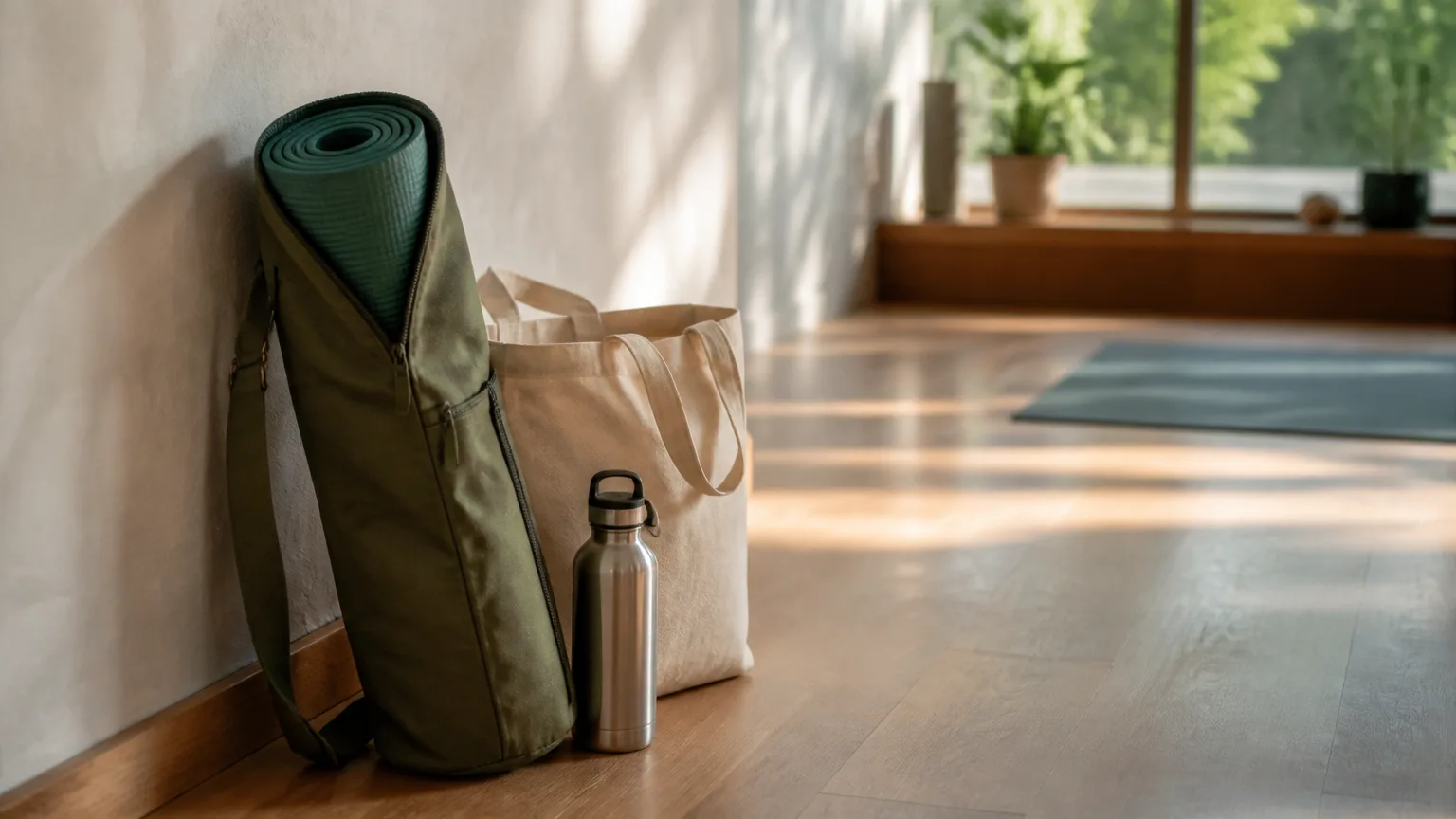
A yoga mat bag can do more than carry your mat from one place to another. The right one protects your practice essentials, supports your daily rhythm, and makes it easier to show up—whether you commute to class, practice outdoors, or keep your mat ready at home.
The best yoga mat bag is the one that reduces friction between you and your practice. That choice will look different for everyone. Your ideal bag depends on your mat’s size and thickness, how you prefer to carry it, and the habits that shape your week.
As you explore your options, consider the details that make a real difference. A secure fit can protect your mat from dirt and weather, while comfortable straps can make walking or cycling to class feel simpler. Pockets may keep your keys, towel, water bottle, or phone close at hand, and breathable, durable materials can support regular use.
Your budget matters, too, but value is about more than the lowest price. A well-designed bag that suits your routine may become a dependable part of your wellness practice for years. In this guide, you’ll discover how to compare dimensions, carrying styles, storage, materials, and cost with confidence.
Along the way, notice what helps you feel prepared and supported. For more ideas on creating a mindful, balanced routine, visit Joyous Yoga and continue exploring a practice that meets you where you are.
Start With Your Yoga Mat’s Size and Shape
Before choosing a yoga mat bag, measure the mat you already use. Roll it as you normally would, then measure its length and diameter. These two numbers give you a more reliable fit than the mat’s thickness label alone.
A label such as 4 mm or 6 mm describes the mat’s cushioning, not the space it takes up when rolled. A thicker mat usually creates a wider roll, but materials and designs can also affect the final size. Measuring the rolled mat helps you compare it accurately with a bag’s stated capacity.
Check the bag’s dimensions carefully. Some brands list the interior measurements, while others describe the maximum mat size the bag can hold. Look for both the length and the diameter or circumference. If the bag only gives one measurement, check the product details or contact the maker before purchasing.
Standard mats often fit most everyday yoga mat bags. Extra-long mats need additional length, especially if they measure 72 inches or more. Wide mats can require a larger opening, even when their length is standard. Travel mats may roll compactly, while thick or heavily cushioned mats can need significantly more room.
Aim for a comfortably snug fit. The bag should hold the mat securely without leaving so much space that the roll shifts as you walk. Too much movement can make the bag feel unbalanced and may allow the mat to bend or loosen.
At the same time, avoid choosing a bag that requires force. An overly tight fit can strain zippers, seams, drawstrings, and other closures. It may also make inserting and removing your mat frustrating, particularly when you are arriving for class or packing up after practice.
Leave enough room for easy insertion. A little extra space makes a meaningful difference when your mat is damp from outdoor practice or rolled less tightly than usual. If you carry a towel, strap, or small layer with your mat, include those items when judging the bag’s capacity.
Your mat choice and bag choice work together. If you are still comparing cushioning, grip, or materials, this guide to choosing the best yoga mat can help you find a design that suits your practice. Then, use your mat’s actual rolled measurements to choose a bag that supports it comfortably.
Match the Bag to How You Practice and Travel
The best yoga mat bag fits the way you actually move through your day. Consider how often you carry your mat, how far you travel, and what else you bring. Comfort and durability usually matter more than appearance alone.
For short walks to a nearby studio, a simple strap may be all you need. These lightweight carriers keep your mat accessible without adding bulk. They work well when you carry only your mat and perhaps a small towel. Look for adjustable straps and secure fasteners that keep the rolled mat from slipping.
If you walk, cycle, or use public transportation, choose a design that stays close to your body. A sling or crossbody yoga mat bag can offer better balance than a single shoulder strap. Adjust the strap so the mat rests securely without swinging as you move. For cycling, check that the carrier does not interfere with your handlebars, helmet, or movement.
Longer commutes call for more support. A yoga mat bag with padded backpack straps can distribute weight across both shoulders. This design feels steadier when you carry clothing, water, toiletries, or personal items. A chest strap or secure closure can also help the bag stay in place while walking or biking.
For car travel, a tote-style bag may provide the easiest access. It can hold your mat alongside a change of clothes, towel, water bottle, and other studio essentials. Padded handles make heavier loads more comfortable, especially when you are carrying the bag from the parking area to class.
A larger bag is helpful when your practice includes more than the mat. Choose one with separate compartments if you often bring sweaty clothing, a towel, keys, or a phone. Thoughtful storage keeps your belongings organized and prevents small items from shifting around the mat.
For outdoor practice, consider protection as well as portability. Full-coverage backpacks or zippered bags can help shield your mat from dirt, light moisture, and changing weather. Durable fabric and reinforced stitching are valuable if you practice in parks, travel frequently, or place your bag on rough surfaces.
Your routine may point toward one of these options:
- Minimal carrier: Best for short studio trips with only a mat.
- Sling or crossbody: Useful for walking commutes and lighter loads.
- Tote-style bag: Convenient for car travel and extra clothing or towels.
- Backpack: Ideal for cycling, longer distances, and balanced weight.
- Full-coverage bag: Helpful for outdoor practice, travel, and added protection.
- Drawstring carrier: A simple choice for home storage or occasional use.
For home practice, you may not need a travel-focused design. A drawstring carrier or open-ended strap can keep your mat tidy between sessions. If you attend classes several times each week, invest in stronger materials and supportive carrying features. Your bag should make practice feel easier, not create another source of strain.
Choose Materials That Support Comfort and Longevity
The material of your yoga mat bag affects how it feels to carry, clean, and use over time. Start by considering your practice environment, travel habits, and how often you attend class. A lightweight cotton bag may suit gentle, occasional practice, while frequent commuters may appreciate a more durable fabric.
Cotton is soft, breathable, and often comfortable against your shoulder. It can also suit a simple, natural aesthetic. However, cotton may absorb moisture, take longer to dry, and show wear sooner than sturdier options. Canvas offers a similar feel with greater structure and durability, though its heavier weight may matter if you walk or cycle to class.
Polyester and nylon are popular for their light weight and resistance to everyday wear. They usually clean easily and can handle regular commuting, making them practical choices for an active schedule. Nylon often feels slightly stronger and more flexible, while polyester may offer better shape retention and color stability. Neither fabric is as breathable as cotton, so look for ventilation when possible.
Recycled fabrics can reduce reliance on newly produced materials without sacrificing useful performance. Their quality varies, so check the fabric weight, lining, and construction rather than relying on the label alone. Water-resistant coatings can protect your mat from light rain and accidental spills, but they may reduce breathability and can eventually wear away. Consider whether weather protection is truly useful for your routine.
Breathable construction matters when your bag may hold a mat after a sweaty practice. Mesh panels, ventilated ends, or loosely woven sections can help moisture escape. Still, your mat should be aired out fully before long-term storage, even when the bag has breathable features.
Your mat and bag also work as a team. A thick or textured mat may need a stronger, roomier carrier, while a slim travel mat may fit comfortably in a lighter design. For guidance on how these choices connect, explore the Gaiam yoga mat buying guide, then compare your mat’s rolled size with the bag’s capacity.
Before buying, inspect the details that support longevity:
- Look for neat stitching and reinforcement where straps attach.
- Test the zipper for smooth movement and secure closure.
- Check that buckles feel reliable and drawcords tighten easily.
- Notice whether seams feel strong enough for your mat’s weight.
A well-made yoga mat bag should feel dependable without becoming bulky. Choosing materials thoughtfully can help you move through each practice with greater comfort, confidence, and ease.
Prioritize Ventilation, Protection, and Easy Cleaning
Once you have considered dimensions, carrying styles, materials, and cost, look closely at the features that protect your mat between practices. A yoga mat bag should help manage moisture, dust, and daily wear without adding unnecessary bulk. Small design details can make your routine feel smoother and more comfortable.
Ventilation panels are especially helpful after a sweaty session. Mesh sections allow air to circulate, reducing trapped moisture and lingering odor inside the bag. However, ventilation does not replace cleaning and drying your mat. Wipe the mat according to the manufacturer’s instructions, then let it dry fully before storing it.
This matters most for hot yoga routines. Sweat, towels, and damp clothing can quickly fill a small carrier, making airflow and organization essential. If you are learning what to expect in a hot yoga class, look for a bag with breathable panels and room for your towel without pressing it against your mat.
Separate compartments can also support a more hygienic routine. A dedicated pocket keeps keys, phone, wallet, or clean clothing away from the mat. For hot yoga, a ventilated compartment for damp towels or clothing is particularly useful. It helps prevent moisture from spreading throughout the main compartment.
For rainy commutes, public transportation, or outdoor travel, prioritize full coverage. A zippered or roll-top closure protects the mat from sudden showers, wet sidewalks, and contact with dirty surfaces. Water-resistant exteriors add another layer of defense, though they do not make every bag completely waterproof.
An open-ended strap may be perfectly adequate for short trips to a nearby studio. It keeps the rolled mat secure and allows quick access before class. Choose this simpler style when you usually travel in dry weather and do not need storage for personal items.
A washable lining can make regular care easier, especially if you practice often. Look for smooth interiors that wipe clean easily, and check whether the lining can be removed or machine washed. Strong seams and reliable closures matter too, since moisture and repeated use can place extra stress on the bag.
Think about your usual journey, not only the studio itself. An everyday practice may call for a lightweight, easy-clean carrier, while outdoor sessions benefit from stronger protection. When the bag matches your environment, your practice feels more prepared, supported, and inviting.
Look for Features That Make the Bag More Useful
Once you have considered dimensions, materials, carrying styles, storage, and cost, look at the details that support your everyday routine. The best yoga mat bag is not necessarily the one with the most features. It is the one that makes the items you regularly bring to practice easier to carry and access.
Start by asking what you usually pack. Do you carry keys, a phone, a wallet, a water bottle, a towel, or a change of clothes? A small external pocket can keep your keys and phone separate from your mat. This makes them easier to find and protects them from rubbing against a damp or dusty surface.
If you change clothes before or after class, consider a ventilated compartment. Breathable storage can help contain damp clothing or a used towel, keeping moisture and odors away from your mat and other belongings. A dedicated shoe compartment may also be useful if you walk to class or prefer not to place shoes beside clean items.
Look for a water-bottle sleeve that holds your bottle securely without making the bag feel unbalanced. If you carry your phone during a commute, padded or lightly protected phone storage can offer extra reassurance. Secure zippers, strong snaps, or a reliable drawcord help keep everything in place while you walk, cycle, or travel.
The strap deserves careful attention, too. An adjustable strap allows you to carry the bag crossbody, over one shoulder, or closer to your body. This flexibility can make a meaningful difference for people with different heights, body types, and shoulder preferences. Try to picture how the bag will sit when your hands are full or when you are moving through a crowded space.
Accessibility matters as much as adjustability. A pocket that looks convenient may be frustrating if it is difficult to reach while the bag is on your shoulder. Check whether zippers open smoothly and whether you can access essentials without removing the entire bag. If you often walk longer distances, choose padded straps or a design that distributes weight comfortably.
Finally, separate helpful features from decorative extras. Reflective details may improve visibility during an evening commute, while unnecessary buckles or oversized hardware can add weight. Choose the features that genuinely support your practice, so your bag feels organized, comfortable, and ready for the way you move through your day.
Balance Price, Sustainability, and Personal Style
Price matters, but the lowest-cost yoga mat bag is not always the best value. Consider cost per use, reliability, and how long the bag may serve you. A well-made carrier that lasts through weekly classes can be more affordable than replacing a cheaper bag each season.
Look for durable stitching, strong straps, and materials that suit your routine. Repairable designs can extend a bag’s life, especially when straps, buckles, or zippers can be replaced. A dependable yoga mat bag may also replace separate gym, work, or travel carriers, reducing clutter and disposable packaging over time.
Sustainability begins with asking thoughtful questions. Does the brand explain where its materials come from? Are recycled fabrics, low-impact dyes, or responsible manufacturing practices part of its process? Clear information does not guarantee perfection, but brand transparency helps you make a choice that reflects your values.
Your mat and bag should work well together. If you are still comparing cushioning, grip, or materials, explore how to choose the right lululemon yoga mat. Then, choose a carrier that fits your mat securely and supports how often you practice.
Personal style is also practical. A color or pattern that feels like you may make the bag more enjoyable to carry consistently. Some people prefer a minimalist design with one comfortable strap. Others appreciate pockets, weather protection, or space for a towel and water bottle.
Think about which features genuinely support your rhythm. A feature-rich bag can be valuable when it replaces multiple accessories. A simpler design may be better if extra compartments encourage overpacking. The right choice feels natural to use, easy to maintain, and aligned with your everyday identity.
Before buying, imagine reaching for the bag on a busy morning or after a long day. If its design, materials, and price feel balanced, you are more likely to keep using it. That consistent use is one of the clearest signs that your investment supports your practice.
Frequently Asked Questions About Yoga Mat Bags
What size yoga mat bag should I buy?
Measure your mat after rolling it, including its length and diameter. Then compare those measurements with the bag’s listed dimensions. Choose a little extra room so the mat slides in easily, especially if it is thick, wide, or made from dense material. A tight fit can strain zippers and seams, while too much space may let the mat shift during travel.
Can I store my yoga mat in its bag?
A yoga mat bag works well for short-term transport between home, class, and other activities. For longer storage, remove the mat so it can air out fully. Clean and dry the mat first, then store it rolled in a cool, dry place. This helps reduce trapped moisture and unwanted odors.
Are yoga mat backpacks better than shoulder bags?
Neither style is best for everyone. A backpack can distribute weight more evenly and leave your hands free while cycling, commuting, or carrying other items. A shoulder bag may offer quicker access, a simpler design, or more flexible carrying options.
Consider your usual route, mat weight, and what else you bring. If you carry blocks, clothing, water, or personal items, look for enough capacity without unnecessary bulk. Your most supportive choice is the one that feels comfortable and suits your everyday movement.
How do I clean a yoga mat bag?
Start by checking the care label, since materials and linings require different methods. Empty the bag regularly and remove leaves, dust, and small items before they build up. Spot-clean spills promptly with a suitable cloth and gentle cleaner.
After cleaning, leave the bag fully open until it is completely dry. Avoid packing your mat inside while the fabric is damp. Regular care helps your yoga mat bag stay fresh and dependable.
Do I need a yoga mat bag if I practice only at home?
A bag is optional when your mat stays in a clean, dry practice space. Still, it can protect the mat from dust, organize accessories, and make it easier to move between rooms or outdoor sessions. If storage is already simple and your mat remains undisturbed, you may not need one. Choose the option that supports your practice without adding clutter.
Choose the Bag You Will Want to Carry
Choosing a yoga mat bag does not need to become another complicated decision. Start with your mat’s rolled dimensions, then match the bag to your usual travel habits. A lightweight carrier may suit short studio trips, while a sturdier design can support commutes, outdoor sessions, or frequent classes.
Before buying, use a simple checklist: Does the bag fit comfortably? Is it easy to carry? Will it protect your mat and allow enough ventilation? Does it hold your essentials without feeling bulky? Also consider maintenance, material quality, and long-term value. A washable fabric, durable seams, and responsibly chosen materials may better support your budget and values over time.
The right bag makes practice more accessible, organized, and enjoyable. Choose one you will genuinely want to reach for, so your routine feels supported rather than restricted. For more guidance on yoga, mindfulness, and creating a balanced practice, continue exploring Joyous Yoga’s resources.