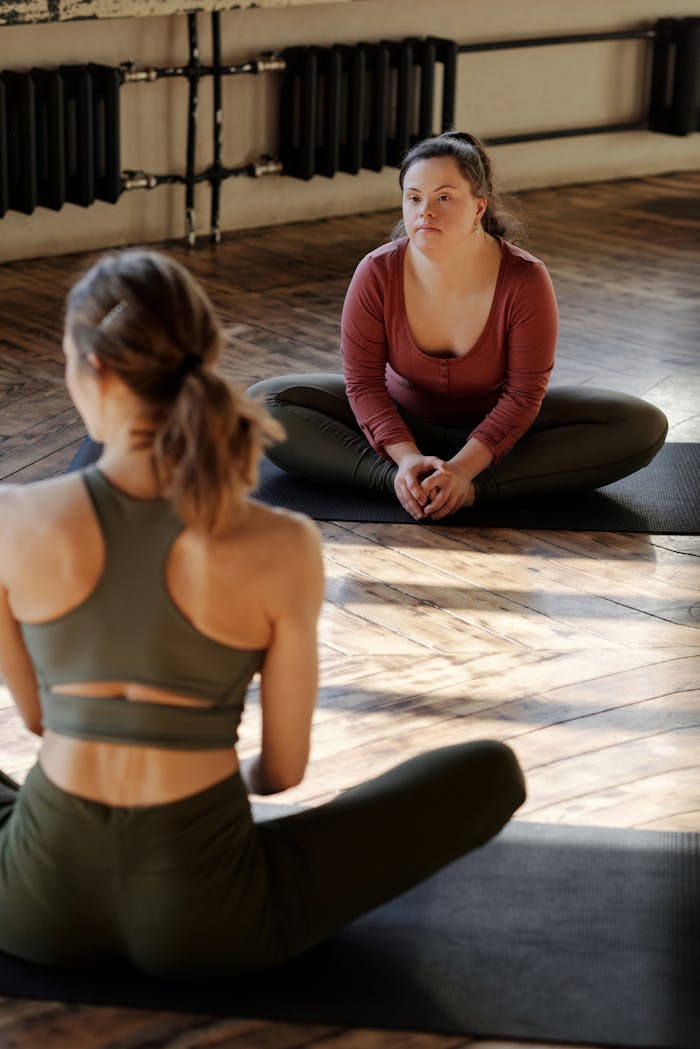
Prenatal yoga offers a gentle way to support comfort, body awareness, relaxation, and emotional balance throughout pregnancy. It combines mindful movement, breathwork, and calming pauses that can adapt as your body and baby grow. Before beginning or changing your practice, consult your prenatal care provider.
Every pregnancy is different, so poses, intensity, and practice length should reflect your needs. A qualified prenatal instructor can offer thoughtful modifications and help you move with confidence. Specialized prenatal yoga classes are designed for changing bodies, unlike general yoga classes, and often welcome complete beginners. Expect supportive guidance, accessible options, and space to listen inward. As you explore each trimester, this practice can become a steady source of connection and ease.
Benefits of Prenatal Yoga for Body and Mind
Prenatal yoga can help you maintain gentle strength and mobility as your body changes. Supported movements may ease stiffness in the hips, back, shoulders, and legs while encouraging comfortable posture. A slower, alignment-focused Hatha yoga approach can be adapted with props, wider stances, and modifications for each trimester.
Breath-led movement also builds body awareness. Slow breathing and mindfulness may help manage everyday stress, soften tension, and create a calm pause in a busy day. These skills can support focused breathing during labor, although every birth experience is unique.
Many people find that regular practice supports relaxation, sleep, and general physical comfort. It can also deepen your connection with your changing body, helping you notice what feels steady, strained, or nourishing. Prenatal yoga is not a treatment for pregnancy-related medical conditions and does not replace clinical care. Always follow your healthcare provider’s guidance and choose options that feel supportive.
First Trimester: Build a Gentle Foundation
Early pregnancy can bring fatigue, nausea, and changing energy levels. With prenatal yoga, consistency matters more than intensity. Try brief, flexible practices focused on breathing, pelvic and spinal mobility, supported standing poses, and rest.
Begin with comfortable seated breathing, then explore cat-cow, gentle side stretches, and mountain pose. Supported child’s pose can offer quiet recovery, though you may prefer sitting upright if nausea or dizziness makes folding uncomfortable. Move slowly, keep water nearby, and pause whenever your body asks.
Avoid overheating, dehydration, breath retention, and forceful abdominal work. Never practice through pain, bleeding, severe dizziness, or other unusual symptoms; contact your healthcare provider when needed. Even if you practiced yoga before pregnancy, reduce intensity and reassess familiar poses. Your body’s needs are changing, and beginner-friendly yoga guidance can help you choose supportive options. A gentle practice is still meaningful.
Second Trimester: Adapt as Your Center of Gravity Changes
As your abdomen grows, your center of gravity shifts and balance may feel less predictable. Widen your stance, use blocks or a wall for support, and move slowly between positions. Let your practice leave you energized and comfortable, not depleted.
Supported goddess pose can strengthen the legs while giving your belly room to expand. Modified warrior variations, with a shorter stance or hands on your hips, can also build stability. Cat-cow and gentle hands-and-knees hip mobility offer comfortable movement for the spine and pelvis.
Side-lying rest provides a soothing alternative when you need to pause. You might also enjoy the restorative elements of yin yoga, adapted with prenatal guidance and plenty of support.
As joint laxity increases, avoid pushing toward your fullest range. Deep twists, intense backbends, prolonged flat-on-your-back positions, and overstretching may need to be reduced or avoided. A prenatal yoga instructor can offer thoughtful modifications and help you move with confidence.
Third Trimester: Prioritize Comfort, Stability, and Rest
As your belly grows, balance, breathing, mobility, and stamina may change quickly. Let prenatal yoga become more restorative, focusing on supported standing poses, pelvic mobility, and gentle squats when they feel comfortable.
Use a stable chair, blocks, bolsters, and folded blankets to reduce strain. These props can support transitions, widen your stance, and make choosing a supportive yoga mat feel more secure. Keep movements slow, and pause often.
Side-lying relaxation and calming breathwork can help you release tension without demanding extra effort. Avoid positions that compress your abdomen, create instability, or cause shortness of breath. Do not remain flat on your back for extended periods; use an incline or turn onto your side instead.
Stop practicing and contact your healthcare provider for bleeding, fluid leakage, painful contractions, chest pain, severe headache, dizziness, or decreased fetal movement. When in doubt, choose rest and seek guidance.
Safe Poses, Modifications, and Everyday Practice Tips
Begin with gentle movements, such as cat-cow, then transition gradually. Try bird dog with support, a wide-legged squat, supported side angle, seated leg stretches, and a comfortable rest position. Props like blocks, a bolster, and a chair can improve balance and reduce strain.
Pose names do not guarantee safety. Alignment, breathing, pregnancy stage, health history, and comfort determine whether a variation suits you. Avoid hot yoga, risky inversions, forceful twists, deep abdominal compression, and competitive or pain-based stretching unless a qualified clinician clears them.
Practice on a non-slip surface, stay hydrated, and choose steady, moderate effort. Tell your instructor about your pregnancy, symptoms, and medical restrictions before class. Rest whenever needed, and stop for discomfort rather than pushing through it.
Create a Mindful Practice That Changes With You
Prenatal yoga can support strength, mobility, relaxation, and self-trust through every trimester when thoughtfully modified. Choose consistency over intensity, and value rest, breathwork, and meditation as meaningful parts of your practice.
Let each session respond to your daily needs. Seek qualified prenatal instruction, and contact your healthcare professional whenever symptoms or concerns arise.