Whether you are new to yoga, returning after many years, or walking a spiritual path from another tradition, you are warmly welcome here. Raja Yoga is not a belief system that asks us to become someone else. It is a practical, compassionate path that helps us remember the peace already present within the heart.
In Sanskrit, Raja means “royal,” and Yoga means “union” or “to yoke.” Raja Yoga is often called the “royal path” because it guides the whole person—body, mind, breath, heart, and awareness—toward inner freedom. It is not only about sitting in meditation, though meditation is central. It is also about how we live, speak, think, serve, love, and respond to life.
In the spirit of bhakti, the path of devotion, we approach Raja Yoga with humility. We do not force the mind into silence. We offer the mind gently, again and again, to the light of truth, to the Divine, to the sacred presence within all beings.
Raja Yoga is the path of mental discipline, meditation, and self-realization. It is most clearly described in the Yoga Sutras of Patanjali, one of the foundational texts of classical yoga.
Patanjali begins by defining yoga in a simple but profound way:
Yoga chitta vritti nirodhah — “Yoga is the stilling of the fluctuations of the mind.”
— Yoga Sutras 1.2
Here, chitta means the mind-field, including thoughts, emotions, memories, and impressions. Vritti means waves or movements. Nirodhah means calming, settling, or restraining.
In everyday language, Raja Yoga teaches us how to quiet the mental noise that keeps us restless, fearful, or disconnected. When the waves of the mind settle, we begin to experience our true nature—peaceful, aware, and whole.
The Royal Path of Inner Mastery
Raja Yoga is called “royal” not because it is superior to other paths, but because it offers a complete method for mastering the mind. In many traditions, the mind is compared to a powerful horse. If untrained, it runs in every direction. If guided with patience and love, it becomes a faithful companion.
This mastery is not harsh control. It is not suppression. It is wise friendship with the mind.
Through steady practice, we learn to observe our thoughts without becoming trapped by them. We learn to feel emotions without being ruled by them. We learn to live from the deeper Self, not only from habit, fear, or desire.
Raja Yoga and the Eight Limbs of Yoga
Raja Yoga is often connected with Ashtanga Yoga, the “eight-limbed” path taught by Patanjali. Ashta means eight, and anga means limb. These eight limbs are not steps to rush through. They are living supports for a balanced, sacred life.
The eight limbs are:
- Yama — ethical restraints
- Niyama — personal observances
- Asana — steady posture
- Pranayama — breath regulation
- Pratyahara — withdrawal of the senses
- Dharana — concentration
- Dhyana — meditation
- Samadhi — absorption or spiritual union
Together, they form a complete path for unlocking inner peace through body, breath, mind, and spirit.
Why Inner Peace Matters in Raja Yoga
In our modern world, many people carry invisible burdens. We may look successful on the outside while feeling anxious, distracted, lonely, or spiritually dry within. Raja Yoga meets us gently in this place.
It does not condemn our restlessness. It gives us tools to understand it.
Inner peace is not a luxury. It is nourishment. When the mind is peaceful, we make wiser choices. We speak more kindly. We serve more freely. We become less reactive and more loving.
Peace Is Already Within You
Raja Yoga does not teach that peace must be imported from outside. Rather, it reveals that peace is our natural state, hidden beneath layers of mental activity.
The Bhagavad Gita, a beloved scripture of yoga, says:
“As a lamp in a windless place does not flicker, so is the disciplined mind of the yogi practicing meditation on the Self.”
— Bhagavad Gita 6.19
This beautiful image reminds us that the mind can become steady. The flame of awareness is already burning. Practice simply protects it from the winds of distraction.
In bhakti, we may understand this inner flame as the presence of the Divine in the heart. Different traditions may use different words—God, Spirit, Self, Truth, Love, Awareness. Raja Yoga welcomes sincere seekers of all backgrounds.
The Mind Can Be Trained with Compassion
Many people believe, “I cannot meditate because my mind is too busy.” But a busy mind is not a failure. It is the very reason we practice.
If the body is stiff, we do not say, “I cannot practice yoga.” We begin gently. In the same way, if the mind is restless, Raja Yoga gives us a path.
Patanjali offers two essential principles:
Abhyasa — steady practice
Vairagya — non-attachment
Abhyasa means returning again and again. Vairagya means loosening our grip on outcomes, cravings, and passing thoughts. Together, they teach us to practice sincerely without demanding instant results.
This is a humble path. We fall, we return. We forget, we remember. We wander, we come home.
How Raja Yoga Works: The Eight Limbs in Daily Life
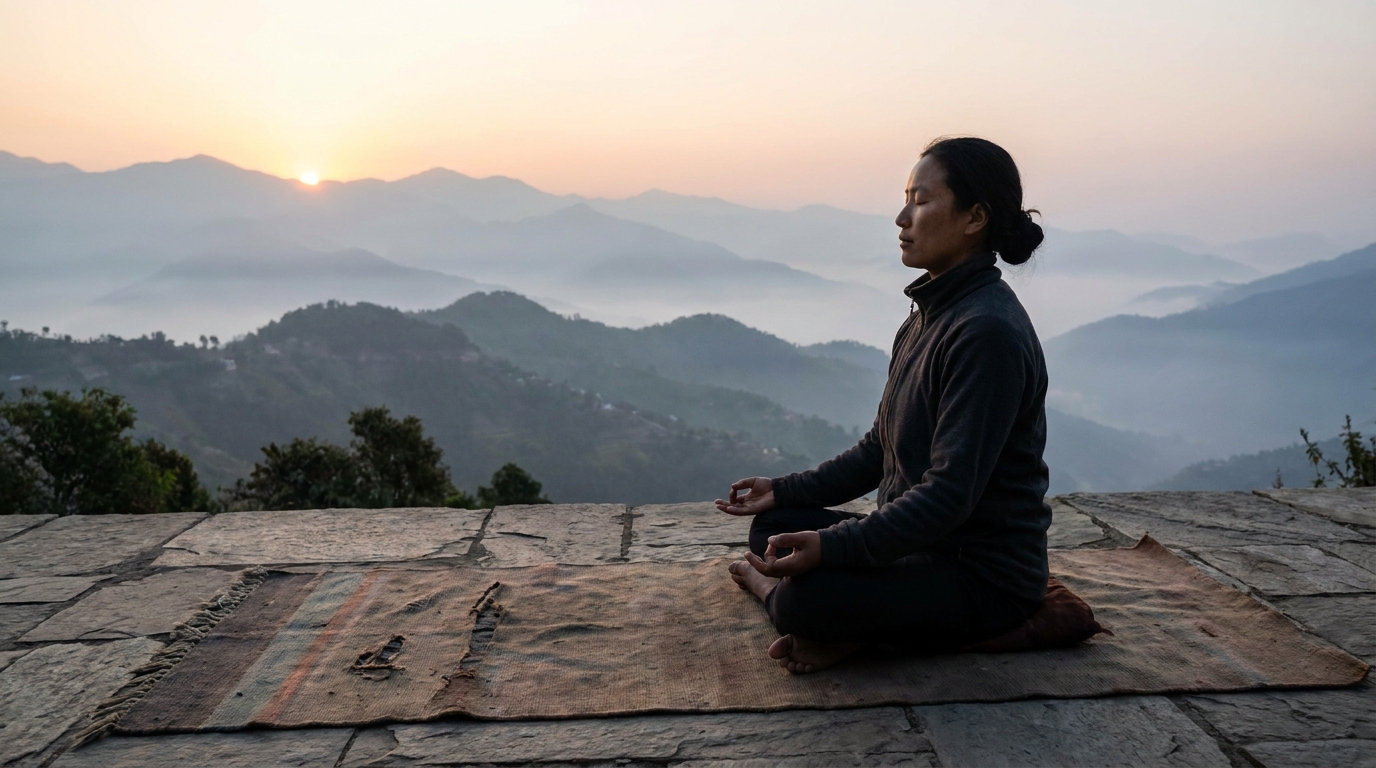
Raja Yoga becomes powerful when it moves from philosophy into practice. The eight limbs are not meant only for monks, sages, or people living in retreat. They are for daily life—family life, work life, community life, and private inner life.
Yama: Living with Integrity
Yama means ethical restraint or universal discipline. These principles guide how we relate to others and the world.
The five yamas are:
- Ahimsa — non-harming
- Satya — truthfulness
- Asteya — non-stealing
- Brahmacharya — wise use of energy
- Aparigraha — non-greed or non-possessiveness
Ahimsa, non-harming, is the foundation. It includes not only physical non-violence, but also kindness in speech, thought, and action. When we practice ahimsa, we become a safer presence for others and for ourselves.
Satya, truthfulness, asks us to live honestly, but not harshly. Truth should be joined with compassion. Before speaking, we can ask: Is it true? Is it kind? Is it helpful?
These teachings are deeply practical. Inner peace grows when our actions align with our conscience.
Niyama: Caring for the Inner Life
Niyama means personal observance. These practices help purify and strengthen our inner world.
The five niyamas are:
- Saucha — purity or cleanliness
- Santosha — contentment
- Tapas — disciplined effort
- Svadhyaya — self-study and sacred study
- Ishvara pranidhana — surrender to the Divine
Santosha, contentment, does not mean giving up growth. It means learning to be grateful while continuing to walk forward. Contentment softens the constant hunger of comparison.
Svadhyaya invites us to study both scripture and ourselves. We may read the Yoga Sutras, the Bhagavad Gita, or other sacred texts. We may also observe our patterns: What triggers fear? What opens love? What habits keep us bound?
Ishvara pranidhana means offering the fruits of our actions to the Divine. Ishvara can be understood as God, the Supreme Reality, or the sacred presence that guides life. This practice brings Raja Yoga close to bhakti. We act with sincerity, but surrender the results.
Asana: A Steady and Comfortable Seat
Today, many people associate yoga mainly with physical postures. In Raja Yoga, asana has a simple purpose: to prepare the body for meditation.
Patanjali says:
Sthira sukham asanam — “Posture should be steady and comfortable.”
— Yoga Sutras 2.46
Sthira means steady. Sukham means ease or comfort. This teaching is gentle and practical. We do not need to force the body into extreme shapes. We need a posture that supports calm awareness.
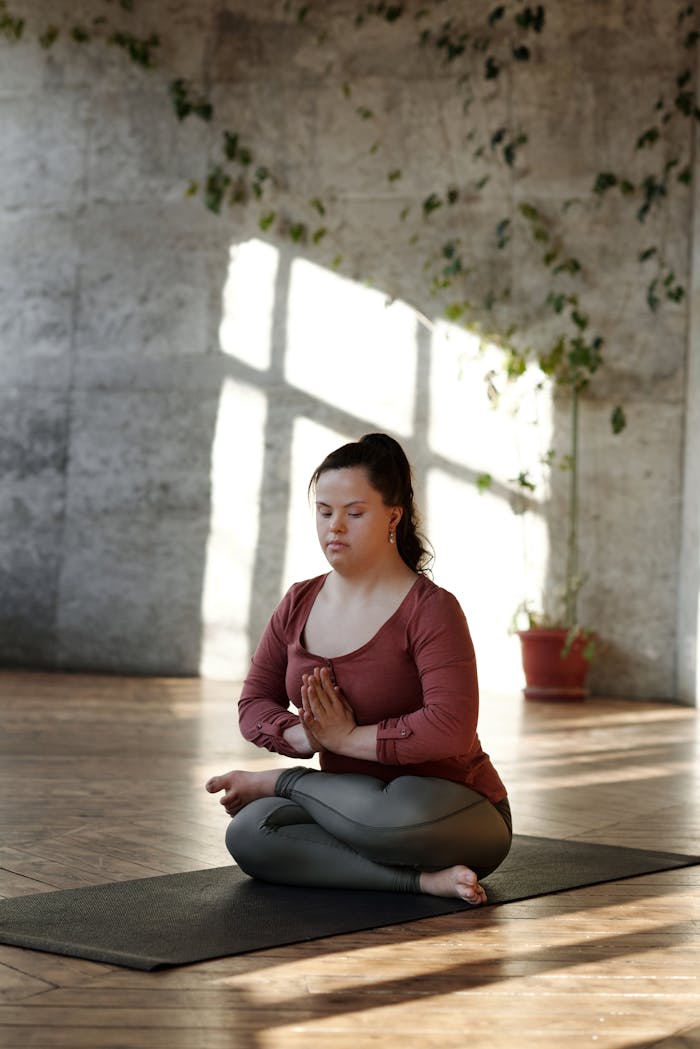
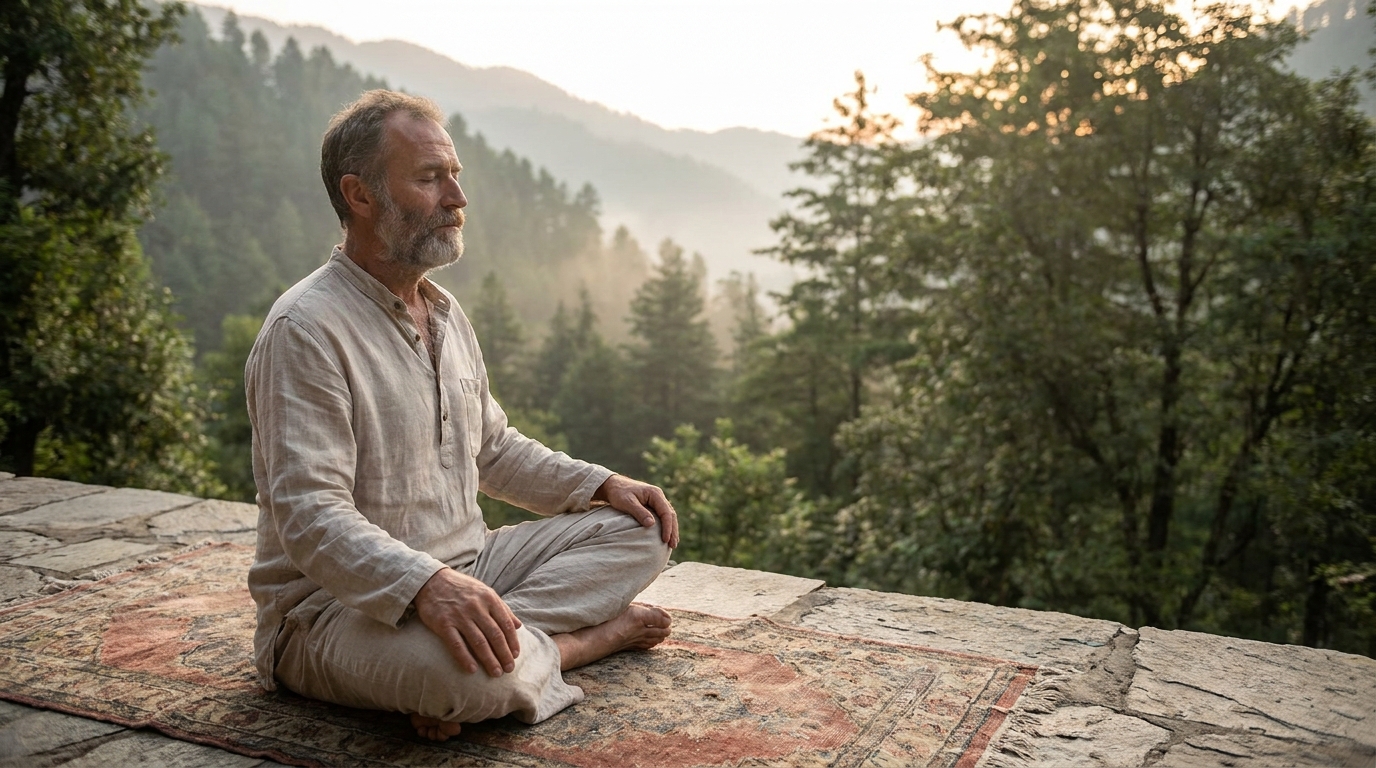
For meditation, you may sit on a chair, cushion, or mat. The spine can be upright but not rigid. The hands can rest on the thighs or in the lap. The body becomes a temple of stillness.
Pranayama: Calming the Mind Through Breath
Pranayama is the practice of regulating the breath. Prana means life force or vital energy. Ayama means expansion or regulation.
The breath is a bridge between body and mind. When the breath is hurried, the mind often feels hurried. When the breath becomes smooth, the nervous system receives a message of safety.
A simple Raja Yoga breathing practice is equal breathing:
- Inhale gently for a count of four.
- Exhale gently for a count of four.
- Continue for five to ten rounds.
- Keep the face, jaw, and shoulders relaxed.
This practice can be done before meditation, before sleep, or during a stressful moment. It is simple, but powerful.
Pratyahara: Turning Inward
Pratyahara means withdrawal of the senses. This does not mean rejecting the world. It means learning not to be constantly pulled outward by every sound, image, desire, or notification.
In daily life, pratyahara may look like:
- Sitting quietly without checking the phone
- Eating one meal mindfully
- Taking a walk without headphones
- Closing the eyes and listening inward
- Creating a sacred space for prayer or meditation
Pratyahara helps us reclaim attention. And attention is precious. What we give attention to shapes our inner life.
Dharana: Training Concentration
Dharana means concentration. It is the practice of gently placing the mind on one point.
This point may be:
- The breath
- A mantra
- A sacred name
- A candle flame
- The heart center
- A prayerful image
- A quality such as compassion or peace
In bhakti, one may repeat a divine name, such as Rama, Krishna, Jesus, Allah, Ma, or any sacred name that awakens love and reverence. Raja Yoga is not limited by outer labels. What matters is sincerity, steadiness, and purity of intention.
When the mind wanders, we do not scold it. We simply return. This returning is the practice.
Dhyana: Meditation as a Flow of Awareness
Dhyana means meditation. While dharana is placing the mind on one point, dhyana is the uninterrupted flow of attention toward that point.
At first, meditation may feel like many interruptions. A few seconds of quiet, then thought. A breath, then memory. A mantra, then planning.
This is natural.
Over time, the gaps between thoughts may widen. The heart may become softer. Awareness may feel more spacious. We may notice that we are not our thoughts. We are the witness of thoughts.
This witnessing awareness is a doorway to inner peace.
Samadhi: Union and Absorption
Samadhi is the deepest limb of Raja Yoga. It means absorption, integration, or union. In samadhi, the separation between meditator, meditation, and object of meditation becomes thin or dissolves.
For most of us, samadhi may sound distant. Yet we may taste small glimpses of it: a moment of deep prayer, a silent sunrise, a feeling of oneness while serving someone, or a meditation where time seems to disappear.
We do not need to chase samadhi. We prepare the heart and mind through steady practice. Grace does the rest.
Check out the latest yoga guides on yoga guides for helpful tips and advice.
How to Practice Raja Yoga for Inner Peace
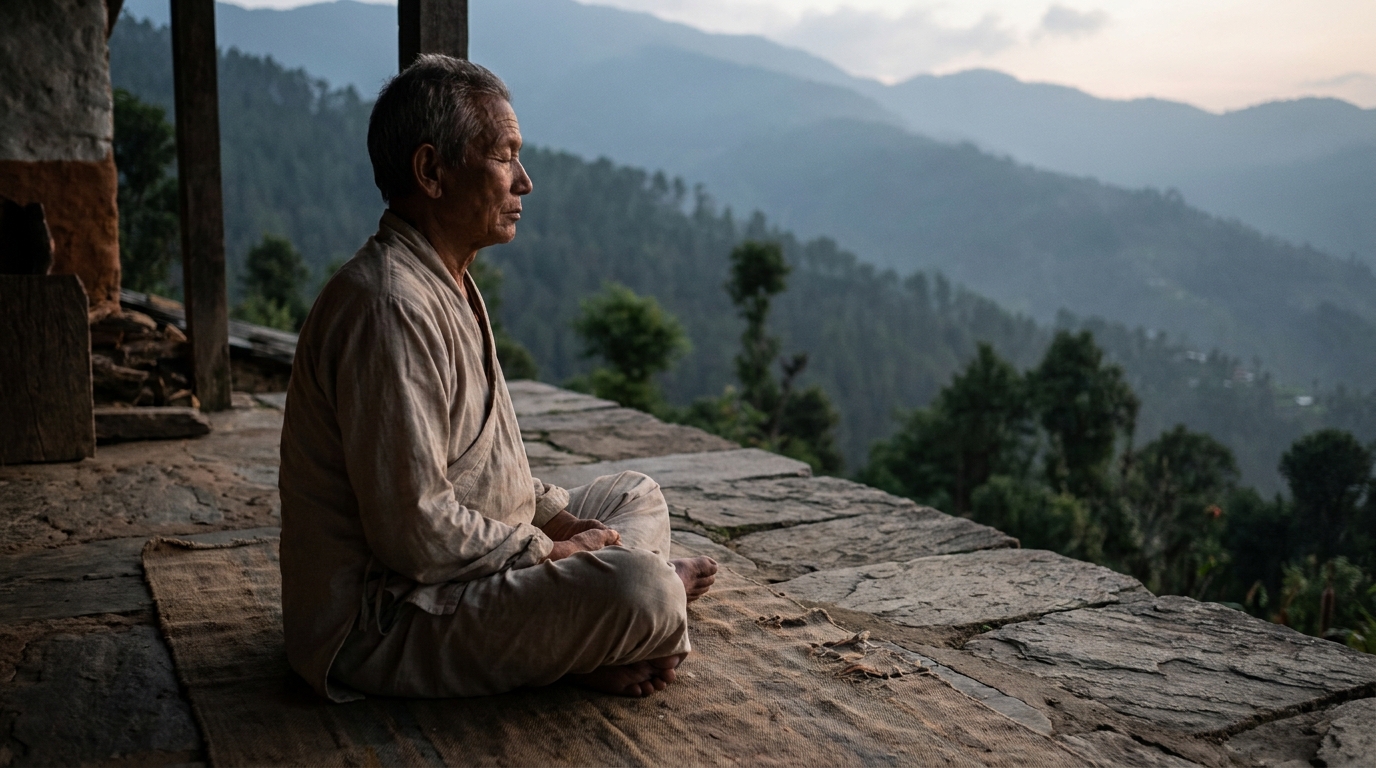
Raja Yoga becomes transformative when practiced consistently. A little practice each day is better than intense effort once in a while. The mind trusts rhythm. The heart opens through repetition.
Begin with a Sacred Intention
Before practice, pause and set an intention. In Sanskrit, intention may be called sankalpa. A sankalpa is a heartfelt resolve.
You might say:
“May this practice bring peace to my mind and kindness to my actions.”
Or:
“I offer this practice for the benefit of all beings.”
This simple act changes the atmosphere of practice. It reminds us that yoga is not self-improvement alone. It is self-offering.
Create a Simple Daily Meditation Practice
Here is a beginner-friendly Raja Yoga meditation:
- Sit comfortably with the spine upright.
- Let the hands rest softly.
- Close the eyes or lower the gaze.
- Take three slow breaths.
- Notice the natural flow of breathing.
- Choose a focus: breath, mantra, or prayer.
- When thoughts arise, acknowledge them gently.
- Return to your focus without judgment.
- Practice for 5 to 15 minutes.
- End with gratitude.
If using a mantra, choose something simple and sacred. Om is a traditional sound symbolizing the wholeness of reality. You may also use “peace,” “love,” “Lord,” “Guide me,” or a sacred name from your own tradition.
Practice Non-Judgment
One of the greatest obstacles in meditation is self-criticism. We may think, “I am doing this badly,” or “My mind should be quiet by now.”
But Raja Yoga teaches patience.
Every time you notice distraction and return to the breath or mantra, you are strengthening awareness. The moment of returning is not failure. It is success.
Think of training a puppy. If it wanders, we do not shout. We kindly bring it back. The mind, too, responds to patient guidance.
Bring Raja Yoga into Work and Relationships
Inner peace is tested and strengthened in daily life. Meditation on the cushion is important, but the fruit of practice appears in how we treat others.
At work, Raja Yoga may mean pausing before reacting to a difficult email.
In family life, it may mean listening fully before defending yourself.
In conflict, it may mean choosing truth without cruelty.
In service, it may mean helping without needing praise.
This is where yoga becomes real. The peaceful mind becomes a compassionate life.
Use Breath During Stress
When you feel overwhelmed, try this brief practice:
- Pause.
- Feel both feet on the ground.
- Inhale slowly.
- Exhale longer than you inhale.
- Repeat three times.
- Ask inwardly, “What is the most peaceful next step?”
A longer exhale helps calm the nervous system. Even a few conscious breaths can prevent reactive speech or action.
This is Raja Yoga in the middle of life.
How Else Can Raja Yoga Support Spiritual Growth?
Raja Yoga is often described as a meditative path, but it beautifully supports many forms of spiritual practice. It can deepen devotion, service, study, and ethical living.
Raja Yoga and Bhakti Yoga
Bhakti Yoga is the path of devotion and love for the Divine. Some people wonder if Raja Yoga and Bhakti Yoga are separate. In practice, they can support each other beautifully.
Raja Yoga steadies the mind so the heart can love more deeply.
Bhakti softens the heart so meditation does not become dry or prideful.
When we sit for meditation, we can offer the practice to God. When we chant or pray, we can use concentration from Raja Yoga. Together, they form a balanced path of stillness and sweetness.
The Bhagavad Gita honors this union. Sri Krishna teaches meditation, selfless action, wisdom, and devotion, showing that sincere paths can harmonize in the heart.
Raja Yoga and Karma Yoga
Karma Yoga is the yoga of selfless action. Karma means action. This path teaches us to serve without attachment to results.
Raja Yoga helps us notice the motives behind our actions. Are we serving from love, or from a desire to be seen? Are we acting from clarity, or from fear?
When the mind becomes quieter, action becomes purer.
The Bhagavad Gita says:
“You have the right to action, but not to the fruits of action.”
— Bhagavad Gita 2.47
This does not mean we stop caring. It means we do our best and release the outcome. This surrender protects inner peace.
Raja Yoga and Jnana Yoga
Jnana Yoga is the path of wisdom or self-inquiry. Jnana means knowledge, especially spiritual knowledge.
Raja Yoga supports jnana by calming the mind enough to inquire deeply:
Who am I beneath changing thoughts?
What remains when emotions rise and fall?
What is aware of this moment?
These questions are not merely intellectual. They become living contemplations. A quiet mind can receive deeper truth.
Raja Yoga for Emotional Healing
While Raja Yoga is a spiritual path, it can also support emotional healing. By observing the mind, we begin to see patterns clearly. We learn that thoughts are not always facts. Emotions are not enemies. Sensations can be felt without panic.
However, yoga practice is not a replacement for medical or mental health care. If you are experiencing trauma, severe anxiety, depression, or emotional distress, please seek support from qualified professionals. Raja Yoga can work alongside therapy, medicine, community, and spiritual care.
Humility means accepting help when needed.
Common Obstacles on the Path of Raja Yoga
Every sincere practitioner faces obstacles. Patanjali names several, including doubt, laziness, carelessness, restlessness, and lack of perseverance. These are not signs that we are unworthy. They are part of the human journey.
Restlessness
Restlessness may appear as constant thinking, fidgeting, or wanting to stop practice early.
Try shortening your meditation. Begin with five minutes. Practice at the same time each day. Include gentle movement or breathing before sitting.
Restlessness softens through rhythm.
Sleepiness
Some people become sleepy during meditation. This may mean the body needs rest. It may also mean the mind is withdrawing but not yet alert.
Try meditating earlier in the day, sitting with a straighter spine, or opening the eyes slightly. A few rounds of deeper breathing can help.
Peace is not dullness. True meditation is relaxed yet awake.
Doubt
Doubt may whisper, “Is this working?” or “Am I capable?”
When doubt comes, remember that inner growth is often subtle. You may not notice change during meditation, but you may notice more patience later. You may recover from anger faster. You may become kinder to yourself.
These are sacred signs of progress.
Spiritual Pride
Sometimes practice brings clarity, and the ego quietly claims ownership: “I am advanced. I am more spiritual than others.”
This is a delicate obstacle.
Bhakti protects us here. Devotion reminds us that all progress is grace. Whatever peace we receive is meant to be shared through humility, compassion, and service.
The more deeply we practice, the more gently we should walk.
A Simple Raja Yoga Routine for Beginners
A daily routine does not need to be complicated. The best practice is one you can actually sustain.
Morning Practice: 15 Minutes
Try this simple sequence:
- 1 minute: Sit quietly and set an intention
- 3 minutes: Gentle stretching or seated movement
- 3 minutes: Equal breathing
- 7 minutes: Meditation on breath or mantra
- 1 minute: Offer gratitude or prayer
This short practice can shape the whole day. It creates an inner center before the world’s demands arrive.
Midday Practice: 3 Conscious Breaths
Before lunch, a meeting, or a difficult conversation, pause for three breaths.
With each exhale, soften the body.
Silently repeat: “Peace begins here.”
This small act brings Raja Yoga into ordinary moments.
Evening Practice: Reflection and Release
Before sleep, take five minutes for svadhyaya, self-study.
Ask:
- Where did I act from peace today?
- Where did I react from fear or habit?
- What can I offer into grace?
- What am I grateful for?
Do not use reflection to punish yourself. Use it to learn. Then mentally offer the day to the Divine, or to the healing presence of life.
Let the heart rest.
The Deeper Promise of Raja Yoga
The power of Raja Yoga is not only stress reduction, though it can reduce stress. It is not only better focus, though focus may improve. Its deeper promise is freedom.
Freedom from being ruled by every thought.
Freedom from compulsive desire.
Freedom from the illusion that we are separate from the sacred.
Freedom to love more fully.
Inner Peace Becomes Outer Compassion
True inner peace is not withdrawal from the suffering of the world. It is the strength to meet the world with compassion.
When the mind is quiet, the heart can hear more clearly.
We become less interested in winning every argument and more interested in understanding. We become less driven by consumption and more drawn to simplicity. We become less afraid of silence and more available to love.
Raja Yoga helps us become instruments of peace.
The Practice Is the Path
It is easy to imagine that inner peace will arrive someday after years of perfect meditation. But the path itself is sacred.
Each breath taken consciously is peace.
Each kind word is peace.
Each moment of restraint is peace.
Each return to the mantra is peace.
Each act of surrender is peace.
The royal path is walked one humble step at a time.
Living Raja Yoga with Devotion and Humility
Raja Yoga invites us to sit still, breathe deeply, live ethically, study sincerely, and surrender lovingly. It is both disciplined and tender. It asks for effort, but not aggression. It asks for commitment, but not perfection.
If you are beginning, begin simply.
If you have wandered, return gently.
If your mind is restless, bring it back with compassion.
If your heart is heavy, offer that heaviness into the practice.
The Divine, by whatever name you know or do not know, is not far away. The sacred is present in the breath, in the quiet mind, in the longing for truth, in the tears of prayer, and in the simple wish to live with more love.
Raja Yoga helps us unlock inner peace not by escaping life, but by meeting life from the still center within.
May your practice be steady.
May your mind become clear.
May your heart remain humble.
May the peace you discover within become a blessing for all beings.
FAQs
What is Raja Yoga?
Raja Yoga, also known as the “royal path,” is a form of yoga that focuses on meditation and self-discipline. It is one of the six orthodox schools of Hindu philosophy and is outlined in the Yoga Sutras of Patanjali.
What are the key principles of Raja Yoga?
The key principles of Raja Yoga include ethical disciplines (yamas and niyamas), physical postures (asanas), breath control (pranayama), withdrawal of the senses (pratyahara), concentration (dharana), meditation (dhyana), and absorption (samadhi).
What are the benefits of practicing Raja Yoga?
Practicing Raja Yoga can lead to improved mental and physical well-being, increased self-awareness, enhanced concentration and focus, stress reduction, and a deeper sense of inner peace and tranquility.
How is Raja Yoga different from other forms of yoga?
Raja Yoga differs from other forms of yoga in its emphasis on meditation and self-discipline as the primary means to achieve spiritual enlightenment. While other forms of yoga may focus more on physical postures or breath control, Raja Yoga places greater emphasis on the mind and inner consciousness.
Is Raja Yoga suitable for beginners?
Raja Yoga can be practiced by beginners, but it requires dedication and commitment to the principles and practices outlined in the Yoga Sutras. It is recommended to seek guidance from an experienced teacher or instructor when starting out with Raja Yoga.