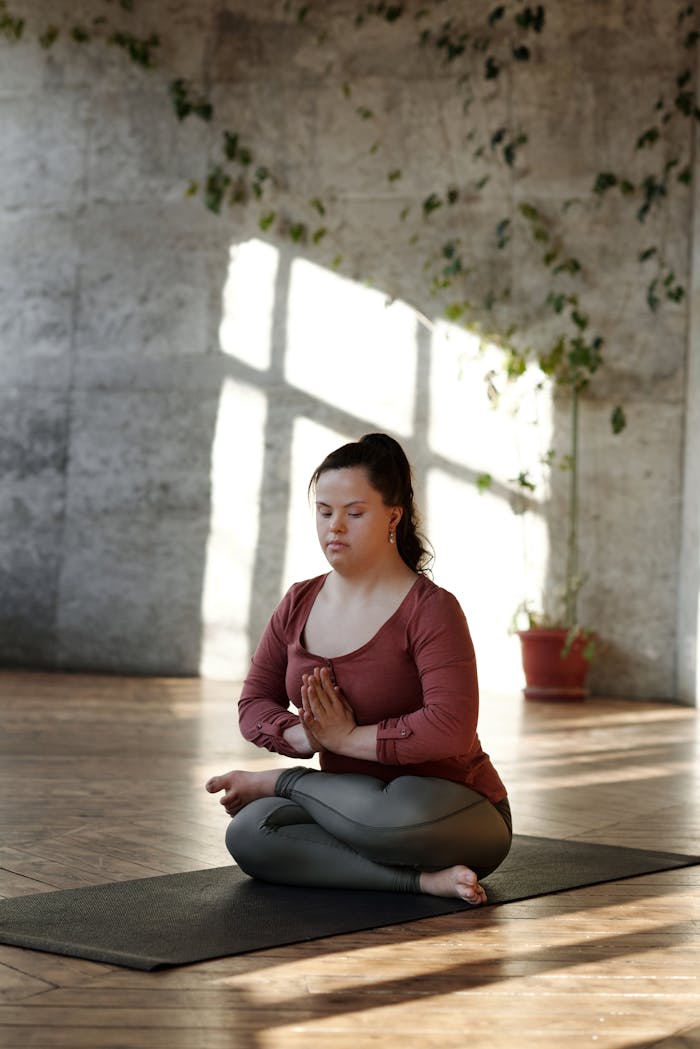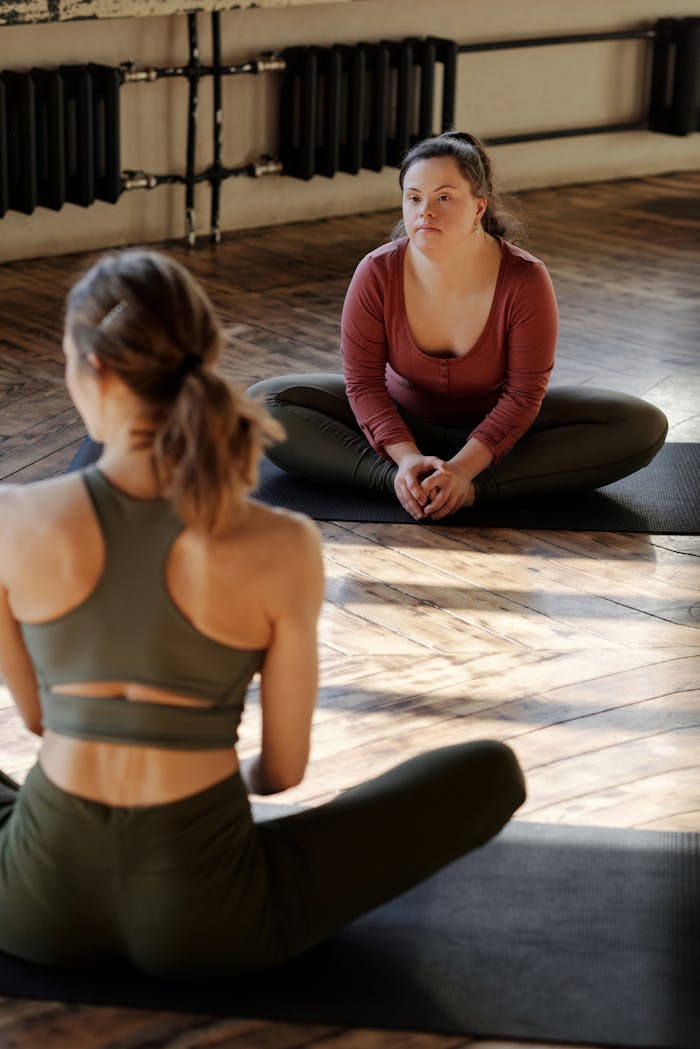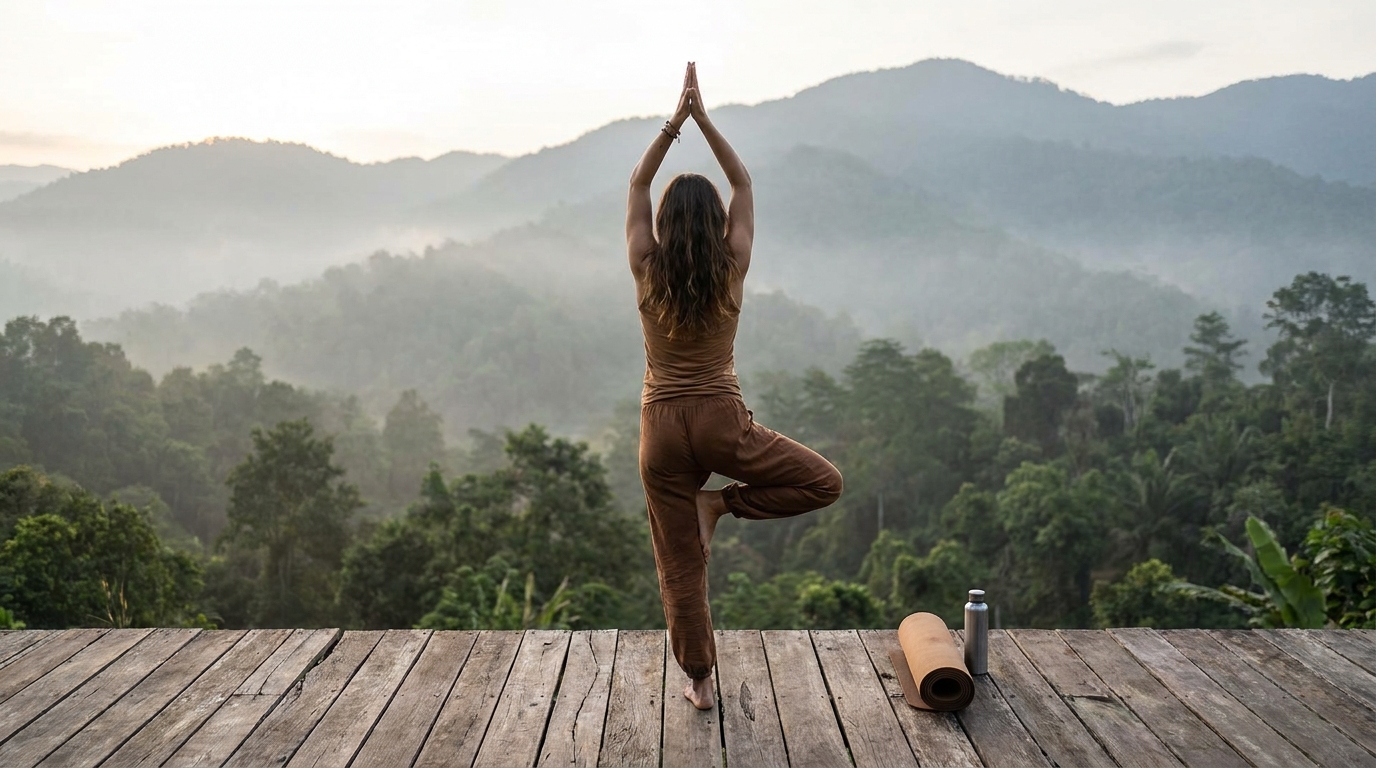
Whether you are new to yoga, returning after many years, or simply curious about a more peaceful way to care for your body and mind, you are welcome here.
Hatha Yoga is not only for the flexible, the strong, the spiritual, or the experienced. It is for human beings—people with busy lives, tired backs, restless thoughts, tender hearts, and sincere hopes. In the spirit of bhakti, the path of devotion, we approach yoga with humility, not performance. We practice not to prove anything, but to remember something sacred: the body can become a doorway to peace, the breath can become a prayer, and the mind can learn to rest.
The word Hatha is often explained as a union of ha and tha, symbolically representing the sun and moon, active and receptive energies within us. In simple terms, Hatha Yoga is a practical path that uses physical postures, breathing practices, relaxation, and mindful awareness to bring balance to body, mind, and heart.
Many modern yoga styles have roots in Hatha Yoga. When people search for the benefits of Hatha Yoga, they often hope for better flexibility, less stress, improved strength, and emotional balance. These are real and beautiful benefits. Yet Hatha Yoga also offers something deeper: a gentle way to live with more awareness, gratitude, and connection.
What Is Hatha Yoga?
A Practical Path of Balance
Hatha Yoga is a traditional form of yoga that emphasizes asana—physical postures, pranayama—breath regulation, and dhyana—meditation or steady awareness. These Sanskrit words may sound formal, but their meaning is simple and deeply practical.
Asana means a posture or seat. In the Yoga Sutras of Patanjali, a foundational yoga text, asana is described as sthira sukham asanam, meaning “a posture should be steady and comfortable.” This teaching reminds us that yoga is not about forcing the body into shapes. It is about finding steadiness, ease, and presence.
Pranayama comes from prana, meaning life energy or vital force, and ayama, meaning expansion or regulation. In everyday language, pranayama is conscious breathing. When we breathe slowly and attentively, the nervous system begins to soften, and the mind becomes clearer.
Dhyana means meditation. It is not always sitting in silence for a long time. It may begin with simply noticing the breath, feeling the feet on the ground, or observing thoughts without becoming lost in them.
Hatha Yoga brings these elements together so that we can become more balanced—not only during practice, but in daily life.
More Than Exercise
It is easy to see Hatha Yoga as a form of stretching or physical fitness. And yes, it can improve flexibility, strength, posture, and balance. But traditionally, the body is not treated as a machine to be shaped. It is honored as a sacred instrument.
The Hatha Yoga Pradipika, an important classical text on Hatha Yoga, presents Hatha practices as preparation for higher awareness. This does not mean we must become monks or scholars. It means that caring for the body and breath can help calm the mind, and a calm mind can help us live with more compassion and wisdom.
In bhakti, we might say that every movement can become an offering. Each inhalation can be received as grace. Each exhalation can become a letting go.
A Yoga for Real Life
Hatha Yoga is especially valuable because it is adaptable. A practice can be strong or gentle, long or short, traditional or modified for modern needs. You can practice in a studio, at home, in a chair, or beside your bed.
For a person with a demanding job, Hatha Yoga may become a way to release tension after a long day. For a parent, it may offer five minutes of quiet breathing before the household wakes. For an older adult, it may support mobility and confidence. For someone grieving, it may create a safe place to feel and heal.
The practice meets you where you are.
Why Practice Hatha Yoga?
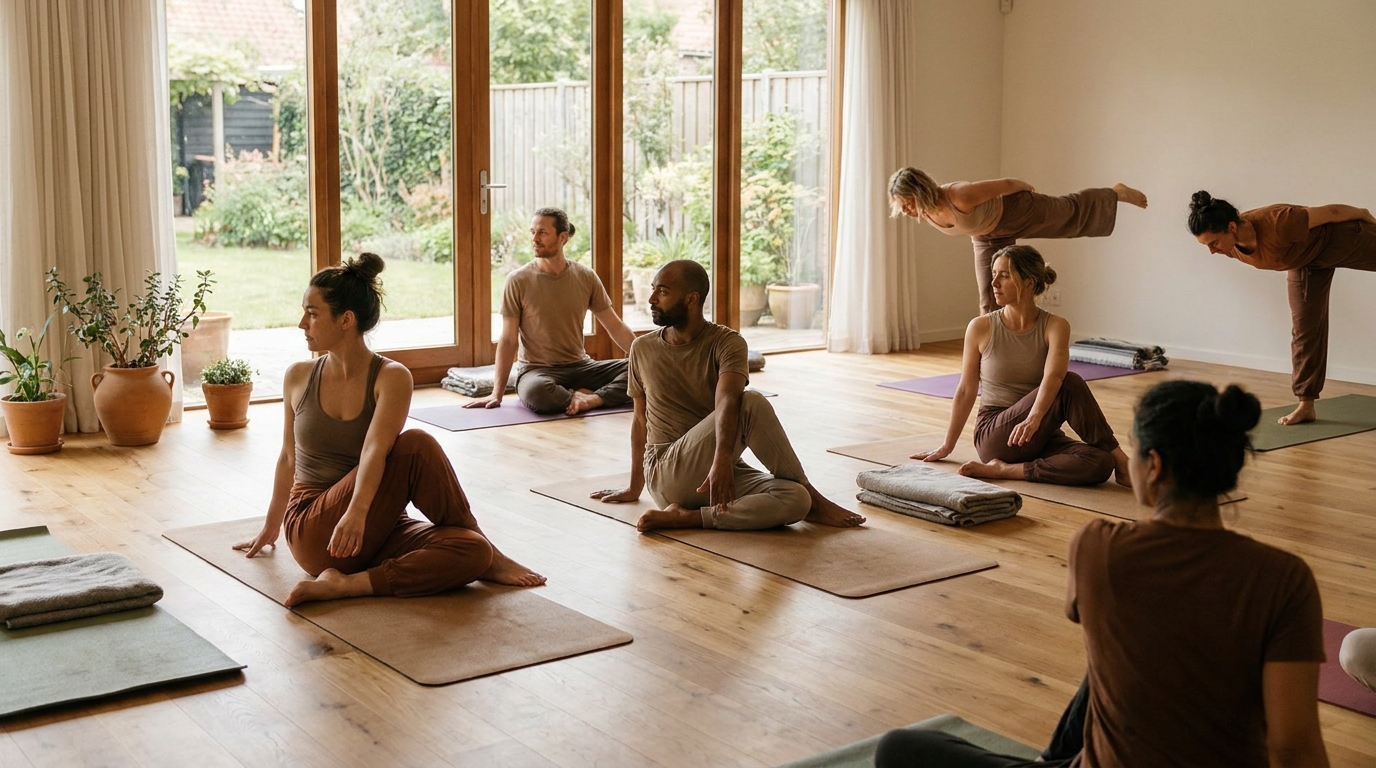
To Calm the Nervous System
One of the most beloved benefits of Hatha Yoga is stress relief. In our modern world, many people live in a constant state of hurry. The body may be sitting still, but the mind is running. The heart may be longing for rest, but the nervous system remains alert.
Hatha Yoga helps shift the body from a stress response toward relaxation. Slow movements, mindful breathing, and restful postures can support the parasympathetic nervous system, often called the “rest and digest” state.
This is not only a physical benefit. When the body feels safer, the mind becomes less reactive. We may speak more kindly, listen more deeply, and respond to life with greater patience.
To Build Strength with Gentleness
Hatha Yoga can strengthen the body in a balanced way. Standing poses such as Virabhadrasana—Warrior Pose—build strength in the legs and core. Gentle backbends can awaken the spine. Simple balancing poses train stability and focus.
But Hatha Yoga teaches strength without aggression. We learn to engage without hardening, to challenge ourselves without self-punishment. This is a humble kind of strength—the strength to remain present, the strength to breathe through discomfort, and the strength to rest when rest is needed.
In devotional language, strength becomes service. A strong body can help us serve our families, communities, and life’s responsibilities with more steadiness.
To Increase Flexibility and Mobility
Many people begin Hatha Yoga hoping to become more flexible. Over time, regular practice can lengthen tight muscles, improve joint mobility, and reduce stiffness.
But flexibility is not only physical. As the hamstrings soften and the shoulders release, we may also notice inner changes. We become more patient with gradual progress. We become less attached to perfection. We learn that transformation often happens slowly, like a flower opening in the morning light.
Yoga invites us to honor the body we have today, not the one we think we should have.
To Improve Posture and Body Awareness
Hatha Yoga encourages us to notice how we stand, sit, breathe, and move. Many aches and pains are connected to unconscious habits: rounded shoulders, a collapsed chest, a tense jaw, or shallow breathing.
Through practice, we develop svadhyaya, a Sanskrit word meaning self-study. This is one of the niyamas, or personal observances, described in the Yoga Sutras. Self-study is not harsh self-analysis. It is loving awareness.
We begin to notice: “I hold stress in my neck.” “I stop breathing when I feel anxious.” “I rush even when there is no need.” With this awareness, we can choose differently.
To Support Emotional Balance
The body often carries emotions. Fear may tighten the belly. Sadness may weigh on the chest. Anger may heat the face and hands. Hatha Yoga gives us a compassionate way to be with these experiences.
Rather than escaping emotions, we learn to breathe with them. A forward fold may feel soothing. A heart-opening posture may invite courage. A long relaxation may allow tears to come and pass.
In the Bhagavad Gita, Sri Krishna teaches the value of balance: being steady in pleasure and pain, success and difficulty. Hatha Yoga helps us practice this steadiness in a physical, accessible way. We meet sensation, breathe, observe, and remain present.
Check out the latest yoga guides on yoga guides for helpful tips and advice.
The Key Benefits of Hatha Yoga
Physical Benefits
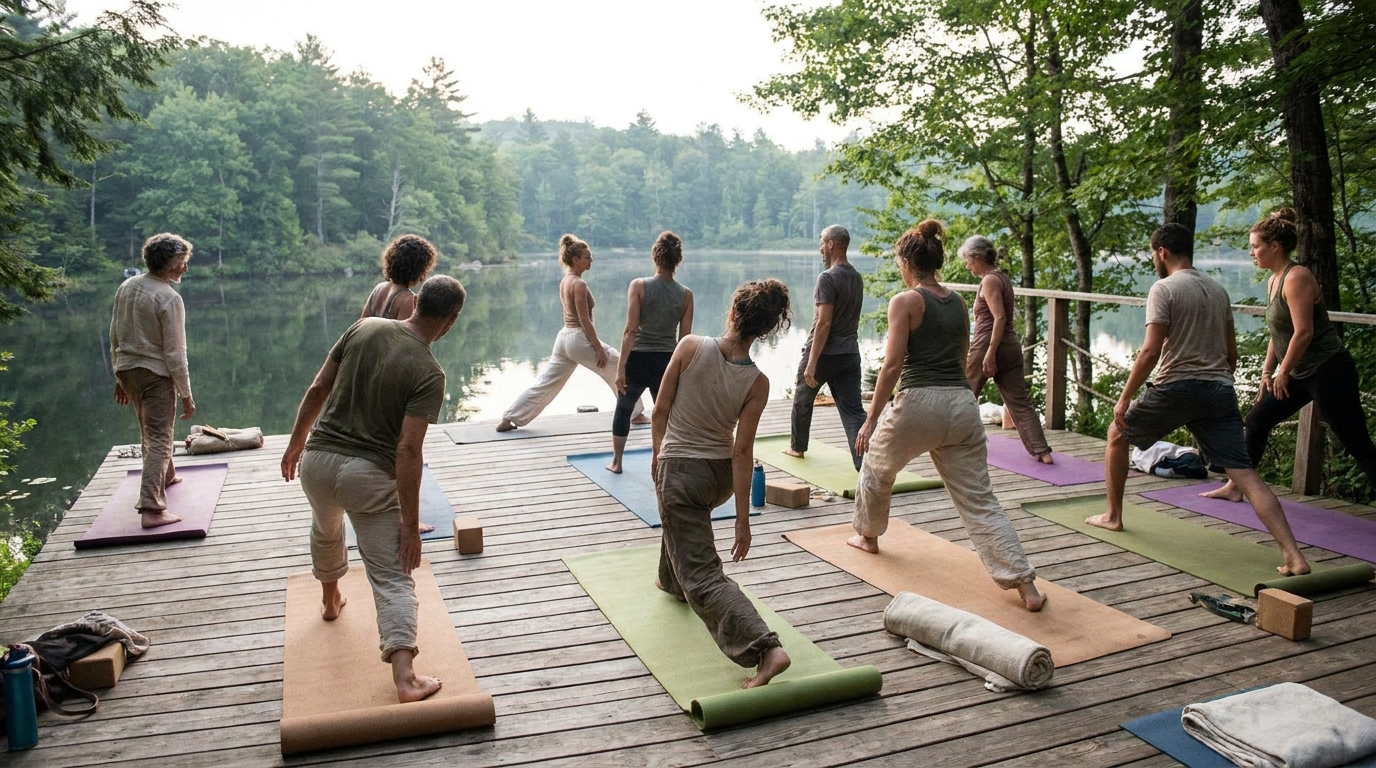
Hatha Yoga offers many physical benefits when practiced regularly and safely. These may include:
- Greater flexibility
- Improved muscle strength
- Better posture
- Enhanced balance and coordination
- Reduced tension in the neck, shoulders, and back
- Improved breathing capacity
- Greater body awareness
- Support for healthy circulation
- Better relaxation and sleep quality
These benefits do not usually arrive all at once. Yoga is not a quick fix. It is a relationship. The more consistently and kindly we show up, the more the body begins to trust the practice.
Even ten to twenty minutes a day can make a meaningful difference.
Mental Benefits
Hatha Yoga can help quiet mental restlessness. By focusing on movement and breath, we train the mind to stay with the present moment.
This is important because much of our suffering comes from living in the past or future. We replay old conversations. We worry about what may happen. We compare ourselves to others.
During Hatha Yoga, the instruction may be simple: inhale, lift the arms; exhale, fold forward. Yet this simplicity is powerful. The mind is given a sacred task. It returns again and again to the body, the breath, the now.
Over time, this can support concentration, emotional regulation, and inner clarity.
Spiritual Benefits
For those who are spiritually inclined, Hatha Yoga can become a devotional practice. It does not require belief in a specific religion. Yoga welcomes sincere seekers of all backgrounds.
Spirituality in Hatha Yoga may mean feeling connected to life. It may mean sensing gratitude for the breath. It may mean offering your practice to God, the Divine, the highest truth, your loved ones, or the healing of the world.
In bhakti, devotion is not limited to temples or sacred songs. Devotion can be present in how we place our feet on the mat, how we treat our body, how we bow our head, and how we rise again.
A simple prayer before practice might be: “May this practice help me become more peaceful, loving, and useful.”
Lifestyle Benefits
The benefits of Hatha Yoga often extend beyond the mat. With regular practice, many people naturally become more mindful of daily habits. They may sleep earlier, eat with more awareness, speak with more care, or pause before reacting.
This is one of yoga’s quiet miracles. It begins with posture and breath, but it gradually touches the whole life.
A person may come to yoga for back pain and discover patience. Another may come for stress relief and discover forgiveness. Someone else may come for fitness and discover devotion.
Yoga gives what we are ready to receive.
How to Begin a Hatha Yoga Practice
Start with Humility and Curiosity
The best way to begin Hatha Yoga is with a humble heart. You do not need to be flexible. You do not need special clothing. You do not need to understand Sanskrit or know the philosophy.
Begin as you are.
Let the first intention be simple: “I am here to listen.” Listen to the body. Listen to the breath. Listen to the quiet wisdom that may have been covered by noise and busyness.
If you are dealing with injury, pregnancy, chronic illness, or serious pain, it is wise to consult a qualified healthcare provider and practice with an experienced teacher.
Create a Simple Practice Space
Your practice space does not need to be perfect. A clean corner, a yoga mat, a folded blanket, and a few minutes of privacy are enough.
You may choose to light a candle, place a flower nearby, or keep a sacred image if that supports your devotion. But these are not required. The true sacred space is created by attention.
Before you begin, take a moment to pause. Place one hand on the heart and one hand on the belly. Feel the breath moving. Offer gratitude for this body, even if it feels tired or imperfect.
Practice Foundational Hatha Yoga Poses
A beginner-friendly Hatha Yoga sequence may include simple, steady postures. Move slowly and breathe comfortably.
Mountain Pose — Tadasana
Tadasana means Mountain Pose. Stand with feet grounded, spine tall, shoulders relaxed. Feel the earth supporting you.
This posture teaches presence. Like a mountain, you practice being steady without being rigid.
Cat-Cow Pose — Marjaryasana and Bitilasana
Come to hands and knees. Inhale as you gently arch the spine and lift the chest. Exhale as you round the spine and soften the head.
This movement warms the spine and connects breath with motion. It is especially helpful for releasing back tension.
Child’s Pose — Balasana
Balasana means Child’s Pose. Kneel and fold forward, resting the forehead toward the mat or a support.
This is a posture of surrender. It reminds us that rest is not weakness. In bhakti, bowing can become an act of trust.
Downward-Facing Dog — Adho Mukha Svanasana
This pose stretches the back body and strengthens the arms and legs. Keep the knees bent if needed. Let the spine lengthen.
Do not worry about placing the heels on the floor. The purpose is not appearance, but awareness.
Warrior II — Virabhadrasana II
Step the feet wide, bend the front knee, and extend the arms. Gaze softly over the front hand.
This posture builds strength and courage. Breathe steadily. Let the face remain soft.
Seated Forward Fold — Paschimottanasana
Sit with legs extended or slightly bent. Fold forward gently from the hips.
This posture invites introspection. Avoid pulling or forcing. Let each exhale soften the body.
Corpse Pose — Savasana
Savasana means Corpse Pose. Lie on your back and rest completely.
This is one of the most important postures in Hatha Yoga. It teaches the art of letting go. The body rests, the breath becomes natural, and the mind receives the fruits of practice.
Include Simple Breathing Practices
Breath is central to Hatha Yoga. A simple beginner practice is equal breathing.
Sit comfortably. Inhale for a count of four. Exhale for a count of four. Continue for several rounds. If four counts feels difficult, use three. Let the breath be smooth and gentle.
Another calming practice is lengthened exhalation. Inhale for four counts and exhale for six counts. This can help settle the nervous system.
Never strain the breath. Pranayama should feel steady, not forced.
End with Gratitude
At the end of practice, sit quietly for a moment. Notice how you feel. Perhaps there is more ease in the body or more space in the mind.
Bring the palms together at the heart if you wish. This gesture is often called Anjali Mudra, a hand position of reverence. You might say inwardly, “Thank you.”
Gratitude seals the practice. It reminds us that yoga is not something we conquer. It is a gift we receive and return to.
How Hatha Yoga Supports Daily Life
In the Morning
A morning Hatha Yoga practice can awaken the body and set a peaceful tone for the day. Even five minutes can help.
Try gentle stretches, a few rounds of Cat-Cow, Mountain Pose, and three slow breaths with your hands on your heart. Before touching your phone or rushing into tasks, let your first conversation be with your breath.
This simple choice can change the quality of the whole day.
During Work or Study
Many people sit for long hours, which can lead to stiffness and fatigue. Hatha Yoga can be woven into work life through small pauses.
Stand up and practice Mountain Pose. Roll the shoulders. Stretch the arms overhead. Take five slow breaths. Relax the jaw and eyes.
These micro-practices are small but powerful. They bring awareness back into the body and prevent stress from accumulating.
In Times of Stress
When emotions rise, the breath often becomes shallow. Hatha Yoga teaches us to return to the breath as an anchor.
If you feel overwhelmed, try this:
Sit or stand comfortably. Place both feet on the ground. Inhale gently through the nose. Exhale slowly through the nose or mouth. Repeat ten times.
You may also fold into Child’s Pose or lie down with one hand on the heart and one on the abdomen.
The practice whispers, “You are here. You are breathing. This moment can be met.”
Before Sleep
A gentle evening Hatha Yoga routine can prepare the body for rest. Choose calming postures such as forward folds, gentle twists, legs up the wall, and Savasana.
Avoid strong or stimulating practices late at night if they make you feel alert. Let the evening practice be soft, devotional, and quiet.
You might end with a simple reflection: “What can I release from today? What am I grateful for?”
In this way, sleep becomes not an escape, but a surrender.
Hatha Yoga and the Wisdom of Scripture
The Yoga Sutras: Steadiness and Ease
The Yoga Sutras of Patanjali offer profound guidance for practice. The teaching sthira sukham asanam reminds us that a posture should be steady and comfortable.
This is a practical instruction for every student. If a pose is unstable or painful, we soften or modify. If the mind is restless, we return to the breath. If pride arises, we bow inwardly and remember that yoga is not performance.
Steadiness without ease becomes tension. Ease without steadiness becomes dullness. Hatha Yoga teaches both.
The Bhagavad Gita: Yoga as Balance
In the Bhagavad Gita, yoga is described as skill in action and evenness of mind. This means yoga is not limited to the mat. It is how we act, serve, speak, choose, and respond.
Hatha Yoga trains this balance through the body. In a challenging pose, we learn to remain calm. In a restful pose, we learn to remain aware. In discomfort, we practice patience. In progress, we practice humility.
This is yoga entering life.
The Hatha Yoga Pradipika: Practice with Purpose
The Hatha Yoga Pradipika teaches that Hatha Yoga practices can purify and prepare the practitioner for deeper states of meditation. While some traditional practices are advanced and should be learned with proper guidance, the heart of the teaching is relevant for everyone: the body, breath, and mind are connected.
When the body is tense, the breath often becomes tense. When the breath is calm, the mind often becomes calm. Hatha Yoga works with this sacred relationship.
In simple terms, we begin with what we can touch—the body and breath—and gradually discover the subtler layers of our being.
Common Questions About Hatha Yoga
Is Hatha Yoga Good for Beginners?
Yes, Hatha Yoga is often excellent for beginners because it is usually slower-paced than some modern flowing styles. Students have time to learn alignment, breathe, and understand each posture.
However, classes vary. Some Hatha Yoga classes are very gentle, while others may be more physically demanding. If you are new, look for beginner-friendly, gentle, or foundational classes.
Do I Need to Be Flexible?
No. Flexibility is not a requirement for yoga. It is one possible result of practice.
Saying “I’m not flexible enough for yoga” is like saying “I’m too hungry to eat.” Yoga is precisely for the places that feel tight, tired, or disconnected.
Come as you are. Use props. Bend the knees. Rest when needed. Your practice is valid.
How Often Should I Practice?
Consistency matters more than intensity. Practicing fifteen minutes most days may be more beneficial than practicing once a week for two hours.
A simple rhythm could be:
- 10 minutes in the morning
- 20–30 minutes three times per week
- One longer class weekly
- Short breathing practices during stressful moments
Let your practice be sustainable. Yoga should support your life, not become another source of pressure.
Can Hatha Yoga Help with Anxiety?
Hatha Yoga may help many people manage anxiety by calming the nervous system, improving breath awareness, and creating a sense of grounded presence. Gentle movement and slow breathing can reduce physical tension and support emotional regulation.
That said, yoga is not a replacement for professional mental health care when it is needed. It can be a beautiful companion to therapy, medical care, spiritual support, and community.
What Should I Wear or Bring?
Wear comfortable clothing that allows easy movement. A yoga mat is helpful, but you can begin with a non-slip surface. Props such as blocks, blankets, straps, or cushions can make the practice more accessible.
Most importantly, bring patience. Bring sincerity. Bring the willingness to begin again.
How Else Can You Deepen Your Hatha Yoga Practice?
Practice with Devotion
To deepen Hatha Yoga, allow devotion to enter. This does not have to be dramatic. It may be as simple as practicing with gratitude.
Before practice, dedicate your effort. You might offer it to peace, healing, God, your teacher, your family, or all beings.
This transforms yoga from self-improvement into self-offering. The practice becomes less about “What can I get?” and more about “How can I become more loving, steady, and awake?”
Learn from a Qualified Teacher
Books, videos, and articles are helpful, but a skilled teacher can offer guidance that is personal and safe. A teacher can help you modify poses, understand breath practices, and avoid unnecessary strain.
In yoga tradition, learning is often passed from teacher to student with respect and care. This relationship is not about blind obedience. It is about humility, inquiry, and sincere practice.
Choose teachers who honor the roots of yoga, respect your body, and encourage self-awareness rather than competition.
Use Props as Friends
Props are not signs of weakness. They are tools of wisdom.
A block can bring the floor closer. A blanket can protect the knees. A strap can support tight shoulders or hamstrings. A bolster can help the body relax deeply.
Using props allows the nervous system to feel safe. And when the body feels safe, the breath can soften.
Keep a Yoga Journal
Writing after practice can deepen self-study. You may note:
- What did I feel in my body today?
- How was my breath?
- What emotions appeared?
- What helped me feel grounded?
- What am I grateful for?
Over time, a journal reveals patterns. You may see how practice affects sleep, mood, energy, and relationships.
This is svadhyaya, self-study, in a practical form.
Combine Hatha Yoga with Meditation and Mantra
A few minutes of meditation after Hatha Yoga can be especially powerful because the body is prepared and the mind is calmer.
You may sit quietly and observe the breath. Or you may repeat a mantra, a sacred sound or phrase. One simple universal mantra is “Om,” often understood as a sound representing wholeness or divine presence.
If mantra is not part of your path, you can repeat a meaningful word such as “peace,” “thank you,” or “I am here.”
The purpose is to gather the mind and soften the heart.
Bringing Hatha Yoga into the Heart of Life
The Mat Is a Training Ground
The yoga mat is not separate from life. It is a small training ground where we learn how to meet reality.
When a pose is difficult, we notice how we respond. Do we force? Do we give up? Do we compare? Do we breathe?
These same patterns appear in relationships, work, parenting, aging, and spiritual life. Hatha Yoga helps us see them with compassion. Then, little by little, we can choose a wiser way.
Progress Is Not Always Visible
In modern culture, progress is often measured by appearance. Can you touch your toes? Hold a handstand? Twist deeply?
But in true yoga, progress may look like being kinder to yourself. It may look like pausing before speaking harshly. It may look like resting without guilt. It may look like forgiving your body.
The deepest benefits of Hatha Yoga are not always visible in photos. They are felt in the quality of your presence.
A Simple Home Practice to Try
Here is a gentle 20-minute Hatha Yoga practice:
- Sit quietly and breathe for 2 minutes.
- Practice Cat-Cow for 1–2 minutes.
- Rest in Child’s Pose for 1 minute.
- Move into Downward-Facing Dog for 5 breaths.
- Stand in Mountain Pose for 5 breaths.
- Practice Warrior II on each side for 5 breaths.
- Sit and take a gentle forward fold for 1–2 minutes.
- Lie down and practice a gentle twist on each side.
- Rest in Savasana for 5 minutes.
- Sit, offer gratitude, and close with one peaceful breath.
Move slowly. Modify freely. Let the breath guide you.
The Quiet Gift of Hatha Yoga
Hatha Yoga offers many benefits: flexibility, strength, posture, stress relief, better breathing, improved focus, and emotional balance. These are worthy reasons to practice.
But perhaps the greatest gift is more subtle. Hatha Yoga teaches us to return—to the breath, to the body, to the present moment, to humility, to the sacredness of life.
You do not need to master yoga to receive its blessings. You only need to begin, and begin again.
May your practice be steady and gentle.
May your body become a place of friendship.
May your breath become a bridge to peace.
May your heart remember that every sincere step on the path is already sacred.
FAQs
What is Hatha Yoga?
Hatha Yoga is a branch of yoga that focuses on physical postures, breathing techniques, and meditation. It aims to balance the body and mind through a series of asanas (postures) and pranayama (breathing exercises).
What are the benefits of practicing Hatha Yoga?
Practicing Hatha Yoga can improve flexibility, strength, and balance. It also helps reduce stress, increase relaxation, and promote overall well-being. Additionally, it can improve concentration and mental clarity.
Is Hatha Yoga suitable for beginners?
Yes, Hatha Yoga is suitable for beginners as it provides a gentle introduction to the most basic yoga postures and breathing techniques. It is a great starting point for those new to yoga and can be adapted to different fitness levels.
What should I expect in a Hatha Yoga class?
In a Hatha Yoga class, you can expect a combination of physical postures, breathing exercises, and relaxation techniques. The class may include a variety of asanas, such as standing, seated, and balancing poses, as well as guided breathing and meditation practices.
Are there any specific requirements for practicing Hatha Yoga?
No specific requirements are needed to practice Hatha Yoga. It is suitable for people of all ages and fitness levels. However, it is recommended to wear comfortable clothing and bring a yoga mat to the class. It is also advisable to inform the instructor of any medical conditions or injuries before starting the practice.