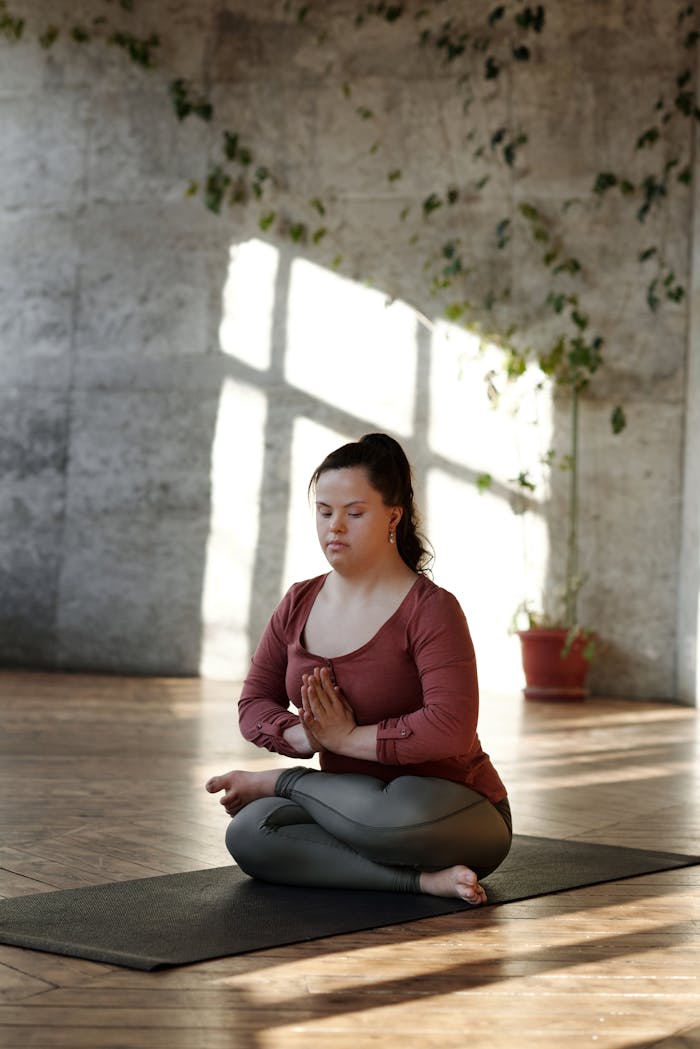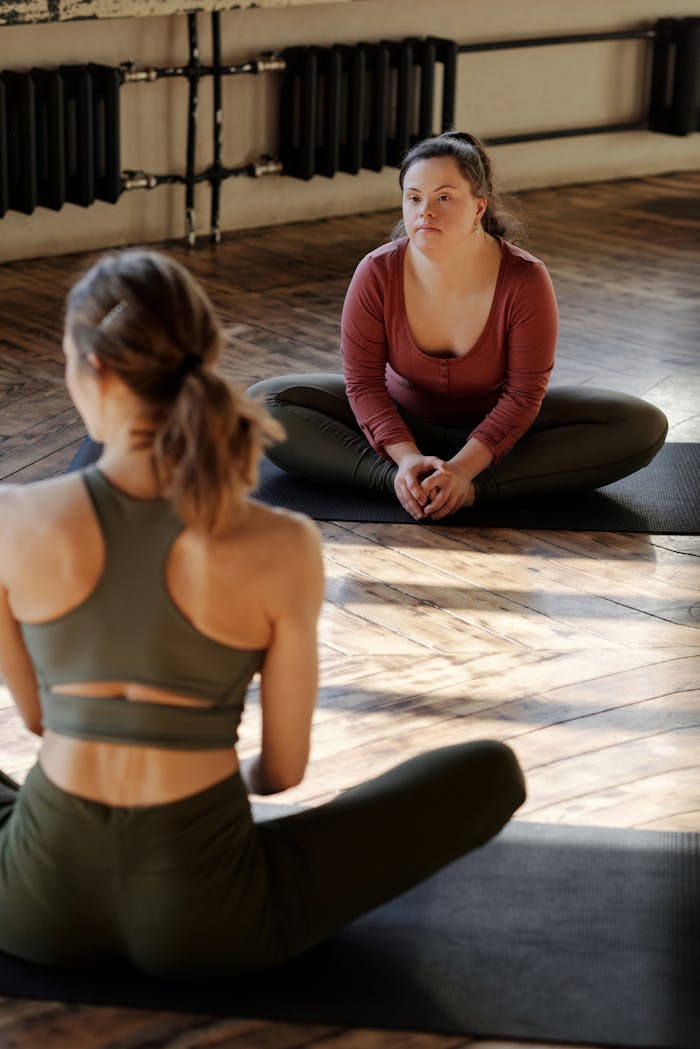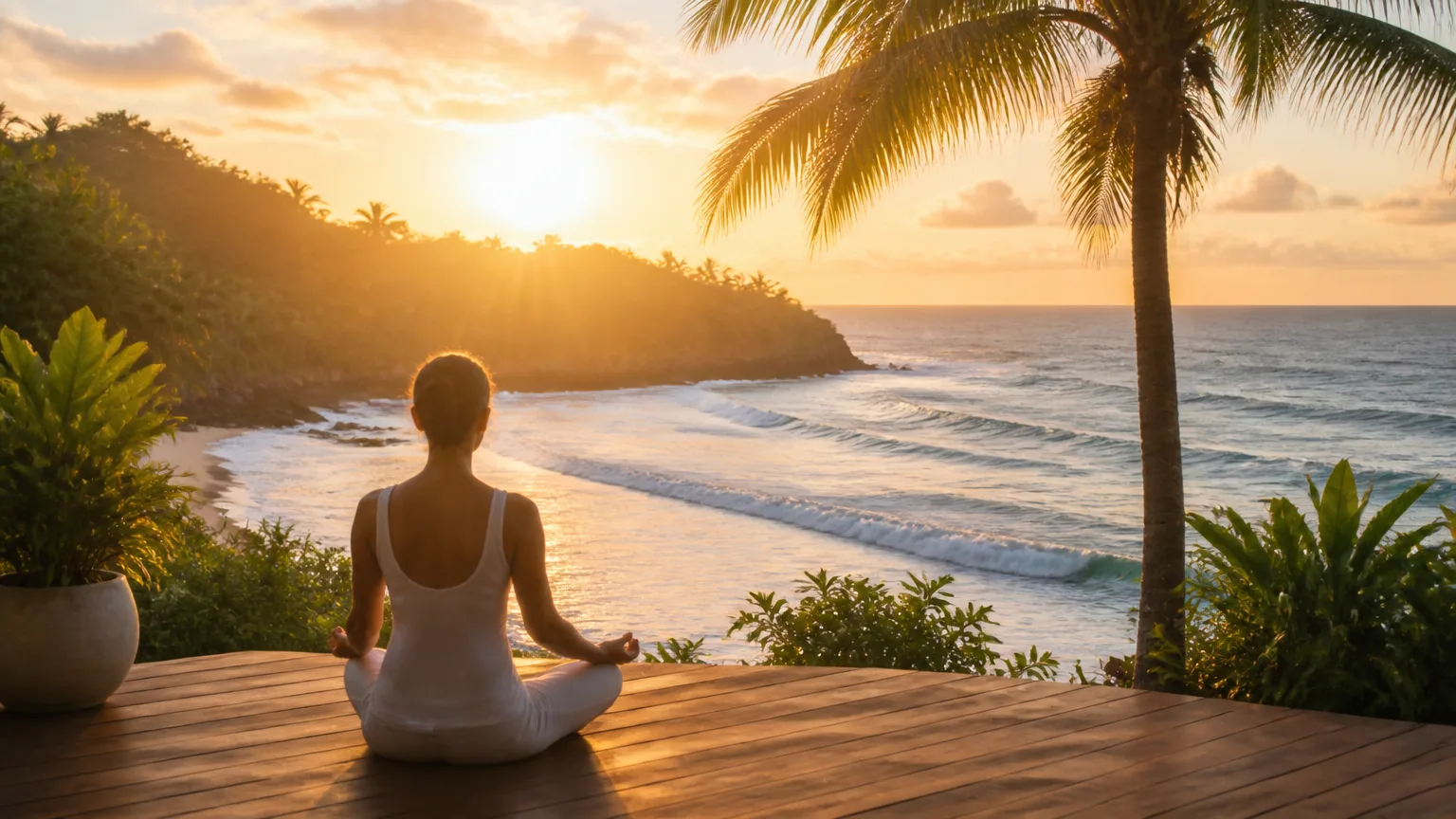
A yoga retreat Puerto Rico experience can bring together mindful movement, tropical nature, and restorative downtime. With ocean breezes, lush landscapes, and vibrant local culture, the island offers space to pause, reconnect, and listen inward. Yet the right retreat is not always the most luxurious or intensive. It is the one that supports your personal definition of balance and well-being.
Before choosing, consider what you hope to receive from the experience. Are you seeking stress relief, deeper practice, spiritual reflection, or a gentle reset? This kind of self-inquiry connects with jnana yoga and self-inquiry, which encourages thoughtful questions and inner awareness.
Your answers can guide practical decisions, from location and daily schedule to teaching style and retreat purpose. Accommodations, included meals or activities, group size, budget, and travel logistics matter, too. A secluded rainforest stay may suit someone craving quiet, while a coastal retreat with excursions may feel more energizing.
As you explore your options, look for an experience that meets you where you are. The goal is not to follow someone else’s version of wellness, but to choose a setting that helps you feel supported, present, and renewed.
Start With the Kind of Transformation You Want
Before comparing locations, schedules, or prices, consider what you hope to receive from your experience. A realistic intention might be sleeping better, reconnecting with your body, reducing stress, or building a consistent practice. Your retreat does not need to solve every challenge at once.
Different formats support different needs. A restorative retreat may emphasize gentle movement, supported poses, and deep rest. A fitness-focused retreat could include vigorous vinyasa, strength work, and longer daily practices. Meditation-centered programs may offer seated practice, mindfulness guidance, and periods of silence.
You might also feel drawn to a spiritual retreat with reflection, chanting, or philosophical study. Detox-oriented experiences often focus on nourishing meals, breathwork, and lifestyle habits. If you feel energized by movement and discovery, an adventure-integrated retreat may combine yoga with hiking, surfing, or time in nature.
As you research a yoga retreat Puerto Rico travelers can genuinely enjoy, read beyond phrases such as “transformative,” “holistic,” or “wellness-focused.” These descriptions can sound appealing while offering few practical details. Look for the class styles, meditation instruction, workshops, breathwork sessions, and daily rhythm.
Free time matters, too. A full schedule may feel motivating for one person and overwhelming for another. Notice whether the itinerary leaves room for naps, journaling, swimming, or quiet time. Choosing an experience that matches your current energy and intention can make the retreat feel supportive rather than demanding.
Compare Puerto Rico Locations and Retreat Settings
Location shapes the rhythm of a yoga retreat in Puerto Rico. Coastal properties offer ocean access, sunrise practices, swimming, and a vacation-like atmosphere. They may suit travelers who want movement, relaxation, and easy access to beach excursions.
Rainforest and mountain settings create a different experience. Cooler air, natural sounds, and fewer distractions can support deeper quiet and nature immersion. These retreats often appeal to guests seeking reflection, restorative practices, and a slower pace.
Quieter inland or community-based settings may offer another kind of connection. They can provide a more grounded experience, with opportunities to learn about local culture and support nearby businesses. Ask how the retreat contributes to the surrounding community, including its choice of guides, suppliers, and activities.
Practical access matters, too. Check the distance from the airport, road conditions, and available transfer arrangements. Some properties require a rental car, while others provide transportation or allow guests to remain comfortably on-site. Confirm how easily you can reach restaurants, medical services, beaches, or other essentials.
Before booking, investigate seasonal weather and hurricane-related policies. Ask about cancellation options, rescheduling, emergency communication, and backup plans for outdoor sessions. Clear policies can bring peace of mind when conditions change.
Finally, consider whether the retreat offers distinctive practices, such as aerial yoga. Novelty can be inspiring when it complements your core goals, rather than replacing mindful movement, rest, and connection. If you are curious, explore this complete guide to aerial yoga before deciding whether the practice suits your needs.
Evaluate the Yoga Program, Teachers, and Daily Schedule
Beautiful photos can create excitement, but the program determines how your retreat will feel each day. Look closely at the class descriptions. A vigorous vinyasa schedule may suit experienced practitioners seeking challenge, while slower hatha, yin, or restorative yoga may better support relaxation and recovery. Some retreats also emphasize meditation, breathwork, alignment, or a balanced mix of styles.
Consider whether the teaching approach matches your goals. If you value intentional movement, clear cues, and mind-body integration, learning more about Anusara yoga and mind-body alignment may help you identify a compatible program. A mixed-level schedule can offer flexibility, but confirm how classes are adapted for different abilities.
Before booking a yoga retreat in Puerto Rico, review the instructors’ training and experience. Look for established certifications, relevant teaching backgrounds, and experience working with beginners or specialized needs. Ask whether teachers can modify practices for injuries, pregnancy, limited mobility, or changing energy levels. Class size matters, too. Smaller groups often allow more personal guidance and thoughtful adjustments.
Then study the rhythm of the full day. Multiple classes may appeal to dedicated practitioners, but a packed itinerary can leave little space for recovery. Generous breaks, optional sessions, and unstructured time support naps, journaling, swimming, and quiet reflection. Notice whether participation feels encouraged or required.
The right schedule should challenge you gently without creating pressure. A retreat becomes more nourishing when you can listen to your body, modify poses, and choose rest without feeling that you are missing the experience.
Match the Retreat to Your Experience Level and Physical Needs
A welcoming yoga retreat should meet you where you are, whether you are new to yoga, deeply experienced, older, or managing physical limitations. Look for clear details about prerequisites, class intensity, available props, modifications, and hands-on adjustments. Vague promises of “transformational” practice should not replace practical information about what your body can expect.
If a retreat highlights flexibility or advanced postures, ask whether participation is genuinely optional. Progress should not mean forcing a deeper stretch or holding a difficult pose. It can mean breathing more steadily, noticing your alignment, moving with greater comfort, or building a sustainable practice. A supportive yoga retreat Puerto Rico experience will celebrate awareness rather than performance.
Contact organizers before booking, especially if you have an injury, chronic condition, mobility concern, or other health need. Ask how instructors adapt practices, what happens if you skip a session, and whether emergency support is available. You can also discuss dietary requirements, medication considerations, transportation, and accessibility before arriving.
Gentle, restorative, or chair-based classes can make a retreat more inclusive and nourishing. They offer meaningful movement without demanding physical strain. If this approach feels right for you, explore these chair yoga classes for wellness as another way to support balance and confidence.
A good retreat leaves room for choice. You should feel comfortable resting in Child’s Pose, using a prop, or sitting out when needed. When instructors respect individual limits, the experience becomes an invitation to listen inward and care for your whole self.
Review Accommodations, Inclusions, Cost, and Retreat Culture
Before booking a yoga retreat in Puerto Rico, compare what the advertised price truly includes. Check lodging, meals, daily classes, workshops, excursions, airport transfers, equipment, taxes, and gratuities. Also ask whether optional treatments, such as massages or private sessions, cost extra. A lower price may not offer better value if essential experiences are added later.
Look closely at accommodation details. Private rooms offer more personal space, while shared rooms can encourage connection and reduce costs. Eco-lodges may provide a closer-to-nature experience, whereas hotels often offer stronger amenities. Off-site accommodations might require transportation between your room and retreat activities. Confirm privacy, air conditioning, Wi-Fi, noise levels, bathroom access, and sleeping arrangements before deciding. Restful nights can make it easier to enjoy practices such as yoga for flexibility and motion.
Food is another important part of feeling supported. Ask how the retreat approaches vegetarian, vegan, allergy-aware, locally sourced, and culturally inspired meals. Some programs accommodate dietary needs easily, while others have limited substitutions. Confirm policies in advance, especially if you have allergies or require specific foods.
Recent reviews can reveal details that brochures overlook. Look for comments about teaching quality, cleanliness, communication, schedule accuracy, group dynamics, and unexpected fees. Notice whether guests felt informed and respected throughout the experience.
Finally, consider the retreat culture. Intimate retreats often center on quiet connection, reflection, and smaller conversations. Social retreats may emphasize group activities, excursions, and community-building. Neither is better; the right yoga retreat Puerto Rico experience is the one where you feel comfortable participating, resting, and being yourself.
Choose the Puerto Rico Retreat That Supports Your Real Life
Narrow your choices to two or three retreats, then compare them side by side. Review each retreat’s intention, schedule, instructor fit, setting, inclusions, cancellation terms, and total cost. This simple process can reveal which yoga retreat Puerto Rico experience best supports your needs.
Before paying a deposit, contact the organizer with any unanswered questions. Notice whether the communication feels clear, respectful, and aligned with your needs. Choose the retreat that helps you feel grounded and capable—not pressured to meet an idealized wellness standard.
The most valuable retreat becomes a foundation for daily life. Look for an experience that helps mindfulness, movement, rest, and self-care continue after you return home.