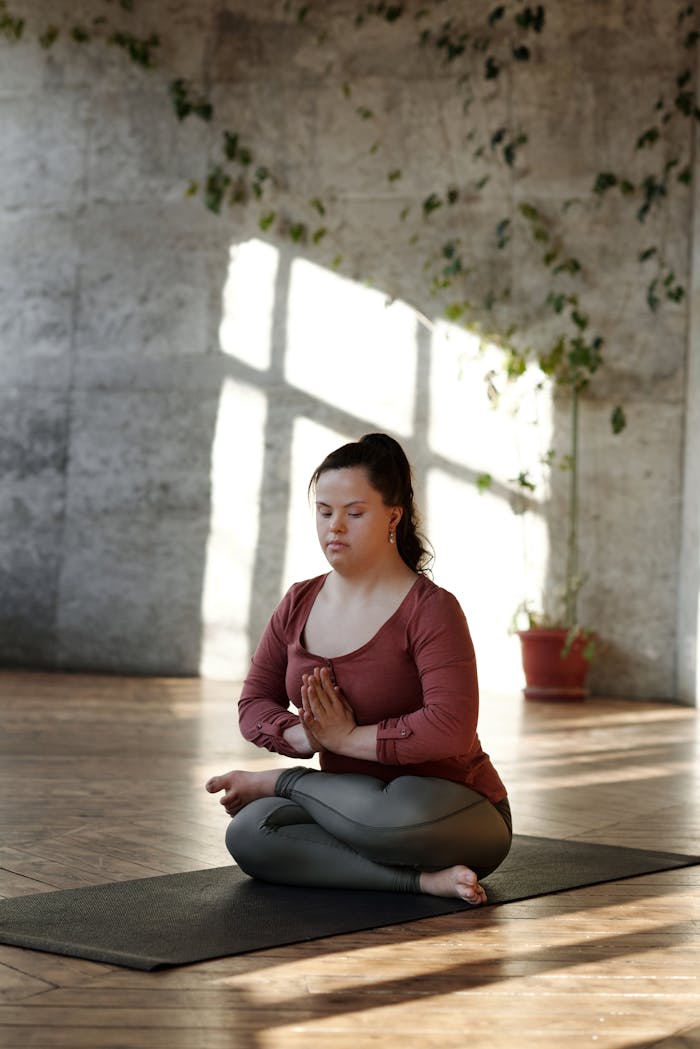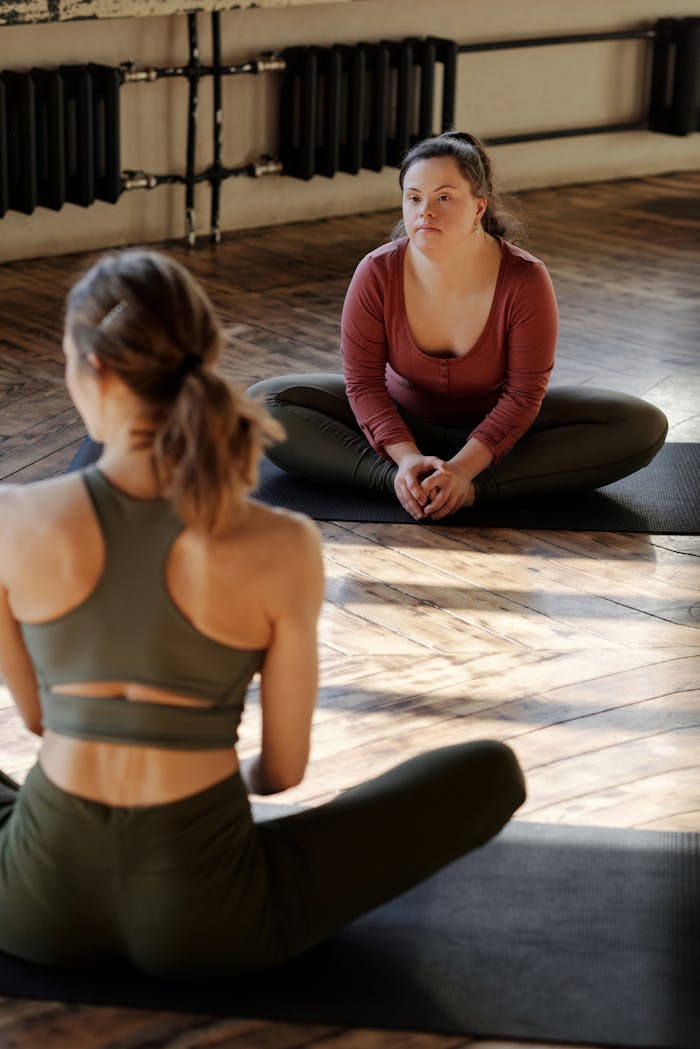
Whether you are stepping onto a yoga mat for the first time or returning after many years, you are welcome here.
Yoga is not only for the flexible, the strong, the young, or the experienced. Yoga is a path for human beings—with real bodies, real emotions, real responsibilities, and real longings. In the spirit of bhakti, the yoga of devotion, we approach practice with humility, gratitude, and love.
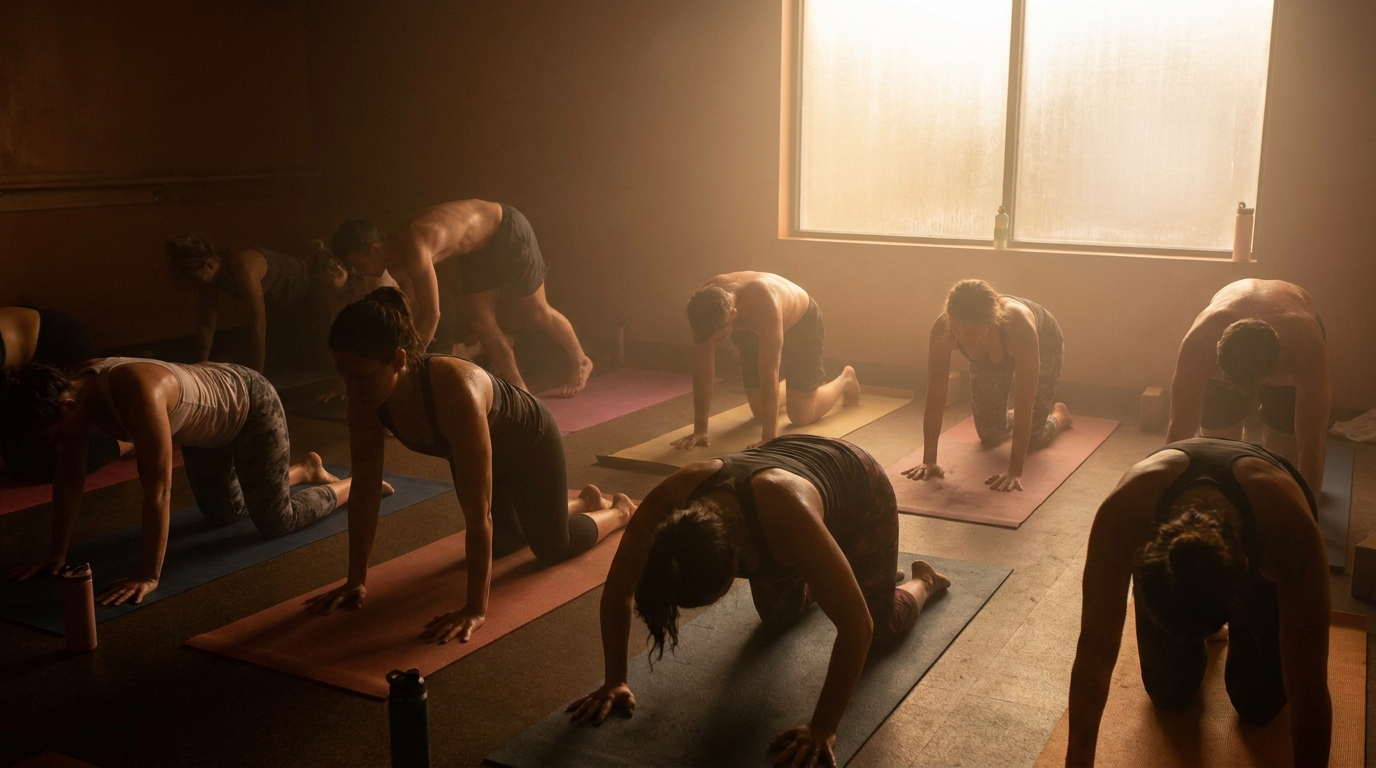
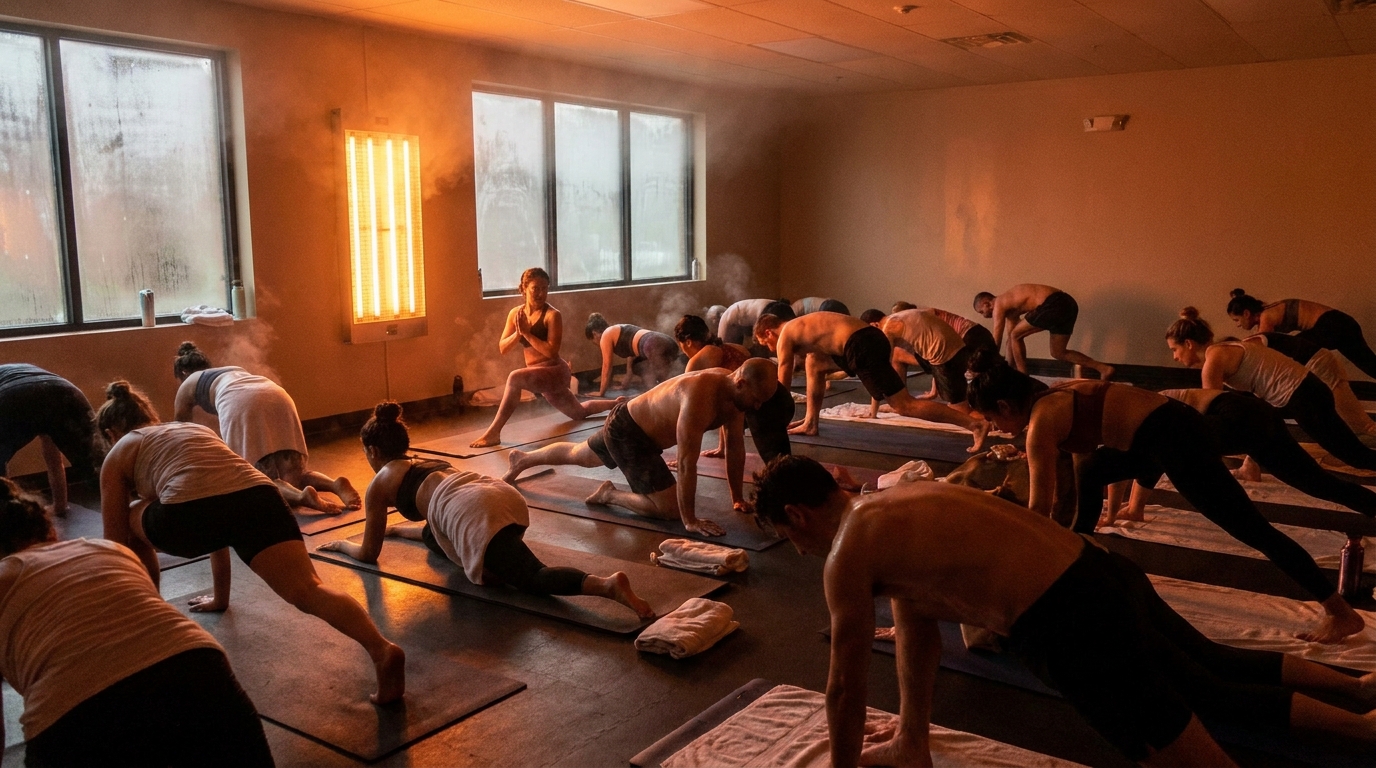
Hot yoga is one way many people experience the healing power of yoga. Practiced in a heated room, hot yoga combines physical postures, conscious breathing, focus, and steady effort. The warmth of the room can help the body soften, encourage deep sweating, and create a focused environment for self-discipline and inner awareness.
Still, hot yoga is not about forcing the body or proving anything. It is not a performance. It is a practice of listening.
In Sanskrit, the word yoga means “union.” It points to the union of body, breath, mind, and spirit. In a practical sense, yoga helps us come home to ourselves. Hot yoga, when practiced wisely, can become a beautiful doorway into that homecoming.
What Is Hot Yoga?
Hot yoga is a style of yoga practiced in a heated room, usually between 85°F and 105°F, depending on the class and studio. Some classes follow a set sequence of postures, while others are more flowing and creative.
The heat is used intentionally. It can support circulation, increase sweating, and help the muscles feel more open. Many students also find that the warmth invites greater concentration because the environment asks for presence. You cannot easily drift away when the room is hot, the breath is active, and the body is engaged.
Hot Yoga and Bikram Yoga
Many people hear “hot yoga” and think of Bikram Yoga. Bikram Yoga is a specific system created by Bikram Choudhury. Traditionally, it includes 26 postures and 2 breathing exercises practiced in a room heated to about 105°F with high humidity.
Hot yoga, however, is a broader term. It may include vinyasa flow, power yoga, slow stretching, alignment-based classes, or gentle heated practices. Not every hot yoga class is Bikram Yoga.
If you are new, it is wise to read the class description carefully or ask the teacher what to expect.
A Practical View of Heat in Yoga
Heat has long been part of yogic understanding. In Sanskrit, tapas means heat, discipline, or purifying effort. In the Yoga Sutras of Patanjali, tapas is one of the practices of niyama, the personal observances that support inner growth.
This does not mean punishing the body. True tapas is not harshness. It is sincere effort offered with wisdom. It is the gentle fire that helps us burn away laziness, distraction, and self-doubt.
In hot yoga, the heated room can become a living symbol of tapas. We learn to stay steady, breathe calmly, and meet discomfort without anger or fear.
Why Practice Hot Yoga? The Deeper Benefits
People often come to hot yoga for physical reasons: flexibility, sweat, strength, or weight support. These benefits are real for many practitioners. But over time, students often discover something deeper.
Hot yoga may begin as exercise, but it can become a practice of self-respect, mental clarity, and devotion to life itself.
Improved Flexibility and Mobility
One of the most commonly noticed benefits of hot yoga is increased flexibility. The warm room may help muscles relax more quickly, allowing the body to move with greater ease.
This does not mean we should push deeper into poses. In fact, the heat can sometimes make it easier to overstretch. A humble yogic approach is to move slowly and stay attentive.
Flexibility is not a competition. It is the body’s way of saying, “I feel safe enough to open.”
Over time, consistent hot yoga practice may improve mobility in the hips, shoulders, spine, and hamstrings. This can support everyday movement, reduce stiffness, and help the body feel more alive.
Strength and Endurance
Hot yoga is not only about stretching. Many postures build strength in the legs, core, arms, and back. Holding poses in a heated room can also develop endurance.
Standing poses such as Warrior II, Chair Pose, and Triangle Pose ask the body to remain grounded. Balancing poses develop stability and focus. Core work supports posture and spinal health.
In Sanskrit, asana means posture or seat. Traditionally, asana was not only about physical shape. It was about finding steadiness and ease. Patanjali writes in the Yoga Sutras: sthira sukham asanam—asana should be steady and comfortable.
In hot yoga, this teaching is very practical. Can we be strong without becoming tense? Can we work hard without losing kindness?
Sweating and the Feeling of Cleansing
Many students love hot yoga because of the sweat. Sweating can feel cleansing and renewing. It may help regulate body temperature and support the natural function of the skin.
However, it is important to be clear: sweating does not magically remove all toxins from the body. The liver, kidneys, lungs, digestive system, and lymphatic system do the deeper work of detoxification.
Still, sweating can feel meaningful. It can help us release heaviness, both physically and emotionally. After class, many students feel lighter, calmer, and refreshed.
The key is hydration and balance. Sweat is sacred in its own way, but we must replace fluids and minerals with care.
Mental Focus and Emotional Resilience
Hot yoga asks for presence. The room is warm. The body is working. The breath becomes essential.
This environment can train the mind to stay calm under pressure. When discomfort arises, we learn not to panic. We learn to breathe, adjust, rest, or continue with awareness.
This is one of the great gifts of yoga: what we practice on the mat begins to help us off the mat.
When life becomes heated—with stress, conflict, grief, or uncertainty—we may remember the breath. We may remember that we can pause. We may remember that we do not have to react immediately.
In the Bhagavad Gita, a beloved yoga scripture, Lord Krishna teaches samatvam yoga ucyate—“Yoga is equanimity,” or balance of mind. Hot yoga gives us a practical place to cultivate this balance.
Support for Cardiovascular Health
Because of the heat and sustained movement, hot yoga can raise the heart rate. Some people experience it as a mild to moderate cardiovascular practice, depending on the class intensity.
Improved circulation, endurance, and breath awareness may support overall heart health when practiced safely and consistently. However, hot yoga is not appropriate for everyone, especially those with certain heart conditions, heat sensitivity, or blood pressure concerns.
If you have medical concerns, are pregnant, or are returning after illness or injury, please speak with a healthcare professional before beginning hot yoga.
Yoga is a path of wisdom, not risk.
Check out the latest yoga guides on yoga guides for helpful tips and advice.
How to Prepare for a Hot Yoga Class
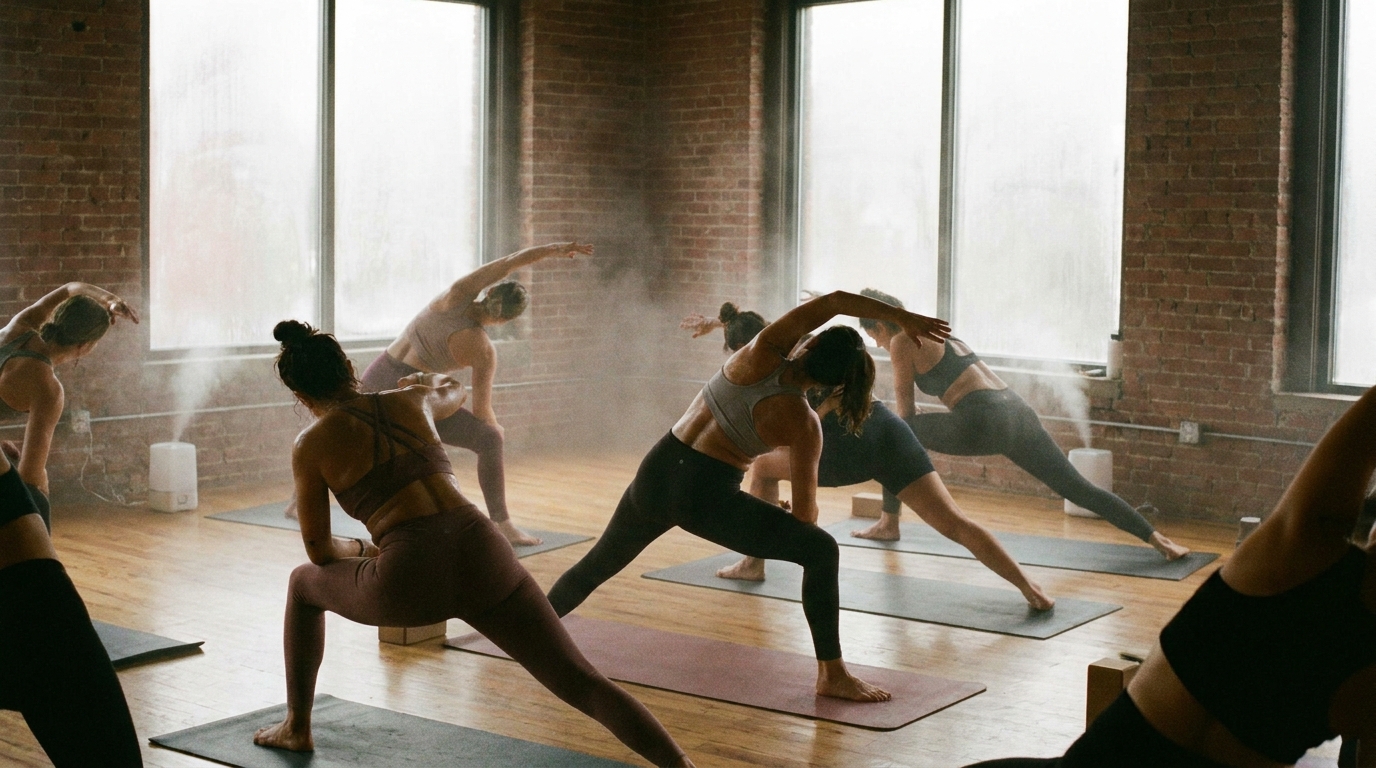
Preparation is part of the practice. When we prepare with care, we honor the body as a temple of the Divine. This is not about perfection. It is about respect.
Hydrate Before Class
Drink water throughout the day, not only right before class. If you arrive dehydrated, the heated room may feel overwhelming.
For longer or very sweaty classes, consider adding electrolytes, especially if you sweat heavily. Coconut water, mineral-rich drinks, or electrolyte powders can help support balance.
A simple sign of good hydration is pale yellow urine and steady energy. If you feel dizzy, weak, or unusually fatigued, listen carefully.
Eat Lightly and Mindfully
Avoid heavy meals two to three hours before class. A full stomach can make twisting, bending, and heating practices uncomfortable.
If you need something small, choose a light snack such as fruit, yogurt, toast, or a few nuts about an hour before class.
In yoga philosophy, food is not separate from practice. What we eat affects the mind and body. A simple, nourishing approach helps us feel clear and steady.
Choose Comfortable Clothing
Wear breathable, moisture-wicking clothing that allows movement. Many people prefer fitted clothing because loose cotton can become heavy with sweat.
Bring a towel for your mat and another for your face or hands. A non-slip yoga mat or mat towel can be very helpful.
There is no need to dress in a certain “yoga style.” Wear what helps you feel comfortable, modest according to your values, and free to move.
Arrive Early
Arriving early gives you time to settle into the room. This is especially helpful if you are new to hot yoga.
Lie down or sit quietly. Notice the warmth. Let the breath slow down. Allow the body to adapt before the class begins.
This quiet beginning can transform the whole practice. Instead of rushing in with scattered energy, you enter with reverence.
How to Practice Hot Yoga Safely
Hot yoga can be beneficial, but it must be practiced with awareness. The heat is powerful. The body is intelligent. The ego is not always a reliable guide.
Humility protects us.
Listen to the Body
In yoga, listening is a sacred act. If you feel dizzy, nauseous, chilled, confused, or overly weak, rest immediately. Sit down, take Child’s Pose, or lie on your back.
Do not feel embarrassed. Resting is not failure. Resting is wisdom.
A good teacher will respect your choice to pause. If any teacher pressures you to continue when you feel unwell, that is not aligned with the heart of yoga.
Breathe Through the Nose When Possible
Nasal breathing helps regulate the nervous system and supports steadiness. In many yoga traditions, breath is called prana, meaning life force or vital energy.
When breath becomes strained, it is often a sign that we are pushing too hard. Let the breath be your teacher.
If you cannot breathe smoothly in a pose, soften the pose. Come out slightly. Choose a modification. Yoga is not about the outer shape; it is about inner harmony.
Avoid Overstretching
The heat may make the body feel more flexible than usual. This can be pleasant, but it can also lead to overstretching if we are not mindful.
Move slowly into poses. Engage the muscles around the joints. Avoid locking the knees or elbows. Respect your natural range of motion.
Flexibility without stability can create imbalance. Strength and softness should grow together.
Know When Hot Yoga May Not Be Right
Hot yoga may not be suitable for everyone. Please use caution if you:
- Are pregnant or trying to conceive
- Have heart disease or blood pressure concerns
- Have a history of fainting or heat illness
- Are recovering from surgery or serious illness
- Have certain neurological conditions
- Take medications that affect hydration or heat tolerance
- Are new to exercise and very sensitive to heat
This does not mean yoga is not for you. It may simply mean a cooler, gentler class is a better fit.
Yoga has many doors. Choose the one that opens with kindness.
The Inner Practice: Hot Yoga as Devotion
Hot yoga is often described in physical terms, but its spiritual potential is profound. The heated room can become a place of offering.
Each breath can be a prayer. Each drop of sweat can become a symbol of sincerity. Each moment of difficulty can become a chance to surrender.
Bhakti: Practicing with Love
Bhakti means devotion, love, or heartfelt connection with the Divine. For some, this Divine is Krishna, Shiva, the Goddess, Christ, Allah, the sacred presence of life, or simply the mystery of love itself. Yoga welcomes sincere seekers from many backgrounds.
To practice hot yoga with bhakti is to let go of pride. We do not practice to become superior. We practice to become more open, more compassionate, more honest.
Before class, you might silently offer your practice:
“May this practice help me serve with more love.”
Or:
“May I care for this body as a gift.”
This simple intention changes everything.
The Ego Softens in the Heat
The ego often wants to compare. It asks, “Am I better than the person next to me? Am I flexible enough? Am I strong enough? Do I look good?”
The heat exposes these thoughts quickly. When the class becomes challenging, the ego has less room to perform. We become more honest.
We may realize: “I need rest.”
We may discover: “I am stronger than I thought.”
We may learn: “I can be with discomfort without being ruled by it.”
This is grace.
The Breath as a Sacred Companion
In many yogic traditions, breath is more than oxygen. It is connected to prana, the subtle life force that moves through all living beings.
In hot yoga, breath becomes a constant friend. It cools, steadies, guides, and supports. When the mind becomes restless, return to the breath. When the body becomes tired, return to the breath. When emotion rises, return to the breath.
This is a simple practice, but it is not small. The breath brings us into the present moment, where life is actually happening.
Common Hot Yoga Poses and Their Benefits
Every hot yoga class is different, but many include familiar postures. These poses can support strength, flexibility, balance, and inner focus.
Mountain Pose: Tadasana
Tadasana means Mountain Pose. It may look simple, but it teaches alignment, grounding, and presence.
Stand with feet rooted. Lengthen through the spine. Relax the shoulders. Let the breath move.
In the heat, Mountain Pose reminds us to be steady like a mountain, even when conditions change.
Chair Pose: Utkatasana
Utkatasana is often called Chair Pose. It strengthens the thighs, glutes, core, and back.
This pose can feel intense, especially in a hot room. It teaches tapas, the fire of steady effort.
The devotional lesson is beautiful: can we stay humble when effort is required? Can we breathe through challenge without hardening the heart?
Warrior Poses: Virabhadrasana
Virabhadrasana, or Warrior Pose, builds strength, stability, and courage. The warrior in yoga is not a symbol of violence. It represents the inner warrior who faces ignorance, fear, and distraction.
In Warrior II, the legs root deeply while the arms extend wide. The gaze becomes steady.
This pose teaches us to stand in our life with dignity and compassion.
Triangle Pose: Trikonasana
Trikonasana means Triangle Pose. It stretches the sides of the body, hamstrings, hips, and spine. It also encourages openness in the chest.
In hot yoga, Triangle Pose can feel expansive. But remember: do not collapse into flexibility. Use strength to support length.
Let the pose become a balance between reaching and rooting.
Child’s Pose: Balasana
Balasana, Child’s Pose, is a resting posture. It gently stretches the back, hips, and shoulders while calming the nervous system.
In hot yoga, Child’s Pose is essential. It reminds us that rest belongs in practice.
There is deep humility in bowing down. In bhakti, bowing is not defeat. It is love.
After Class: How to Receive the Full Benefits
The benefits of hot yoga continue after the final posture. What you do after class matters.
Cool Down Slowly
After class, avoid rushing into a cold shower or intense activity immediately. Give the body time to regulate.
Sit quietly for a few minutes. Let the heart rate slow. Feel the effects of the practice.
This pause is part of integration.
Rehydrate and Replenish
Drink water after class. If you sweated a lot, include electrolytes or mineral-rich foods.
Good post-practice foods may include:
- Fresh fruit
- Vegetable soup
- Rice and lentils
- Smoothies
- Coconut water
- Leafy greens
- Light protein
In Ayurveda, the traditional wellness system of India, balance is important. After heat, choose foods and drinks that restore without overwhelming digestion.
Honor Savasana
Savasana, often called Corpse Pose, is the final resting posture. It may seem like doing nothing, but it is one of the most important parts of yoga.
In Savasana, the body absorbs the practice. The nervous system settles. The mind becomes quiet.
Spiritually, Savasana teaches surrender. We let go of effort. We stop trying to become someone. We rest in being.
Please do not skip it unless truly necessary.
How Often Should You Practice Hot Yoga?
The best rhythm depends on your body, lifestyle, health, and experience. More is not always better.
For Beginners
If you are new to hot yoga, begin with one or two classes per week. Notice how your body responds. Give yourself time to adapt.
You may feel sore after your first few classes. This is normal, but sharp pain, exhaustion, or lingering dizziness are signs to reduce intensity or seek guidance.
For Regular Practitioners
Many people enjoy hot yoga two to four times per week. Some practice more often, but recovery becomes very important.
Balance hot yoga with rest, walking, strength training, gentle stretching, meditation, or cooler yoga classes.
The body loves rhythm, not punishment.
Seasonal Awareness
Your practice may change with the seasons. In summer, hot yoga may feel more intense. In winter, it may feel deeply nourishing.
Listen to nature. Yoga is not separate from the world around us. The ancient yogis watched the sun, moon, breath, seasons, and body as part of one sacred pattern.
How Else Can You Experience the Benefits of Hot Yoga?
Hot yoga is powerful, but it is not the only way to receive yoga’s gifts. If the heat is not right for you, there are many beautiful alternatives.
Warm Yoga
Warm yoga is practiced in a moderately heated room, often around 80°F to 90°F. It may offer some of the comfort of heat without the intensity of hot yoga.
This can be a good middle path for beginners or heat-sensitive students.
Gentle Yoga
Gentle yoga focuses on slow movement, breath, and relaxation. It is excellent for stress relief, recovery, and nervous system support.
Do not underestimate gentle practice. Sometimes the quietest yoga is the most transformative.
Restorative Yoga
Restorative yoga uses props such as blankets, bolsters, and blocks to support the body in restful poses. It is deeply calming and can help reduce stress and fatigue.
If hot yoga builds fire, restorative yoga offers cool moonlight. Both have value.
Pranayama and Meditation
Pranayama means breath regulation. Simple breathing practices can bring clarity and calm without intense physical movement.
Meditation helps train attention and soften mental agitation. Even five minutes daily can make a difference.
A simple practice:
Sit comfortably.
Inhale gently for four counts.
Exhale slowly for six counts.
Repeat for five minutes.
This can be a form of yoga available anywhere.
Bringing Hot Yoga Into Daily Life
The true benefits of hot yoga are not limited to the studio. The practice becomes most meaningful when it shapes how we live.
Practice Patience
In class, you learn patience with your body. In life, this becomes patience with others.
When irritation rises, breathe. When plans change, soften. When someone struggles, remember your own struggles.
This is yoga in action.
Build Discipline with Compassion
Hot yoga can help build discipline. You show up. You practice. You sweat. You stay with the breath.
But discipline must be joined with compassion. Without compassion, discipline becomes harsh. With compassion, discipline becomes devotion.
Ask yourself: “Is this practice helping me become more loving?”
That question keeps yoga pure.
Serve Others with the Energy You Gain
In bhakti, personal practice is not only for personal benefit. The strength, clarity, and peace we receive can be offered back to the world.
After practice, perhaps you speak more kindly. Perhaps you listen better. Perhaps you care for your family with more patience. Perhaps you serve your community with renewed energy.
This is the fruit of yoga.
A Humble Closing Reflection
Hot yoga can strengthen the body, improve flexibility, support focus, encourage sweating, and build resilience. It can also become a sacred practice of humility, breath, devotion, and self-awareness.
But the heart of yoga is never heat, posture, or performance. The heart of yoga is union. It is remembering that we are more than our stress, more than our fears, more than our limitations.
As the Bhagavad Gita teaches, yoga is balance. As Patanjali reminds us, practice becomes steady when done for a long time, without interruption, and with sincere devotion.
So enter the hot room gently. Bring water, bring awareness, bring humility. Let the breath guide you. Let the body teach you. Let the practice soften what is rigid and strengthen what is weak.
And when you leave the room, may you carry the warmth not only in your muscles, but in your heart.
FAQs
What is hot yoga?
Hot yoga is a style of yoga practiced in a heated room, typically around 95-105 degrees Fahrenheit. The heat is intended to help participants sweat and increase flexibility, as well as to aid in detoxification.
What are the benefits of hot yoga?
Hot yoga is believed to have several benefits, including increased flexibility, improved circulation, enhanced detoxification through sweating, and a potential boost in cardiovascular health. It may also help with stress reduction and mental clarity.
Are there any risks associated with hot yoga?
Practicing hot yoga can pose risks, particularly for individuals with certain health conditions such as heart disease, high blood pressure, or pregnancy. Dehydration and overheating are also potential risks, so it’s important to stay hydrated and listen to your body during hot yoga sessions.
What should I wear and bring to a hot yoga class?
It’s recommended to wear lightweight, breathable clothing that allows for easy movement and wicks away sweat. Bring a yoga mat, a towel to place over the mat, and a water bottle to stay hydrated during the class.
Is hot yoga suitable for beginners?
Hot yoga can be suitable for beginners, but it’s important to start slowly and listen to your body. It’s also advisable to inform the instructor if you’re new to hot yoga or have any health concerns. Modifications and breaks are encouraged as needed.