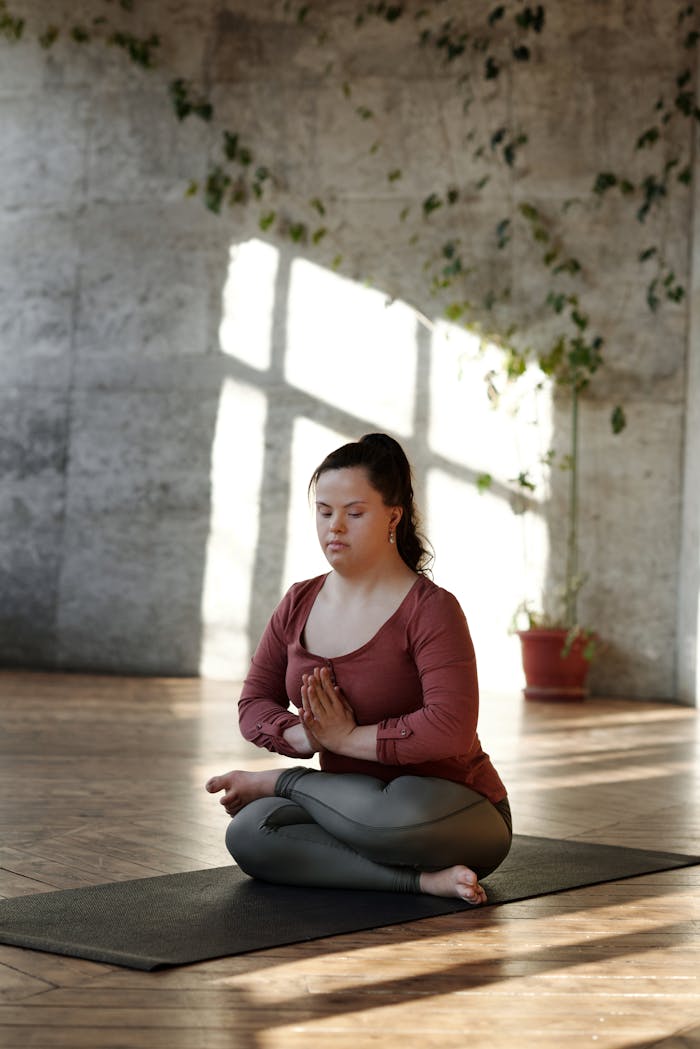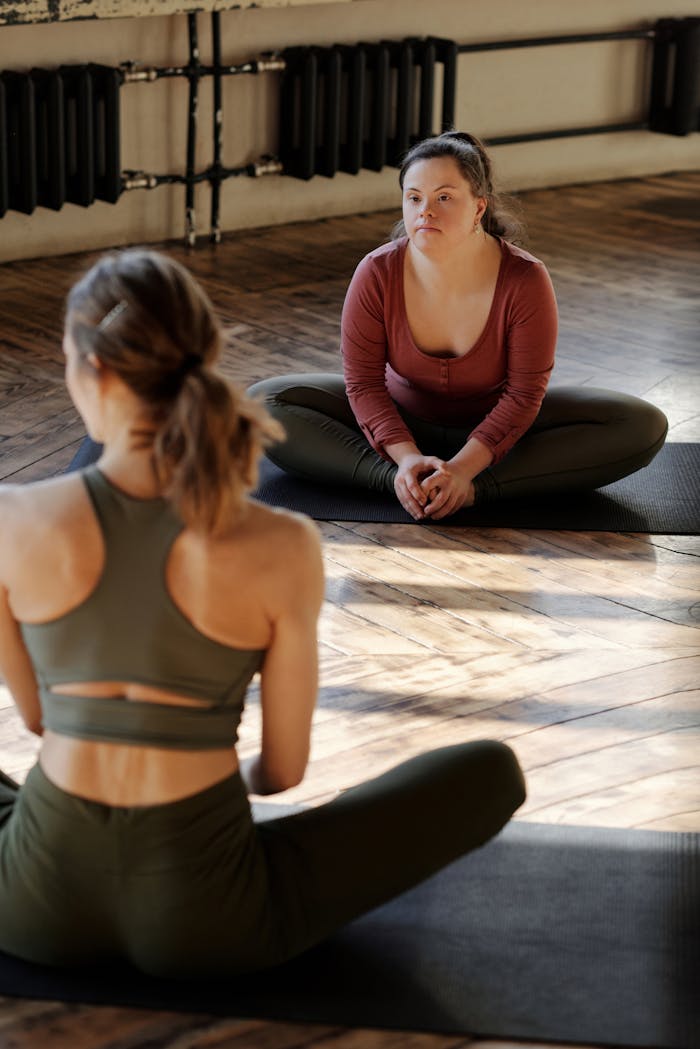
If you’ve come across kinship yoga, you may be wondering what its classes are like, what values guide the organization, and how people connect beyond the mat. Yoga can offer a way to explore balance and support holistic well-being, though each person’s experience is different. Learning how a community approaches practice can help you decide whether it feels like a good fit.
This overview looks at Kinship Yoga’s classes, values, and community, along with practical questions to consider as you explore your options. Teaching styles and schedules can change, and community offerings may vary over time. For the most current details, check directly with the organization; Joyous Yoga’s homepage is also a helpful starting point for exploring yoga and wellness.
As you read, consider what matters most to you: a welcoming setting, a certain pace, opportunities to practice with others, or room to build a routine gradually. There’s no single right way to begin. A little research can help you approach your first class with curiosity and choose an experience that supports your own path.
What Is Kinship Yoga—and What Does “Kinship” Suggest?
The name Kinship Yoga may bring to mind connection and belonging. But a name alone can’t tell you how an organization is run, where it operates, or what its classes include. For those details, check Kinship Yoga’s official descriptions and current sources, such as its website or class listings.
The word “kinship” often describes a sense of relationship or shared connection. In a yoga context, that idea can invite reflection on how practice connects you with yourself, with others, and with a wider community. This is one way to interpret the name—not a statement about Kinship Yoga’s own mission or values.
Connection with yourself might begin with noticing your breath, energy, or comfort level during a pose. For one person, that could mean choosing a gentler variation; for another, it might mean staying curious when a movement feels unfamiliar. These small choices can help you build awareness without needing to practice in a particular way.
A shared class can also create moments of connection. Practicing alongside others may offer a feeling of encouragement, whether you exchange a few words before class or simply move in the same room. Still, people experience group spaces differently. Some feel at ease right away, while others prefer time, quiet, or more space to themselves.
The wider community around a yoga space may take shape through repeated classes, shared events, or simple routines like greeting familiar faces. These experiences can support belonging, but they don’t guarantee that every participant will feel the same connection. Your comfort may depend on the instructor, class size, setting, and what you’re seeking that day.
As you learn about kinship yoga, it may help to separate what the name suggests from what the organization says about itself. Look for current information about its approach, class formats, accessibility, and community activities. If anything is unclear, contacting the organization directly can help you decide whether its offerings fit your needs and preferences.
What to Expect From Kinship Yoga Classes
Since class schedules and formats can change, check Kinship Yoga’s current listings before you book. A class name may suggest its focus, but the description should offer more detail about pace, intensity, experience level, and whether the practice emphasizes movement, alignment, breath, or relaxation. If those details are missing, a quick message to the studio can help you choose with confidence.
Plan to arrive a little early, especially for your first visit. That gives you time to find the practice space, settle in, and tell the teacher about any questions or needs you’d like them to know. You don’t need to have yoga experience or arrive knowing what every pose is called.
During class, the teacher may guide students through a sequence of movements, offering cues for posture and breathing. Some classes move steadily from pose to pose; others pause more often to explore alignment or hold postures longer. Neither pace is automatically better. The right fit depends on what feels supportive and manageable for you.
Intensity is another point to consider. A class can be physically challenging without moving quickly, while a faster class may ask you to transition often. Look for language in the description that helps set expectations, such as “gentle,” “all levels,” or “strong,” and ask what those terms mean in practice.
If you’re new, let the teacher know and ask about modifications, props, and options to pause or rest. Blocks, blankets, and other supports can make a pose more comfortable, and resting in a child’s pose or another position is a valid choice. You can adapt your practice rather than trying to match everyone else in the room.
When comparing classes, consider teaching approach as well as the schedule. For example, how to choose an Iyengar yoga studio can help illustrate why alignment guidance and a method’s teaching style may matter to some students. The same principle applies when reviewing Kinship Yoga’s offerings: think about the kind of instruction and support that helps you feel at ease.
Many classes include a quieter period near the end, giving you time to rest and notice how you feel. The teacher may close with a breath, a moment of stillness, or a brief invitation to reflect. If you’re unsure what to bring or how the class ends, check the listing or ask ahead; knowing what to expect can make your first visit feel more welcoming.
The Values That Can Shape a Welcoming Yoga Space
As you learn more about kinship yoga, consider how its values show up in practice. A welcoming atmosphere is built through everyday choices, not only a mission statement. Class descriptions, studio policies, and small interactions can all offer clues about whether a space feels right for you.
The information available so far does not confirm specific values or policies for the organization. Rather than assume its approach, look for clear statements about respect, inclusion, accessibility, and non-judgment in its public communications. If these details are missing, you can ask directly before attending.
Respect can be visible in how teachers speak to students and respond to different abilities, identities, and levels of experience. Notice whether class descriptions explain what to expect without implying that everyone should move or feel the same way. You might ask: Are beginners welcomed? Are variations offered? Can students rest without drawing attention?
Consent is another important part of a supportive practice. Some teachers offer hands-on adjustments, while others teach without touch. If adjustments are offered, look for a clear way to opt in or decline, and consider asking how consent is handled. Your choice should be honored without pressure, explanation, or judgment.
Accessibility can involve more than getting into the building. It may include information about stairs, seating, props, class pace, sound, and options for different bodies or energy levels. Check whether the organization shares these details, and contact it if you need specific accommodations. A thoughtful answer can help you decide what feels comfortable.
Community, too, is shaped by ordinary moments: how newcomers are greeted, whether questions are welcome, and whether participation feels optional. You might look for invitations to connect that leave room for personal boundaries. A sense of belonging should not depend on being outgoing, attending regularly, or sharing personal details.
Mindfulness can also continue beyond class in ways that suit your life. It might mean taking a quiet breath before a busy day, arranging a calming corner, or trying mindful home-practice ideas. Creative routines are optional, not requirements for being a “good” yoga student.
As you assess the space, trust both the information you find and your own experience. After class, notice whether you felt respected, able to make choices, and free to move at your own pace. Those observations can help you decide whether the community aligns with your needs, while leaving room for your preferences to change over time.
Community at Kinship Yoga: Connection Beyond the Mat
A yoga community can take shape in many ways. It might mean recognizing familiar faces, sharing a quiet smile before class, or feeling comfortable practicing alongside others. These small interactions can create a sense of connection without requiring anyone to be outgoing or especially social.
You don’t have to stay after class, join every gathering, or make conversation to belong. Simply showing up and practicing in the same space can be enough. If you prefer a quieter experience, you can participate at your own pace and let relationships develop naturally, if that feels right.
To learn what community means at Kinship Yoga, look for current information about its classes and any advertised events or group sessions. Schedules and offerings can change, so verify details directly before making plans. If a listing doesn’t explain what to expect, you can ask whether an event involves conversation, shared practice, or other activities.
A welcoming environment should leave room for different comfort levels. Notice how teachers introduce newcomers, explain class expectations, and respond when someone chooses a modification or rest. You might also ask whether participation in social activities is optional and whether you can attend a class without joining anything beyond it.
Some yoga classes include partner or group poses, which can offer a simple illustration of collaboration. Participants may need to communicate, move at a shared pace, and adapt to one another. If you’re curious, these beginner-friendly three-person yoga poses can give you an idea of how group practice might work.
Partner work should always be optional, with consent and safety at the center. You can decline a pose, request a solo alternative, or pause if something feels uncomfortable. A teacher should explain how to enter and leave a pose safely, and no one should be pressured to touch or support another person.
If group practice is offered at Kinship Yoga, ask about the options before class. You can share any boundaries with the teacher, or simply choose a variation that feels comfortable. Connection is most meaningful when it respects each person’s choices.
Over time, you may find that a familiar setting helps you feel more at ease, even if you don’t seek conversation. Or you may enjoy joining events and practicing with others. There’s no single measure of belonging; your experience can guide how much you participate.
Who Might Feel at Home—and What to Check Before Attending
Kinship Yoga may appeal to people seeking mindful movement, a steady routine, or the chance to practice alongside others. You don’t need one particular goal to explore a class. You might be new to yoga, returning after a break, or looking for a different pace or community.
Still, no single yoga space suits everyone. Your comfort may depend on the teacher’s approach, the class atmosphere, and whether the format fits your body and schedule. Consider what helps you feel supported: clear instructions, options to rest, a quieter room, or a chance to connect with fellow students.
Before booking, read the current class description and confirm a few practical details. Offerings and policies can change, so check the organization’s latest information rather than relying on older listings.
- Class level and pace: Ask whether beginners are welcome and whether the class includes modifications or opportunities to rest.
- Accessibility and individual needs: Check details such as stairs, restroom access, room layout, and available movement options. Contact Kinship Yoga directly with specific questions about mobility, injuries, pregnancy, or other considerations.
- Cost and access: Confirm the price, any class packages or financial assistance, and whether the session takes place in person or online. For an in-person class, verify the location and how to get there.
- Equipment and booking: Find out what to bring, whether mats or props are provided, and how to reserve a spot.
- Cancellations: Review the deadline and any fees or limits for changing or canceling a booking.
If you have health concerns, consult an appropriate healthcare professional about whether a class or particular movements are suitable for you. During practice, you can modify or skip a movement, take a break, or stop if it causes pain. A teacher can offer guidance, but you remain the best judge of what feels manageable in your body.
You may also want to ask how the teacher handles questions and whether students can choose how much they participate. For example, someone who prefers a low-key first visit might appreciate knowing whether sharing or socializing is optional. A direct conversation before class can clarify expectations and help you decide whether Kinship Yoga feels like a promising fit.
Afterward, notice how the experience landed for you. Did the pace, instruction, and setting support your needs? Your answers can help you choose whether to return, try another format, or keep exploring.
How to Find a Class or Retreat That Matches Your Intentions
Once you have a sense of what matters to you, compare the available options with your everyday life and reasons for practicing. Kinship Yoga’s current program may include regular classes, occasional workshops, retreats, or a mix of formats. Offerings can change, so verify schedules, locations, registration details, and costs directly rather than relying on older listings or assumptions.
A regular class can offer a steady rhythm and a familiar place to practice. Weekly sessions may suit you if you want to build a routine gradually, explore yoga over time, or connect with a community through repeated visits. Consider whether the schedule fits your work, caregiving, travel, and energy levels; a class you can attend consistently may be more useful than one that looks ideal but is hard to reach.
Workshops and retreats are different kinds of experiences. A workshop may focus on a particular topic over a few hours, while a retreat typically offers a more immersive stretch of practice and time away from usual routines. Either can suit different circumstances, but a retreat isn’t required for meaningful practice. If you’re considering one, explore what to consider when choosing a yoga retreat, including the setting, duration, and overall structure.
Look beyond the format, too. Read descriptions for clues about teaching style, pace, class size, and whether the session emphasizes movement, breath, rest, or reflection. If possible, ask about accessibility, what to bring, and what experience level is expected. These details can help you set realistic expectations and decide whether you’ll feel comfortable participating.
Cost and logistics matter alongside the experience itself. Check what is included, whether equipment is provided, and what cancellation or refund policies apply. For a retreat, consider travel, meals, lodging, and time away from other responsibilities; for a recurring class, account for the full series or membership cost if relevant.
Before booking, ask yourself what you hope to receive: a dependable routine, a chance to explore a theme, time for rest, or a new setting. Your intentions may change, and there’s no need to choose the most intensive option. A manageable first step can help you discover what supports your practice now.
Frequently Asked Questions
A few practical details can make it easier to decide whether to try a class. Because schedules and offerings can change, check Kinship Yoga’s current information or contact the organization when details aren’t listed.
Is Kinship Yoga suitable for beginners?
It may be, but suitability depends on the specific class and your comfort level. Check the class description for experience guidance, and ask Kinship Yoga whether a beginner can join. You can also tell the instructor it’s your first class and move at your own pace.
What should I bring?
Follow the instructions for the class you plan to attend. If the listing doesn’t say what to bring, ask Kinship Yoga whether mats or other props are provided. Comfortable clothing and water may be useful, but confirm any class-specific guidance before you go.
How can I find current classes and prices?
Use Kinship Yoga’s official website or current booking information, if available, and contact the organization to confirm details. Schedules, availability, and prices can change, so avoid relying on older listings. Ask about any fees or booking steps that aren’t clear.
Can I participate if I have mobility or health concerns?
Possibly, but class formats and available adaptations should be confirmed directly with Kinship Yoga. Describe the movements or conditions you’re concerned about and ask what options may be available. For individualized medical guidance, consult a qualified healthcare professional before participating.
Choosing a Practice That Supports Your Well-Being
Choosing a yoga practice is personal, and what supports you may change over time. Consider how a class’s pace, teaching style, values, and community feel alongside your needs. At Kinship Yoga, as anywhere, your experience matters more than trying to meet someone else’s idea of a good practice.
Before deciding, check current class offerings, accessibility information, and community activities. If details are unclear, ask questions about what to expect or which class might suit your experience and intentions. You might begin with an introductory class, attend occasionally, or simply take time to learn more.
Afterward, notice whether you felt welcome, respected, and able to move at your own pace. Those observations can guide your next step, whether that means returning, trying another format, or continuing your search. A supportive practice doesn’t need to be a perfect fit forever; it can grow with you.