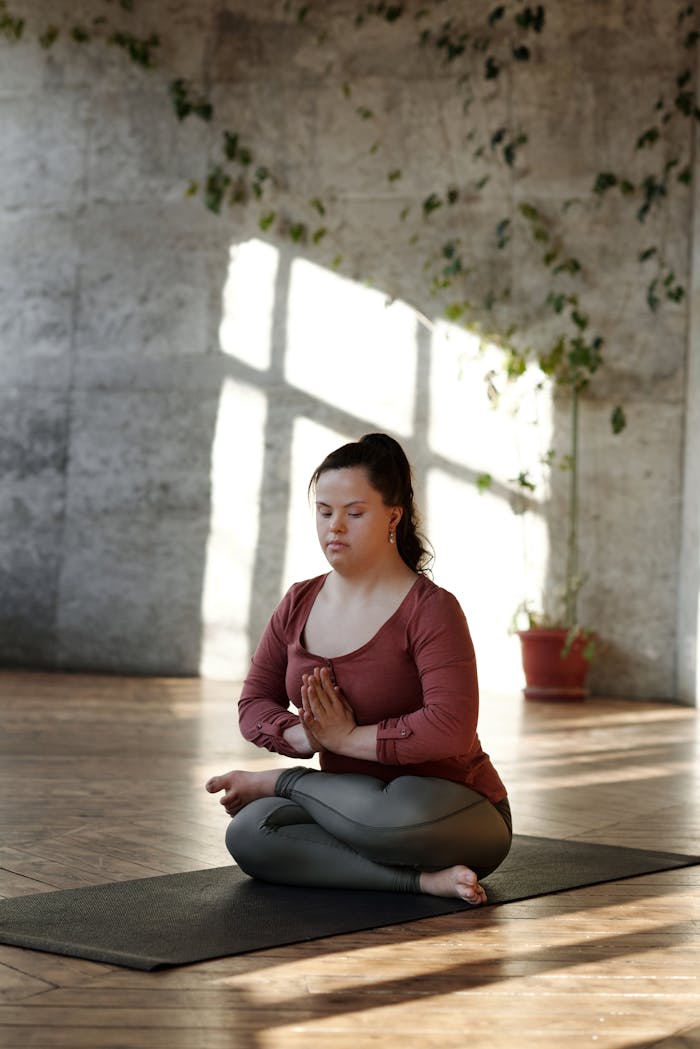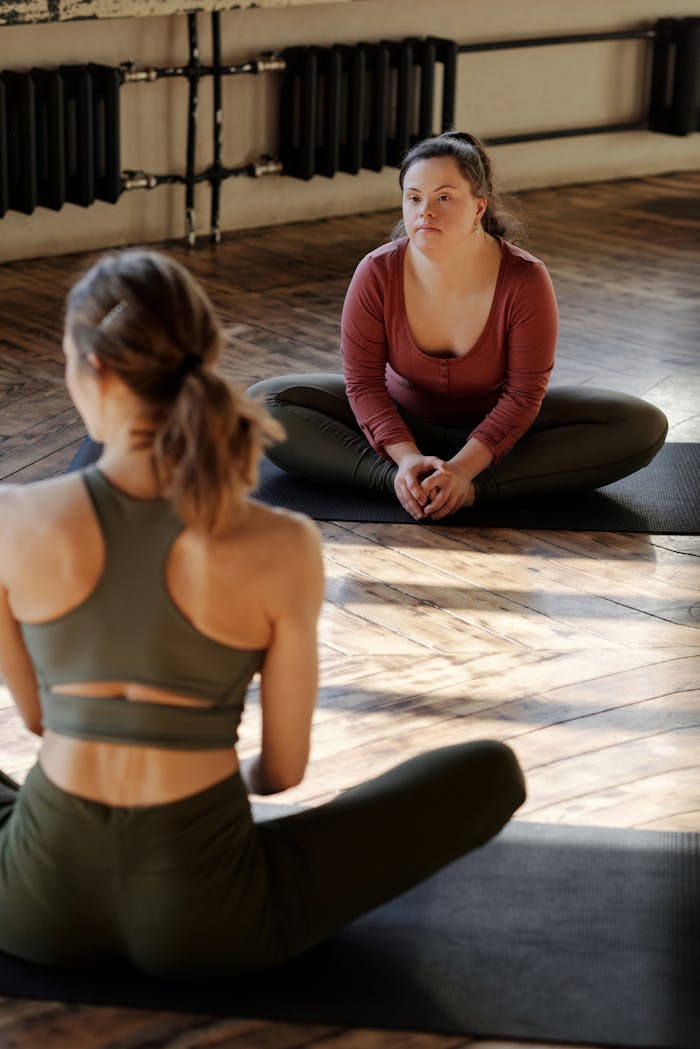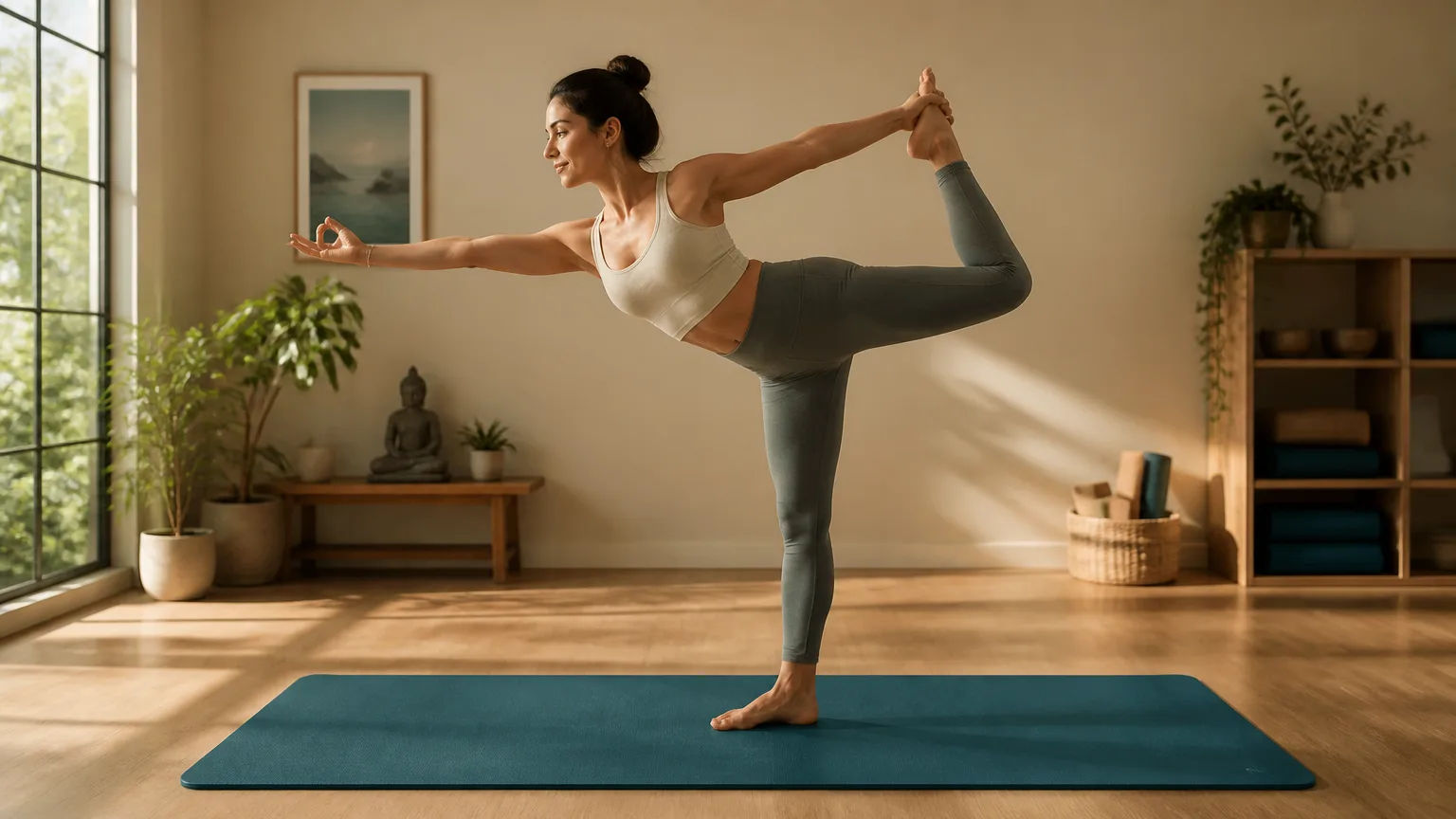
A gaiam yoga mat can become more than a surface for movement. It supports your joints, steadies your balance, and helps you feel confident as you move through each pose. The right mat also creates a clear beginning to your practice, inviting you to slow down, breathe, and return to yourself.
Choosing one is a personal practice decision, not a search for one universally best mat. Your ideal option depends on your body, preferred yoga style, available space, and budget. A gentle home practice may call for extra cushioning, while flowing sequences may benefit from a lighter mat with dependable grip.
This guide will help you compare Gaiam mats with those needs in mind. We’ll consider thickness, material, traction, dimensions, portability, sustainability, and simple maintenance. Together, these details can help you find a mat that feels supportive in both practical and personal ways.
Think of your mat as part of a larger ritual. Whether you practice in a quiet corner at home or join a welcoming studio community, a well-chosen mat can make showing up feel easier. As you explore your options, visit Joyous Yoga for more inspiration on mindfulness, movement, and holistic wellness.
Start With Your Practice: The Features That Matter Most
Before comparing thicknesses, textures, or colors, begin with your practice. The best Gaiam yoga mat is not simply the most popular option. It is the one that supports your body, your movement, and your ability to practice consistently.
Your yoga style is a helpful starting point. A gentle restorative practitioner may value extra cushioning and a soft, comfortable surface for longer-held poses. A vinyasa student often needs reliable grip and enough stability for transitions. Someone attending hot yoga may prioritize a moisture-resistant texture that helps prevent slipping as the practice becomes more intense.
Your experience level matters, too. Newer students may appreciate a slightly thicker mat that feels forgiving under the knees. More experienced practitioners might prefer a firmer, thinner construction that improves stability and connection with the floor. Neither choice is better for everyone. The right option should help you feel supported without distracting you from your breath and movement.
Pay attention to your body’s individual needs. If your wrists or hands feel sensitive, look for cushioning that reduces pressure during downward-facing dog, plank, and other weight-bearing poses. If balance is a concern, a stable surface with dependable traction can help you feel more secure. Those with tender knees, hips, or ankles may benefit from additional padding, especially when practicing on hard flooring.
Your practice location also influences the ideal mat. A home practice on carpet may require less cushioning than a studio with wood or concrete floors. If you travel to class, consider weight and portability. A lighter mat may be easier to carry, while a denser mat may stay flatter and offer greater stability.
Before shopping, consider these questions:
- Which poses or movements feel uncomfortable?
- Do you need more grip, cushioning, or balance support?
- Will you practice at home, in a studio, outdoors, or in heated rooms?
- How often will you use and transport the mat?
- Do you prefer a softer feel or a firm connection to the floor?
Frequency of use should guide your investment. Daily practitioners may benefit from durable materials and a surface that maintains its texture over time. Occasional students can focus on essential comfort and grip without choosing the most advanced construction.
It is tempting to choose based on a favorite color, a low price, or familiar brand recognition. Those details can matter, but they should come after safety and consistency. When your mat meets your practical needs, showing up becomes simpler, steadier, and more enjoyable.
Choose the Right Thickness and Cushioning
Thickness shapes how your yoga mat feels beneath every movement. A thinner mat can help you feel grounded and connected to the floor, while a thicker mat offers more comfort for sensitive joints. Gaiam yoga mat options come in several thicknesses, so consider your practice, body, and preferred level of support.
A thin mat, often around 1/8 inch or 2–3 millimeters, provides a close connection to the floor. This can help with balance, standing poses, and transitions because your feet feel more stable. Thin mats are also lightweight and easy to carry, making them useful for travel or practices that emphasize alignment and control.
The trade-off is reduced cushioning. If your knees, hips, wrists, or back feel tender during floor-based poses, a thin mat may not provide enough support. You may notice more pressure during kneeling, seated stretches, or restorative postures.
A medium-thickness mat, commonly around 1/4 inch or 5 millimeters, offers a versatile balance. It provides noticeable cushioning without feeling overly soft under your feet. For many practitioners, this thickness works well for a mix of standing poses, gentle flows, strength-building sequences, and relaxation.
Thicker mats, often around 5/16 inch or 6 millimeters, create a more cushioned surface. They can feel especially welcome if you have sensitive knees, hips, or backs, or if your practice includes longer periods on the floor. Extra padding may also make restorative yoga, stretching, and meditation more comfortable.
However, more cushioning is not always better. A very soft surface can feel less stable during balancing postures, such as Tree Pose, and may make transitions feel less secure. If you regularly move between standing and floor-based poses, look for a thicker mat with a firm, supportive feel rather than softness alone.
Your lifestyle matters, too. A heavily cushioned mat can be wonderful at home but awkward to carry to class. If you practice in different locations, consider a folding or travel mat. These thinner mats pack easily and can be layered over a studio mat for extra grip and hygiene.
This combination may be more practical than carrying one thick mat everywhere. Use the studio mat for cushioning, then add your folding mat for a familiar practice surface. You can also place a towel or small knee pad beneath sensitive areas when you need targeted support.
As you compare Gaiam’s mat options, notice how your body responds. Test basic poses, kneeling positions, and transitions when possible. The right thickness should help you feel supported without separating you from the steady, grounded experience of movement.
Understand Grip, Texture, and Material
Grip is one of the most important features of a yoga mat, but it is not the same for every practice. A surface that feels secure during a dry home session may respond differently during heated yoga or a sweat-heavy flow. As you compare a Gaiam yoga mat, consider when and where you practice, not just how the mat feels in the package.
Dry grip describes the traction you feel when your palms and feet are clean and relatively dry. It can support steady holds in poses such as downward dog, warrior, and triangle. Sweaty or heated sessions require a mat that manages moisture well, and even then, no surface can guarantee that your hands will never slide. A towel, grip socks, or adjustments to your hand placement may still be helpful.
Texture affects both traction and comfort. Some mats have a smooth, lightly cushioned surface, while others feel more raised or patterned beneath your hands. A textured finish may offer helpful feedback during transitions, but it can feel distracting when you kneel or rest. Look beyond appearance and notice how the surface feels during movement.
If possible, test the mat with your palms and feet. Try downward dog, a low lunge, and a few transitions between standing and the floor. These movements reveal more than simply pressing your hand against the mat. Pay attention to whether your hands stay planted, your feet feel stable, and the texture supports movement without irritating your skin.
Material also shapes the mat’s feel, weight, durability, and care needs. PVC mats are often resilient and can provide a smooth, consistent surface. They may also be heavier and less appealing to shoppers prioritizing lower-impact material choices. TPE is typically lightweight and cushioned, with a different feel from PVC, though quality and durability vary by design.
Natural rubber can offer a springy, substantial surface and strong traction for some practitioners. It may have a noticeable rubber scent, especially when new, and it can be unsuitable for people with latex sensitivities. Other materials and blends may balance softness, weight, and environmental considerations differently, so check the product details instead of relying on broad labels.
Remember that grip can change over time. Oils, dust, cleaning products, moisture, and regular wear may alter the surface. A mat that feels wonderfully secure at first may become smoother, while a damp mat may feel less predictable. Clean it according to the care instructions, allow it to dry fully, and reassess its traction as your practice evolves.
Match Your Gaiam Mat to Your Yoga Style and Setting
The best mat depends on how, where, and why you practice. A lightweight gaiam yoga mat may suit a quick home flow, while a more supportive design can make longer sessions feel comfortable and steady. Consider your practice setting alongside thickness, texture, length, and ease of care.
Home Yoga
At home, choose a mat that fits your available space and your regular sequence. For vinyasa and power yoga, reliable traction helps your hands and feet stay grounded through Downward-Facing Dog, lunges, and flowing transitions. Moderate cushioning protects your joints without making balance poses feel unstable.
Length matters, too. If you are tall or enjoy extended poses, an extra-long mat can give you room to transition without stepping off the surface. For a shared household, look for a material that is easy to wipe clean and simple to store.
Studio Classes
Studio practice often calls for versatility. You may move from active flows to seated stretches within the same class, so seek a balanced combination of grip, cushioning, and portability. A mat that rolls easily and has a manageable weight makes commuting more convenient.
If you practice several styles, avoid choosing a mat based on one feature alone. Strong traction supports active movement, while moderate comfort can soften kneeling poses and floor-based work. You might also bring a mat towel or small cushion when a class calls for additional support.
Restorative and Yin Yoga
Restorative and yin practices involve longer holds and more time close to the floor. Prioritize comfort, gentle cushioning, and a surface that feels warm rather than slick or cold. A slightly thicker mat can ease pressure on sensitive knees, hips, and wrists.
Surface warmth also contributes to relaxation. Pair your mat with blankets, bolsters, or a towel to create a welcoming environment that encourages stillness and mindful breathing.
Hot Yoga
Heat and sweat change how your mat performs. Look for dependable stability, strong moisture management, and compatibility with a yoga towel. A towel can absorb sweat and improve grip, but it should stay secure during repeated transitions.
Hot yoga also requires more frequent cleaning. Choose a mat that tolerates regular care and dries thoroughly between sessions. For more guidance on materials, grip, and maintenance, explore this best yoga mat for hot yoga.
Outdoor Practice
Outdoor sessions bring different challenges. During yoga in the park, uneven ground makes stability important, while grass, dirt, and pavement can increase abrasion. Choose a durable mat that rolls easily, carries comfortably, and cleans without much effort.
A portable design helps you follow your practice wherever inspiration leads. Consider a carrying strap or lightweight construction, especially when walking to your chosen outdoor space.
Compare Gaiam Mat Designs, Sizes, and Portability
A Gaiam yoga mat comes in several designs, so your best choice depends on where and how you practice. Start by comparing dimensions, surface details, construction, and carrying options. A mat that fits your body and routine will feel more useful than one chosen by appearance alone.
Standard mats offer a practical balance for most practitioners. They usually provide enough length and width for standing poses, seated stretches, and everyday home practice. If you are taller or enjoy a spacious practice area, look for a longer mat. Extra length can keep your hands and feet on the surface during poses such as Downward-Facing Dog.
Broader practitioners may also appreciate an oversized design. A wider mat gives you more room for transitions and can feel reassuring during restorative poses. However, measure your practice space first. A larger mat may crowd a small room, take longer to store, and feel less convenient in a shared studio.
If you commute frequently, compact dimensions may be more practical. Lightweight mats are easier to carry from home to class, especially when walking, cycling, or using public transportation. Consider the full journey, not only the mat’s listed weight. A mat that feels manageable for a short trip may become tiring during a longer commute.
Construction also affects portability. Rolled mats often provide a familiar, cushioned surface and can be secured with a strap. They may need more storage space, especially in narrow closets. Foldable mats can fit into shelves, drawers, or suitcases, making them useful for travel. However, repeated folding may create creases, and some folded designs offer less cushioning.
Check whether the mat includes a carrying strap or requires a separate accessory. A strap can keep a rolled mat compact while leaving your hands free. It may also support easy storage between sessions. Still, assess whether the mat can realistically travel from your home to class without becoming an inconvenience.
Some Gaiam designs include alignment markings, such as center lines or hand and foot guides. These visual cues can support consistent positioning, particularly when practicing independently. They are optional guidance, not a substitute for teacher feedback, careful instruction, or awareness of your body’s natural alignment.
As you compare designs, imagine your actual routine. The best mat is one that fits your space, supports your movement, and makes regular practice easier to begin.
Evaluate Durability, Care, and Overall Value
A yoga mat is a daily companion, so look beyond its first impression. When comparing a Gaiam yoga mat, consider how well it may handle your practice, cleaning routine, storage habits, and changing needs over time.
Start by reviewing the product’s care instructions. Different materials may require different cleaning methods, and using the wrong product can affect the surface. When appropriate, wipe the mat with a gentle solution, then allow it to dry fully before rolling or storing it.
Avoid putting your mat away while it is damp. Moisture can encourage persistent odors and may contribute to surface changes over time. A brief care routine after practice can help preserve the mat’s grip, comfort, and appearance.
Durability also depends on how and where you practice. Frequent sun exposure, rough flooring, jewelry, pet claws, and repeated folding can increase wear. If you practice daily or travel with your mat often, a sturdier design may offer better value than the lowest-priced option.
Pay attention to how the mat feels during familiar movements. A small change may be normal with use, but certain warning signs suggest it is time to replace it:
- Look for persistent odor, peeling, cracking, or visible separation in the surface.
- Notice whether grip has decreased, especially during transitions or sweaty practices.
- Check for deep compression that affects kneeling comfort, balance, or stability.
- Replace the mat if wear makes you adjust your alignment or avoid certain poses.
A mat that no longer feels secure can distract you from mindfulness and make consistent practice more difficult. Replacement timing depends on your frequency, intensity, storage, and the mat’s construction. Instead of following a fixed schedule, reassess its condition regularly.
Include warranty and return policies in your comparison. A clear return window gives you time to test the mat at home, while warranty coverage may provide support if a material defect appears. Keep your receipt and review any exclusions before purchasing.
Finally, weigh total cost of ownership rather than only the upfront price. A less expensive mat may need frequent replacement, while a durable option can support years of steady use. If your mat will anchor a daily practice, investing in consistent comfort, dependable grip, and easy maintenance may help you show up with greater ease.
Frequently Asked Questions About Choosing a Gaiam Yoga Mat
Which Gaiam mat thickness is best for beginners?
A medium-thickness mat, often around 4–6 millimeters, suits many beginners. It offers a helpful balance of cushioning, stability, and connection to the floor. If your joints need extra care, a thicker option may feel more comfortable.
Does thicker always mean better?
Not necessarily. Extra cushioning can support sensitive knees and wrists, but it may make balancing poses feel less stable. A very thick mat can also feel heavier and less convenient to carry. Choose based on your body, practice style, and storage needs.
How do I choose between grip and cushioning?
Consider the movements you practice most. Strong grip supports flowing sequences, standing poses, and sweaty sessions, while cushioning benefits kneeling, stretching, and seated work. If you practice gently or spend more time on the floor, cushioning and easy handling may matter most.
Are Gaiam mats suitable for hot yoga?
Some Gaiam mats can work well for warm or heated classes, especially when they provide reliable traction. However, sweat may change how any surface feels. Bring a yoga towel if needed, and check the mat’s care guidance after each session.
How can I reduce new-mat odor?
Unroll your mat and let it air out in a well-ventilated area before using it. Wipe it gently with a manufacturer-approved solution, then allow it to dry completely. Avoid harsh cleaners, direct heat, or storing it while damp.
Can a travel mat replace a standard mat?
A travel mat can replace a standard mat when portability is your priority. Its lighter, thinner design suits trips, outdoor practice, or studio commutes. For daily use, you may prefer a standard Gaiam yoga mat with more cushioning and structure.
What mat works well for chair yoga or seated movement?
Chair yoga still benefits from a clean, dependable surface for feet, transitions, and occasional floor contact. Choose a mat that rolls easily and offers enough cushioning without becoming cumbersome. Pairing your practice with a free chair yoga app can also make gentle daily movement easier to maintain.
A Simple Gaiam Yoga Mat Decision Checklist
Before choosing a Gaiam yoga mat, pause and picture your real practice. Will you flow through vigorous sequences, practice gentle stretching, meditate, or combine several styles? Also consider where you practice most often, such as a hardwood floor, carpeted room, studio, or outdoor space.
Use this simple checklist to turn those reflections into a confident choice:
- Name your priorities. Identify your primary practice, preferred location, and sensitivity to floor impact. If your knees or wrists need extra care, cushioning may matter more. If you practice balancing poses, a stable surface and dependable grip may take priority.
- Consider how you will use the mat. Decide whether you need strong traction for sweaty sessions, a lighter design for commuting, or a wider surface for comfortable movement. Think honestly about how often you will carry, clean, and store it.
- Set a realistic budget. Choose an amount that supports consistent use without creating financial stress. The most expensive option is not automatically the best match for your body or routine.
- Compare two or three Gaiam models. Measure each one against your priorities rather than comparing features in isolation. Check dimensions, thickness, materials, texture, and overall weight.
- Review the practical details. Read the care instructions and confirm how the mat should be cleaned and dried. Before checkout, review the return terms in case the texture, size, or cushioning feels different than expected.
- Imagine your next month of practice. Ask which mat would make it easier to unroll your space, settle your attention, and move comfortably. Choose the one you are most likely to use regularly.
This process keeps the decision personal and grounded. Your ideal mat does not need the most advanced construction or the highest price. It needs to support your movement, suit your surroundings, and help you return to practice with steadiness and ease.
Choose the Mat That Supports Your Practice
Choosing a Gaiam yoga mat is ultimately about finding a dependable foundation for your practice. The right mat should fit your body, movements, environment, and intentions. It does not need to be the most advanced or expensive option. It needs to help you feel steady, comfortable, and ready to begin.
Consider how each feature works together. Cushioning can support sensitive knees and joints, while grip helps you move with confidence through transitions. Material affects feel, durability, and care. Size should give you room to move, while portability matters if you travel, walk to class, or practice outdoors.
Care also influences your mat’s long-term value. Cleaning it according to the instructions and allowing it to dry fully can help preserve its surface. When comparing price, think beyond the initial purchase. A durable mat that remains comfortable, supportive, and easy to maintain may serve you more reliably over time.
Most importantly, your mat is not a performance accessory. It is a steady place to notice your breath, build strength, explore balance, and return to mindfulness. When the surface feels dependable, your practice can become less about managing distractions and more about listening to your body.
Let your choice reflect the practice you want to nurture. You might prefer a cushioned mat for gentle floor-based movement, a grippy surface for flowing sequences, or a lightweight design that supports a consistent routine wherever you are. There is no single perfect option, only the one you are most likely to use regularly.
Your exploration does not have to end with your purchase. Keep learning through supportive movement resources, including these beginner-friendly 2 people yoga poses, which invite balance, trust, and connection. With a thoughtful choice and regular practice, your mat can become a welcoming foundation for a more mindful, joyful wellness journey.