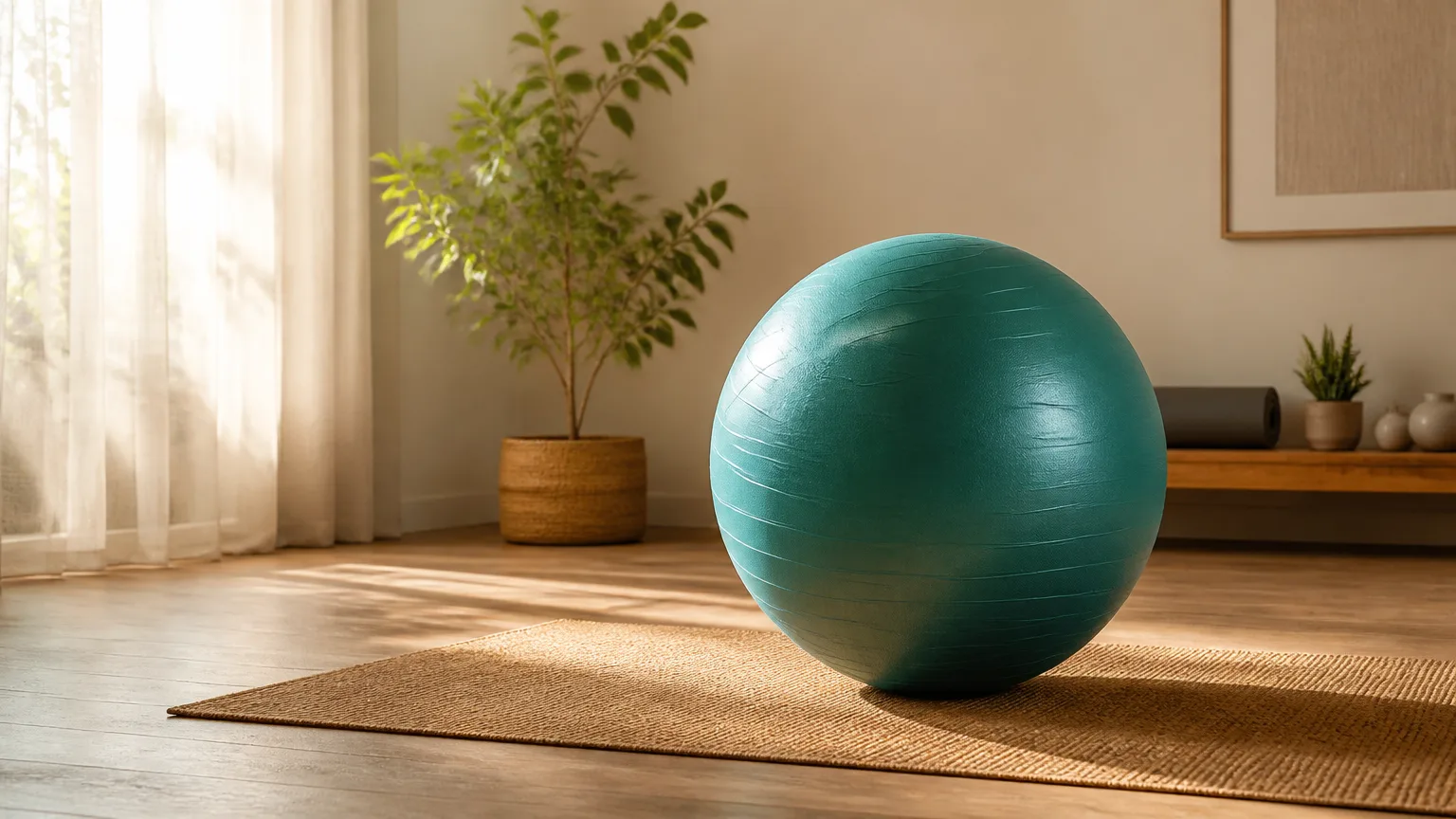
A yoga ball can bring fresh energy and gentle challenge to your home practice. It supports balance, mobility, core engagement, posture, and mindful movement, whether you are stretching after a long day or building stability through seated exercises. Choosing the right yoga ball helps each movement feel more comfortable, confident, and purposeful.
The best option is not always the most stylish or expensive one. Your ideal ball depends on your body size, intended use, available space, and personal comfort. A ball for desk support may need different features than one used for core training, restorative poses, or dynamic movement.
As you explore your choices, consider the ball’s size, material, weight capacity, surface texture, and inflation level. Safety matters, too, especially when you are practicing on hard floors or using the ball for balance. The right texture can improve grip, while proper inflation can make the ball feel stable without becoming rigid.
A yoga ball is a complement to a holistic practice, not a replacement for foundational instruction or a steady mat-based routine. Begin with familiar movements, create enough space to move safely, and listen closely to your body. These small choices can turn a corner of your home into a welcoming place for consistency and calm.
Whether you are new to mindful movement or refining an established routine, Joyous Yoga offers inspiration for exploring yoga and broader wellness practices. With a thoughtful approach, your yoga ball can support a more balanced, adaptable, and enjoyable practice at home.
What Is a Yoga Ball, and How Can It Support Home Practice?
A yoga ball is an inflatable exercise ball that adds gentle instability to familiar movements. As the surface shifts beneath you, your core, hips, back, and feet make small adjustments to help you stay balanced. These subtle movements can make simple exercises more engaging, especially when paired with controlled breathing and gradual progression.
At home, a full-size stability ball can support balance training, seated mobility, core work, stretching, and modified yoga poses. You might sit on it for gentle pelvic circles, place your hands on it during a supported plank, or rest your back over it for a chest-opening stretch. You can also use it beneath your knees or hips during restorative positions, creating a comfortable setup that encourages relaxation.
The ball does not automatically improve posture or eliminate pain. Instead, it offers feedback and variety as you explore alignment, stability, and range of motion. Move slowly, keep your breathing steady, and stop if you feel sharp pain, dizziness, or strain. If you have an injury or medical concern, ask a qualified professional how to adapt your practice.
A stability ball can be useful for beginners who want support while learning balance and body awareness. Experienced practitioners may use it to challenge familiar poses or explore new ways to engage the core. Older adults and people seeking gentle mobility may appreciate seated movements and supported stretches, provided the ball is properly sized and placed on a stable, nonslip surface.
Not every “yoga ball” serves the same purpose. Consider the differences before choosing one:
- A full-size stability ball supports sitting, balance exercises, core training, stretching, and modified poses.
- A small Pilates ball fits between the thighs, beneath the lower back, or under the hands and knees.
- A weighted ball adds resistance for strength exercises but is not designed for most balance-based yoga movements.
- An inflatable meditation cushion provides a raised, flexible seat for meditation. It is not a substitute for a stability ball.
Your choice depends on the movements you expect to perform. If you want seated mobility, supported stretching, or balance work, a full-size stability ball is the most versatile option. If you mainly want to refine alignment, engage the inner thighs, or add support to floor-based exercises, a small prop ball may be enough.
Some home practitioners benefit from having both. The larger ball creates an adaptable surface for whole-body movements, while the smaller ball offers precise support during Pilates-inspired exercises and gentle yoga transitions. Whichever you choose, begin with familiar movements and allow your confidence to build over time.
Choose the Right Yoga Ball Size for Your Height and Space
The right yoga ball should feel supportive, stable, and comfortable beneath you. Ball diameter matters, but height charts are only a starting point. Your proportions, flexibility, posture, and intended use can all influence which size feels best.
Use this general guide when comparing common yoga ball sizes:
- 45 cm: Usually suited to people under 5 feet tall, or for children and smaller, targeted exercises.
- 55 cm: Often a good starting point for heights around 5 to 5 feet 6 inches.
- 65 cm: Commonly recommended for people around 5 feet 6 inches to 6 feet.
- 75 cm: Often works well for people over 6 feet tall or those who need more legroom.
These ranges can overlap, so avoid choosing by height alone. Longer legs may require a larger ball, while limited flexibility may make a slightly smaller ball feel more manageable. Your goals matter, too. A ball used for seated desk work may need a different size than one used for core exercises or gentle stretching.
The most useful check is the seated test. Sit near the center of the fully inflated ball with both feet resting flat on the floor. Your knees should be close to a right angle, and your hips should sit level with or slightly higher than your knees.
Notice how your body feels in this position. Your spine should feel relaxed and naturally upright, not compressed or forced into a deep bend. If your knees rise above your hips, the ball may be too small. If your feet struggle to reach the floor, it may be too large.
Inflation also changes the ball’s effective height and firmness. A ball filled more firmly will usually sit taller and provide a more responsive surface. A softer ball may feel more forgiving, but it can also make balance work more demanding.
Follow the manufacturer’s recommended diameter and inflation instructions. Do not keep adding air until the yoga ball feels maximally firm. Overinflation can change your alignment, reduce comfort, and place unnecessary stress on the material. After inflating, allow the ball to settle before checking your seated position again.
Your available space deserves equal attention. Before bringing a large ball home, measure the area where you plan to practice. Check the ceiling height if you will lift the ball overhead, and leave enough clearance from tables, walls, lamps, and sharp furniture edges.
Consider how you will store it between sessions. Some people keep the ball in a corner, while others use a stand, storage strap, or partial deflation. If it will double as a desk chair, choose a size that supports relaxed computer use and allows your feet to stay grounded.
If the ball is dedicated to exercise, you may have more flexibility with fit and placement. Either way, choose a size that helps you move with ease and confidence. When your setup feels welcoming, mindful practice becomes easier to return to.
Evaluate Materials, Construction, and Safety Features
Once you have found a comfortable size, look closely at how the yoga ball is made. Its materials and construction affect stability, comfort, and long-term value. A well-made ball should feel supportive without becoming overly soft, sticky, or difficult to control.
Look for thick, high-quality PVC that can handle repeated inflation and regular movement. Many exercise balls use “anti-burst” construction, which means the ball is designed to deflate slowly if punctured. This gives you more time to respond and reduces the risk of a sudden collapse.
Anti-burst does not mean puncture-proof. No inflatable ball is indestructible, so inspect it regularly for scratches, thinning areas, cracks, or unusual changes in texture. Be especially careful if you practice with weights, pets, jewelry, or equipment that could damage the surface.
The finish also matters. A lightly textured or anti-slip surface can help you stay grounded during seated balance exercises, core work, and stretching. Avoid a ball that feels excessively slick, particularly if you plan to use it on smooth flooring or practice movements that require shifting your weight.
Examine the seams for even, secure construction. Raised, rough, or inconsistent seams may cause discomfort or signal weaker manufacturing. The valve should sit firmly and flush with the surface, while the plug should seal tightly without leaking air. If reviews frequently mention slow leaks, difficult inflation, or a loose valve, consider another option.
Before purchasing, confirm both the static and dynamic weight ratings. Static capacity refers to the weight the ball can hold while you are still. Dynamic capacity accounts for movement, bouncing, added equipment, and the extra force created during exercise.
Choose a yoga ball with a rating that comfortably accommodates your body weight and anything else involved in your practice. A generous margin can support greater confidence, especially during active movements or strength exercises.
When comparing brands, look for clear information about quality testing, safety standards, or relevant certifications. Specific testing claims are more helpful than broad phrases such as “professional grade.” If the manufacturer does not explain its materials, weight ratings, or safety testing, treat that lack of detail as a reason to pause.
Create a safe environment before using your ball:
- Place it on a clean, level, non-slip surface.
- Keep it away from sharp objects, rough edges, and heat sources.
- Inflate it according to the manufacturer’s instructions.
- Check for damage before each practice.
- Replace it if it becomes brittle, damaged, leaky, or permanently misshapen.
A thoughtful setup protects both your equipment and your peace of mind. With a stable foundation, you can focus more fully on mindful movement and joyful exploration.
Compare Ball Firmness, Texture, and Design Features
Once you have chosen a suitable size, consider how the yoga ball feels and responds beneath you. Firmness, surface texture, and small design details can shape your comfort, confidence, and control during home practice.
A firmer ball offers more challenge and responsiveness. It reacts quickly to shifts in weight, making it useful for balance exercises, core work, and dynamic movement. A slightly softer ball may feel more supportive for seated mobility, gentle stretching, or restorative poses. It can also feel welcoming when you are still developing your balance.
Inflation affects firmness, so follow the manufacturer’s guidance rather than relying only on touch. Your ball should feel stable without becoming rigid. Test it with a few familiar movements, such as seated circles or supported squats, before adding more demanding exercises.
Surface texture also influences your experience. A textured or ridged finish can improve grip during sweaty sessions, helping your hands, feet, or clothing stay in place. This added traction may support more confident transitions and balance work.
However, deeper grip patterns can feel uncomfortable against bare skin during prolonged seated or supine poses. If you enjoy longer relaxation practices, compare the texture with your usual clothing and preferred movements. A smooth surface may feel gentler and easier to clean, though it can become more slippery with sweat.
Look closely at the ball’s construction and design features. Anti-burst materials can provide added peace of mind, while reinforced seams may support regular use. These features do not replace careful inspection, but they can contribute to a dependable practice setup.
Portability may matter if you store your yoga ball between sessions or carry it to different rooms. A lighter ball is easier to move, while a compact pump can make inflation more convenient. If a pump is included, check that its nozzle fits securely and works efficiently.
Plugs are another small but useful detail. Some balls include replacement plugs or a tool for removing them safely. Keep these pieces in a designated place, since a missing plug can make storage and maintenance more frustrating.
You may also find balls with optional bases or rings. A weighted base can help keep the ball from rolling when you pause, store it, or use it at a desk. It supports storage stability, but it does not replace active balance work or make challenging movements effortless.
Choose accessories based on your actual practice. A pump supports reliable inflation, while a base is helpful when stability between exercises matters. When each feature serves your needs, your equipment feels simpler, more supportive, and easier to enjoy.
Match the Yoga Ball to Your Practice Goals
The best yoga ball is the one that supports how you genuinely want to move. Before comparing colors or accessories, consider your main goal, your available space, and your comfort level with instability.
For gentle daily movement, prioritize a comfortable diameter, predictable grip, and moderate firmness. The ball should feel supportive rather than wobbly, especially during seated mobility, spinal movements, and easy stretching. If you are building a consistent routine, pair it with a free chair yoga app for accessible guidance on days when floor-based practice feels less inviting.
If balance development is your focus, choose a ball that creates movement without overwhelming you. A properly inflated stability ball offers gentle feedback as your body adjusts. Start with seated weight shifts, supported kneeling, or hands-on-the-ball exercises before trying more demanding balance work. Keeping a wall or sturdy chair nearby can make experimentation feel safer.
For strength and dynamic practice, a full-size, appropriately firm ball can add challenge to familiar movements. Try placing your hands on the ball during planks, resting your calves on it for bridges, or using it to support controlled kneeling work. It can also deepen core exercises by asking your body to stabilize while you move.
The goal is challenge with control. Choose a firmness that supports steady alignment, rather than making every pose a high-risk balance test. If the ball rolls unpredictably or causes you to hold your breath, reduce the difficulty and revisit the setup.
Those interested in vigorous formats may use a ball as supplemental equipment alongside established practices such as power yoga. It does not need to appear in every sequence. A few purposeful exercises can complement an active practice without distracting from breath, strength, or mindful transitions.
For rehabilitation-informed mobility, follow guidance from a qualified healthcare professional or movement specialist. A softer ball or smaller support ball may help with positioning, gentle range-of-motion work, or seated exercises. Choose predictable support over maximum instability, and stop if you notice pain, numbness, or unusual strain.
A yoga ball can also support meditation. Select a size that lets your hips sit comfortably and your feet rest securely on the floor. Gentle movement before stillness may help release tension, while a stable seated position can make meditation feel more approachable.
For family use, consider durability, easy cleaning, and a size that suits each person. Children should use the ball with close supervision and plenty of open space. When each family member has an appropriate way to participate, the practice becomes more playful, welcoming, and sustainable.
Learn How to Use a Yoga Ball Safely at Home
A safe home practice begins with a calm, supportive setup. Choose an open area free from clutter, place the ball on a nonslip surface, and practice near a wall or sturdy support. Check the ball for damage, wear comfortable clothing, and keep water nearby.
Begin with a brief warm-up before adding challenge. Take several steady breaths, gently circle your shoulders, and explore slow spinal movements. You might also walk in place or perform easy standing stretches to help your body feel prepared.
Start with grounded exercises that build awareness and control. Try seated weight shifts, supported pelvic tilts, and gentle spinal mobility. Wall-assisted squats and bridges are helpful next steps because they strengthen the legs and core while keeping you close to stable support.
Focus on slow movements rather than long holds. Let your breath guide the pace, inhaling to create space and exhaling during effort. If your breathing becomes strained, pause and reset. A controlled exit from every exercise matters more than how long you stay in position.
As your confidence grows, gradually explore kneeling or standing balances. Keep one hand near the wall, and consider having a trusted person spot you during unfamiliar movements. Practice stepping off carefully, rather than quickly jumping away when balance shifts.
You can modify nearly every drill. Widen your feet, reduce your range of motion, hold the wall, or place a folded blanket beneath your knees. If the ball feels too unstable, return to seated or floor-based movements and build strength over time.
A qualified teacher can also help you refine technique and choose appropriate progressions. For example, exploring Iyengar yoga South Bay may offer valuable guidance on alignment, props, and mindful support.
Some circumstances call for extra care. If you are pregnant, recovering from recent surgery, experiencing significant joint instability, dizziness, acute pain, or a balance disorder, consult a qualified healthcare or movement professional first. Stop immediately if pain, numbness, unusual shortness of breath, or lightheadedness appears.
With patience and attention, your yoga ball can become a steady partner in home practice. Let comfort, clear breathing, and mindful control shape each session.
Frequently Asked Questions About Choosing a Yoga Ball
Choosing a yoga ball becomes easier when you know how size, firmness, and safety affect your experience. These common questions can help you make a confident choice for your home practice.
What size yoga ball should I get for my height?
Height charts offer a helpful starting point, but they are not the only factor. Your seated alignment, the ball’s inflation level, and your intended use also matter.
When seated, your hips should be level with or slightly higher than your knees. Your feet should rest comfortably on the floor, with your knees near a right angle. If you plan to use the ball for desk work, check your arm and shoulder position as well. A different size may suit exercise, stretching, or seated support.
Is a yoga ball the same as a Pilates ball or exercise ball?
The names can overlap, but they often describe different shapes and sizes. A full-size stability ball is designed for seated balance, core support, stretching, and whole-body movement. It is usually the best choice for general home practice.
A small Pilates ball is a softer, lightweight prop. It can support gentle strengthening, alignment, or controlled movement between the knees or hands. Choose the smaller option when you need precise support rather than a large, unstable surface.
How firm should a yoga ball be?
Aim for a balance between support, grip, and responsiveness. A properly inflated ball should feel stable while still allowing slight compression under your weight. If it feels too soft, movement may become less predictable. If it feels overly firm, it may offer less comfort and a sharper challenge.
Always follow the manufacturer’s inflation guidance. Test the ball with simple seated movements before beginning more active exercises. Your breathing should remain relaxed, and you should feel able to control your position.
Can I use a yoga ball as an office chair?
You can use one for short, attentive periods, provided your feet stay grounded and your spine remains neutral. Change positions regularly, stand up, and include other forms of movement throughout the day.
A yoga ball should not replace an ergonomically adjustable chair. It does not provide the same back support, height adjustment, or long-term comfort. If you use one at a desk, keep the screen, keyboard, and work surface positioned to support relaxed shoulders.
How often should I replace or inspect my yoga ball?
Inspect your yoga ball regularly and before each practice. Look for leaks, cracks, unusual softness, surface changes, or valve problems. Keep it away from sharp objects, excessive heat, and rough surfaces.
Replace the ball when it no longer holds air, keeps its intended shape, or shows signs of material damage. When safety or stability is compromised, replacing it is the most mindful choice.
Choose a Yoga Ball That Makes Consistent Practice Feel Safer and More Accessible
Choosing the best yoga ball becomes simpler when you focus on four essentials: fit, construction, feel, and purpose. Select a size that suits your body, available space, and intended movements. Then verify its materials, weight capacity, and inflation instructions before practicing.
Consider firmness and texture, too. A gently responsive surface may feel more approachable for balance work, while a textured finish can provide helpful grip. The right ball is not necessarily the largest, most expensive, or most heavily marketed model. It is the one that matches your goals, confidence level, and home environment.
Begin with supported movements, such as seated alignment exercises, gentle core work, or balance practice near a wall. Let your breath remain steady as you experiment with small changes in position. If you are comparing a yoga ball with other equipment, clarify your practice goal first. A guide to choosing a home Pilates reformer offers a helpful example of purpose-driven selection.
With regular, mindful practice, stability develops gradually through attention, breath, and repetition. Keep exploring at a comfortable pace, and consider complementary tools such as a mat, blocks, or supportive cushions. Your yoga ball should support—not distract from—the calm, sustainable qualities that make home practice meaningful.