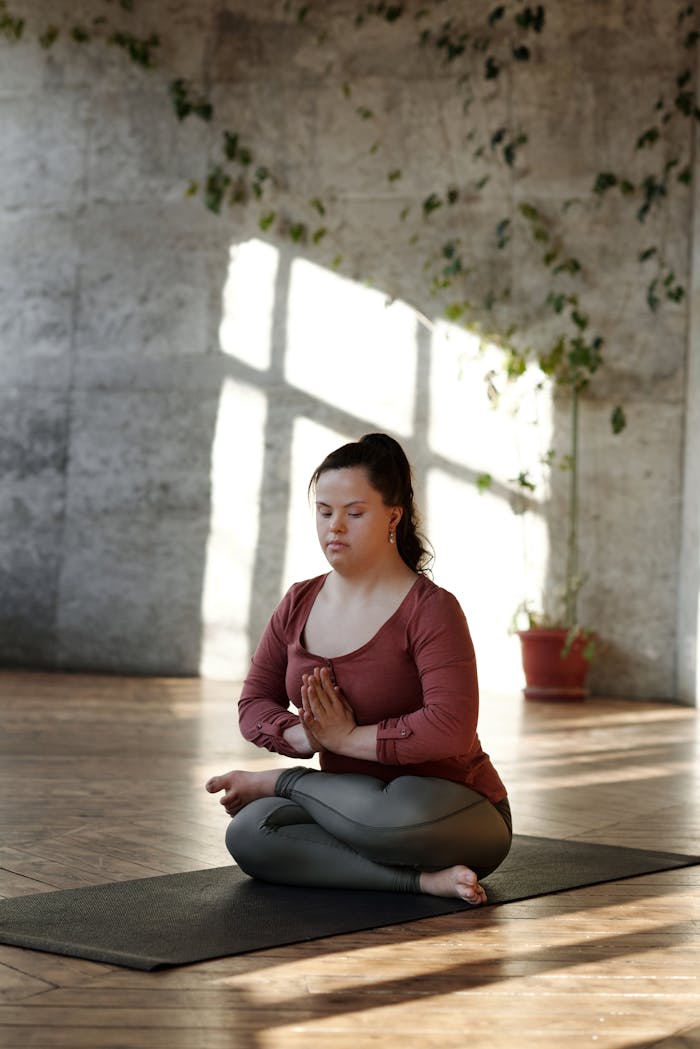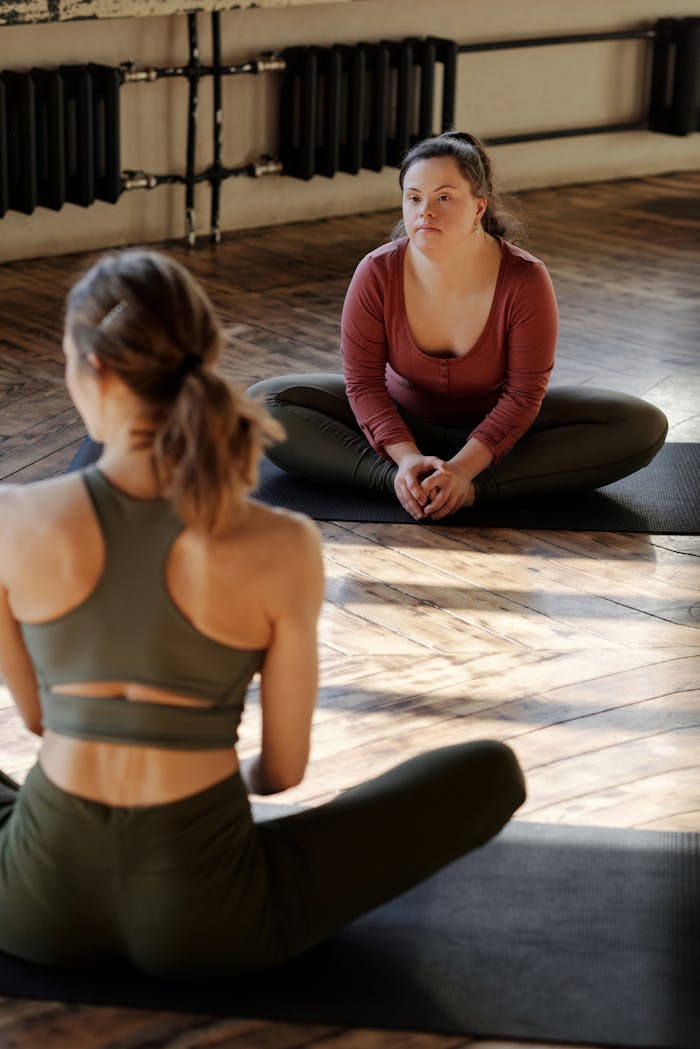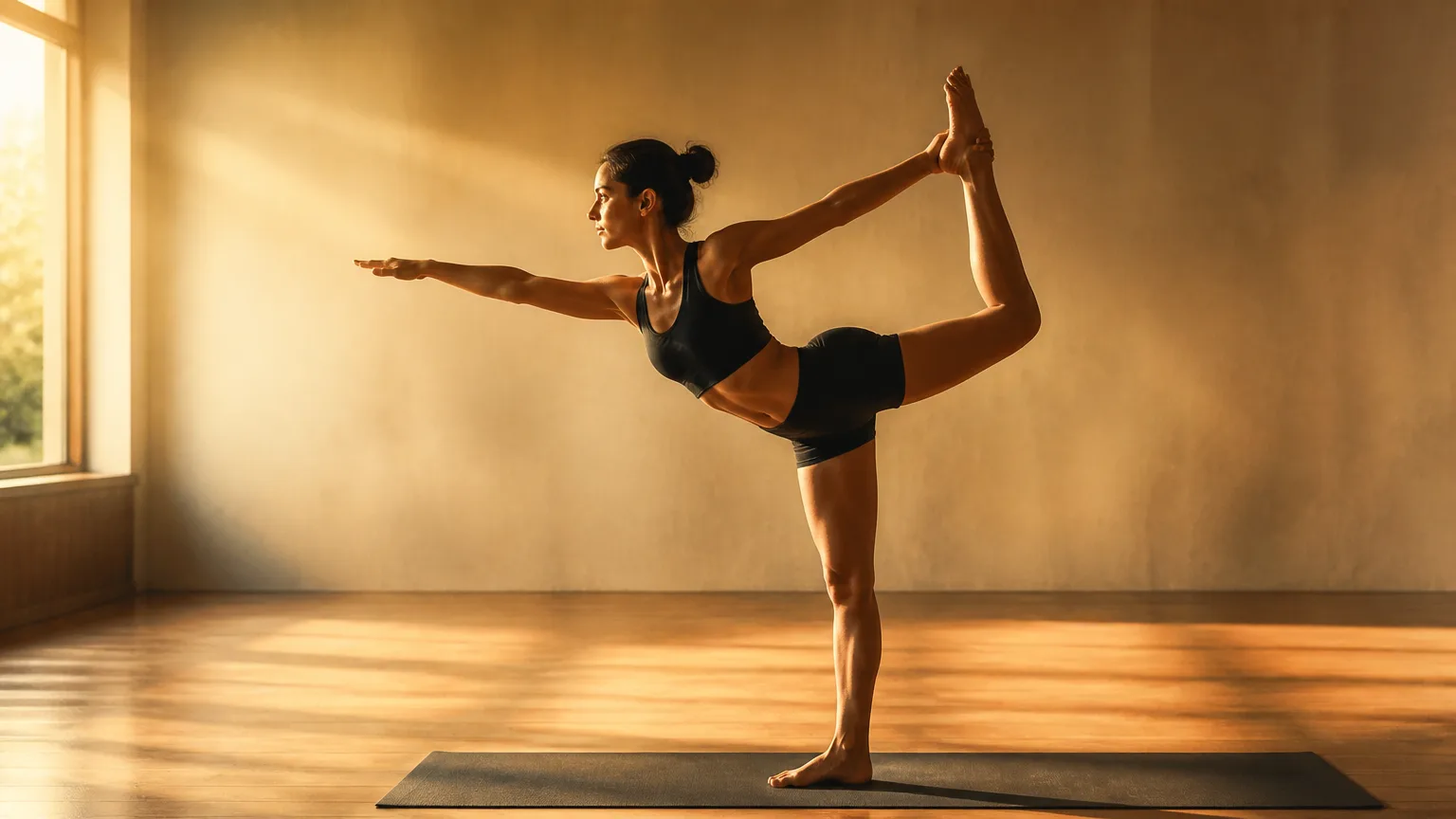
Bikram yoga is a structured hot-yoga practice designed to challenge both body and mind. Each 90-minute class follows the same sequence of 26 postures and two breathing exercises in a heated room. This consistency helps students notice gradual changes in strength, balance, focus, and self-awareness.
Bikram yoga is more than simply practicing yoga in a warm studio. Its set format creates a steady rhythm, while the heat invites patience and mindful attention. Many people are drawn to this combination of physical challenge, routine, and holistic well-being. Still, the heat can feel intense, especially for beginners. Approach your first class with curiosity, stay hydrated, and respect your personal limits. As you learn what to expect, you can explore the practice with greater confidence and find what supports your unique wellness journey.
The Origins and Structure of Bikram Yoga
Bikram yoga is a method developed and popularized by Bikram Choudhury during the 1970s. A traditional class follows a fixed series of 26 postures and two breathing exercises. The sequence is practiced in the same order each time, typically during a 90-minute, instructor-led session.
Classes take place in a heated room, often around 105°F (40°C), with moderate humidity. Instructors guide students through the sequence at a steady pace, offering cues for alignment, breathing, and safe effort. The heat may feel challenging, so students are encouraged to pause, rest, and respond to their own bodies.
Repeating the same series can create familiarity. Over time, students may notice shifts in concentration, mobility, stamina, and self-awareness without needing to learn new choreography each class. This structure also emphasizes patience, discipline, and consistent practice.
Bikram yoga is one specific style within the broader category of hot yoga. Hot-yoga classes may use different postures, temperatures, music, sequences, or teaching approaches. Because of the method’s history and naming considerations, many modern studios use terms such as hot yoga instead of Bikram yoga.
Potential Benefits of Bikram Yoga
With regular practice, bikram yoga may support flexibility, balance, muscular endurance, and overall mobility. The warm room can make movement feel more accessible for some people. However, heat does not guarantee deeper or safer stretching. Move gradually, avoid forcing a pose, and allow your body time to adapt.
The demanding sequence also builds body awareness. As you repeat familiar poses, you may notice changes in alignment, breathing, and energy. Holding postures while managing controlled breaths can strengthen concentration and mindfulness. Sweating may feel refreshing, but it is not proof that the body is “detoxing.”
Practitioners often describe mental benefits, including improved focus and stress management. The consistent structure may also create a steady routine, offering dedicated time to pause and reconnect with yourself. These experiences vary, and they are not guaranteed outcomes for everyone.
Regular classes may contribute to fitness and mobility, especially when paired with adequate sleep, balanced nutrition, and recovery. Results also depend on your health history, consistency, and individual adaptation. Listen to your body, take breaks when needed, and view progress as a personal process rather than a competition.
Key Bikram Yoga Poses to Know
The Bikram yoga sequence includes 26 postures designed to build strength, mobility, balance, and body awareness. You do not need to be flexible to begin. Each pose offers a starting point, and progress comes through steady practice rather than forcing deeper shapes.
Standing poses may challenge your legs, hips, and concentration. Standing Head-to-Knee Pose develops balance and core strength, while Eagle Pose works the shoulders, hips, and legs. Triangle Pose encourages hip mobility and spinal length. Forward bends can feel intense in the hamstrings, so keep your knees gently bent if needed.
The floor series explores spinal movement, shoulder stability, and back-body strength:
- Cobra Pose gently strengthens the back while opening the chest.
- Bow Pose combines a backbend with a leg and shoulder stretch.
- Spine-Twisting Pose encourages rotation and relaxed breathing.
Move with a soft focus and follow your instructor’s alignment cues. Use modifications, props, or a smaller range of motion whenever recommended. Rest when needed, and stop if you feel sharp pain, dizziness, nausea, or unusual weakness. With patience, these postures can become invitations to listen closely to your body.
What to Expect in Your First Bikram Yoga Class
Arrive 15–20 minutes early to complete registration, meet your instructor, and settle in. Bring plenty of water and a towel. Wear breathable, fitted clothing that allows movement and feels comfortable when wet with sweat. Eat a light meal several hours beforehand, rather than arriving overly full or hungry.
The studio will feel warm before class begins. Traditional Bikram yoga takes place in a heated room and follows a structured, repetitive sequence. Expect a challenging pace, but remember that intensity is not the goal. Experienced students may move differently, so focus on your breathing, alignment, and personal limits.
You can rest whenever needed, often in a safe position such as lying still or sitting quietly. Sip water during breaks, and leave the room or stop if you feel dizzy, nauseated, unusually weak, or unwell. After class, cool down gradually, replace fluids and electrolytes, and choose a nourishing meal.
If you are pregnant or managing cardiovascular, blood-pressure, heat-sensitivity, or other medical conditions, consult a qualified healthcare professional first. A trained instructor can also help you choose appropriate modifications.
Is Bikram Yoga Right for You?
Bikram yoga may appeal to you if you enjoy a consistent sequence, heated setting, and meditative discipline. Its value comes from integrating movement, breath, concentration, and routine—not simply from producing more sweat. When medically appropriate, try a guided class and notice how your body and mind respond over time.
A gentler or less heated style may suit you better, and that is equally valid. Choose a reputable studio, stay attentive to your limits, and let progress unfold as sustainable practice rather than endurance alone. For more supportive wellness guidance, visit Joyous Yoga.