Karma Yoga is the yogic path of selfless action. Here, karma means action—not the accumulation of good or bad luck. It invites you to act with awareness, care, and integrity while releasing attachment to personal rewards.
This practice can transform ordinary moments into opportunities for mindfulness and purpose. You might listen fully during a conversation, contribute thoughtfully at work, help a neighbor, or complete daily responsibilities with presence. Karma Yoga is not limited to a studio or physical yoga experience; it belongs wherever life unfolds. As you explore its principles, you’ll discover practical ways to bring greater balance, connection, and holistic well-being into your everyday choices.
What Is Karma Yoga? Origins, Meaning, and Core Idea
Karma Yoga is the practice of bringing awareness, integrity, and service to everything you do. Its roots appear in the Bhagavad Gita, where Krishna teaches the value of performing your duty without clinging to the fruits of your actions. In everyday language, this means giving yourself fully to the task while releasing the need to control the result.
This does not mean being busy, productive, or charitable simply for recognition. Karma Yoga begins with intention: acting sincerely, skillfully, and ethically, whether you are caring for family, serving customers, or completing a challenging project. Success, praise, and appreciation may come, but they are not the measure of your worth.
Nonattachment also does not mean apathy. A Karma Yoga approach still values quality, responsibility, and the well-being of others. You prepare carefully, make thoughtful choices, and learn from outcomes. You simply recognize that results depend on many factors beyond your control.
Within the broader yoga tradition, Karma Yoga is one path toward greater self-awareness and balance. You do not need formal training to practice it. However, those curious to explore yoga’s philosophy more deeply may consider deeper yoga teacher training as an optional next step.
The Principles That Guide a Karma Yoga Practice
Karma Yoga begins with intention. Before acting, pause and ask, “How can this contribute to well-being?” This mindful check helps turn everyday work, caregiving, or conversation into a conscious practice. Ethical intention also protects service from becoming people-pleasing, burnout, or a way to avoid your own needs.
Duty means showing up for responsibilities with care, even when they feel ordinary. Service extends beyond the ego by contributing to something larger than personal gain. It might mean volunteering, but it can also include listening patiently, preparing a nourishing meal, or completing shared tasks without seeking recognition. Small, sustainable acts matter.
Nonattachment does not mean abandoning goals or effort. Set clear aims, make responsible plans, and bring your best energy to the process. Then, receive the outcome as information rather than a verdict on your worth. Success can guide future choices, while disappointment can reveal what needs adjustment.
Equanimity is the practice of meeting praise and criticism, progress and setbacks, with steadiness. It does not require emotional numbness or ignoring useful feedback. Instead, you remain open to learning without being pulled completely off course by approval or disappointment.
Reflection keeps the practice honest. At day’s end, consider what guided your actions, where your boundaries held, and what you might approach differently tomorrow. This gentle review cultivates self-awareness, balance, and a more compassionate relationship with daily life.
How to Practice Karma Yoga: Simple Ways to Begin
Karma Yoga becomes practical when you bring mindful intention to ordinary actions. Begin by choosing a clear intention, such as serving with patience or working with care. Focus fully on the task in front of you, whether you are washing dishes, answering emails, or helping a neighbor.
As you work, notice any attachment to recognition, praise, or a particular result. You can still value quality and effort without letting outcomes define your worth. When the task is complete, pause for a brief reflection: What guided my actions? Where did I feel present, and where did I grasp for approval?
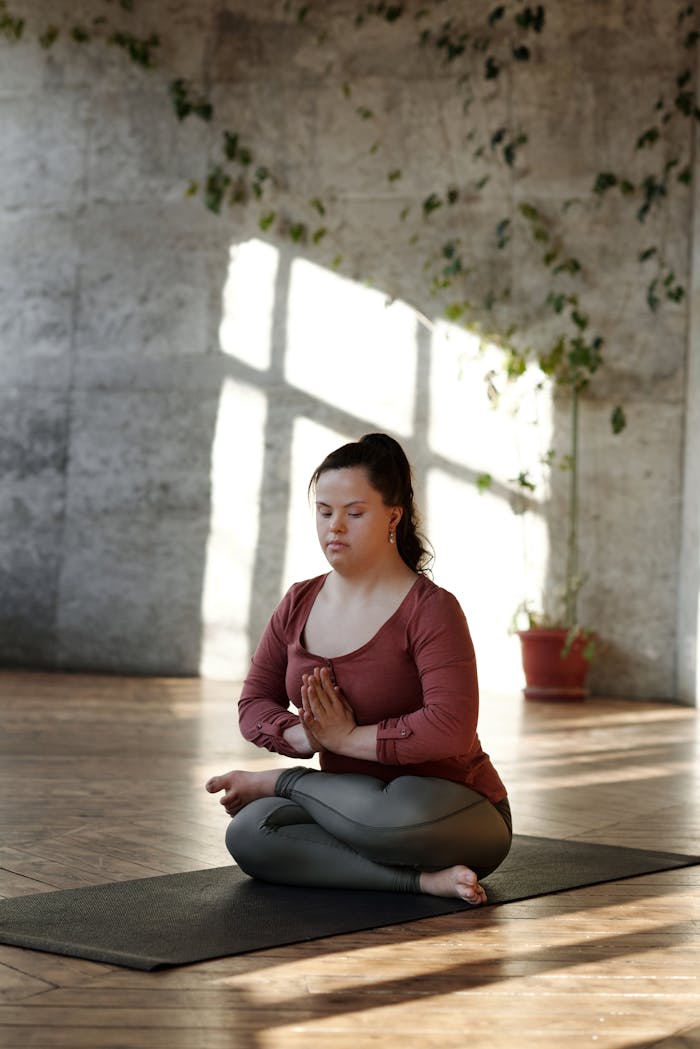
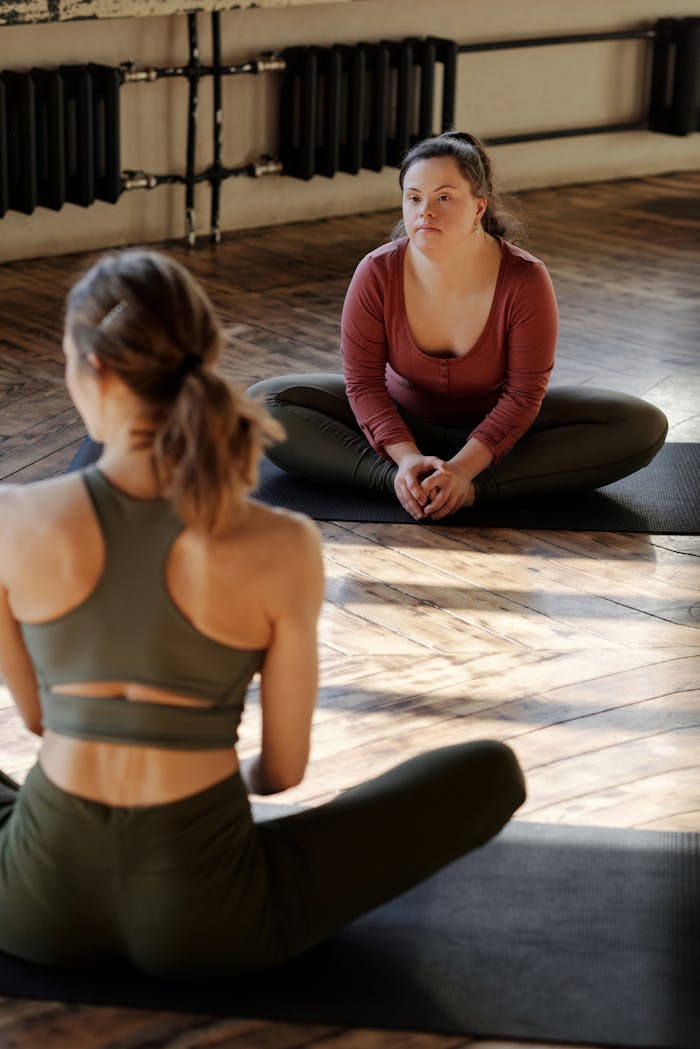
A yoga session can embody Karma Yoga, too. Approach each posture as an offering of attention rather than a performance or competition. Listen to your body, respect your current abilities, and let the practice support awareness instead of achievement. Props can help you participate mindfully at an appropriate level; explore using yoga blocks when stability or reach needs support.
Your environment can also encourage consistency. A comfortable, stable space makes it easier to return to practice, while choosing a supportive yoga mat can improve comfort and steadiness. These tools are practical aids, not sources of spiritual benefit. The heart of Karma Yoga remains your presence, intention, and willingness to serve.
Everyday Examples of Karma Yoga for Balance and Well-Being
Karma Yoga begins with ordinary moments and a generous intention. At home, you might clean a shared space without waiting for praise, prepare a meal, or help a family member without keeping score. The practice is not about becoming indispensable. It is about offering your attention fully, without demanding a particular response.
At work, complete an unglamorous task carefully because it supports the whole team. Send a thoughtful message, share credit, or listen attentively when a colleague needs support. In relationships, presence can be a powerful form of service. Put your phone aside, hear someone’s experience, and respond with patience rather than rushing to fix it.
Community care offers another meaningful path. Volunteer when your energy allows, check on a neighbor, or pick up litter during a walk. Sustainable service includes wise boundaries. Saying no when necessary, resting, and caring for your body help you contribute skillfully over time.
Movement and mindfulness can also become acts of compassionate self-care. If standing practices feel difficult, try chair yoga adaptations while maintaining the same intention: breathe, notice, and participate fully. For emotional steadiness, optional grounding yoga practices can create a calming ritual. Even a few steady breaths before serving others can bring balance to your response.
Making Karma Yoga a Sustainable Way of Living
Karma Yoga is a daily mindset: act with care, give full attention, and release the demand for a specific reward.
Begin today with one routine task. Do it deliberately and generously, without seeking acknowledgment.