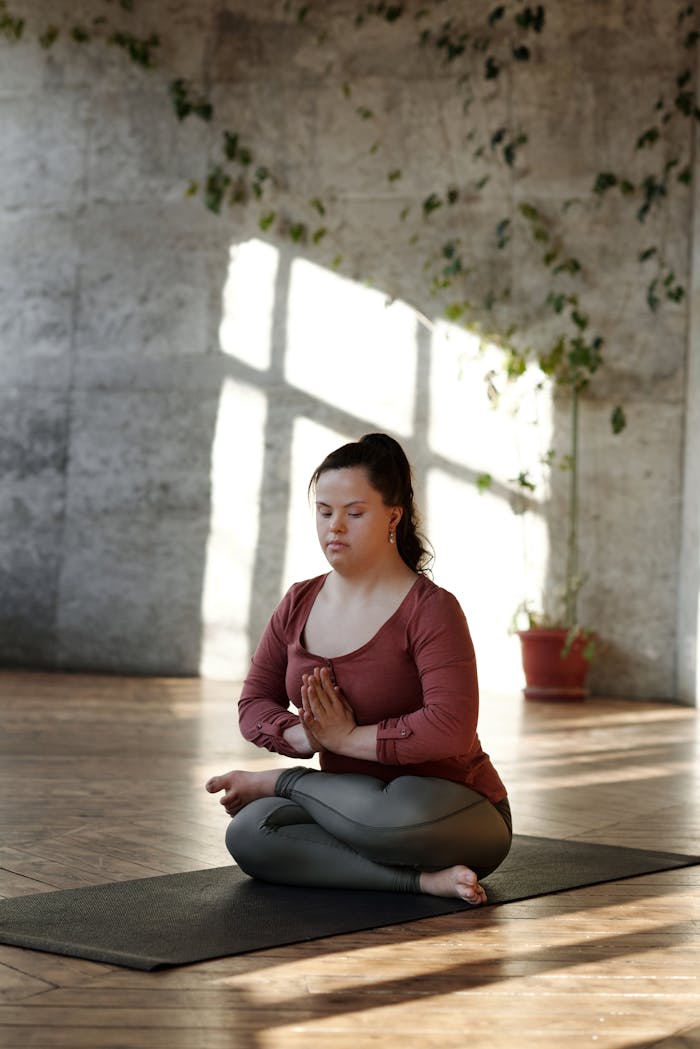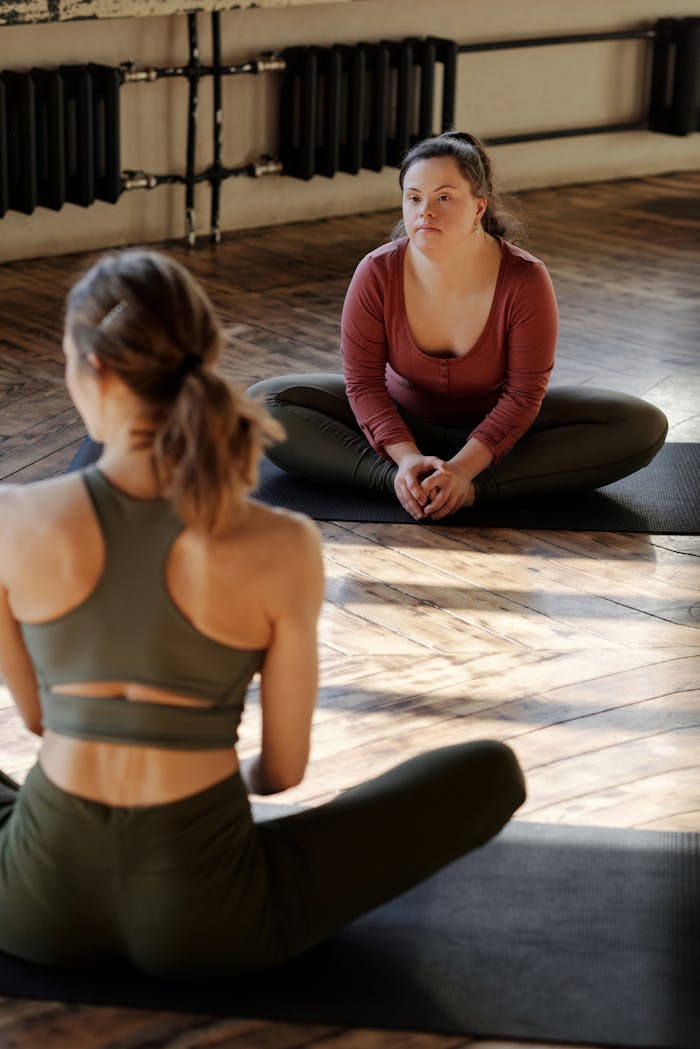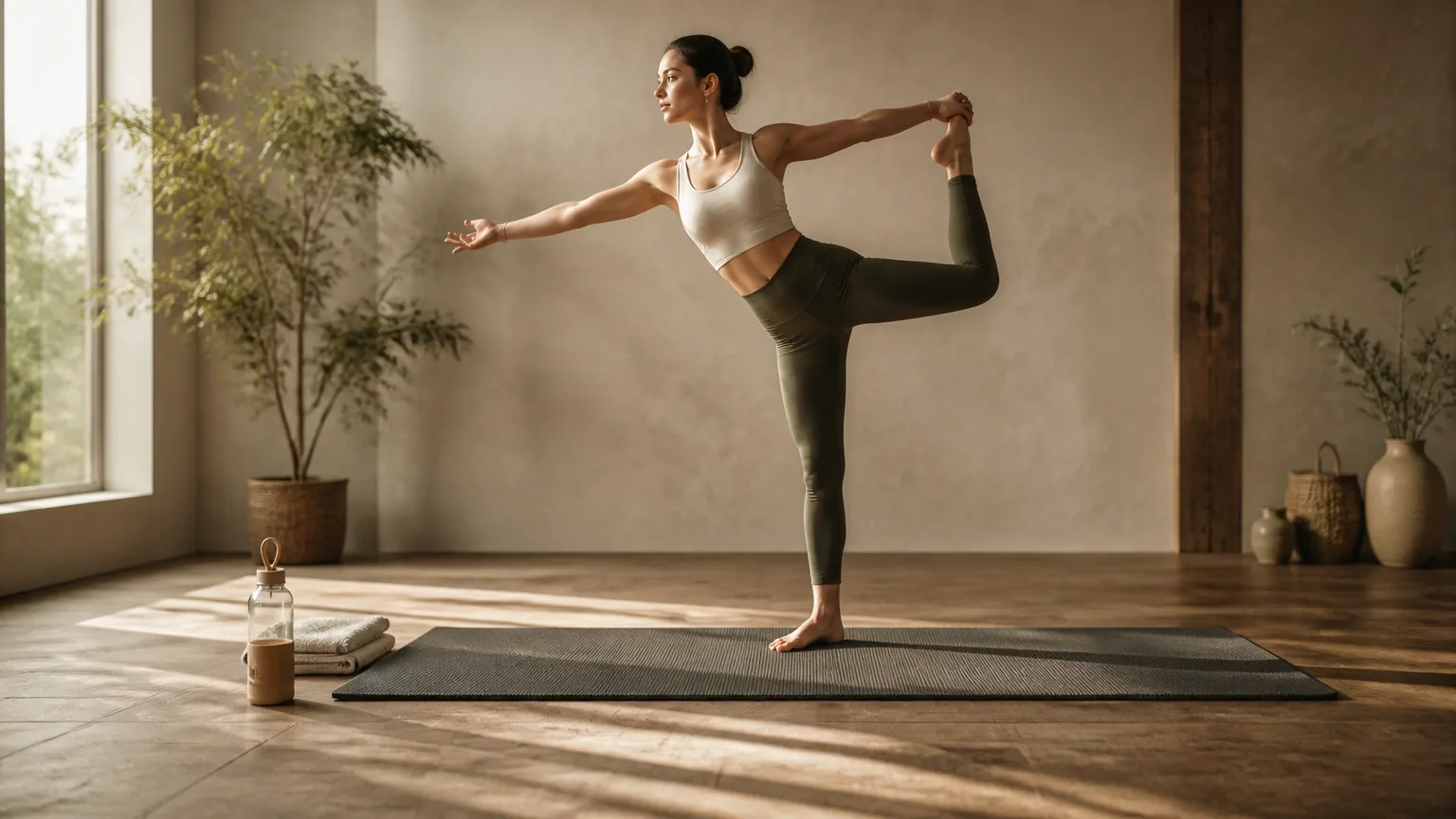
The best yoga mat is more than a fitness accessory. It creates a practical foundation for mindful movement, helping you feel balanced, supported, and confident as you practice. The right choice depends on your body, movement style, environment, and wellness goals—not a universal definition of perfection.
A gentle restorative practice may call for different cushioning than a vigorous flow or a travel routine. You may also need reliable traction for sweaty sessions, steady support for balancing poses, or a lightweight design for practicing away from home. These details can make your time on the mat feel more comfortable and connected.
While price, appearance, and brand recognition can influence your decision, they matter less than performance and practicality. Grip, stability, cushioning, durability, and ease of maintenance all shape how well a mat serves you over time. A beautiful mat that slips or wears quickly may not support your practice as thoughtfully as a simpler, dependable option.
In this guide, we’ll explore the four essentials: grip, thickness, materials, and care. You’ll learn how to compare choices without assuming one material or thickness suits everyone. Whether you’re beginning your practice or ready for an upgrade, discovering the best yoga mats near you can be a meaningful step toward creating a more grounded, enjoyable routine.
Start With Your Practice: A Simple Yoga Mat Decision Framework
Before comparing materials, textures, or prices, begin with your actual practice. The best yoga mat supports the way you move, where you practice, and what helps you feel steady and comfortable.
Consider your practice style first. Restorative yoga and beginner sessions may benefit from extra softness and cushioning, especially during seated poses or longer holds. Vinyasa, power, and hot yoga usually require stronger traction and stability so your hands and feet stay grounded through transitions.
Your practice frequency matters, too. If you practice once a week, a simple, comfortable mat may meet your needs. Frequent practitioners may appreciate more durable materials, reliable grip, and a surface that stays supportive over months of use.
Think honestly about how much you sweat. Light sweaters can often choose a comfortable, lightly textured surface. If your hands or feet become slippery, look for a mat with dependable dry grip or a design suited to hot yoga. A towel may also add traction during especially sweaty sessions.
Your floor can change the ideal choice. Hardwood often calls for a nonslip base, while carpet may require a firmer mat that will not shift or bunch. Studio floors, outdoor surfaces, and travel settings bring different concerns, including uneven ground, dirt, and portability. A lightweight, foldable mat can be useful for classes away from home, though it may provide less cushioning.
Pay attention to thickness and physical sensitivities. Extra cushioning can ease pressure on knees, wrists, hips, or sensitive joints. However, a very soft mat may feel unstable during balancing poses. If you have joint concerns, test whether the mat supports you through a full practice rather than judging it during the first few minutes.
That early comfort can be misleading. A plush surface may feel inviting at first, but it might compress under your hands or make standing poses less secure. Choose support that remains comfortable and stable from warm-up through final relaxation.
Budget is another helpful filter. Set a realistic range, then prioritize the features that matter most for your practice. You may prefer to invest in durability and grip rather than paying more for appearance or extra features.
Finally, consider your other practice gear. Clothing should allow unrestricted movement without bunching or creating additional sliding. This guide to choosing activewear for yoga practice can help you build a steadier, more comfortable setup from mat to wardrobe.
Grip and Traction: How to Prevent Slipping
A reliable yoga mat needs two kinds of grip. Surface grip helps your hands and feet stay planted. Floor grip keeps the mat from sliding across the ground as you move.
The top layer creates traction through its material and texture. Some mats feel wonderfully grippy when dry, especially during slower practices. However, that same surface may become slick when sweat builds during heated yoga or high-intensity sessions.
Wet grip is especially important if your palms tend to perspire. Rubber and textured surfaces often provide dependable traction, while some smooth materials perform better in dry conditions. Look for product details that mention wet grip, but also consider testing the mat yourself whenever possible.
You can assess traction through familiar poses. Begin with hand placement in tabletop or plank. Notice whether your palms stay steady without gripping the mat with excessive effort.
Downward-facing dog reveals slipping quickly. Your hands should remain grounded while your heels move toward the floor. In warrior poses and lunges, check whether your front foot shifts or your back foot slides during transitions.
Movement between poses matters, too. A mat may feel secure when you stand still but lose traction during step-throughs or flowing sequences. If you regularly practice sun salutations, test several transitions before deciding whether the yoga mat supports your natural pace.
The underside deserves equal attention. A surface with strong floor grip should stay in place on wood, tile, or carpet. If the mat bunches, wrinkles, or drifts during movement, even excellent top traction cannot create a stable practice.
Sweat can sometimes be managed with a towel overlay or a grip towel. These accessories absorb moisture and add another textured layer beneath your hands. Still, they cannot fully compensate for a mat that becomes unsuitable when wet.
Cleaning also affects performance. Body oils, lotion, and dust can create a slippery film over time. Follow the manufacturer’s care instructions, wipe the surface regularly, and let it dry completely before rolling it up.
Outdoor practice adds another layer of consideration. Dust can reduce traction, while moisture may make surfaces slick. Uneven ground can also cause shifting or strain, so inspect your space carefully before practicing yoga outdoors. Choose a mat with a secure underside, and avoid placing it on wet leaves, loose gravel, or steep ground.
Choosing the Right Thickness for Cushioning and Stability
Thickness plays a major role in how your yoga mat feels beneath you. It affects joint comfort, balance, portability, and your connection to the floor. The right choice depends on your body, practice style, and where you usually practice.
Thin mats are lightweight, easy to carry, and grounding. Their close contact with the floor can make standing poses and transitions feel steady. They may suit experienced practitioners, travel, or practices that emphasize balance and strong floor awareness. However, thin designs offer less protection for sensitive knees, wrists, hips, or ankles.
Standard mats provide a balanced option for most practices. They typically offer enough cushioning for kneeling and seated poses without feeling overly soft. A standard yoga mat can support flowing sequences, strength-based poses, meditation, and everyday home practice.
Thick mats provide more protection, especially during gentle or low-impact movement. They may feel welcoming if your knees, wrists, or hips become uncomfortable on harder surfaces. Older adults, beginners, and anyone returning after an injury may appreciate this added softness.
However, extra cushioning can reduce stability. A thicker surface increases the distance between your body and the floor. Balancing poses and standing transitions may feel less secure, particularly if the mat compresses beneath your feet. For some practitioners, a standard mat paired with targeted support works better than one very thick mat.
If joint discomfort continues, thickness may not be the complete answer. Try placing a folded blanket beneath your knees or using knee pads for additional support. Props can also help adjust alignment and reduce strain. Persistent pain deserves professional guidance from a qualified healthcare provider or experienced yoga teacher.
When testing a mat, avoid judging it only while lying still. Move slowly between kneeling, standing, seated, and hands-and-knees positions. Notice whether your joints feel supported and whether your feet remain stable during transitions.
For gentle stretching, breathwork, or chair-supported movement, maximum cushioning may be unnecessary. A moderately cushioned mat can provide comfort without making movement difficult. Those exploring gentle chair yoga practices for seniors may prioritize easy setup, secure footing, and a surface that feels comfortable during seated or standing support.
Portability matters, too. Thin mats are easier to roll and carry, while thicker designs can be heavier and take up more storage space. Choose the lightest option that gives you dependable comfort and confidence.
Yoga Mat Materials: Comparing PVC, TPE, Rubber, Cork, and Natural Options
Material affects how a yoga mat feels beneath your hands and feet, how long it lasts, and how much care it needs. The right choice depends on your practice, sensitivities, and priorities. No single material performs perfectly in every category.
PVC mats are known for durability, reliable cushioning, and strong grip. Their dense surface can feel smooth and supportive during standing poses, while their resistance to wear suits frequent practice. PVC may have a noticeable odor when new, so allow the mat to air out before use. Clean it according to the manufacturer’s instructions, and avoid harsh products that can weaken or dry the surface.
TPE is a lightweight alternative that often provides soft cushioning and lower odor than traditional PVC. It can be a comfortable choice for beginners, travel, or practices that involve kneeling. However, softness and durability vary between products. Check the mat’s construction and user reviews, especially if you practice often or need firm support for balancing poses.
Natural rubber offers responsive cushioning and excellent traction. Many people enjoy its springy feel during transitions, strength work, and dynamic flows. Rubber can have a distinct smell at first and may require protection from prolonged sunlight or excessive heat. If you have a latex allergy or sensitivity, check whether the mat contains natural rubber and ask the manufacturer for specific material details before buying.
Cork has a firmer, more natural-feeling surface than many foam-based mats. Its texture can feel pleasantly grounded, though it may offer less cushioning for sensitive knees or long seated practices. Cork grip can improve slightly when the surface is damp, making it appealing for sweaty sessions. Still, it may feel less secure when completely dry, and the backing material often determines the mat’s overall comfort and stability.
Other options include recycled, biodegradable, or plant-based materials. These labels can be helpful starting points, but they do not describe the whole product automatically. Examine the full composition, including the backing, adhesives, dyes, and packaging. Also consider how the mat is made, whether it can be recycled locally, and how long it is expected to last.
Environmental impact is not always a simple comparison. A mat made from a material with fewer environmental marketing claims may still be a thoughtful choice if it remains usable for many years. Durability can reduce replacement waste, especially when the mat is cared for properly. Wipe away sweat after practice, let the surface dry fully, and store it rolled loosely in a cool place. These habits help preserve grip and extend the life of your yoga mat.
Match the Mat to Your Yoga Style, Body, and Environment
The best yoga mat should support the way you actually practice. Consider your movement style, comfort needs, and the environment where you roll it out.
For hot yoga or power yoga, prioritize moisture-resistant traction. A grippy surface can help you feel steadier through lunges, transitions, and balancing poses. Choose a mat with a stable base that will not shift easily, and select a material that can be cleaned frequently. Wipe away sweat after each class, then allow the mat to dry completely before storing it.
For restorative, yin, prenatal, or slower practices, cushioning and comfort may matter most. A moderately thick mat can ease pressure on sensitive knees, wrists, hips, and backs during longer holds. Avoid choosing the softest option automatically, though. Excessive cushioning can make alignment less clear and transitions feel unstable.
Your body can guide this decision, too. If you have tender joints, look for supportive cushioning or pair a thinner yoga mat with a knee pad or folded blanket. If balance feels challenging, a firmer surface may provide more reliable feedback beneath your hands and feet.
For travel and commuting, compare more than weight. Consider whether the mat folds flat, rolls into a manageable size, and fits your bag or locker. A lightweight, thinner mat may be ideal for flights or daily commutes. You can pair it with a studio, hotel-room, or carpeted surface for extra comfort.
Meditation and floor-based work call for a different balance. Texture, warmth, and seated comfort may be more important than aggressive grip or impact protection. A soft, pleasant surface can make breathwork, stretching, and quiet reflection feel more inviting.
Outdoor practice requires both portability and stability. Choose a mat with a secure underside, and check the ground for moisture, loose gravel, roots, or uneven areas. On grass or packed earth, a slightly thicker design may improve comfort, but it should still remain stable.
Specialized formats may have unique requirements. Aerial, acro, and other classes can use studio equipment or involve different safety considerations. Before bringing your own mat, ask the instructor what is expected. If you are exploring aerial yoga classes near you, confirm whether the studio provides mats and approved equipment.
Yoga Mat Care: Cleaning, Storage, and Knowing When to Replace It
A simple care routine protects your yoga mat’s hygiene, grip, and material quality. After sweaty sessions, wipe the surface with a soft cloth and a manufacturer-approved cleaner. Avoid bleach, alcohol, strong essential oils, and other harsh chemicals that may degrade the surface or reduce traction.
For regular cleaning, follow the care instructions supplied with your mat. Natural rubber, cork, foam, and synthetic surfaces can respond differently to water and cleaning products. When in doubt, use a small amount of mild soap diluted in water, and test it first on an inconspicuous area.
Your mat may also need an occasional deeper clean. Natural rubber mats often require gentle wiping rather than soaking, while cork surfaces can usually be cleaned with a lightly damp cloth. Closed-cell foam and many synthetic mats may tolerate more water, but they should never be scrubbed aggressively or placed in a washing machine unless the manufacturer approves it.
After cleaning, lay the mat flat or hang it in a well-ventilated area. Let both sides dry completely before rolling or storing it. Trapped moisture can encourage odors, weaken some materials, and create a slippery surface during your next practice.
Store your mat loosely rolled, with the top surface facing outward when recommended by the manufacturer. Keep it away from prolonged sunlight, radiators, heaters, and other sources of heat. Avoid leaving it compressed in a hot car, where heat can cause warping or make materials stick together.
Choose a cool, dry storage spot away from moisture, pets, and sharp objects. Pet claws, rough storage shelves, and nearby equipment can puncture or scratch the surface. If your mat has a textured backing, keep that area clean and free from dust so it continues to stay in place.
Regular inspection helps you recognize when care is no longer enough. Persistent odor, peeling, cracking, thinning, or a noticeable loss of traction can signal material breakdown. Curling edges or a backing that no longer stays in place can also create a tripping or slipping hazard.
Replace the mat when these issues affect your confidence or safe footing, even if some of its surface still looks usable. A fresh yoga mat can support steadier movement and help you practice with greater ease.
Frequently Asked Questions About Choosing a Yoga Mat
What thickness is best for beginners?
A standard medium-thickness yoga mat, often around 4–5 millimeters, is a versatile starting point. It usually offers enough cushioning for kneeling and seated poses without feeling unstable during standing balances.
If you have sensitive joints, consider a slightly thicker mat or add a folded blanket under your knees. If balance feels difficult, a thinner, firmer surface may provide better connection with the floor.
Is a thicker yoga mat better for bad knees?
Extra cushioning can make kneeling poses and floor-based practices more comfortable. However, a thicker mat does not correct alignment issues or address the cause of ongoing knee pain.
Try adjusting your form, shortening your range of motion, or using props such as a bolster or blanket. If pain continues, stop practicing and seek guidance from a qualified healthcare professional.
Which yoga mat material has the best grip?
Grip depends on more than material alone. The mat’s surface texture, construction, moisture levels, and your personal preference all affect how secure it feels.
Some rubber and polyurethane surfaces offer strong traction, while textured PVC or cork mats may feel more comfortable for other practitioners. Test a mat when possible, especially if you practice hot yoga or sweat heavily.
How often should I clean my yoga mat?
Wipe your mat after sweaty practices to remove moisture, oils, and residue. A gentle mat cleaner or a damp cloth is often enough for regular care, provided it suits the manufacturer’s instructions.
Deep-cleaning needs vary with your practice, climate, and how often you use the mat. Let it dry completely before rolling it, and avoid harsh products that can break down the surface or reduce grip.
How long should a yoga mat last?
A yoga mat may last several years, but its lifespan depends on frequency of use, practice intensity, body oils, sunlight, cleaning habits, and material. A mat used daily in a heated studio may wear faster than one used occasionally at home.
Look for practical signs rather than relying only on age. Peeling, deep cracks, thinning, persistent odor, or a backing that slips can affect safety. Replace your mat when wear reduces dependable traction or secure footing, even if parts of the surface still look usable.
Choose the Mat That Helps You Practice With More Presence
Choosing the best yoga mat begins with your practice style and environment. Consider whether you mainly practice gentle flows, vigorous classes, meditation, or outdoor yoga. Then compare grip, thickness, materials, portability, and care requirements based on what will support you most.
Grip helps you feel secure during standing poses and transitions, especially when your hands or feet become warm. Thickness can cushion sensitive joints, while a firmer, thinner surface may improve balance and stability. Materials also affect durability, texture, odor, and cleaning needs, so choose an option that fits your preferences and routine.
Think about how often you travel with your mat and where you will store it. A lightweight design may encourage practice away from home, while a more supportive mat can feel worthwhile for daily use. Whatever you choose, maintain it by wiping away sweat, allowing it to dry, and storing it properly. Replace it when wear affects traction, support, or your confidence.
Ultimately, the right yoga mat is the one that keeps you stable, comfortable, and willing to return to practice regularly. Thoughtful equipment can create a more inviting foundation for movement and mindfulness. Yet the deeper benefits of yoga come from consistent, attentive practice and the space you create to listen to yourself. Start with what serves you now, and let your needs guide future changes.