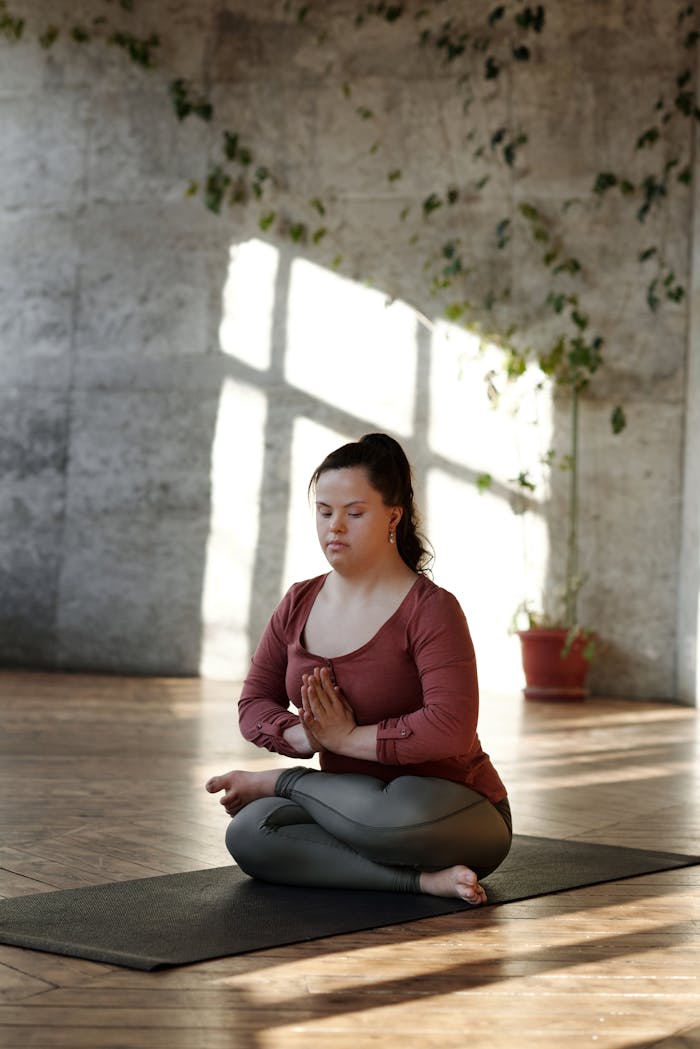
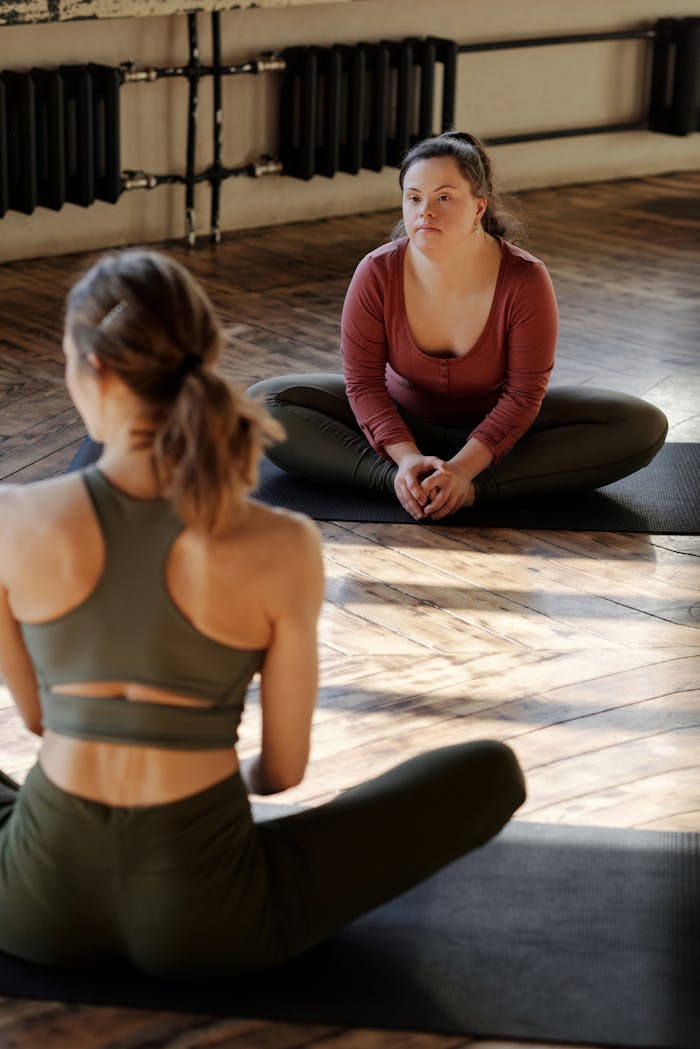
The eight limbs of yoga offer a transformative framework for holistic practice, guiding us towards a balanced and fulfilling life. While many associate yoga primarily with physical postures, its true essence encompasses much more. This ancient philosophy invites us to explore mental and spiritual dimensions, fostering a deeper connection with ourselves and our surroundings.
Each limb represents a unique aspect of well-being, from ethical conduct to meditation, forming a path that encourages mindfulness and self-awareness. By embracing these principles, we can cultivate a sense of harmony in our daily lives, enhancing not only our physical health but also our emotional and spiritual wellness.
As we delve into the eight limbs, you’ll discover how each component interconnects, offering practical tools for navigating life’s challenges. Whether you’re a seasoned practitioner or just beginning your journey, these teachings can illuminate your path towards balance and fulfillment. Join us as we explore these vital elements, empowering you to embrace your unique journey toward holistic well-being.
1. Yama: Ethical Standards
Yama serves as the foundation of the eight limbs of yoga, focusing on ethical standards that guide our interactions with others. This first limb comprises five guiding principles: Ahimsa, Satya, Asteya, Brahmacharya, and Aparigraha. Together, they create a framework for nurturing respectful and honest relationships.
Ahimsa, or non-violence, encourages us to treat all living beings with kindness. This can be as simple as choosing words carefully in conversations or practicing patience in stressful situations. By embodying Ahimsa, we not only promote peace in our surroundings but also cultivate inner tranquility.
Satya, or truthfulness, invites us to live authentically. Being honest with ourselves and others fosters trust and strengthens connections. For instance, sharing your true feelings in a conversation can deepen relationships and lead to greater understanding.
Asteya, or non-stealing, extends beyond material possessions. It also applies to time and energy. Respecting others’ time by being punctual or not taking undue credit for collaborative work reflects this principle. Practicing Asteya nurtures a sense of fairness and integrity.
Brahmacharya, often interpreted as celibacy or moderation, encourages balance in our desires. This might mean enjoying our passions without allowing them to consume us. Finding moderation can lead to more fulfilling experiences.
Lastly, Aparigraha, or non-possessiveness, teaches us to let go of attachment. By recognizing that true happiness does not come from material possessions, we open ourselves to a more profound sense of joy and contentment. Incorporating these Yamas into daily life fosters not only personal growth but also contributes to a harmonious community.
2. Niyama: Self-Discipline
Niyama represents the second limb of yoga, focusing on personal observances that cultivate self-discipline and spiritual growth. These five practices—Saucha, Santosha, Tapas, Svadhyaya, and Ishvara Pranidhana—offer a roadmap for deepening your connection with yourself and the universe.
Saucha, or purity, encourages cleanliness in body and mind. By maintaining a tidy space and a calm mind, you create a sanctuary for self-reflection. Consider beginning your day with a short meditation or a mindful cleansing ritual to set the tone for peace and clarity.
Next is Santosha, which means contentment. This practice invites you to find joy in the present moment, irrespective of your circumstances. Start by listing three things you are grateful for each day. This simple act can shift your perspective and cultivate a sense of abundance.
Tapas, or self-discipline, is all about commitment to your practice. It challenges you to push past comfort zones. Set a small, achievable goal, like committing to yoga three times a week. This builds resilience and a stronger sense of self.
Svadhyaya, or self-study, encourages introspection. Dive into books that inspire you or journal your thoughts regularly. This practice enhances self-awareness and helps you understand your motivations and desires.
Finally, Ishvara Pranidhana invites you to surrender to a higher power. It’s about letting go of the need to control every outcome. Try incorporating a moment of stillness each day, allowing yourself to trust in the process of life.
By weaving these Niyamas into your daily routine, you nurture your personal growth and enhance self-awareness. Embracing these observances sets a solid foundation for a fulfilling yoga practice and a balanced life.
3. Asana: Physical Postures
Asana, the third limb of the eight limbs of yoga, invites us to explore the rich landscape of physical postures. These postures not only improve our physical health but also prepare our bodies for deeper meditation. By engaging in Asana, we cultivate strength, flexibility, and stability, creating a supportive foundation for our overall well-being.
In practice, Asana offers a variety of postures suitable for all skill levels. From the simple yet powerful Mountain Pose to the more challenging Warrior series, each posture serves a unique purpose. Beginners can start with gentle stretches like Cat-Cow to ease into the practice, while experienced yogis might delve into more complex poses like Crow or Handstand. This adaptability ensures that everyone can find a practice that resonates with their individual needs.
Moreover, Asana can be tailored to accommodate various physical abilities. For those who may need modifications, incorporating adaptive yoga techniques can make a significant difference. These approaches allow practitioners to experience the benefits of yoga, regardless of their physical limitations. You can explore more about this inclusive practice in our article on adaptive yoga.
Ultimately, Asana is about more than just physical strength; it’s a nurturing practice that encourages mindfulness and body awareness. As we flow through postures, we connect with our breath, grounding ourselves in the present moment. This connection enhances our overall experience and prepares us for the profound stillness that meditation can bring.
4. Pranayama: Breath Control
Pranayama, the practice of breath control, serves as a bridge between the physical and spiritual aspects of yoga. By mastering various techniques, we enhance our prana, or life force, and cultivate a deeper sense of relaxation and awareness. This essential limb of the eight limbs of yoga invites us to explore the profound connection between our breath and our overall well-being.
One popular technique is Ujjayi breath, often used during asana practice. This method involves slightly constricting the throat, creating a soft sound as you inhale and exhale. Ujjayi breath not only calms the mind but also increases energy, helping practitioners find mental clarity.
Another effective practice is Nadi Shodhana, or alternate nostril breathing. This technique balances the left and right hemispheres of the brain, promoting emotional stability and reducing stress. Simply close one nostril, inhale deeply, then switch to exhale through the opposite nostril. This rhythmic flow can bring a sense of peace and balance to your day.
For beginners, finding a comfortable seated position is key. Start by inhaling deeply through the nose, allowing your abdomen to expand. Hold for a moment, then exhale slowly through your mouth. Aim for a count of four for each inhale and exhale. As you become more familiar with this practice, gradually extend the duration of your breath.
Incorporating pranayama into your daily routine can significantly enhance your ability to manage stress. As you focus on your breath, you create space for mindfulness, allowing thoughts and worries to drift away. This practice not only fosters relaxation but also nurtures a deeper connection to your inner self.
5. Pratyahara: Withdrawal of the Senses
Pratyahara, often described as the withdrawal of the senses, plays a crucial role in the journey toward deep meditation. It invites us to turn our focus inward, creating space for self-discovery and inner awareness. By stepping back from external stimuli, we can cultivate a quieter mind and a more profound connection with our true selves.
Practicing Pratyahara can be as simple as finding a comfortable seated position in a quiet space. Close your eyes and take a few deep breaths. As you settle into stillness, notice the sounds around you. Rather than engaging with them, allow them to fade into the background. This gentle practice of sensory withdrawal is the first step toward deeper meditation.
Another effective technique is visualization. Picture a serene environment—a tranquil beach or a peaceful forest. As you immerse yourself in this mental imagery, consciously let go of distractions. This not only enhances your focus but also deepens your awareness of your inner landscape.
By regularly engaging in Pratyahara, you cultivate a stronger connection with your inner self. This process allows you to better understand your thoughts and emotions, fostering self-acceptance and clarity. As you withdraw from the chaos of the outside world, you create a sanctuary within, where true growth and healing can flourish. Embracing Pratyahara paves the way for a transformative meditation practice and enriches your overall experience on the path of the eight limbs of yoga.
6. Dharana: Concentration
Dharana is the practice of focused concentration, serving as a vital precursor to meditation. In the journey through the eight limbs of yoga, developing concentration enhances your ability to meditate effectively. When your mind is scattered, meditation can feel overwhelming. However, by honing your focus, you create a clearer pathway to deeper mindfulness.
To cultivate concentration, consider starting with simple exercises. One effective technique is to focus on your breath. Sit comfortably, close your eyes, and take a few deep breaths. Then, direct your attention solely to the sensation of your breath entering and leaving your body. If your mind wanders, gently bring it back to your breath. Practicing this daily can significantly improve your ability to concentrate.
Another helpful exercise is visualization. Imagine a peaceful scene—a serene beach or a tranquil forest. Spend a few minutes vividly picturing every detail. This practice not only sharpens your focus but also enhances your creative thinking and problem-solving skills.
The mental benefits of improved concentration extend into everyday life. With greater focus, you may find yourself more productive, as distractions become less daunting. Tasks that once felt overwhelming may transform into manageable steps. By embracing Dharana, you not only prepare for meditation but also empower yourself to navigate life with clarity and intention.
7. Dhyana: Meditation
Dhyana, or meditation, is a vital component of the eight limbs of yoga that fosters mindfulness and reduces stress. This practice invites you to turn inward, allowing your thoughts to settle like leaves on a still pond. By dedicating time to meditation, you create a sanctuary of calm amidst life’s chaos, where clarity and peace can thrive.
There are various meditation techniques to explore. Guided meditation offers a gentle introduction, often led by an instructor or through an app, helping you focus and relax. Silent meditation encourages self-reflection, allowing your mind to wander and settle naturally. Mindfulness meditation, meanwhile, invites you to observe your thoughts and feelings without judgment, cultivating a deeper understanding of yourself.
As you engage in Dhyana, you may notice significant improvements in your emotional health. Regular meditation practice can enhance your ability to manage anxiety and foster a sense of well-being. With clearer mental space, you become more resilient in the face of challenges, allowing emotional storms to pass without overwhelming you.
Moreover, meditation sharpens mental clarity. With consistent practice, you’ll find that distractions diminish, enabling a more focused and purposeful approach to daily tasks. Dhyana not only nurtures your spirit but also equips you with the tools to navigate life’s complexities with grace and intention. Embracing meditation enriches your holistic wellness journey, aligning your mind, body, and spirit in harmony.
8. Samadhi: Enlightenment
Samadhi, the final limb of the eight limbs of yoga, represents the profound state of enlightenment and unity with the divine. It is the culmination of your journey through the previous limbs, where all efforts in practice converge. In this state, the sense of self dissolves, and a deep connection to the universe is experienced.
Reaching Samadhi can be transformative, allowing you to experience life with heightened awareness and joy. In this profound stillness, you may feel a sense of peace that transcends the everyday struggles and distractions of life. Many describe it as a moment where everything aligns, and clarity emerges, revealing the interconnectedness of all beings.
However, it’s essential to view Samadhi as a personal journey rather than a fixed destination. Each individual’s experience will be unique, shaped by their insights and personal growth. Instead of striving for a singular moment of enlightenment, embrace the path that leads you there. Every meditation session, every mindful breath, and every moment of reflection contributes to your unfolding understanding.
As you explore this final limb, allow yourself to be open to the myriad ways enlightenment can manifest in your life. Celebrate small moments of clarity and connection, as they are essential stepping stones on your journey. By nurturing this mindset, you cultivate a deeper appreciation for your practice and the holistic wellness it brings.
Integrating the Eight Limbs into Daily Life
Incorporating the Eight Limbs of Yoga into your daily life can lead to profound personal transformation. Each limb offers practical tools for fostering mindfulness, balance, and community. Start small: dedicate a few moments each day to reflect on a specific limb, whether it’s practicing non-attachment through the Yamas or nurturing self-discipline with the Niyamas.
As you weave these practices into your routine, you’ll likely notice a shift towards a more balanced lifestyle. For instance, integrating pranayama techniques can help manage stress, while regular meditation encourages clarity and focus. These collective benefits not only enhance your personal growth but also create a ripple effect, positively impacting those around you.
Embrace the journey with an open heart, celebrating progress rather than perfection. Each step taken towards integrating the Eight Limbs is a step towards holistic wellness. Remember, dedication to your practice can unlock a deeper sense of fulfillment and joy.
For a deeper dive into how these teachings can transform your experience, explore our resource, Transform Your Mind and Body: The Complete Guide to Ashtanga Yoga. Let the wisdom of the Eight Limbs guide you on your unique path to wellness and connection.