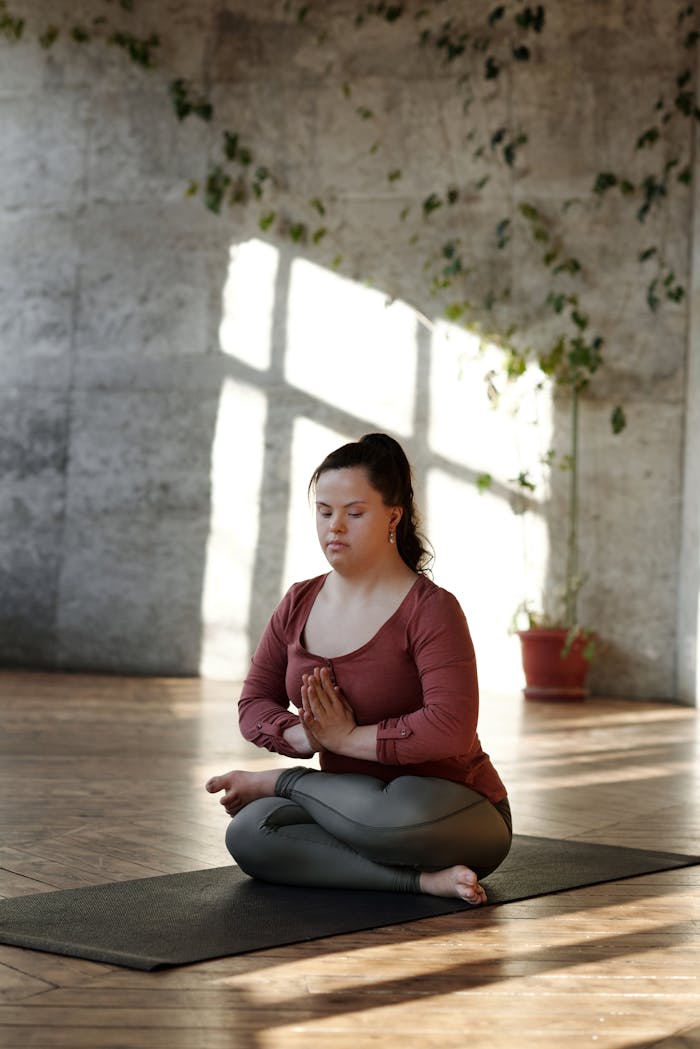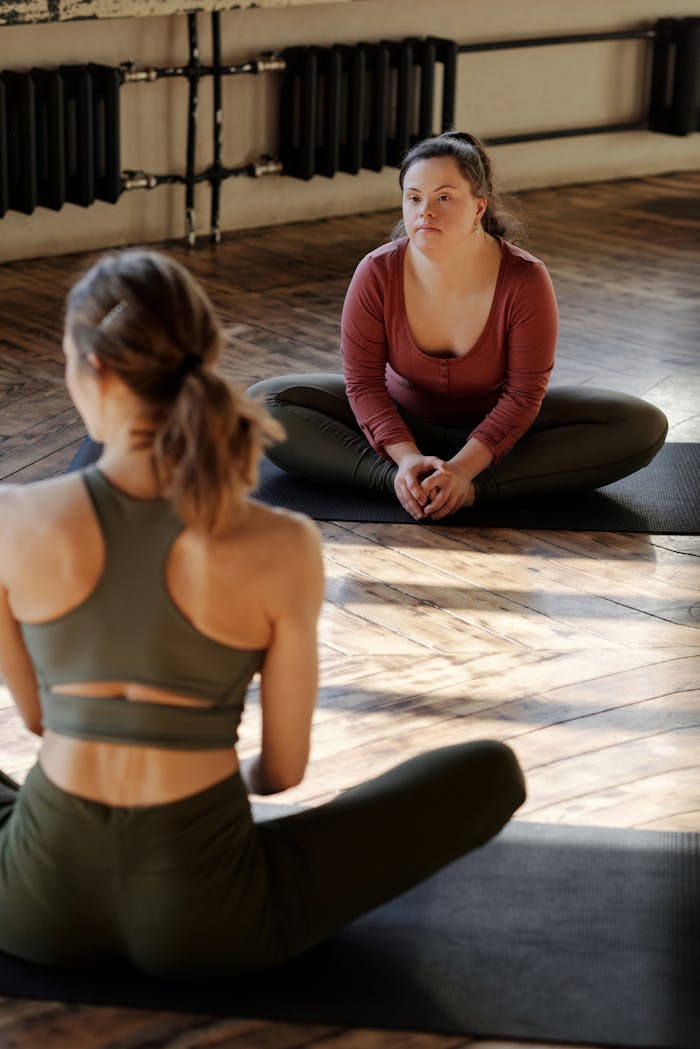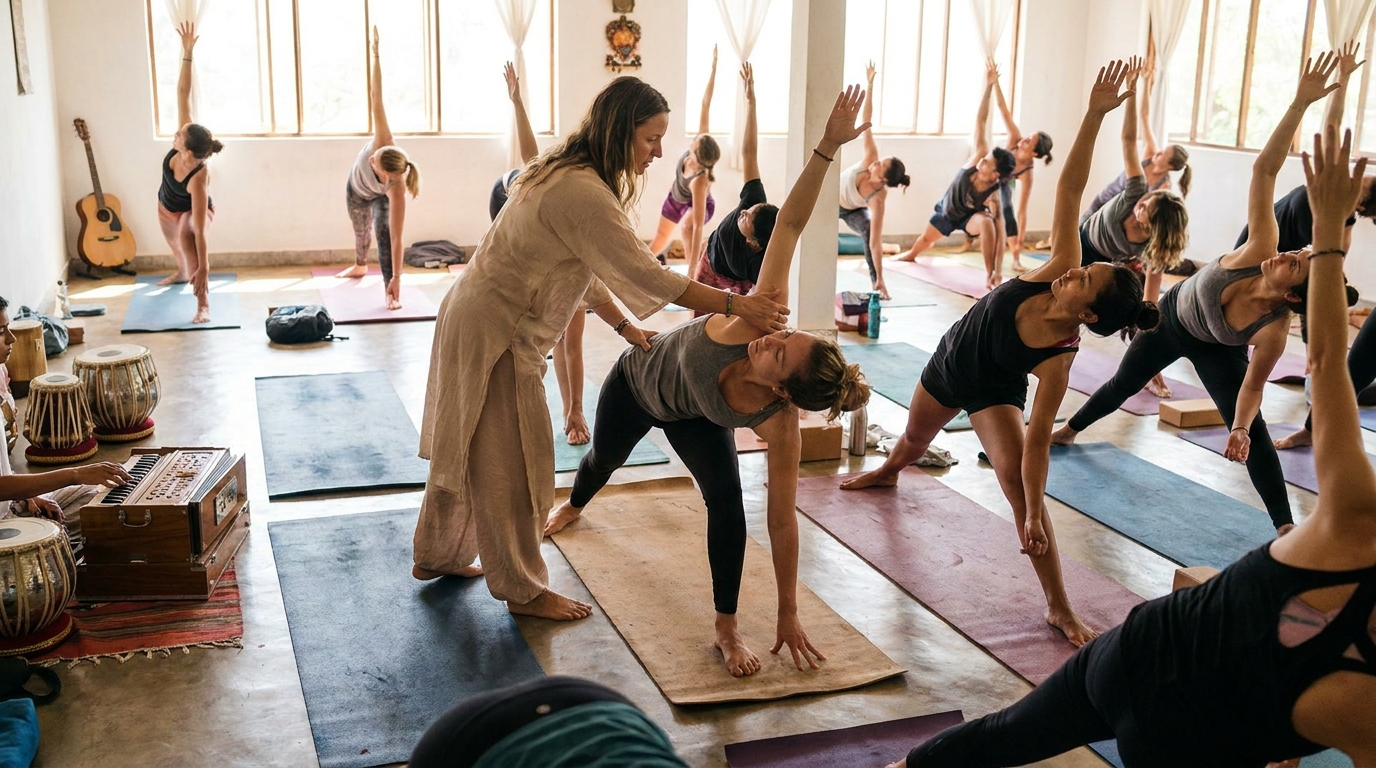
Whether you are new to yoga, returning after time away, or already devoted to daily practice, Jivamukti Yoga offers a beautiful invitation: to move, breathe, listen, serve, and remember the sacredness of life.
The word “Jivamukti” comes from Sanskrit. Jiva means the individual soul or living being, and mukti means liberation or freedom. In simple terms, Jivamukti Yoga points toward freedom while living—not escaping the world, but meeting it with compassion, awareness, and devotion.
This path welcomes people of all backgrounds. You do not need to be Hindu, spiritual, flexible, vegan, or experienced to begin. You only need sincerity. In the humble spirit of bhakti—devotion of the heart—Jivamukti Yoga reminds us that yoga is not only something we do on a mat. It is how we treat others, how we speak, how we eat, how we listen, and how we love.
Jivamukti Yoga is a modern yoga method rooted in ancient wisdom. It was founded in 1984 by Sharon Gannon and David Life, who wove together physical yoga practice, chanting, meditation, ethical living, scripture study, and devotion.
For many practitioners, the benefits of Jivamukti Yoga are both physical and spiritual. It can strengthen the body, calm the mind, soften the heart, and inspire a more compassionate way of living.
Yoga for the Whole Person
Some yoga styles focus mainly on postures, or asana. Asana means “seat” or “posture.” In Jivamukti Yoga, postures are important, but they are only one part of the path.
A Jivamukti class may include:
- Flowing yoga postures
- Breath awareness
- Sanskrit chanting
- Meditation
- Music
- Study of yoga teachings
- Reflection on compassion and non-harming
- Hands-on or verbal guidance
- Deep rest
This creates a practice that touches body, mind, heart, and spirit.
A Path of Freedom Through Compassion
One of the central teachings of Jivamukti Yoga is that our freedom is connected with the well-being of others. This reflects the Sanskrit word ahimsa, meaning non-harming or compassion in thought, word, and action.
In the Yoga Sutras of Patanjali, a foundational yoga text, we read:
“Ahimsa pratishthayam tat sannidhau vaira tyagah.”
When one is firmly established in non-harming, hostility ceases nearby.
—Yoga Sutra 2.35
This is a powerful teaching. It suggests that peace begins not only in outer actions but in the atmosphere of our own heart. Jivamukti Yoga encourages us to ask: How can my practice reduce suffering? How can my life become a blessing?
A Practice for Modern Life
Modern life often pulls us outward. We may feel rushed, overstimulated, disconnected, or anxious. Jivamukti Yoga offers a sacred pause. Through movement, breath, chanting, and meditation, we begin to return to ourselves.
This does not mean life becomes perfect. Rather, we become more present. We learn to respond instead of react. We remember that every breath can be prayer, every action can be service, and every challenge can become part of the path.
What Is Jivamukti Yoga?
Jivamukti Yoga is a dynamic, spiritually focused style of yoga. It often includes vigorous vinyasa, which means linking movement with breath. A Jivamukti class may be physically strong, but it is not merely exercise.
The outer form may look like flowing postures. The inner purpose is liberation.
The Meaning of Jivamukti
As mentioned, jiva means individual living soul, and mukti means liberation. Together, Jivamukti means “liberation while living.”
This is an important idea. We do not need to wait for a perfect future to become free. We can begin now—by releasing harmful habits, softening ego, practicing kindness, and remembering our unity with all beings.
In the Bhagavad Gita, Lord Krishna teaches that yoga is balance, devotion, and skillful living. One verse says:
“Yoga is skill in action.”
—Bhagavad Gita 2.50
This means yoga is not separate from daily life. It is how we act, choose, serve, and love.
The Five Tenets of Jivamukti Yoga
Jivamukti Yoga is traditionally built on five central principles, or tenets. These are practical and deeply spiritual.
1. Ahimsa: Non-Harming
Ahimsa means non-violence or compassion. It asks us to reduce harm toward ourselves, other people, animals, and the Earth.
In practice, ahimsa may look like speaking gently, choosing nourishing food, respecting your body’s limits, or caring for the environment. Jivamukti Yoga often emphasizes veganism as an expression of compassion for animals, though each student is invited to approach this sincerely and step by step.
2. Bhakti: Devotion
Bhakti means devotion, love, or offering. It is the heart of spiritual practice. In Jivamukti Yoga, chanting, prayer, humility, and surrender help us remember that yoga is not about becoming impressive. It is about becoming more loving.
Bhakti does not require a particular religious identity. You may understand the Divine as God, Truth, Love, Nature, Consciousness, or simply the mystery of life. The essence is reverence.
3. Dhyana: Meditation
Dhyana means meditation. In the Yoga Sutras, Patanjali describes yoga as the stilling of the fluctuations of the mind:
“Yogas chitta vritti nirodhah.”
Yoga is the quieting of the movements of the mind.
—Yoga Sutra 1.2
Meditation helps us witness thoughts without being controlled by them. Over time, we discover a quieter awareness beneath the noise.
4. Nada: Sacred Sound
Nada means sound or inner vibration. Jivamukti Yoga uses chanting, music, and deep listening as spiritual practices.
Chanting Sanskrit mantras may feel unfamiliar at first. A mantra is a sacred sound or phrase that helps focus the mind and open the heart. You do not need to pronounce everything perfectly. Humility and sincerity matter more than performance.
5. Shastra: Scripture Study
Shastra means scripture or sacred teaching. Jivamukti Yoga honors texts such as the Yoga Sutras, Bhagavad Gita, Upanishads, and Hatha Yoga Pradipika.
Scripture study is not meant to create pride or intellectual superiority. It is meant to help us live with more wisdom. A single verse, reflected on honestly, can guide a whole day.
The Physical Benefits of Jivamukti Yoga
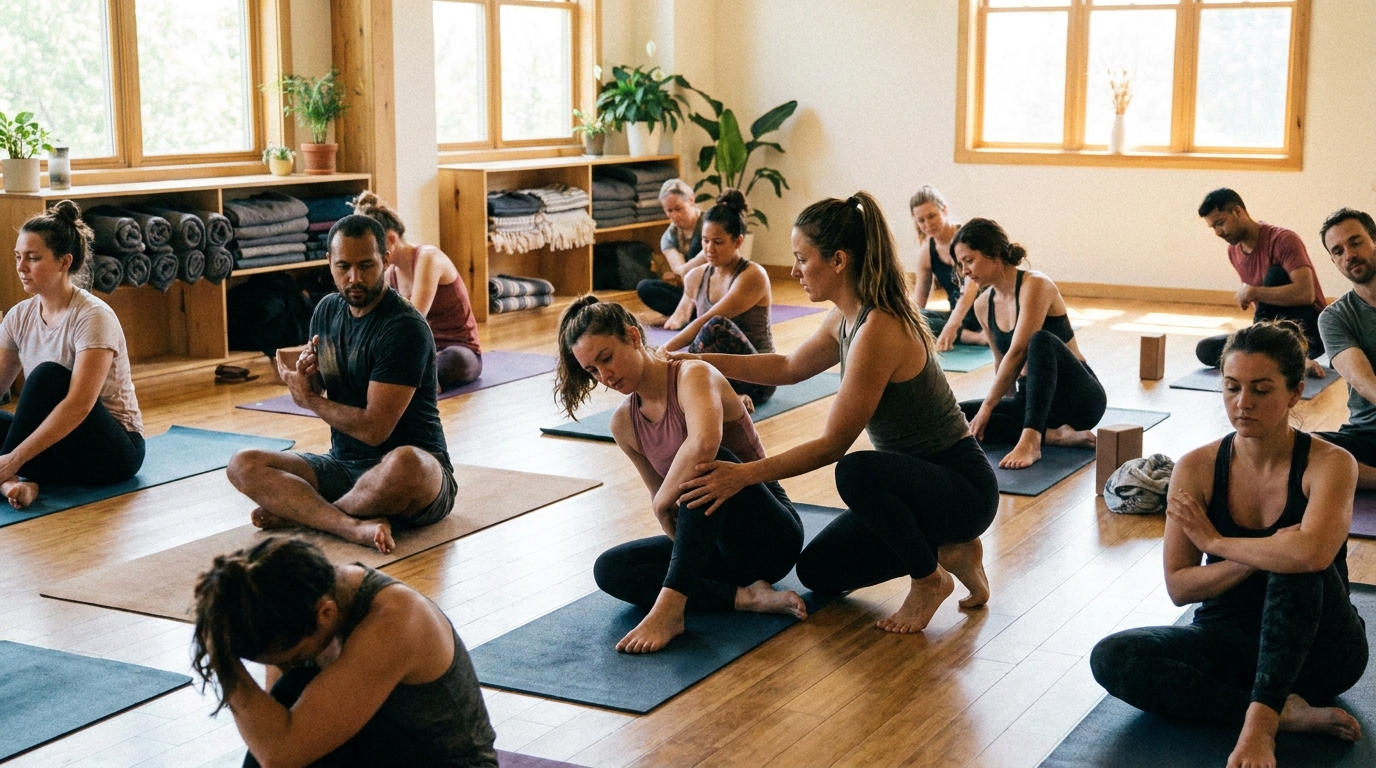
Jivamukti Yoga is often known for its strong and creative vinyasa practice. Classes may include standing poses, twists, backbends, forward folds, inversions, arm balances, and deep relaxation.
The physical benefits can be meaningful, especially when practiced with patience and care.
Builds Strength and Stability
Because Jivamukti Yoga includes flowing sequences and sustained postures, it can help build strength in the legs, arms, core, and back.
Poses such as plank, downward-facing dog, warrior poses, and chair pose strengthen the body while teaching steadiness of mind. Strength in yoga is not aggression. It is grounded presence.
A humble practitioner learns to ask: Am I forcing, or am I listening?
Improves Flexibility and Mobility
Regular practice may support greater flexibility in the hips, shoulders, hamstrings, spine, and chest. But flexibility is not the goal. Freedom is the goal.
Some people come to yoga thinking, “I am too stiff.” Yet stiffness can be a wonderful teacher. It invites patience. It shows us where we hold tension. It reminds us to breathe.
In Jivamukti Yoga, flexibility of body becomes a doorway to flexibility of heart.
Supports Posture and Body Awareness
Through mindful alignment and breath-led movement, Jivamukti Yoga can improve body awareness. You may begin to notice how you stand, sit, walk, and breathe throughout the day.
This awareness helps reduce unconscious tension. The practice becomes a mirror. We begin to see patterns—not with judgment, but with compassion.
Encourages Healthy Energy Flow
In yoga, life force is called prana. Prana means vital energy, carried through the breath. When movement and breath flow together, many practitioners feel more energized, clear, and balanced.
A Jivamukti class can be physically invigorating, but it also ends with stillness. This balance of effort and surrender is essential.
As the Bhagavad Gita teaches:
“Yoga is not for one who eats too much or too little, sleeps too much or too little.”
—Bhagavad Gita 6.16
The path is balance, not extremes.
Sure, here is the sentence with the clickable link:
Check out the latest yoga guides at yoga guides.
The Mental and Emotional Benefits of Jivamukti Yoga
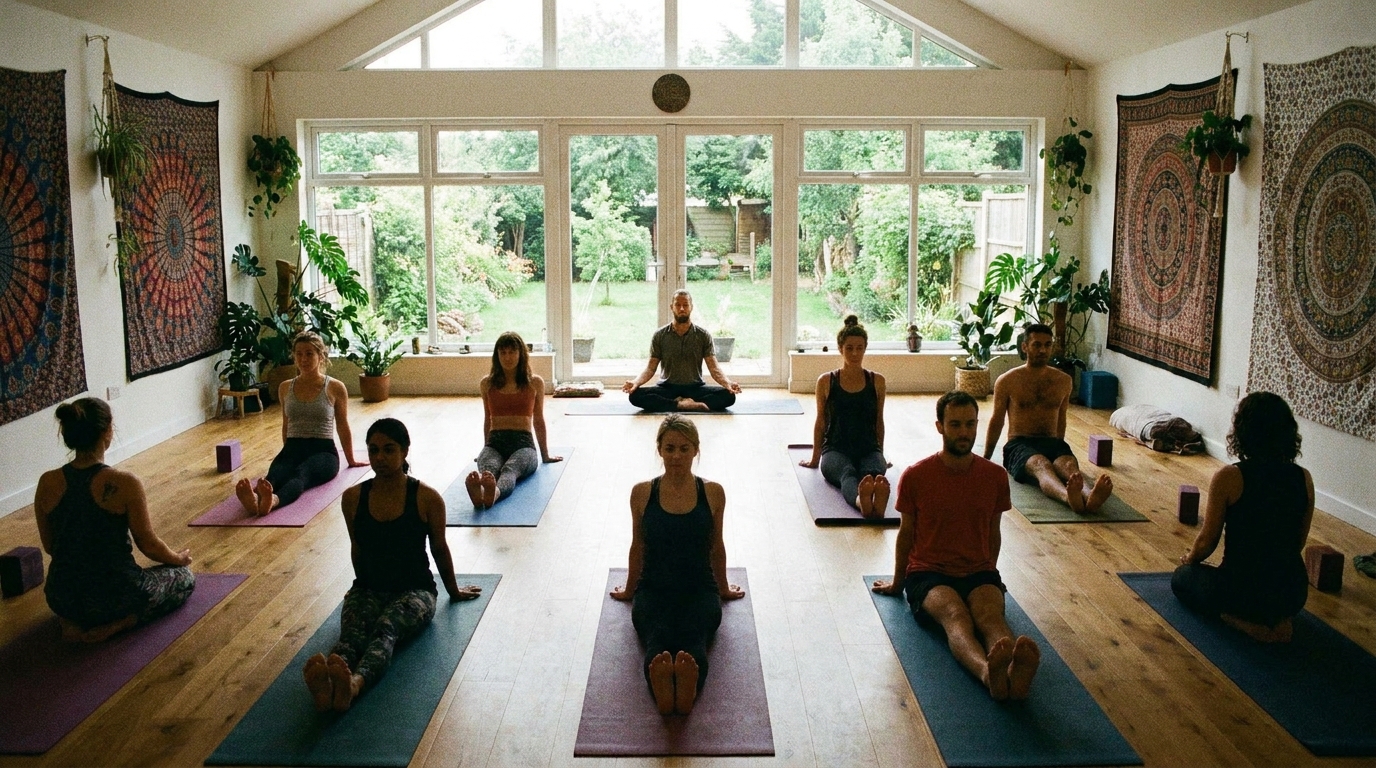
Beyond the physical practice, Jivamukti Yoga offers tools for calming the mind and healing emotional patterns. It does not promise a life without difficulty. Rather, it helps us meet difficulty with more awareness.
Reduces Stress Through Breath and Presence
When movement is linked with breath, the nervous system often begins to settle. Deep, steady breathing sends a message of safety to the body.
In class, you may be encouraged to breathe through challenge. This becomes practical training for life. When stress arises at work, in relationships, or during uncertainty, you may remember: pause, breathe, soften, respond.
Cultivates Focus and Mental Clarity
The mind easily jumps from past to future. Jivamukti Yoga gathers attention through asana, mantra, meditation, and music.
During practice, you focus on breath, movement, alignment, and intention. This strengthens concentration. Over time, the mind becomes less scattered.
This is one reason Jivamukti Yoga can be helpful for people who feel mentally busy. The practice gives the mind sacred work to do until it can rest.
Helps Process Emotions
The body often stores emotion. A deep hip opener, backbend, or moment of stillness may bring feelings to the surface. In Jivamukti Yoga, this is not seen as failure. It is part of purification.
You may feel joy, grief, tenderness, frustration, or gratitude. The invitation is to witness everything with kindness.
Yoga teaches us: you are not your passing thoughts. You are not your temporary emotions. Beneath them is awareness, spacious and whole.
Encourages Self-Acceptance
Jivamukti Yoga can be physically demanding, and this may bring up comparison. Someone else may bend deeper or balance longer. But the deeper practice is to let comparison become a teacher.
Can we rejoice in another person’s beauty without diminishing our own? Can we honor our body as it is today?
This is where yoga becomes devotion. Each breath says, “I am here. I am willing. I offer this practice.”
The Spiritual Benefits of Jivamukti Yoga
Jivamukti Yoga is a spiritual path, but it is not about dogma. It invites direct experience. Through practice, study, devotion, and ethical living, we begin to sense that life is more connected than we once believed.
Awakens Devotion
Bhakti is woven throughout Jivamukti Yoga. Chanting, offering, bowing, and remembering the Divine help soften the ego.
In the Bhagavad Gita, Krishna says:
“Whoever offers Me with devotion a leaf, a flower, a fruit, or water, I accept that loving offering.”
—Bhagavad Gita 9.26
This verse reminds us that devotion is not measured by wealth, status, or complexity. A simple offering made with love is sacred.
In practice, your offering may be your breath. Your effort. Your tears. Your willingness to begin again.
Deepens Compassion for All Beings
Jivamukti Yoga strongly teaches that all beings desire happiness and freedom from suffering. This includes humans, animals, plants, rivers, forests, and future generations.
As practice deepens, compassion becomes less abstract. We begin to notice the impact of our choices. We may become more mindful about food, consumption, speech, and relationships.
This is not about becoming perfect. It is about becoming more awake.
Connects Personal Practice With Service
A true yoga practice does not end when class ends. It continues in how we care for the world.
The Sanskrit word seva means selfless service. In the spirit of seva, we may ask: How can I use my energy to benefit others? How can my healing support collective healing?
Service may be simple. Listening deeply. Feeding someone. Protecting animals. Encouraging a friend. Cleaning a shared space. Offering your work with love.
Invites Liberation From Ego
The ego wants to be admired. Yoga asks us to be free.
In Jivamukti Yoga, challenging poses may reveal ambition. Chanting may reveal shyness. Meditation may reveal restlessness. Ethical teachings may reveal resistance.
All of this is grace. When we see our patterns clearly, we can offer them into the fire of practice.
Liberation while living does not mean we become flawless. It means we become less bound by fear, pride, greed, and separation.
How to Practice Jivamukti Yoga
If you feel called to explore Jivamukti Yoga, begin gently. Let your practice unfold like a flower, not like a race.
Start With an Open Heart
You do not need to understand everything at once. You may hear Sanskrit words, chants, or philosophical ideas that are new to you. Let them arrive slowly.
A beginner’s mind is a blessing. You can silently pray or set an intention before class:
“May this practice help me become more peaceful, compassionate, and awake.”
This simple intention aligns your movement with purpose.
Take a Beginner-Friendly Class
Jivamukti Yoga classes can be vigorous, so look for beginner classes, open-level classes, or teachers who offer modifications.
If you have injuries, pregnancy, medical conditions, or concerns, speak with the teacher before class and consult a qualified healthcare professional when needed.
Yoga is not about pushing through pain. Pain is a message. A wise practice listens.
Learn Basic Sanskrit Terms
You may hear Sanskrit in class. Here are a few helpful words:
- Asana: posture or seat
- Prana: life energy or breath force
- Ahimsa: non-harming, compassion
- Bhakti: devotion or loving offering
- Dhyana: meditation
- Mantra: sacred sound or phrase
- Om: sacred sound representing wholeness
- Shanti: peace
- Guru: teacher or guide, also the inner light of wisdom
Learning these words can make the practice feel more accessible. But remember: the heart of yoga is not vocabulary. It is transformation.
Practice With Breath
In Jivamukti Yoga, breath guides movement. This creates meditation in motion.
A simple way to begin:
- Sit comfortably.
- Feel your breath move in and out.
- Inhale and silently think, “I receive.”
- Exhale and silently think, “I offer.”
- Continue for one to three minutes.
This small practice can shift your state of mind and prepare you for deeper yoga.
Include Chanting and Meditation
If chanting feels strange, you are not alone. Many people feel shy at first. You can listen quietly or chant softly.
Chanting is not a performance. It is a way of tuning the heart. Just as instruments are tuned before music, chanting can tune our inner life toward peace.
After movement, sit for meditation. Even five minutes of stillness can be powerful. Let the breath be natural. Watch thoughts come and go. Return again and again.
How Jivamukti Yoga Supports Ethical Living
One of the greatest benefits of Jivamukti Yoga is that it brings practice into daily choices. It asks us not only, “Can I do the pose?” but also, “Can I live with kindness?”
Ahimsa in Daily Life
Ahimsa begins within. Notice how you speak to yourself. Are your inner words harsh or kind? Many of us would never speak to a friend the way we speak to ourselves.
Practice saying:
“May I be patient.”
“May I learn.”
“May I treat this body with respect.”
Then extend ahimsa outward. Speak honestly but gently. Choose compassion when possible. Reduce harm in small, realistic ways.
Mindful Eating and Compassion
Jivamukti Yoga often encourages a plant-based lifestyle because of its commitment to non-harming. For some, this becomes a central expression of yoga off the mat.
If this is new to you, begin with curiosity rather than guilt. You might try one plant-based meal, learn about where food comes from, or offer gratitude before eating.
The purpose is not moral superiority. The purpose is love in action.
Conscious Speech
Yoga scriptures often remind us that speech carries energy. Words can heal or harm.
Before speaking, we can ask:
- Is it true?
- Is it kind?
- Is it necessary?
- Is it the right time?
This is a practical yoga practice anyone can do, anywhere.
Care for the Earth
The Earth is not separate from us. Our bodies are made of earth, water, fire, air, and space. In Sanskrit, these elements are called mahabhutas, the great elements.
Jivamukti Yoga encourages ecological awareness. This may include reducing waste, conserving resources, supporting ethical products, or spending time in nature with reverence.
When we care for the Earth, we care for the body of life.
How Else Can You Bring Jivamukti Yoga Into Your Life?
Jivamukti Yoga is not limited to a studio. Its teachings can enter your morning routine, relationships, work, and rest.
Create a Simple Home Practice
A home practice does not need to be long. Even 15 minutes can be meaningful.
Try this simple sequence:
- Sit and breathe for two minutes.
- Chant Om three times, or sit in silence.
- Practice five rounds of sun salutations.
- Add two standing poses on each side.
- Practice a gentle twist.
- Rest in savasana, the relaxation pose.
- Sit for one minute and offer gratitude.
Savasana means corpse pose. It teaches surrender. We lie down and let go, remembering that rest is sacred too.
Study One Verse at a Time
Choose one scripture verse and live with it for a week. For example:
“Yoga is the quieting of the mind.”
—Yoga Sutra 1.2
Ask yourself:
- What disturbs my mind most often?
- What helps me return to peace?
- How can I practice stillness today?
This turns scripture into lived wisdom.
Practice Nada Through Deep Listening
Nada is not only chanting. It is sacred listening.
Try listening fully to a loved one without planning your response. Listen to birds, wind, rain, or silence. Listen to your own heart.
Deep listening is rare and healing. It is a form of devotion.
Offer Your Practice to Someone
At the beginning or end of practice, dedicate the merit of your effort to someone in need.
You might say:
“May any peace from this practice benefit all beings.”
This simple offering transforms personal practice into service.
Walk the Path With Community
In Sanskrit, satsang means gathering in truth or keeping company with wisdom. Practicing with others can strengthen commitment and soften loneliness.
A yoga community can remind us that we are not walking alone. We support one another through practice, humility, and shared intention.
Common Questions About Jivamukti Yoga
Jivamukti Yoga can feel rich and layered, especially for beginners. Here are simple answers to common questions.
Is Jivamukti Yoga Good for Beginners?
Yes, beginners can practice Jivamukti Yoga, especially with a supportive teacher and appropriate class level. Some classes are physically strong, so it is wise to begin slowly and use modifications.
Remember, yoga is not about achieving advanced poses. A beginner practicing with sincerity may be closer to yoga than an advanced practitioner filled with pride.
Do I Need to Chant?
You are welcome to participate in chanting, listen quietly, or simply breathe. Chanting is offered as a tool, not a requirement.
Over time, many students find that chanting opens something tender and joyful within them. But the doorway should be entered freely.
Is Jivamukti Yoga Religious?
Jivamukti Yoga includes spiritual teachings, devotion, and references to sacred texts. However, people from many religious and non-religious backgrounds practice it.
You are invited to relate to the teachings in a way that is honest for you. The essence is compassion, awareness, and liberation.
Is Jivamukti Yoga Physically Difficult?
It can be challenging. Many classes include vigorous vinyasa and advanced options. But a skilled teacher will offer variations.
The deeper question is not, “Can I do the hardest version?” but “Can I remain present, kind, and steady?”
What Makes Jivamukti Yoga Different?
Jivamukti Yoga stands out because it integrates physical practice with ethical living, chanting, meditation, scripture, music, and activism rooted in compassion.
It is yoga as a full path—not just fitness, not just philosophy, but embodied devotion.
The Deeper Benefits: From Practice to Transformation
The benefits of Jivamukti Yoga are not only measured in stronger muscles or calmer moods, though these are valuable. The deeper benefit is transformation.
From Separation to Connection
Many of us live with a sense of separation: from our bodies, from one another, from nature, from the Divine. Jivamukti Yoga gently challenges this illusion.
Through breath, movement, compassion, and devotion, we begin to feel connected again. We remember that our actions matter. Our thoughts matter. Our love matters.
From Performance to Offering
In modern culture, even yoga can become performance. We may worry about how we look or whether we are “good enough.”
Jivamukti Yoga calls us back to offering. The posture becomes a prayer. The breath becomes a bridge. The practice becomes a way of saying, “May I be used for peace.”
From Knowledge to Wisdom
Reading scripture is beautiful, but living it is the real practice.
If we study ahimsa but speak cruelly, the teaching has not yet entered the heart. If we chant for peace but ignore suffering, the mantra is incomplete.
Jivamukti Yoga asks us to embody what we learn. Step by step, mistake by mistake, breath by breath.
From Self-Improvement to Self-Realization
Many people begin yoga wanting to improve themselves. This is natural. But the deeper teachings say that beneath our confusion, we are already whole.
Yoga helps remove what covers that wholeness: fear, ignorance, tension, selfishness, and forgetfulness.
In this way, Jivamukti Yoga is not about becoming someone else. It is about remembering who we truly are.
A Gentle Way to Begin Today
If your heart feels even a small curiosity, you can begin now. You do not need special clothing, a perfect body, or a quiet life.
Sit where you are. Take one conscious breath.
Inhale: receive life.
Exhale: offer peace.
Place one hand on your heart and silently say:
“May my life be of benefit.”
This is yoga.
Jivamukti Yoga offers many gifts: strength, flexibility, focus, emotional healing, devotion, compassion, and a deeper sense of purpose. But perhaps its greatest gift is the reminder that liberation is not selfish. True freedom flowers as love for all beings.
May your practice be steady and kind.
May your heart remain humble and brave.
May all beings be happy and free.
FAQs
What is Jivamukti Yoga?
Jivamukti Yoga is a style of yoga that incorporates physical postures, meditation, chanting, and spiritual teachings. It was founded by Sharon Gannon and David Life in 1984 and is a popular form of yoga practiced worldwide.
What are the key principles of Jivamukti Yoga?
Jivamukti Yoga is based on five key principles: Shastra (scripture), Bhakti (devotion), Ahimsa (non-violence), Nada (music), and Dhyana (meditation). These principles are integrated into the physical practice of yoga to create a holistic and spiritually uplifting experience.
What are the benefits of practicing Jivamukti Yoga?
Practicing Jivamukti Yoga can lead to physical, mental, and spiritual benefits. It can improve flexibility, strength, and balance, as well as reduce stress and anxiety. The spiritual teachings and meditation practices can also help individuals connect with their inner selves and cultivate a sense of peace and well-being.
Is Jivamukti Yoga suitable for beginners?
Jivamukti Yoga classes are open to practitioners of all levels, including beginners. The classes are typically structured to accommodate different levels of experience, and instructors provide modifications and variations to make the practice accessible to everyone.
Where can I find Jivamukti Yoga classes?
Jivamukti Yoga classes are offered at Jivamukti Yoga centers around the world, as well as at affiliated studios and gyms. Many instructors also offer online classes, making it accessible to individuals who may not have a local Jivamukti Yoga center nearby.