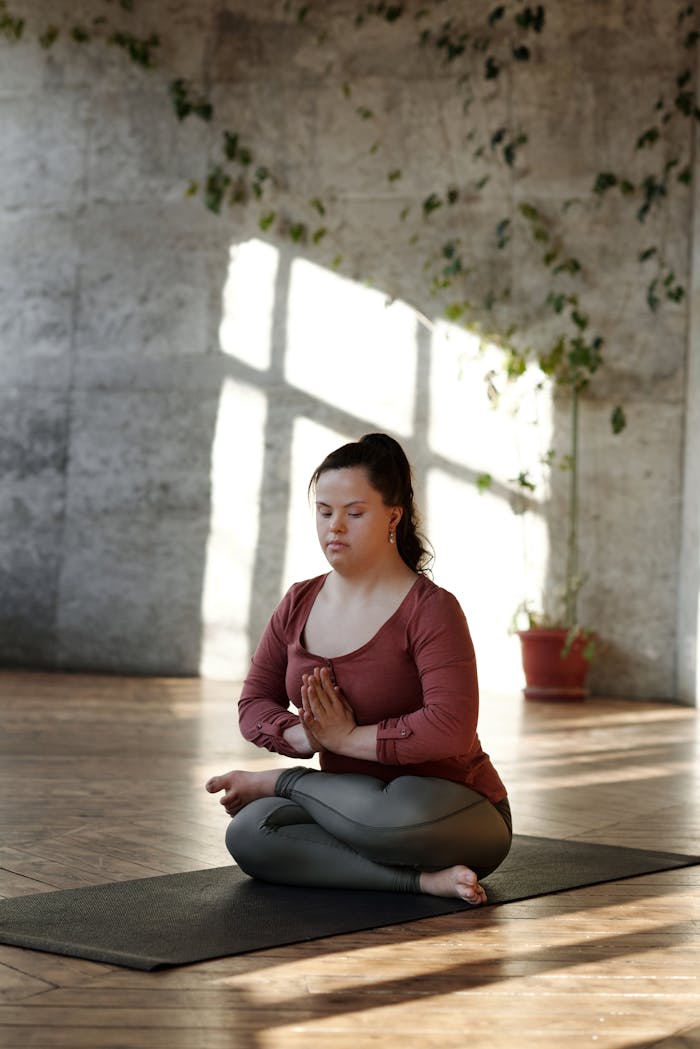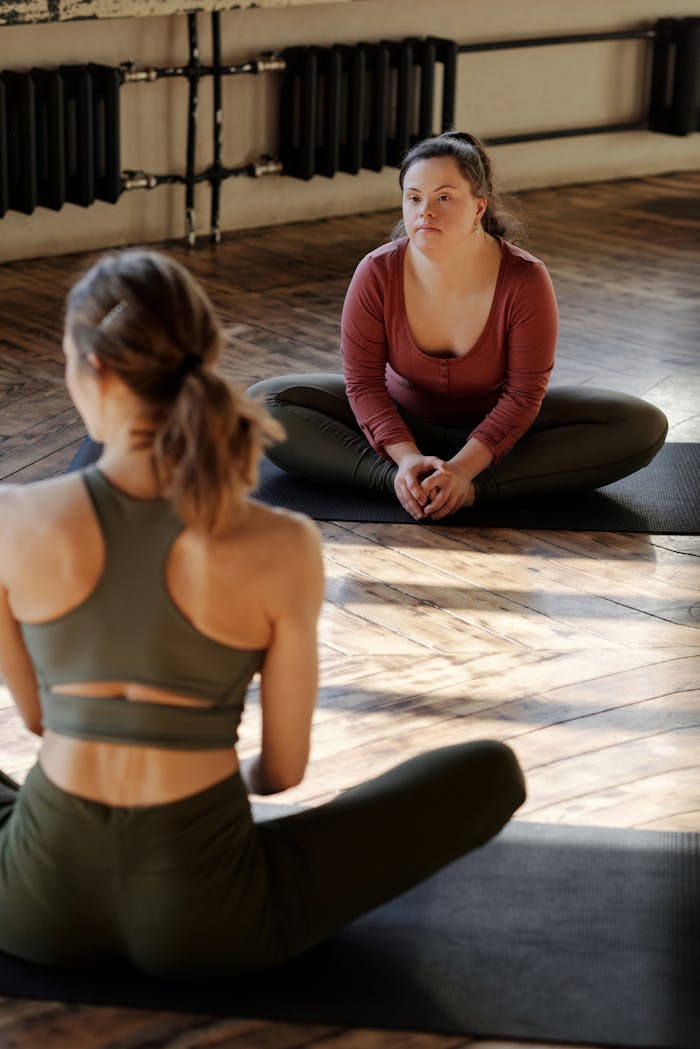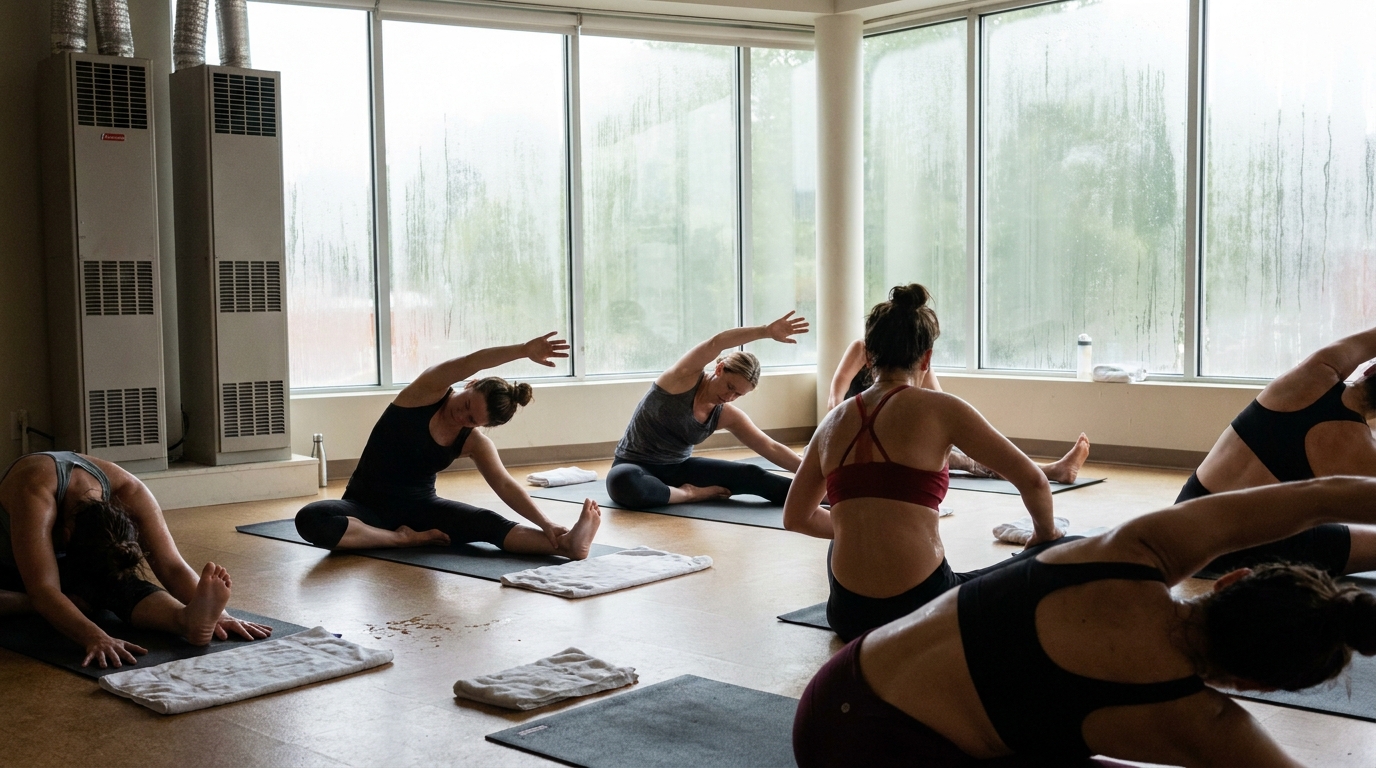
If you are curious about Bikram Yoga, or if you have stepped into a hot room and wondered why anyone would willingly stay there for 90 minutes, you are not alone. Many people arrive at this practice with questions, hesitation, hope, or even a little fear. This is natural.
Yoga welcomes all of this.
In the spirit of bhakti, the yoga of devotion, we can approach Bikram Yoga not as a performance, but as an offering. Each breath, each posture, each moment of patience becomes a small prayer: “May I know myself more clearly. May I care for this body with respect. May I live with steadiness and compassion.”
Bikram Yoga is a modern form of hot yoga traditionally practiced in a heated room, using a set sequence of 26 postures and 2 breathing exercises. Many studios now call this method “26&2 hot yoga.” The class is usually 90 minutes long and follows the same order each time.
The heat, the repetition, and the discipline can make Bikram Yoga a powerful practical path for strength, flexibility, focus, and self-awareness. But like all yoga, it is not about forcing the body. It is about learning to listen.
As the Bhagavad Gita teaches, yoga is a path of balance. In Chapter 6, Krishna explains that yoga is not for one who eats too much or too little, sleeps too much or too little. This wisdom is very practical for hot yoga: effort is needed, but so is moderation.
What Is Bikram Yoga?
The Meaning Behind the Practice
Bikram Yoga is a structured style of hot yoga based on a fixed series of postures. These postures are called asanas, a Sanskrit word meaning “seats” or “postures.” In yoga, asana is not only a shape of the body. It is a way of becoming steady, present, and aware.
The class usually begins with a standing breathing exercise, moves through standing postures, continues into floor postures, and ends with a final breathing practice. Between many postures, students rest in Savasana, or “corpse pose,” a posture of stillness and surrender.
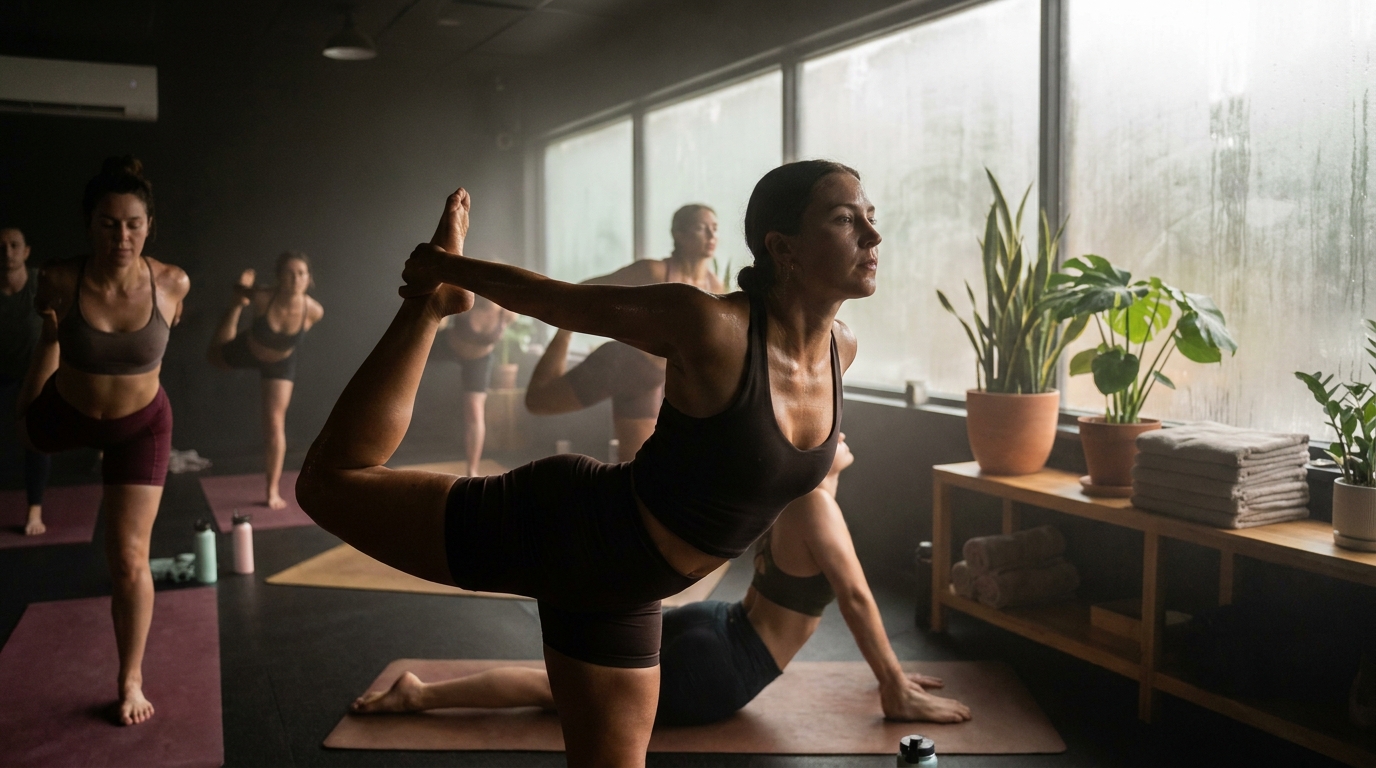
The room is commonly heated to around 105°F or 40°C with significant humidity, though temperatures vary by studio. The heat is intended to warm the muscles, encourage sweating, and create a challenging environment for concentration.
The 26&2 Sequence
The traditional Bikram Yoga sequence includes:
- 26 postures
- 2 breathing exercises
- A consistent order
- A heated room
- A 90-minute class format
This repetition is part of its strength. Because the class stays the same, students can observe their changing bodies and minds over time. One day the posture feels open and easeful. Another day it feels heavy and difficult. The sequence becomes a mirror.
In this way, Bikram Yoga teaches svadhyaya, a Sanskrit term meaning “self-study.” It is one of the personal observances described in the Yoga Sutras of Patanjali, an important classical yoga text. Self-study helps us see our habits, reactions, and inner patterns with honesty.
Bikram Yoga and Hot Yoga: Are They the Same?
Bikram Yoga is a specific type of hot yoga, but not all hot yoga is Bikram Yoga.
Hot yoga may include many different styles, sequences, music, and temperatures. Bikram Yoga traditionally follows the same 26&2 sequence every time. Some modern studios teach the same sequence while using the name “26&2” rather than “Bikram,” especially because of concerns and controversies connected to the founder.
For the sincere student, what matters most is practicing in a safe, respectful, and ethical environment. Yoga should support dignity, consent, humility, and care for all people.
Why Practice Bikram Yoga?
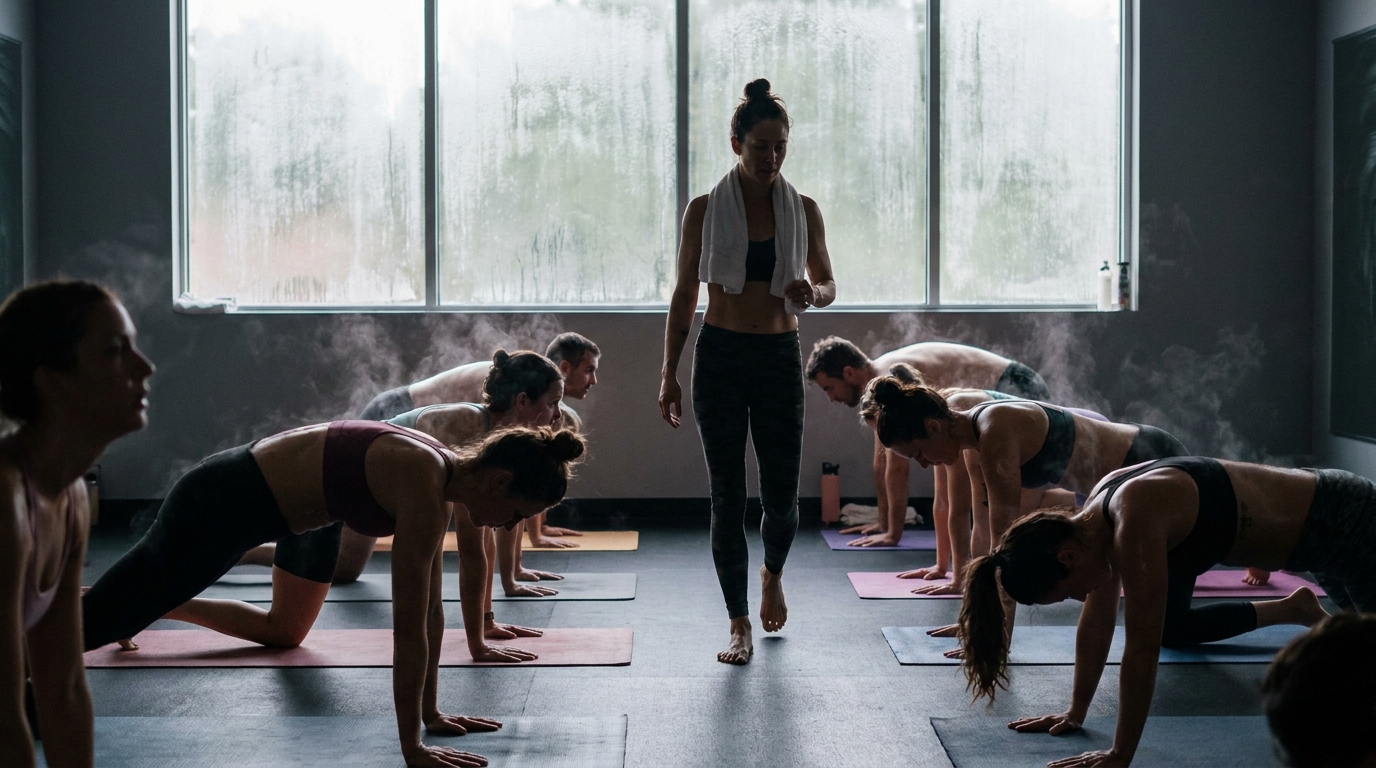
The Gift of Discipline
One of the main benefits of Bikram Yoga is discipline. The same sequence, the heated room, and the length of the class create a steady container. Within that container, the mind often meets resistance.
“I want to leave.”
“I cannot do this posture.”
“Why is this so hard today?”
“Everyone else is better than me.”
These thoughts are part of the practice. We are not trying to destroy the mind. We are learning to observe it.
In the Yoga Sutras, Patanjali describes yoga as citta vritti nirodha, often translated as the calming or stilling of the fluctuations of the mind. This does not mean we become emotionless. It means we learn not to be ruled by every wave of thought.
Bikram Yoga offers a very clear way to practice this. The room is hot. The body is working. The mind reacts. And still, breath by breath, we return.
Building Physical Strength and Stability
Bikram Yoga can help build strength throughout the whole body. Standing postures challenge the legs, hips, core, and balance. Backbends strengthen the spine and open the front body. Floor postures work the abdomen, shoulders, and lower back.
Many students notice stronger legs, improved posture, and better body awareness with consistent practice. Because the sequence is repeated, small improvements become noticeable over time.
Strength in yoga is not only muscular. It is also inner steadiness. In Sanskrit, the word sthira means stable or steady. Patanjali says that asana should be sthira sukham, steady and comfortable. Even in a challenging posture, we are invited to seek steadiness with ease.
Supporting Flexibility and Mobility
The heated room may help muscles feel warmer and more pliable, which can support flexibility. However, this must be approached carefully. Heat can sometimes make people stretch beyond their true range of motion.
The goal is not to push into pain. The goal is to create intelligent mobility.
Flexibility is not a competition. A person with very tight hamstrings practicing with awareness may be practicing more deeply than someone forcing themselves into an impressive shape. In yoga, sincerity matters more than appearance.
Bikram Yoga can gently improve flexibility in the spine, hips, shoulders, and legs when practiced consistently and safely. Over time, students may find more freedom in everyday movements: bending, reaching, walking, sitting, and standing.
Improving Focus and Mental Clarity
The Bikram Yoga room asks for attention. The heat, the structure, and the long holds make it difficult to drift too far away. Students learn to place attention on breath, alignment, and stillness.
This is one reason many people feel mentally clear after class. The mind has had a single focus for 90 minutes. For those who live with constant screens, multitasking, and stress, this can feel like a deep reset.
In the Bhagavad Gita, yoga is described as skill in action. This means yoga is not only what happens on the mat. It is how we meet life. If Bikram Yoga teaches us to breathe in discomfort, perhaps we can breathe more consciously in traffic, conflict, grief, or uncertainty.
Check out the latest yoga guides on yoga guides for helpful tips and advice.
How Bikram Yoga Benefits the Body
Cardiovascular Support
A Bikram Yoga class can feel physically intense. The heat increases the body’s workload, and many postures require strength, balance, and endurance. Some students experience an elevated heart rate similar to moderate exercise.
Regular practice may support cardiovascular fitness, especially when combined with other healthy habits like walking, balanced nutrition, rest, and medical care when needed.
Still, it is important to be humble and honest. Bikram Yoga is not a cure-all. People with heart conditions, blood pressure concerns, heat sensitivity, pregnancy, or certain medical conditions should speak with a qualified healthcare professional before practicing hot yoga.
Yoga is meant to support life, not strain it.
Joint Health and Range of Motion
The Bikram sequence moves the body through many ranges: forward bending, backward bending, twisting, balancing, and compression. These movements can help nourish joints by encouraging circulation and awareness.
When practiced mindfully, the sequence may support:
- Hip mobility
- Spinal movement
- Shoulder range
- Knee and ankle stability
- Better balance and coordination
The key is alignment and patience. If the knee hurts, we do not ignore it. If the lower back feels pinched, we soften. If dizziness appears, we rest.
Rest is not failure. Rest is wisdom.
Spine Health and Posture Awareness
Many Bikram Yoga postures focus on the spine. Backbends, forward bends, twists, and strengthening poses help students become aware of how they hold themselves.
Modern life often pulls the body forward: rounded shoulders, tight hips, stiff neck, compressed lower back. Bikram Yoga can help students explore spinal extension, length, and support.
However, deep spinal work should be done with care. Move slowly. Engage the core gently. Avoid collapsing into the lower back. Lengthen before bending. Let the breath guide you.
In a devotional spirit, we can treat the spine as a sacred pillar of life. Not something to force, but something to honor.
Sweating and Detox: A Balanced View
Many people associate Bikram Yoga with sweating and detoxification. It is true that you may sweat a lot in class. Sweating helps cool the body and can leave people feeling refreshed.
But it is helpful to speak clearly: the body’s primary detox organs are the liver, kidneys, lungs, digestive system, and skin. Sweating does not magically remove all toxins. Still, sweating can support a feeling of cleansing, circulation, and renewal.
A wise approach is to enjoy the sweat without exaggerating the claims.
Drink water. Replace electrolytes if needed. Eat nourishing food. Sleep well. These simple practices are also yoga when done with awareness.
How Bikram Yoga Benefits the Mind and Heart
Learning to Stay Present
The hot room can be uncomfortable. This discomfort becomes a teacher.
In daily life, we often try to escape discomfort quickly. We reach for the phone, food, distraction, anger, or avoidance. In Bikram Yoga, we practice staying present with sensation without immediately reacting.
This is not about suffering. It is about discernment.
There is a difference between healthy challenge and harmful pain. Yoga asks us to learn that difference. This awareness can slowly transform how we respond to stress outside the yoga room.
Developing Emotional Resilience
Many students find that emotions arise during or after class. Sometimes there is joy. Sometimes frustration. Sometimes tears. The body holds memories, habits, and tensions. When we practice deeply, things may surface.
This is not strange. It is human.
Bikram Yoga may help build emotional resilience by giving us a safe place to experience intensity and return to breath. We learn that feelings change. Heat changes. Fatigue changes. Thoughts change.
The Sanskrit word vairagya means non-attachment or letting go. In practice, this can mean: “I do not have to cling to today’s success, and I do not have to despair over today’s struggle.”
Each class is simply one offering.
Cultivating Humility
Bikram Yoga can humble anyone. A posture that felt easy yesterday may feel impossible today. A new student may stand calmly while an experienced student needs to sit down. The body is always changing.
This humility is precious.
Bhakti reminds us that yoga is not about becoming superior. It is about becoming more loving, more truthful, more available to life. If practice makes us proud, harsh, or judgmental, we have missed something important.
Let the heat soften not only the muscles, but also the ego.
Creating a Moving Meditation
Because the sequence is repeated, Bikram Yoga can become meditative. You begin to know what comes next. The mind relaxes into rhythm. Breath, posture, stillness, and awareness become one flow.
Meditation does not always mean sitting still with closed eyes. Meditation can also happen while balancing on one leg, lying in Savasana, or breathing through challenge.
The sacred thread is attention.
How to Begin Bikram Yoga Safely
Choose a Respectful Studio
The environment matters. Look for a studio where teachers are respectful, students are encouraged to listen to their bodies, and modifications are welcomed.
A good teacher will not shame you for resting. They will not force your body. They will offer clear guidance and remind you that yoga is a personal practice.
Before attending, you may ask:
- What is the room temperature?
- Is the class beginner-friendly?
- Can I rest whenever needed?
- Are modifications offered?
- What should I bring?
You deserve to feel safe and respected.
Hydrate Before Class
Hydration begins before you enter the room. Drink water throughout the day, not just right before class. If you sweat heavily, consider electrolytes, especially sodium, potassium, and magnesium.
Avoid practicing on a very full stomach. Many people prefer to eat a light meal 2 to 3 hours before class. But every body is different. Learn what supports you.
Remember the teaching of balance from the Bhagavad Gita. Too much and too little can both disturb the body.
Bring the Right Items
For a Bikram Yoga class, you may want:
- A yoga mat
- A large towel for your mat
- A water bottle
- Light, breathable clothing
- A change of clothes
- A small towel for sweat
- Electrolytes if needed
Come with an open heart, but also with practical preparation. Spiritual practice and common sense belong together.
Pace Yourself in the Heat
If you are new, your first goal is simple: stay present and stay safe. You do not need to do every posture fully. You do not need to prove anything.
If you feel dizzy, nauseous, confused, chilled, or overly weak, sit or lie down. If symptoms continue, leave the room and seek help. Heat illness is serious.
In yoga, courage includes knowing when to pause.
Understand Pain vs. Sensation
Bikram Yoga can create strong sensations: stretching, effort, heat, trembling, and fatigue. But sharp pain, joint pain, numbness, or pinching are signs to stop or modify.
A helpful question is: “Can I breathe here?”
If the breath becomes harsh, panicked, or held, soften the posture. The breath is a wise teacher. In Sanskrit, prana means life force or vital energy, often connected with the breath. When we honor the breath, we honor life itself.
How to Practice the 26&2 Sequence with Awareness
Start with Breath
The class traditionally begins with Pranayama, or breath practice. “Prana” means life energy, and “ayama” means extension or regulation. Pranayama helps focus the mind and prepare the body.
Rather than forcing the breath, practice making it smooth and steady. The breath is not a weapon. It is a companion.
Honor the Standing Series
The standing series builds strength, balance, and concentration. Postures like Half Moon, Awkward Pose, Eagle Pose, Standing Head-to-Knee, Standing Bow, and Triangle ask for focus and patience.
Balance postures are especially humbling. If you fall out, simply begin again. This is a beautiful teaching. In life, too, we lose balance and begin again.
Rest Fully in Savasana
Savasana may look simple, but it is profound. The word means “corpse pose.” It reminds us to release effort and surrender control.
In Bikram Yoga, short Savasanas between floor postures help the body absorb the effects of practice. Try not to skip them mentally. Do not rush ahead. Rest is part of the medicine.
In bhakti, surrender is not weakness. It is trust.
Approach Backbends with Respect
Backbends can be energizing and emotional. They open the front body and strengthen the back body. But they require care.
Before bending backward:
- Lengthen the spine
- Engage the legs
- Lift the chest
- Avoid collapsing into the lower back
- Keep breathing
Let the backbend be an offering of openness, not an act of force.
End with Quiet Gratitude
The final breathing exercise, often Kapalabhati or a form of cleansing breath, is followed by stillness. Take a moment at the end of class to offer gratitude.
Gratitude may be directed to your body, your breath, your teachers, the lineage of yoga, the Divine, or simply the mystery of being alive.
A humble heart makes every practice sacred.
Why Consistency Matters More Than Intensity
Small Steps Create Deep Change
Many people want fast results from yoga: quick flexibility, quick weight loss, quick peace. But yoga unfolds slowly, like a seed becoming a tree.
Practicing Bikram Yoga once can feel powerful. Practicing regularly over months and years can reveal deeper benefits: discipline, self-trust, patience, and inner steadiness.
Consistency does not mean obsession. It means showing up in a sustainable way.
For some people, that may be once a week. For others, two or three times a week. Some may practice more often, but rest days and recovery are important.
Avoid the Trap of “More Is Better”
Hot yoga can become addictive for some students because of the intensity and the strong after-class feeling. But more is not always better.
The body needs time to recover. The nervous system needs balance. Too much heat and intensity can lead to fatigue, dehydration, injury, or burnout.
Yoga asks us to listen inwardly. This listening is called viveka, or discernment. Viveka helps us choose wisely rather than follow ego or pressure.
Ask yourself:
- Do I feel nourished or depleted?
- Am I practicing with love or punishment?
- Is my sleep good?
- Are my joints comfortable?
- Am I kind to myself in class?
These questions are part of the path.
Measure Progress Differently
In Bikram Yoga, progress is not only touching your forehead to your knee or holding a posture longer.
Progress may look like:
- Resting when you need to
- Breathing calmly in challenge
- Comparing yourself less
- Recovering more quickly from frustration
- Feeling more at home in your body
- Becoming kinder to yourself and others
This is real yoga.
How Else Can Bikram Yoga Support Daily Life?
Stress Relief Beyond the Studio
The skills learned in Bikram Yoga can follow you into daily life. When stress rises, you may remember to breathe. When anger appears, you may pause. When discomfort comes, you may stay present rather than react immediately.
This is the beauty of practical yoga. The mat becomes a training ground for life.
A difficult conversation becomes a posture.
A long workday becomes a balance practice.
A moment of grief becomes Savasana.
A choice to be kind becomes bhakti.
Better Body Awareness
Many people live disconnected from their bodies. We notice the body only when it hurts or fails us. Bikram Yoga invites a more intimate relationship.
You begin to notice hydration, sleep, breath, posture, digestion, and mood. You learn which foods support your practice. You notice when stress tightens your shoulders. You feel how emotions affect the breath.
This awareness can guide healthier choices without harshness.
Community and Belonging
Practicing in a room with others can create a quiet sense of community. Everyone is sweating. Everyone is trying. Everyone is meeting something within themselves.
You do not need to look a certain way to belong in yoga. You do not need to be flexible, young, thin, athletic, spiritual, or experienced. Yoga belongs to humanity.
A true yoga space honors people of all backgrounds, bodies, cultures, faiths, and identities.
A Bridge to Deeper Yoga
For some students, Bikram Yoga begins as physical exercise. Over time, it may open the door to deeper yogic teachings: meditation, breathwork, ethical living, devotion, mantra, or study of scripture.
The physical practice is one doorway. It is not the whole house.
The eight limbs of yoga, described by Patanjali, include ethical principles, personal disciplines, posture, breath, sense withdrawal, concentration, meditation, and absorption. Bikram Yoga mainly emphasizes posture and breath, but it can inspire exploration of the whole path.
Common Questions About Bikram Yoga Benefits
Can Bikram Yoga Help with Weight Loss?
Bikram Yoga may support weight management as part of a balanced lifestyle. It can build strength, increase activity level, improve body awareness, and encourage healthier habits.
However, weight loss depends on many factors, including nutrition, sleep, hormones, stress, genetics, and overall movement. It is best not to reduce yoga to calorie burning.
Your body is not a project to hate into perfection. It is a sacred home to care for.
Is Bikram Yoga Good for Beginners?
Yes, beginners can practice Bikram Yoga, but they should begin gently. The sequence is structured, and repetition can help new students learn. Still, the heat can be intense.
If you are new, choose a beginner-friendly studio, arrive early, tell the teacher it is your first class, and rest whenever needed.
Your first class is not about mastering postures. It is about learning the environment and meeting yourself with kindness.
How Often Should I Practice Bikram Yoga?
This depends on your body, schedule, health, and goals. Many students benefit from 1 to 3 classes per week. Some practice more frequently, but recovery is essential.
If you are very sore, exhausted, or dreading class, rest may be the more yogic choice.
Practice should support your life, not consume it.
What Should I Do After Class?
After class:
- Rehydrate slowly
- Replace electrolytes if needed
- Eat nourishing food
- Take a shower
- Rest if your body asks for it
- Notice how you feel emotionally and mentally
A few quiet minutes after class can help you absorb the practice. Even one hand on the heart with a simple “thank you” can turn exercise into devotion.
A Humble Closing Reflection
Bikram Yoga can offer many benefits: strength, flexibility, focus, endurance, stress relief, and a deeper relationship with the body. The heat can challenge us, the sequence can discipline us, and the breath can guide us inward.
But the deepest benefit is not only physical.
The deeper gift is learning how to stay present with ourselves. To work without violence. To rest without guilt. To sweat without pride. To begin again without shame.
This is yoga.
Whether you come to Bikram Yoga for fitness, healing, curiosity, community, or spiritual growth, you are welcome. You do not need to believe anything special. You do not need to become anyone else. Simply arrive, breathe, listen, and practice with sincerity.
In the humble spirit of bhakti, let every posture become an offering. Let every drop of sweat remind you of effort. Let every Savasana remind you of surrender. Let every breath bring you closer to the quiet truth already living within your heart.
FAQs
What is Bikram Yoga?
Bikram Yoga is a style of hot yoga that consists of a series of 26 postures and 2 breathing exercises, practiced in a room heated to a high temperature.
What are the benefits of practicing Bikram Yoga?
Practicing Bikram Yoga can help improve flexibility, strength, and balance. It can also aid in detoxification, stress reduction, and weight loss.
Is Bikram Yoga suitable for beginners?
Yes, Bikram Yoga is suitable for beginners as well as experienced practitioners. The sequence of postures is the same for every class, allowing students to progress at their own pace.
What should I expect in a Bikram Yoga class?
In a Bikram Yoga class, you can expect a 90-minute session in a heated room, following a specific sequence of postures and breathing exercises. The class is typically led by a certified Bikram Yoga instructor.
Are there any precautions to take before practicing Bikram Yoga?
It is important to stay hydrated before, during, and after a Bikram Yoga class due to the high temperature in the room. It is also recommended to consult with a healthcare professional before starting any new exercise regimen, especially if you have any pre-existing health conditions.