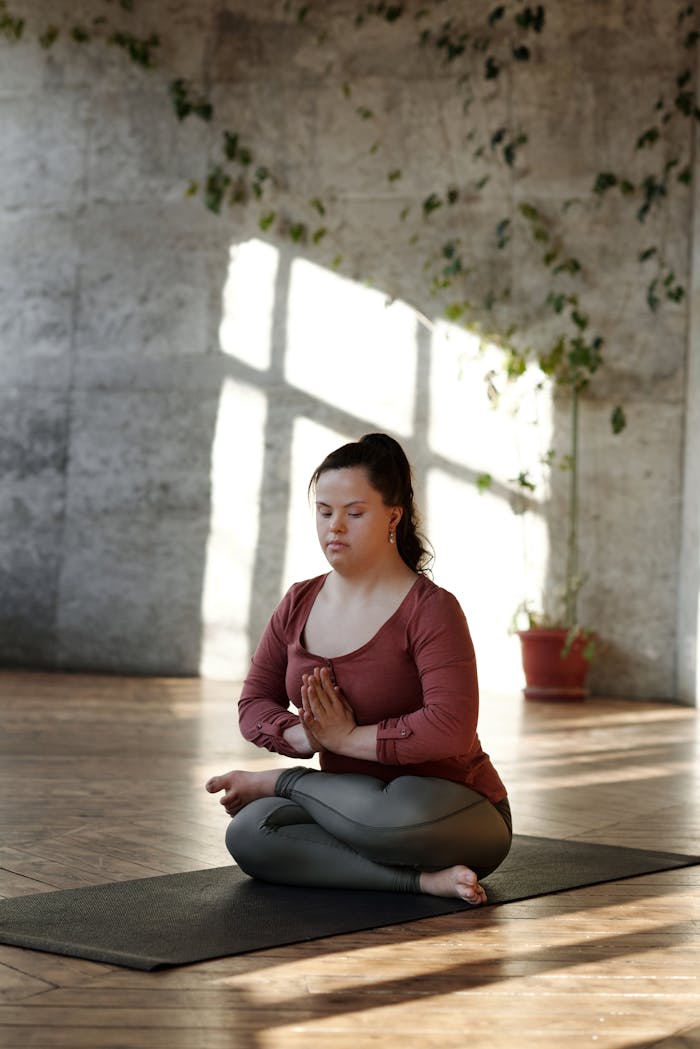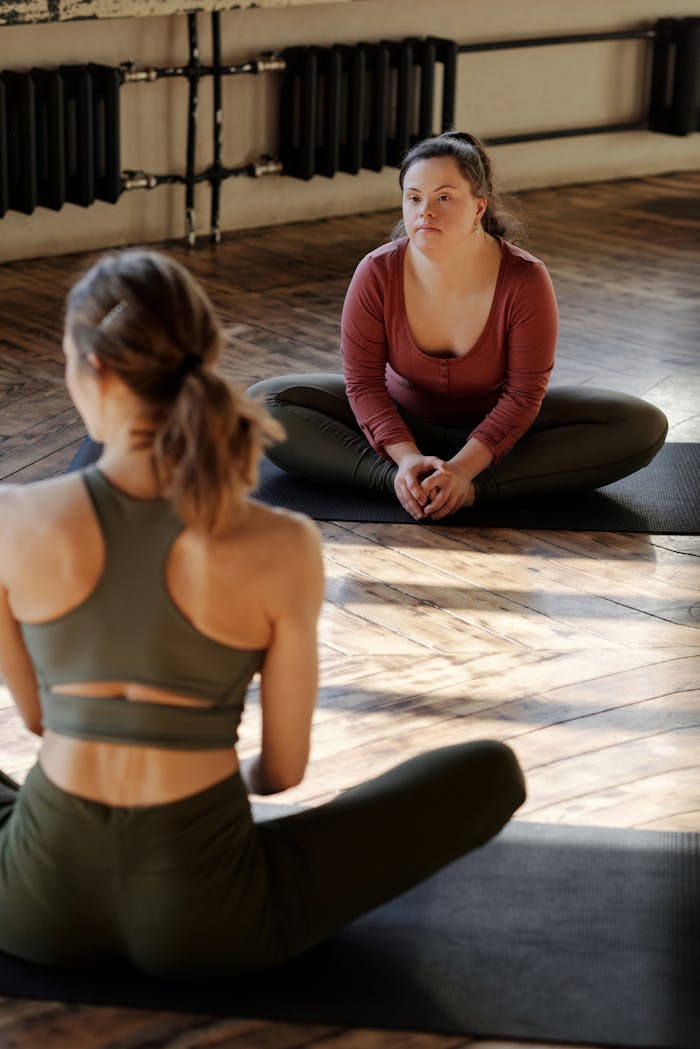
In today’s fast-paced world, the rising levels of stress can feel overwhelming. Many of us juggle demanding jobs, family responsibilities, and social obligations, leaving little room for self-care. This is where yoga for stress comes into play as a natural remedy, offering a path to serenity amidst chaos.
Yoga is more than just a physical practice; it’s a holistic approach to nurturing both mind and body. By incorporating mindfulness and breath control, yoga helps us cultivate a deeper awareness of our thoughts and emotions. This connection allows us to manage stress more effectively, transforming how we respond to life’s challenges.
Studies have shown that engaging in mind-body practices like yoga can significantly enhance overall well-being. Through gentle movements and mindful breathing, we create space for relaxation and clarity, which can lead to improved mental health. Imagine stepping off the treadmill of daily life, finding stillness on your mat, and allowing the stresses to melt away.
As we explore the transformative power of yoga for stress relief, we’ll uncover practical techniques and insights that can help you reclaim balance in your life. Whether you’re a seasoned yogi or a curious newcomer, this journey promises to be one of growth and healing.
The Physiological Benefits of Yoga
Yoga for stress relief does more than calm the mind; it triggers profound physiological changes in the body. One of the most significant responses is the relaxation response. This state is characterized by a decrease in heart rate, lower blood pressure, and reduced muscle tension. As you flow through your practice, your body shifts from the fight-or-flight mode to a state of peace and restoration.
Central to this transformation is the regulation of cortisol, the body’s primary stress hormone. Consistent yoga practice has been shown to lower cortisol levels, helping to reduce feelings of anxiety and overwhelm. In studies, individuals who engage in regular yoga report feeling less stressed and more centered. This hormonal balance can lead to clearer thinking and a more resilient emotional state.
Furthermore, the benefits of yoga extend to overall physical health. Lower cortisol levels are associated with improved immune function, better digestion, and enhanced sleep quality. When stress diminishes, your body can focus on healing and rejuvenation. This means less strain on your heart and a lower risk of stress-related illnesses.
As you delve deeper into your yoga practice, you may notice these changes manifesting physically. You might find that you have more energy, experience fewer headaches, or recover more quickly from illness. The interconnectedness of mind and body means that as you reduce stress, you simultaneously promote overall well-being.
Incorporating yoga into your routine can be a powerful step toward transforming your health. With each breath and movement, you nurture not only your mental clarity but also your physical vitality.
Mindfulness and Stress Reduction
Mindfulness is at the heart of yoga, inviting us to focus on the present moment. In this context, mindfulness means being fully aware of our thoughts, feelings, and physical sensations without judgment. By cultivating this awareness, we can create a safe space for ourselves, allowing stress to lessen as we engage deeply with our experience.
One of the most effective techniques in yoga for stress relief is breath work. Practicing deep, intentional breathing helps to calm the nervous system and ground the mind. For instance, try the 4-7-8 technique: inhale for four counts, hold for seven, and exhale for eight. This rhythmic breathing not only clears your mind but also signals to your body that it’s time to relax.
Meditation is another powerful tool that deepens mindfulness. Taking just a few moments to meditate can shift your focus from stressors to a state of tranquility. You might sit in a comfortable position and concentrate on your breath or engage in a guided meditation. Over time, these practices help you develop a more resilient mindset, enabling you to navigate life’s challenges with greater ease.
When we embrace mindfulness through yoga, we enhance our ability to manage stress effectively. This practice helps us recognize stress triggers and respond to them thoughtfully rather than reactively. As you become more attuned to your body and mind, you’ll find that you can create healthier responses to stressors, fostering a sense of balance that resonates throughout your life.
Incorporating these mindfulness techniques into your yoga practice not only supports your mental health but also promotes physical well-being. Discover how yoga for wellness boosts your mental and physical health, and take a step toward a more harmonious life. By engaging with these practices, you open the door to transformation, allowing the stresses of life to melt away more easily.
Transformative Yoga Poses for Stress Relief
When it comes to yoga for stress relief, specific poses can work wonders for calming both the mind and body. Here, we’ll explore a few transformative poses that encourage relaxation and help you reconnect with your inner peace.
Child’s Pose (Balasana) is a gentle resting pose that promotes deep relaxation. To perform it, kneel on the floor and sit back on your heels. Extend your arms forward and lower your forehead to the mat. Breathe deeply, allowing your body to sink into the pose. This position helps to release tension in the back and shoulders while calming the nervous system, fostering a sense of safety and surrender.
Legs-Up-The-Wall Pose (Viparita Karani) is another excellent choice for stress relief. Find a clear wall space and sit next to it. Gently swing your legs up against the wall while lying back on your mat. Allow your arms to rest at your sides, palms facing up. This pose encourages blood circulation and reduces anxiety, creating a soothing effect that can melt away stress after a long day.
Cat-Cow Stretch (Marjaryasana-Bitilasana) flows beautifully between two complementary poses. Begin on all fours, with wrists under shoulders and knees under hips. Inhale as you arch your back (Cow Pose), lifting your head and tailbone. Exhale as you round your spine (Cat Pose), tucking your chin to your chest. This dynamic movement not only increases spinal flexibility but also helps release pent-up emotions, promoting mental clarity.
Reclining Bound Angle Pose (Supta Baddha Konasana) invites deep relaxation and mindfulness. Sit with the soles of your feet together and let your knees fall open. Slowly lower your back to the mat, allowing your arms to rest beside you. Close your eyes and breathe deeply. This pose opens the hips and encourages a sense of vulnerability, allowing stress to dissipate as you embrace stillness.
For a more expansive practice, consider exploring additional poses that can also support emotional balance. Check out our article on Unlock Your Creativity: 6 Yoga Poses for Sacral Chakra Balance for more ways to enhance your journey.
Incorporating these poses into your daily routine can lead to remarkable mental benefits. As you connect with your breath and body, you’ll find that stress reduces, leaving space for clarity and resilience. Embrace these practices, and watch as your mind and body transform, paving the way for a more harmonious life.
Creating a Personalized Yoga Routine
Crafting a personalized yoga routine is a beautiful way to address your unique stressors and enhance your overall well-being. Start by identifying the specific areas where you feel tension or unease. Are you dealing with anxiety, physical discomfort, or perhaps a lack of focus? Your answers will guide your choice of poses.
For stress relief, consider incorporating calming poses such as Child’s Pose, Forward Fold, or Legs-Up-The-Wall. These postures encourage relaxation and help to restore balance. If you find yourself feeling overwhelmed, gentle backbends like Cobra or Sphinx can open up your heart and promote a sense of ease.
Consistency is key in any yoga practice. Aim to dedicate at least 10-15 minutes daily to your routine. This commitment doesn’t have to be daunting; even short, mindful sessions can have a profound impact. The more regularly you practice, the more familiar you’ll become with your body’s responses, making it easier to tap into that sense of calm.
Integrating mindfulness techniques into your workouts can enhance the benefits of yoga for stress relief. Start each session with a few minutes of deep breathing to center yourself. As you move through your poses, focus on your breath, allowing it to guide your movements. This connection nurtures a sense of presence, helping you to quiet your mind and tune into your body.
Remember, your yoga journey is uniquely yours. Don’t hesitate to modify poses or try new variations that resonate with you. Listen to your body and honor its needs. By creating a routine that feels personal and nurturing, you’ll cultivate a sanctuary for yourself, allowing stress to diminish and peace to flourish.
Long-Term Benefits of Yoga for Stress Management
The positive effects of yoga for stress relief extend far beyond the mat. Research consistently shows that regular yoga practice can lead to lasting reductions in stress levels. A study published in the Journal of Alternative and Complementary Medicine found that participants who practiced yoga regularly reported significantly lower stress and anxiety over time.
This transformation is not just about immediate calm; it fosters emotional resilience too. With consistent practice, individuals often find they can handle stress more effectively. Yoga equips you with coping mechanisms that help you navigate life’s challenges with grace and confidence.
Moreover, the holistic benefits of yoga are profound. Many practitioners notice improved mental clarity alongside emotional well-being. As you engage in mindful movements and breathwork, your mind becomes clearer, allowing for better decision-making and focus. This clarity can ripple into various aspects of life, enhancing your relationships and work performance.
Additionally, the community aspect of yoga cannot be overlooked. Engaging with a supportive group fosters connections that nurture emotional health. Sharing experiences and challenges with fellow yogis creates a sense of belonging, which can be incredibly comforting during stressful times.
In essence, the long-term benefits of yoga for stress management are deeply intertwined with overall quality of life. By committing to this practice, you pave the way for a more balanced, fulfilling existence.
Integrating Yoga into Daily Life
Incorporating yoga into your daily routine is essential for effectively managing stress. By committing to regular practice, you create a sanctuary for yourself amidst life’s chaos. Even just a few minutes each day can lead to profound changes in your mental and physical well-being.
Imagine starting your day with a gentle flow or winding down with restorative poses. These simple acts can transform your mindset, making you more resilient in the face of challenges. As you cultivate this mindful practice, you’ll find that stress diminishes while clarity and peace take its place.
The benefits of yoga for stress extend beyond the mat. You’ll also experience increased energy and a greater sense of community, especially if you explore classes with friends or loved ones. For a fun way to connect, consider trying out group poses—discover three-person yoga poses for fun with friends.
As you embark on this journey, remember that resources are plentiful. Books, online classes, and local workshops are all excellent ways to deepen your understanding of yoga. Embrace this opportunity for growth, and let yoga guide you toward a more balanced and fulfilling life.