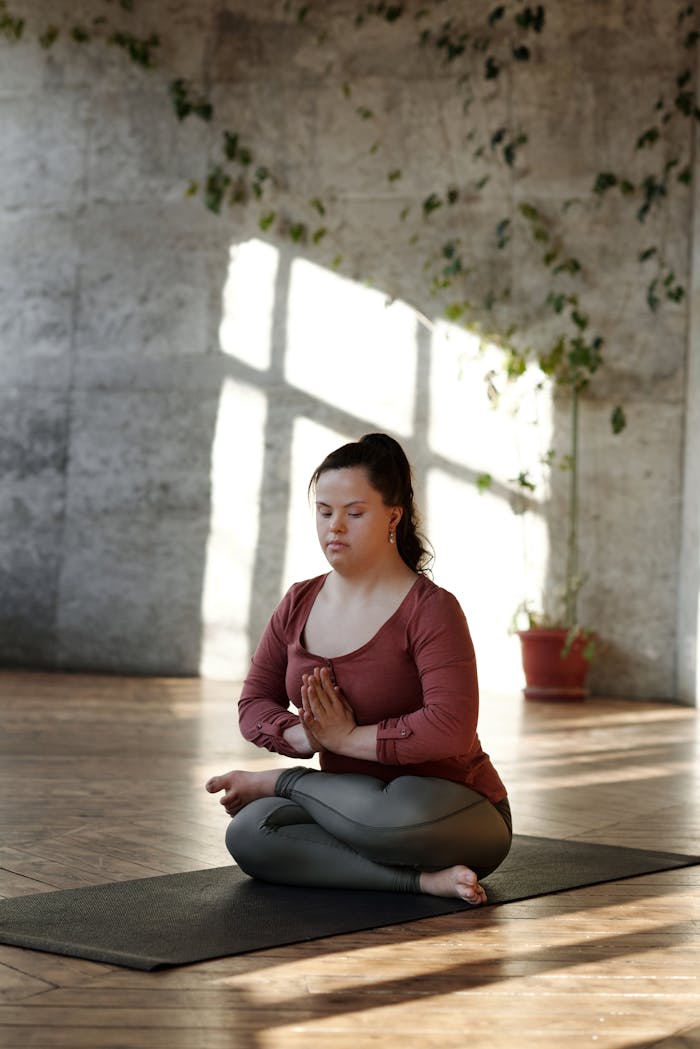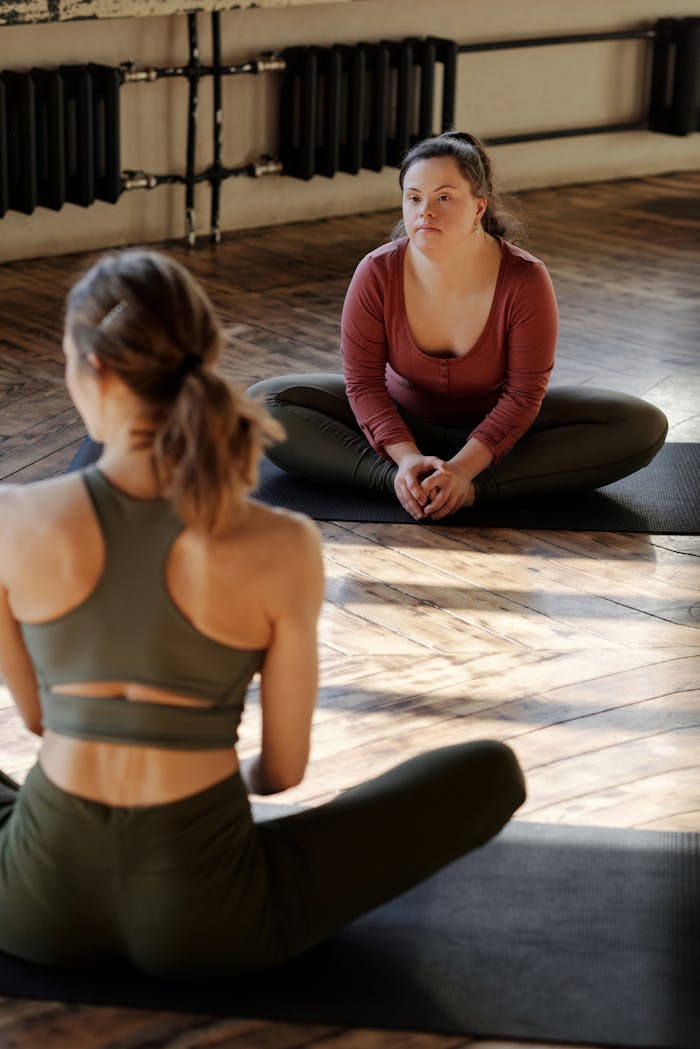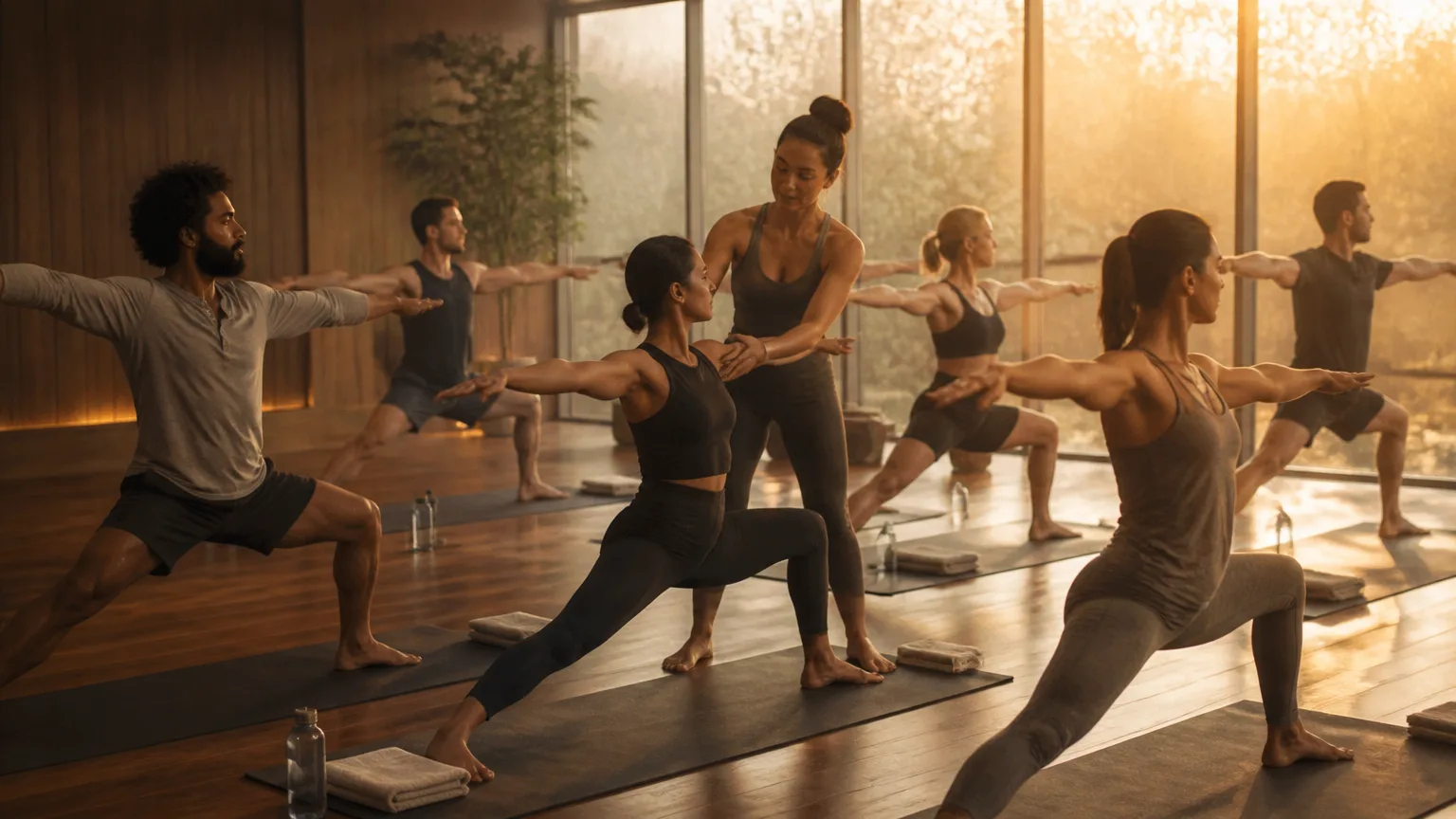
Hot 8 Yoga offers an approachable way to explore heat-based movement, mindfulness, strength, and community. Whether you are new to hot 8 yoga or building a regular practice, the right class should support your goals—not simply challenge you with the most intense option.
Heat can help you feel more mobile, focused, and connected to your body. It may also support physical and mental well-being when paired with thoughtful hydration, steady pacing, and self-awareness. For a closer look at the benefits of hot yoga, consider how heat fits into your wider wellness routine.
In this guide, we will compare Hot 8’s eight class formats, including the types of movement, intensity, and mindfulness each may offer. We will also look at membership choices and what to expect during a first visit, so you can make a confident decision.
Details can differ by studio location. Class names, room temperatures, durations, amenities, and schedules may change, so confirm current information before booking. As you compare options, consider your experience level, energy, schedule, and personal intentions. A balanced match can make your practice feel both sustainable and rewarding.
How to Compare Hot 8 Memberships, Packages, and Drop-In Options
Start by comparing the effective cost per visit, not just the advertised price. Divide each option’s total cost by the number of classes you realistically expect to attend. Include introductory offers, single-class drop-ins, class packs, recurring memberships, and longer-term commitments in the same calculation.
Your attendance habits matter most. If you practice occasionally, a class pack may offer flexibility without unused visits. If you attend hot 8 yoga classes twice or more each week, a recurring membership may become more economical. Estimate your typical month, rather than your most ambitious one, before choosing a plan.
Read the cancellation policy carefully. Check how far in advance you must cancel, along with any late-cancel or no-show fees. A lower monthly rate may not feel valuable if your schedule changes often or missed classes create extra costs.
Also review pause policies and expiration dates. Some memberships allow temporary pauses, while class packs may expire after a set period. Ask whether unused visits roll over, and learn what happens if illness, travel, or other commitments interrupt your routine.
Location access can affect the membership’s real value. Confirm whether your plan includes multiple studios or only one location. If you travel between neighborhoods, broader access may make a slightly higher price worthwhile. Guest privileges can add value, especially if you enjoy practicing with friends.
Finally, ask exactly what the membership includes. Some plans cover standard classes but exclude specialty formats, workshops, retail items, or premium services. Confirm whether hot yoga, strength-focused sessions, and other class types are included before enrolling.
Write down the prices, visit limits, expiration rules, and fees for each option. This simple comparison makes it easier to choose a plan that supports your wellness goals without adding financial pressure.
1. Hot Yoga: A Traditional Heat-Building Foundation
A foundational hot yoga class offers a steady, structured practice in a heated room. You may move through standing poses, balance work, stretches, breath awareness, and repeated sequences. The exact format can vary between Hot 8 Yoga locations, so check the current class description before booking.
The warmth can make movement feel more demanding, especially as your heart rate rises and your muscles begin to loosen. It may also encourage greater awareness of your breath and body. Move gradually, and avoid forcing flexibility simply because the room feels warm.
This format often appeals to experienced movers who value consistency and clear structure. Repeated sequences can help you notice progress over time, refine alignment, and build confidence in familiar poses. The focused rhythm may also support mindfulness when you settle into your breath.
If you are new to yoga or heated exercise, consider an introductory class first. You can also ask the studio whether a traditional hot class suits beginners. Arrive early, bring water, and tell the instructor about any injuries or concerns.
As you compare memberships, note which plans include hot yoga and whether class access differs by location. Write down prices, visit limits, expiration rules, and fees for each option. This simple comparison can help you choose a plan that supports your wellness goals without adding financial pressure.
2. Hot Vinyasa: Flow, Breath, and Continuous Movement
Hot vinyasa classes combine heat with a steady sequence of poses linked by breath. Unlike a fixed series, the order and rhythm can change from class to class. This makes the practice feel creative, responsive, and energizing.
Instructors often cue an inhale to lengthen or open, then an exhale to fold, twist, or transition. You may move from standing poses into balances, add core work, and gradually shift toward seated or floor-based postures. Common transitions include stepping through from downward-facing dog, flowing through sun salutations, or lowering through plank before resting on the mat.
The pace can vary widely across Hot 8 Yoga locations and instructors. Look for labels such as beginner, all-levels, power, or advanced before booking. A beginner-friendly class may offer more demonstrations and pauses, while power vinyasa may move quickly and challenge your strength and stamina.
Modifications are a normal part of this practice. You might lower your knees, use blocks, choose a gentler balance, or replace a transition entirely. Child’s pose and water breaks are also welcome tools, not signs that you are falling behind.
Choose hot vinyasa if you enjoy continuous movement and want to connect breath with physical effort. If you prefer predictable sequencing or more time in each pose, a fixed-sequence or slower class may feel more supportive. Check the current class description and ask the studio about pacing before your first visit.
3. Hot Power Fusion: Strength, Heat, and Athletic Flow
Hot Power Fusion brings a stronger, more athletic energy to the heated yoga room. It blends yoga mobility with muscular endurance, steady breathwork, and faster transitions. For many Hot 8 Yoga students, this format feels like a focused workout that also builds body awareness.
Expect sequences that may include planks, lunges, chair pose, balances, and core-focused movements. Holding these shapes in a warm room can challenge your stamina as much as your flexibility. You may move continuously between poses, using your breath to stay present through effort and fatigue.
This class can suit students who want vigorous movement and enjoy feeling physically challenged. It may also support goals such as building stability, improving coordination, and developing confidence in stronger poses. However, beginners should build tolerance gradually, especially if they are new to heated exercise or faster-paced yoga.
Start with a well-hydrated body, take breaks when needed, and listen for signs that you need to slow down. Resting in child’s pose or stepping out of a sequence is always a valid part of practice. Heat can intensify physical sensations, so steady pacing matters more than matching anyone else.
Compare the instructor’s style and the listed class level before booking. One teacher’s power class may feel structured and approachable, while another may move quickly with fewer demonstrations. Reading current Hot 8 Yoga class descriptions and asking about pacing can help you choose a challenging experience that still feels supportive.
4. Yoga Sculpt: Weights, Cardio, and Yoga-Inspired Conditioning
Yoga Sculpt combines yoga-inspired movement with fitness-focused conditioning. A class may include familiar poses, light weights, cardio intervals, squats, lunges, and targeted strength exercises. Equipment and programming can vary, so check the current Hot 8 Yoga class description before booking.
Unlike traditional yoga, Yoga Sculpt usually emphasizes continuous movement and elevated intensity. You may flow from chair pose into weighted squats, add jumping intervals, or strengthen specific areas such as the arms, glutes, and core. This format can complement yoga for athletes by building strength, mobility, and body awareness.
Yoga Sculpt is generally fitness-forward. It may provide less time for meditation, restorative stretching, or extended breathwork than slower or more traditional classes. Students who enjoy energetic music, measurable effort, and a motivating group atmosphere may feel especially at home here.
Bring comfortable, breathable clothing that allows full movement, along with plenty of water. If the heated room or workout feels intense, reduce the impact of jumps, choose lighter weights, or pause when needed. Your practice should challenge you without pushing past your limits.
This class may suit experienced students and active beginners who want a lively workout. If you prefer quiet reflection, longer holds, or a gentler pace, another format may feel more supportive. Ask the studio about class length, equipment, and intensity before your first visit.
5. Hot Barre: Low-Impact Strength and Postural Control
Hot Barre offers a focused alternative to the larger transitions and flowing sequences of vinyasa. In a warm Hot 8 Yoga studio, you may work through small-range movements, pulses, and isometric holds. These controlled patterns often target the legs, glutes, arms, and core.
Expect plenty of attention to alignment and postural control. You might practice balance drills, hold a lifted-leg position, or repeat a small squat movement until your muscles begin to fatigue. The goal is steady, mindful effort rather than speed or dramatic range of motion.
Low-impact does not mean easy. Barre-style work can create intense local fatigue, especially in the thighs, seat, shoulders, and abdominal muscles. Use the barre, wall, or another support for stability. Avoid forcing a deeper position or sacrificing alignment to complete more repetitions.
This format may suit students who enjoy predictable sequences, muscular endurance, and a strong connection to body awareness. It can also support balance and coordination without the jumping or rapid transitions found in some higher-intensity classes. If you are new to barre, tell the teacher before class so they can explain equipment and modifications.
For your first visit, wear comfortable clothing that allows free movement and bring water. Ask whether the class uses a barre, light weights, bands, or a mat. Checking the current class description, duration, and intensity can help you choose a welcoming starting point.
6. Hot Yin: Slower Poses and Longer Holds
Hot yin offers a slower, introspective alternative to vigorous Hot 8 Yoga classes. You’ll spend more time on the floor, using supported poses and longer holds to explore mobility, breath, and mindful stillness.
Rather than building muscular effort or chasing perfect alignment, hot yin invites patience. You may use bolsters, blocks, or blankets while noticing sensation and allowing your breathing to guide the experience. The goal is not to force a deeper stretch. It is to remain present and respond thoughtfully to what your body communicates.
The room’s warmth can make stillness feel more approachable. Heated muscles and connective tissues may seem to move more freely, helping you settle into a pose. However, heat-related range of motion can be misleading. Avoid treating extra flexibility as a signal to stretch farther or push past comfortable sensation.
This format may suit students seeking balance after strength training, running, or faster-paced yoga. It can also support anyone who wants time to downshift and reconnect with their nervous system. Expect fewer transitions, longer pauses, and a quieter class rhythm than you might find in power-focused sessions.
Use caution if you have an injury or a medical concern affecting your joints, ligaments, or other connective tissues. Ask your healthcare professional for guidance, and speak with the instructor before class. Share your experience level and request modifications so your practice remains steady, supported, and nourishing.
7. Restorative or Recovery-Focused Yoga: Replenish Between Harder Classes
Heated strength and flow classes can build stamina, mobility, and confidence. However, attending high-intensity sessions every day may leave your body feeling depleted. A restorative or recovery-focused class offers space to replenish between more demanding practices.
These sessions usually emphasize props, supported shapes, gentle mobility, and mindful breathing. You may use bolsters, blankets, blocks, or straps to settle comfortably into each pose. Longer periods of rest replace calorie-burning or performance goals, helping your nervous system shift toward ease.
A recovery class can also create a more balanced weekly routine. For example, you might schedule two heated flow classes, one strength-focused session, and one restorative practice. On another day, gentle stretching or quiet breathing can support recovery without adding significant physical stress.
If you enjoy a slower morning practice, AM Yoga Rodney Yee may offer helpful context for a gentler approach. Even when a class feels easy, move patiently and respect signals such as pain, dizziness, or unusual fatigue.
Before booking, confirm the exact room temperature and class label. Some studios distinguish restorative, gentle, recovery, and unheated offerings, while others use these terms differently. Ask about pacing, props, heated conditions, and whether the class suits your current energy level. This extra check can help your hot 8 yoga schedule support sustainable wellness rather than constant exertion.
8. Specialty Classes and Cross-Training Formats
Rotating specialty classes can bring novelty, creativity, and community to your hot 8 yoga routine. Offerings may include aerial yoga, mobility, core conditioning, workshops, or themed sessions. Before using a membership credit, consider whether the format supports your current goals, energy, and experience.
Read the full class description before booking. Check equipment requirements, prerequisites, room temperature, duration, and intensity. Also confirm whether the session is yoga-centered or primarily fitness-based. A core or strength class may complement your practice, but it could feel very different from a breath-focused yoga class.
Aerial yoga is a clear example of a distinct format. In aerial yoga classes near me, students use a suspended fabric hammock for balance, support, and movement. The setup, grip demands, inversions, and spatial awareness differ substantially from a mat-based heated class. Ask about beginner options, clothing guidance, and any medical restrictions.
Specialty classes can be an enjoyable way to explore new movement patterns and connect with fellow students. However, they may not be the best first visit if you are unfamiliar with heat, studio etiquette, or the pace of the space. Consider starting with an introductory mat class, then add specialty formats as your confidence grows. When uncertain, contact the studio and ask whether the class suits your experience level.
What to Expect on Your First Hot 8 Yoga Visit
After choosing a class and membership, book your first hot 8 yoga visit through the studio’s current website or app. Check the class time, room temperature, duration, cancellation policy, and any equipment requirements. Arrive 15–20 minutes early so you can complete registration without rushing.
Wear breathable clothing that allows comfortable movement. Bring water, a towel, and a mat designed to stay steady when you sweat. If you need guidance, the best yoga mat for hot yoga can help you compare comfort and stability features. Pack a change of clothes, especially if you plan to continue your day afterward.
Use those extra minutes to introduce yourself to the instructor and mention your experience level. Ask how the room works, where to store personal items, and where you can refill water. It also helps to locate the showers, restrooms, and exits before class begins.
Once class starts, expect your body to need time to adjust to the heat. Move at a sustainable pace, breathe steadily, and take Child’s Pose or another comfortable break whenever needed. You may also leave the room if you feel unwell; notify the instructor when possible and return only when you feel ready.
Avoid comparing your balance, flexibility, or endurance with anyone else’s. Hot yoga is a personal practice, and a thoughtful modification can be more valuable than pushing through discomfort. Tell the instructor about injuries, recent procedures, or health considerations before movement begins.
If you are pregnant, managing a cardiovascular or heat-related condition, taking medication that affects hydration or temperature regulation, or experiencing dizziness, consult a qualified clinician. Follow the studio’s safety guidance and stop immediately if you feel faint, confused, nauseated, or unusually short of breath.
After class, cool down gradually and drink water. Change out of damp clothing, enjoy a light meal when appropriate, and notice how your body feels later. This gentle recovery helps you decide whether the class intensity and heat support your wellness goals.
Frequently Asked Questions About Hot 8 Yoga
Is Hot 8 Yoga suitable for beginners?
Many beginners can begin with an all-levels, gentle, or introductory class. However, recommendations may vary by studio and format. Check the current class description, confirm the pace, and tell the teacher that you are new.
How many times a week should I attend hot yoga?
Start conservatively and allow time for recovery between sessions. Instead of following a fixed rule, notice your hydration, sleep, soreness, energy, and overall response. Increase frequency gradually when your body feels ready.
What is the most affordable Hot 8 membership option?
The lowest listed price is not always the best value. Compare your expected attendance, promotional pricing, cancellation terms, visit limits, expiration dates, and included class types. A plan only saves money when it fits your schedule and provides access to the classes you want.
Can I take hot yoga if I am not flexible?
Absolutely. Flexibility is not a prerequisite for hot 8 yoga or any mindful movement practice. Props, modifications, steady breathing, and consistent attendance matter more than touching the floor. Work within a comfortable range rather than forcing a deeper stretch.
What should I bring to my first visit?
Wear comfortable clothing that allows free movement, and bring water if the studio permits it. Confirm whether mats, towels, or other equipment are provided. Arrive early enough to check in, ask questions, and settle into the heated room without rushing.
What should I do if I feel dizzy or nauseated?
Stop practicing and rest in a safe position, such as lying down or sitting near the floor. Inform the instructor, move to a cooler area when possible, and cool down gradually. Seek medical assistance if symptoms are severe, persistent, or paired with chest pain, fainting, confusion, or unusual shortness of breath.
If you have a health condition, are pregnant, or take medication affecting hydration or heat tolerance, speak with a healthcare professional first. Share relevant concerns with your instructor so they can offer appropriate modifications.
Choose the Hot 8 Class and Membership That Support Your Whole Routine
The best hot 8 yoga class matches your current experience and primary goal—not simply the word “hot.” Choose strength-building sessions for energy and conditioning, mobility-focused classes for range of motion, or gentler options for stress relief and recovery. If community motivates you, consider the format and schedule that help you feel connected.
During an introductory period, try more than one class type when possible. Track your enjoyment, energy, and recovery afterward. Then compare your actual attendance with each membership’s price, visit limits, expiration rules, and fees. The right plan should support your routine without creating financial pressure.
Begin gradually, stay mindful of heat and intensity, and ask instructors for modifications. Over time, notice which classes leave you challenged yet nourished. Holistic well-being grows through consistency, mindful pacing, and a balanced mix of invigorating and restorative practices. Choose the path that helps you return with confidence.