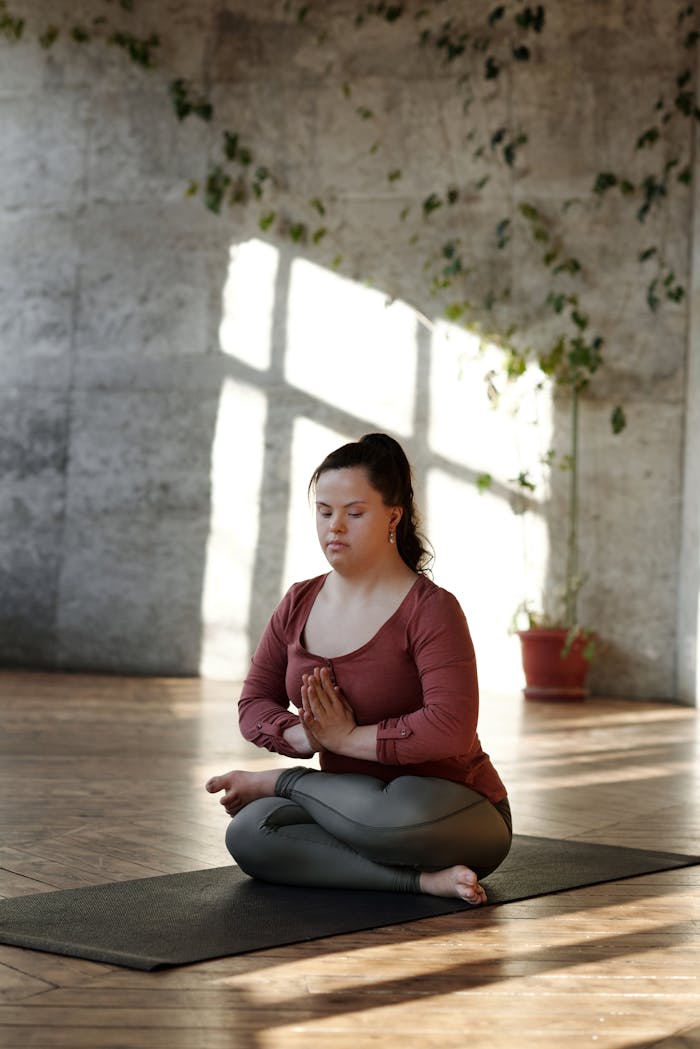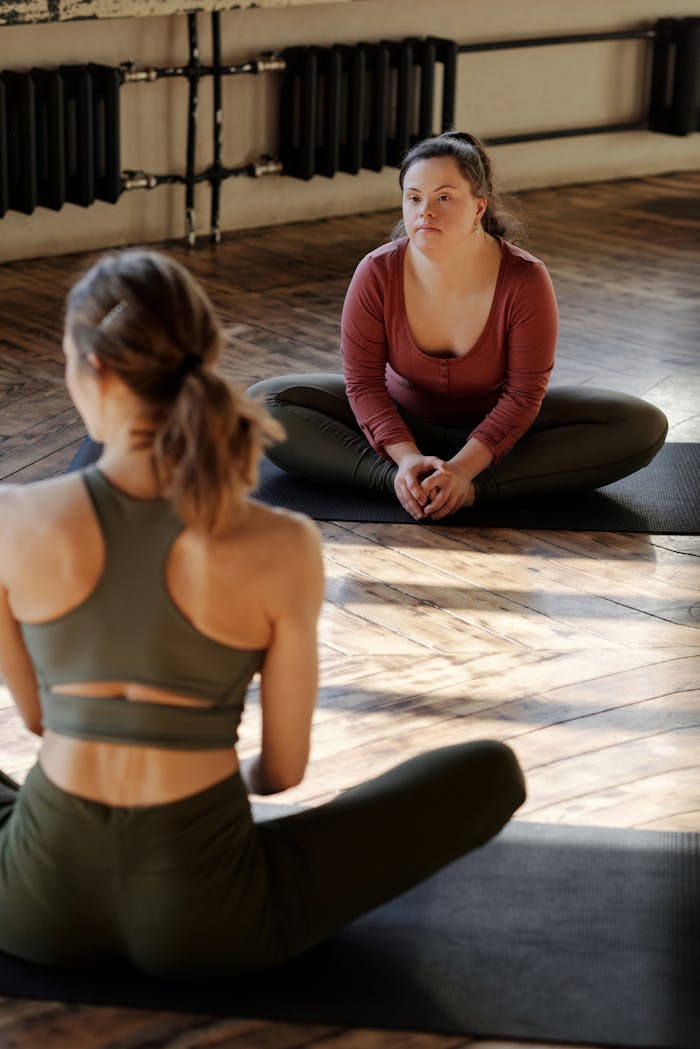
Restorative yoga is a quiet invitation to come home to yourself.
In a world that often praises speed, effort, and constant doing, restorative yoga offers another way: a path of softness, patience, and deep listening. It reminds us that healing does not always come through striving. Sometimes, by resting with awareness, the body remembers its own wisdom, the breath becomes a prayer, and the heart begins to feel held.
This practice is open to people of all backgrounds, beliefs, bodies, and life stages. You do not need to be flexible. You do not need to be spiritual in any particular way. You do not need to “perform” yoga. Restorative yoga welcomes you exactly as you are.
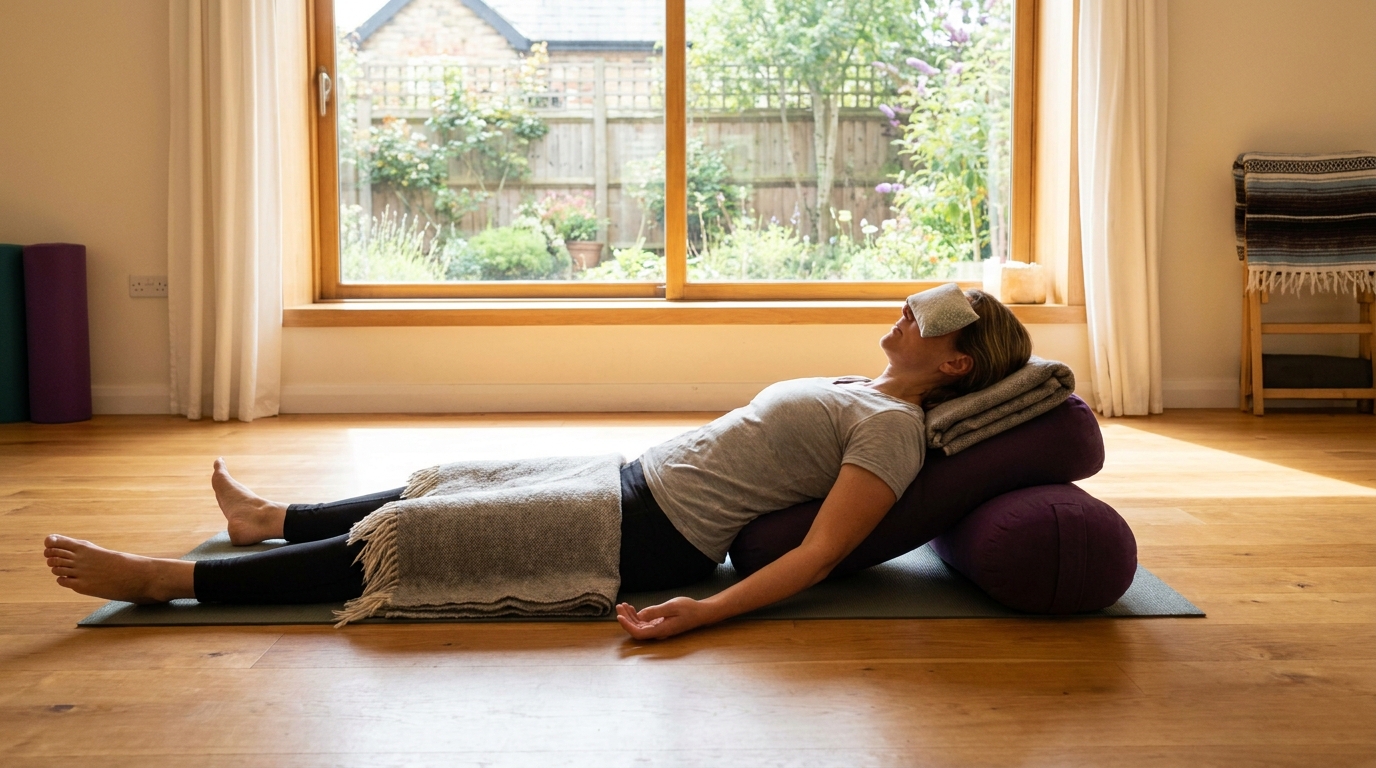
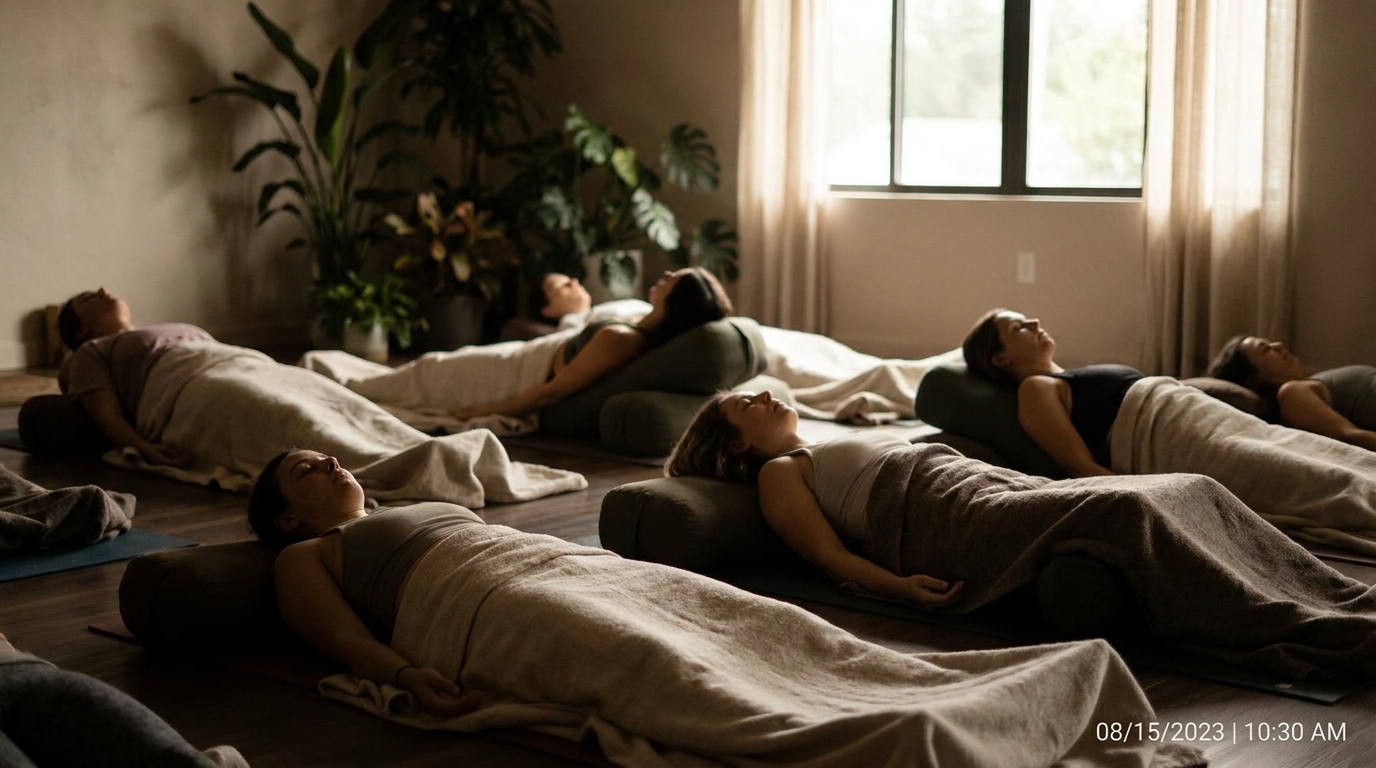
Restorative yoga is a gentle style of yoga that uses props—such as blankets, bolsters, pillows, blocks, and chairs—to fully support the body in restful postures. Instead of stretching deeply or building heat, the goal is to release tension, calm the nervous system, and create conditions for deep rest.
In Sanskrit, the ancient language of yoga, the word “asana” means posture or seat. The sage Patanjali, in the Yoga Sutras, describes asana as “sthira sukham asanam,” often translated as “a posture should be steady and comfortable.” Restorative yoga beautifully expresses this teaching. The body is steady because it is supported. The mind becomes more comfortable because it is no longer being pushed.
A Practice of Being, Not Doing
Many modern forms of yoga focus on movement, strength, or flexibility. These can be beautiful and beneficial. Restorative yoga, however, asks something different of us.
It asks us to pause.
It asks us to receive.
It asks us to stop measuring our worth by productivity.
In this way, restorative yoga is not lazy or passive. It is a conscious practice of relaxation. You are awake, aware, and present, but you are not forcing the body. You are learning how to soften without collapsing and how to rest without disconnecting.
How Restorative Yoga Differs from Yin Yoga
People often confuse restorative yoga with yin yoga. Both are slow and quiet, but they are not the same.
Yin yoga usually involves mild to moderate stress on connective tissues, such as fascia and ligaments, by holding poses for several minutes. Restorative yoga, by contrast, aims to remove strain. The body is fully supported so the muscles can let go.
In yin yoga, you may feel sensation or stretch. In restorative yoga, the ideal feeling is comfort, ease, and safety.
The Spirit of Ahimsa
One of yoga’s foundational principles is “ahimsa,” which means non-harming or compassion. Restorative yoga is ahimsa in practice.
Instead of asking, “How far can I go?” we ask, “How can I support myself with kindness?”
This question may seem simple, but for many people it is life-changing. It gently challenges habits of self-criticism, overwork, and inner pressure. It teaches that caring for the body is not selfish. It is sacred.
Why Restorative Yoga Matters Today
Restorative yoga is especially meaningful in our modern lives because many people live in a state of chronic stress. Busy schedules, digital stimulation, emotional responsibilities, financial worries, and social pressures can keep the nervous system on high alert.
Over time, the body may forget how to relax.
Restorative yoga helps us remember.
Calming the Nervous System
The nervous system has different modes. The sympathetic nervous system is connected with “fight, flight, or freeze.” It helps us respond to danger or stress. The parasympathetic nervous system is connected with “rest, digest, and repair.” It supports digestion, healing, sleep, and emotional balance.
Restorative yoga gently encourages the parasympathetic response. When the body is supported, the breath slows. When the breath slows, the heart receives a message of safety. When the heart feels safe, the mind begins to settle.
This is one of the great benefits of restorative yoga: it teaches the body that rest is possible.
A Yogic View of Inner Stillness
In the Yoga Sutras, Patanjali defines yoga as “yogas chitta vritti nirodhah,” meaning yoga is the calming or quieting of the fluctuations of the mind. These fluctuations include worries, memories, plans, fears, and restless thoughts.
Restorative yoga supports this inner quiet not by fighting the mind, but by creating a peaceful environment where the mind can naturally soften.
Like muddy water left undisturbed, the mind becomes clearer when we stop stirring it.
Rest as a Devotional Act
In bhakti yoga, the yoga of devotion, all of life can become an offering. Rest, too, can be offered.
When we lie down with awareness, breathe gently, and let go of the need to control everything, we practice humility. We remember that we are not the sole doers of life. We are held by something larger—whether we call that God, love, nature, life, or grace.
This humble resting can become a prayer without words.
The Physical Benefits of Restorative Yoga
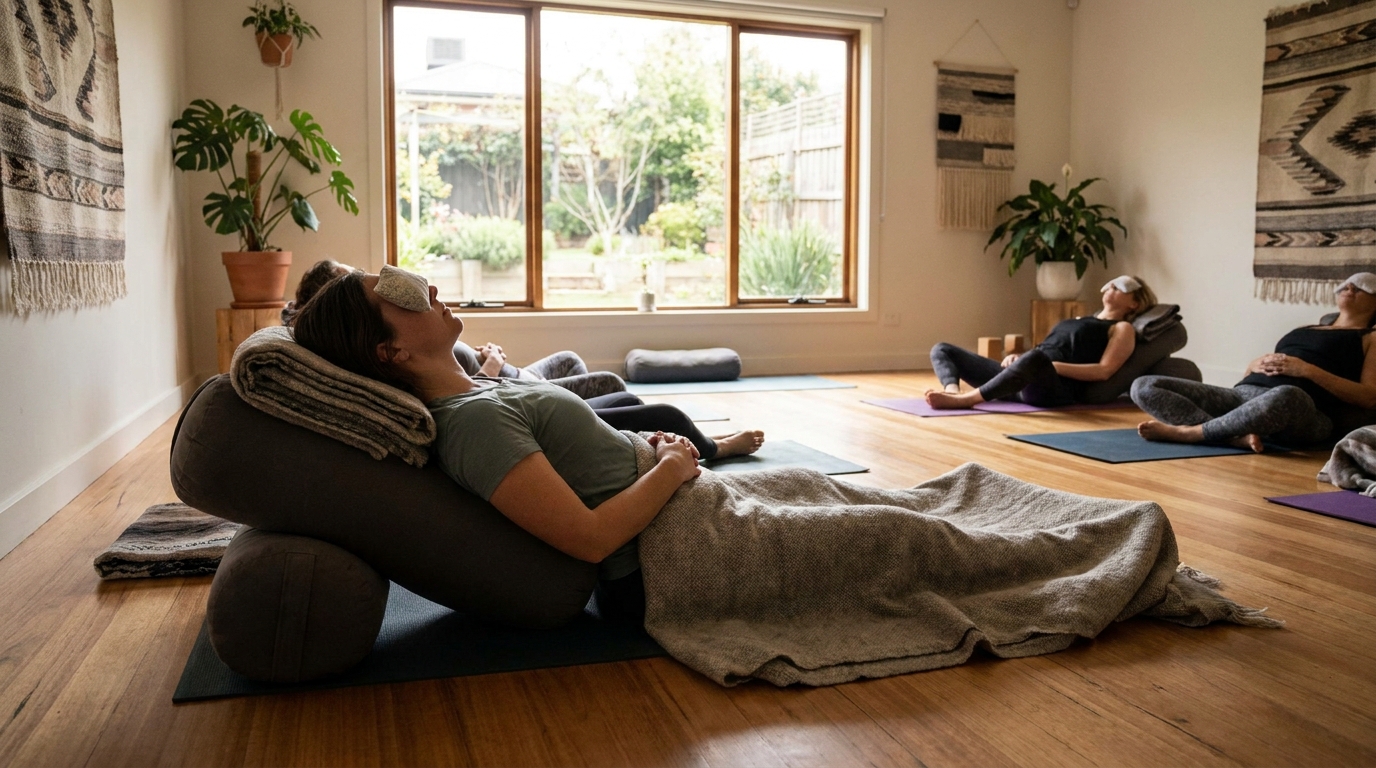
Although restorative yoga is subtle, its effects can be profound. The body benefits from rest just as much as it benefits from healthy movement. In fact, without rest, even strong practices can become depleting.
Restorative yoga gives the body space to repair, regulate, and renew.
Releases Muscular Tension
Many people carry unconscious tension in the jaw, shoulders, hips, belly, and lower back. Restorative yoga allows the body to feel supported enough to release these holding patterns.
For example, in a supported child’s pose, the belly rests against a bolster or pillows. The back body can widen. The hips can soften. The breath can move more freely.
The release is not forced. It comes through trust.
Supports Better Sleep
Restorative yoga may help improve sleep by calming the nervous system before bedtime. Gentle supported poses, slow breathing, and dim lighting can signal to the body that it is safe to rest.
A simple evening practice of supported forward fold, legs up the wall, and final relaxation can be deeply nourishing.
The Bhagavad Gita offers wise guidance on moderation. In Chapter 6, verses 16–17, Krishna teaches that yoga is not for one who eats too much or too little, sleeps too much or too little, but for one who is balanced in food, recreation, effort, sleep, and waking. Restorative yoga helps us return to this middle path.
Improves Breath Awareness
The breath is called “prana” in Sanskrit, meaning life force or vital energy. Restorative yoga gives us time to notice the breath without needing to change it aggressively.
As the body relaxes, the breath often becomes slower and deeper on its own. This can support oxygenation, reduce feelings of tension, and create a sense of inner spaciousness.
Breath awareness is one of the simplest and most powerful tools in yoga. It is always with us.
Helps with Fatigue and Burnout
Many people arrive at restorative yoga feeling exhausted. Some are physically tired. Others are emotionally or spiritually depleted.
Restorative yoga does not demand more energy from you. It helps you replenish what has been spent.
For those experiencing burnout, this practice can be a compassionate first step toward recovery. It reminds us that we are human beings, not machines.
Encourages Gentle Mobility
Although restorative yoga is not primarily a stretching practice, it can gently improve comfort in the body. Supported postures may help open the chest, soften the hips, lengthen the spine, and create more ease around the joints.
The key is gentleness. The body is not forced into shapes. It is invited.
Check out the latest yoga guides on yoga guides for helpful tips and advice.
The Mental and Emotional Benefits of Restorative Yoga
Restorative yoga can be especially healing for the mind and emotions. When the body slows down, buried feelings may rise to the surface. This is not a problem. It is part of the cleansing.
The practice gives us a safe container to feel, breathe, and let go.
Reduces Stress and Anxiety
One of the most common reasons people seek restorative yoga is stress relief. The stillness, support, and breath awareness can reduce the intensity of anxious thoughts.
Rather than telling the mind to “stop worrying,” restorative yoga offers the body an experience of safety. This body-based approach can be very helpful because anxiety is not only mental—it is also physical.
The shoulders drop. The belly softens. The breath deepens. The nervous system receives the message: “In this moment, I am safe.”
Builds Emotional Resilience
Restorative yoga does not remove life’s challenges. But it can help us meet them with more steadiness.
When we practice resting in discomfort—perhaps with a busy mind, heavy emotions, or inner resistance—we learn to stay present without reacting immediately. This builds emotional resilience.
In the Bhagavad Gita, Krishna teaches the value of equanimity, or balance of mind. Restorative yoga helps cultivate this quality in a very practical way. We learn to remain with ourselves kindly.
Creates Space for Grief and Healing
Grief often needs quiet. It does not always want advice or solutions. Sometimes it simply needs a soft place to land.
Restorative yoga can offer that place.
A supported heart-opening pose may allow tears to come. A folded blanket under the head may create a sense of being held. A long final relaxation may give the heart permission to stop pretending.
Healing is not linear, and restorative yoga respects that.
Softens Self-Judgment
In a slow practice, we may notice inner voices that say, “I should be doing more,” “I am wasting time,” or “I am not good at this.”
These voices are not enemies. They are patterns asking to be seen.
Restorative yoga helps us respond with compassion. Each time we return to the breath, each time we soften the jaw, each time we allow ourselves to rest, we plant seeds of self-kindness.
How to Practice Restorative Yoga at Home
You do not need a perfect yoga room or expensive equipment to begin restorative yoga at home. A quiet corner, a few pillows, and a willingness to slow down are enough.
The practice is simple, but the simplicity is powerful.
Create a Supportive Space
Choose a place where you feel safe and comfortable. Dim the lights if possible. Silence your phone or place it in another room. You may like to use a blanket for warmth, especially because the body cools down during stillness.
If devotional practice is meaningful to you, you might light a candle, place a flower nearby, or silently offer your practice for peace. If that is not your way, simply set an intention such as, “May I rest with kindness.”
Gather Simple Props
You can use:
- A yoga mat, rug, or blanket on the floor
- Pillows or cushions
- A firm blanket
- A towel
- A chair
- An eye pillow or soft cloth
- A bolster if you have one
Props are not decorations. They are acts of compassion. They help the body feel held.
Begin with the Breath
Before moving into poses, sit or lie down comfortably. Place one hand on the belly and one hand on the heart.
Notice your natural breath.
You do not need to breathe perfectly. Simply observe.
You might silently say on the inhale, “I receive,” and on the exhale, “I release.”
This simple rhythm can help the mind settle.
Restorative Yoga Poses for Deep Rest
Below are gentle restorative yoga poses that many people find helpful. Please listen to your body. If you have injuries, medical conditions, are pregnant, or are recovering from surgery, consider practicing with a qualified yoga teacher or healthcare professional.
Comfort is the guide. Pain is not part of the practice.
Supported Child’s Pose
Place a bolster or stack of pillows lengthwise on your mat. Kneel with your knees wide and bring the support between your thighs. Fold forward and rest your torso, chest, and head on the pillows. Turn your head to one side, and after a few minutes, turn to the other side.
This pose can calm the mind, soften the back, and create a feeling of being protected.
Stay for 3 to 8 minutes.
If kneeling is uncomfortable, skip this pose or place extra padding under the knees.
Supported Reclined Bound Angle Pose
Lie back over a bolster or pillows so your spine is supported at a gentle angle. Bring the soles of your feet together and let the knees open outward. Place blocks, pillows, or blankets under each knee so the hips are fully supported.
This pose gently opens the chest, belly, and inner thighs. It can feel vulnerable, so use plenty of support.
Stay for 5 to 10 minutes.
You may place one hand on the heart and one on the belly for comfort.
Legs Up the Wall
Sit sideways near a wall, then gently swing your legs up as you lower your back to the floor. Your hips can be close to the wall or several inches away. Place a folded blanket under your head or pelvis if helpful.
This pose may support circulation, reduce tiredness in the legs, and calm the nervous system.
Stay for 5 to 15 minutes.
If your hamstrings feel tight, move farther from the wall or bend your knees slightly.
Supported Forward Fold
Sit on a folded blanket with your legs extended or gently bent. Place a bolster, pillows, or a chair in front of you. Fold forward only as far as you can while resting your head and torso on support.
Forward folds can feel inward and soothing. They invite pratyahara, a Sanskrit word meaning withdrawal of the senses. This does not mean rejecting the world. It means turning attention inward for renewal.
Stay for 3 to 8 minutes.
Supported Savasana
Savasana, often translated as corpse pose, is the final resting posture. Lie on your back with a blanket under your head, a bolster or pillow under your knees, and a blanket over your body.
Let your arms rest by your sides, palms facing up or down—whatever feels natural.
This is a sacred pause. Nothing to fix. Nothing to prove.
Stay for 10 to 20 minutes.
If lying on your back is uncomfortable, rest on your side with a pillow between the knees.
How to Make Restorative Yoga a Consistent Practice
A little restorative yoga practiced regularly is more beneficial than a long session done once in a while with pressure or guilt. Let the practice be friendly and realistic.
Yoga is not another task to conquer. It is a relationship to nurture.
Start Small
Begin with one pose for five minutes.
That is enough.
You might practice legs up the wall after work or supported savasana before bed. If five minutes is all you have, offer those five minutes wholeheartedly.
In the Yoga Sutras, Patanjali speaks of “abhyasa,” meaning steady practice. He also teaches “vairagya,” often translated as non-attachment. Together, these remind us to practice consistently, but without harshness.
Show up gently. Let go of perfection.
Practice at the Same Time Each Day
A regular rhythm helps the body remember. You might practice:
- In the morning before checking your phone
- During a lunch break
- After work to transition into evening
- Before sleep
- After caregiving or emotionally demanding tasks
Even a short daily ritual can become a sanctuary.
Use Restorative Yoga During Life Transitions
Restorative yoga can be especially supportive during transitions—moving homes, changing jobs, grieving, healing from illness, parenting, studying, or entering a new season of life.
During change, the nervous system may feel unsettled. Restorative yoga offers grounding. It reminds you: “One breath at a time.”
Let the Practice Be Personal
Some days you may need silence. Other days you may enjoy soft music, mantra, or guided relaxation.
A mantra is a sacred sound, word, or phrase used to focus the mind. If you feel drawn to devotional practice, you might silently repeat “Om Shanti,” meaning “peace,” or a name of the Divine that is meaningful to you.
If Sanskrit is not part of your path, you might repeat, “I am held,” “I am safe,” or “May I be at peace.”
The heart understands sincerity in every language.
How Else Can Restorative Yoga Support Your Life?
Restorative yoga does not need to stay on the mat. Its teachings can enter the way we work, speak, rest, and relate to others.
This is where yoga becomes practical spirituality.
Restorative Yoga and Mindful Living
After practicing restorative yoga, you may begin to notice where you rush unnecessarily. You may pause before responding to a difficult message. You may take a breath before eating. You may soften your shoulders while driving.
These small moments matter.
Yoga is not only the shape of the body. It is the quality of attention we bring to life.
Restorative Yoga and Compassionate Boundaries
Deep rest can reveal how tired we really are. It may help us see where we have been saying yes when the body and heart are quietly saying no.
Restorative yoga teaches that support is not weakness. In daily life, this may look like asking for help, taking breaks, simplifying commitments, or protecting sleep.
Boundaries, when rooted in love, are a form of ahimsa.
Restorative Yoga and Devotion
For those who walk a devotional path, restorative yoga can become an offering to the Divine.
Each pose can be a gesture of surrender. Each exhale can be a letting go into grace. Each moment of stillness can become a temple.
Bhakti does not require outer display. Sometimes devotion is simply resting the weary body and whispering inwardly, “Thank you.”
Restorative Yoga and Service
When we are rested, we are often kinder. We listen better. We react less. We serve with more patience.
In this way, restorative yoga is not separate from caring for others. It helps us serve from fullness rather than depletion.
As many wisdom traditions teach, we cannot pour endlessly from an empty cup. Rest fills the cup so love can flow more freely.
Common Questions About Restorative Yoga
It is natural to have questions when beginning a slower practice, especially if you are used to more active forms of exercise or yoga.
Let your questions be welcome. Curiosity is part of learning.
Is Restorative Yoga Good for Beginners?
Yes. Restorative yoga is often excellent for beginners because it does not require flexibility, strength, or previous yoga experience.
The main skill is learning to listen inwardly. This can take time, but everyone can begin.
A beginner may actually receive the practice very deeply because there is less concern with achieving advanced poses.
Can Restorative Yoga Help with Anxiety?
Restorative yoga may help many people manage anxiety by calming the body and breath. However, it is not a replacement for medical care, therapy, or prescribed treatment.
For some people, stillness can initially feel uncomfortable. If that happens, keep your eyes open, practice shorter holds, use more grounding props, or try a gentle guided practice.
There is no shame in needing support. Yoga meets you where you are.
How Often Should I Practice Restorative Yoga?
You can practice restorative yoga daily, a few times a week, or whenever your body asks for rest.
A helpful rhythm might be:
- 5 to 10 minutes daily
- 20 to 30 minutes several times a week
- 60 minutes once a week for deeper renewal
The best schedule is the one you can maintain with kindness.
Do I Need a Yoga Teacher?
You can begin at home with simple poses, but a skilled restorative yoga teacher can be very helpful. They can show you how to use props, adjust poses for your body, and create a safe environment.
If you have chronic pain, trauma history, pregnancy, or specific health conditions, guidance is especially valuable.
What If I Fall Asleep?
Falling asleep during restorative yoga is common, especially if you are sleep-deprived. It is not a failure.
Over time, you may learn to rest in a state between sleep and wakefulness, where the body is deeply relaxed but awareness remains present.
If you always fall asleep, it may simply mean your body needs more sleep. Honor that message.
A Simple 20-Minute Restorative Yoga Sequence
Here is a gentle sequence you can try at home. Move slowly and adjust as needed.
1. Supported Child’s Pose – 5 Minutes
Rest your torso on pillows or a bolster. Let the breath move into the back body. Feel the support beneath you.
Silent reflection: “I do not have to carry everything alone.”
2. Supported Reclined Bound Angle – 5 Minutes
Lie back with knees supported. Soften the chest and belly.
Silent reflection: “May I receive what nourishes me.”
3. Legs Up the Wall – 5 Minutes
Let the legs rest upward. Relax the feet, jaw, and eyes.
Silent reflection: “I release effort.”
4. Supported Savasana – 5 Minutes
Lie down fully supported. Cover yourself with a blanket. Let the breath be natural.
Silent reflection: “I am held in this moment.”
When you finish, do not rush. Roll to one side. Pause. Use your hands to come up slowly. Notice how you feel.
Offer gratitude—to your body, your breath, your life, and the quiet grace that allowed you to pause.
Returning to Rest as a Sacred Practice
Restorative yoga teaches us that rest is not an escape from life. It is a return to life.
Through supported postures, gentle breathing, and mindful stillness, we begin to experience the many benefits of restorative yoga: reduced stress, better sleep, softer muscles, emotional balance, and a deeper connection to ourselves.
But perhaps the greatest benefit is more subtle.
Restorative yoga reminds us that we are worthy of care even when we are not producing, achieving, or pleasing anyone. We are worthy of tenderness simply because we are alive.
In the humility of rest, we remember the heart of yoga. We remember that the body is not a problem to fix, but a sacred companion. We remember that the breath is a gift. We remember that peace is not always found by reaching outward, but sometimes by lying down, being supported, and listening within.
May your practice be gentle.
May your rest be deep.
May your heart feel held.
FAQs
What is restorative yoga?
Restorative yoga is a form of yoga that focuses on relaxation and stress relief. It involves holding gentle poses for an extended period of time, typically using props such as blankets, bolsters, and blocks to support the body.
What are the benefits of restorative yoga?
Restorative yoga can help reduce stress, improve flexibility, promote relaxation, and enhance overall well-being. It can also aid in relieving tension and fatigue, as well as calming the nervous system.
Who can benefit from restorative yoga?
Restorative yoga is suitable for people of all ages and fitness levels. It can be particularly beneficial for individuals who are recovering from injury, experiencing high levels of stress, or seeking a gentle form of exercise.
How often should one practice restorative yoga?
It is recommended to practice restorative yoga regularly, ideally a few times per week. Consistent practice can help maximize the benefits of relaxation, stress reduction, and overall well-being.
Is restorative yoga suitable for beginners?
Yes, restorative yoga is suitable for beginners as it involves gentle, supported poses that are accessible to individuals of all levels of experience. It can be a great introduction to the practice of yoga for those who are new to the discipline.