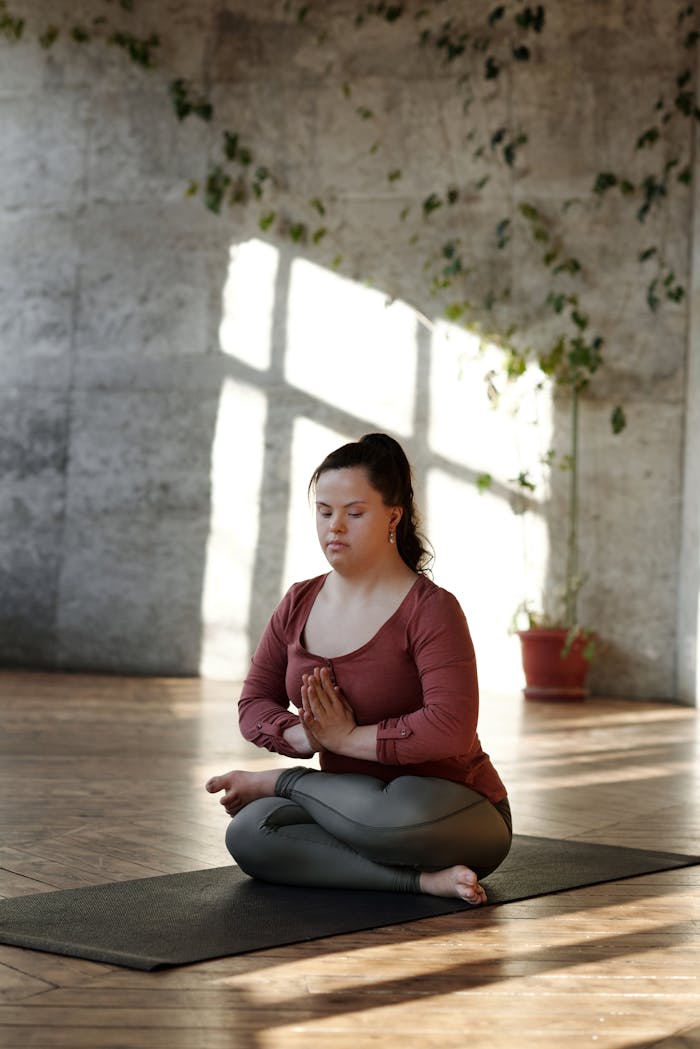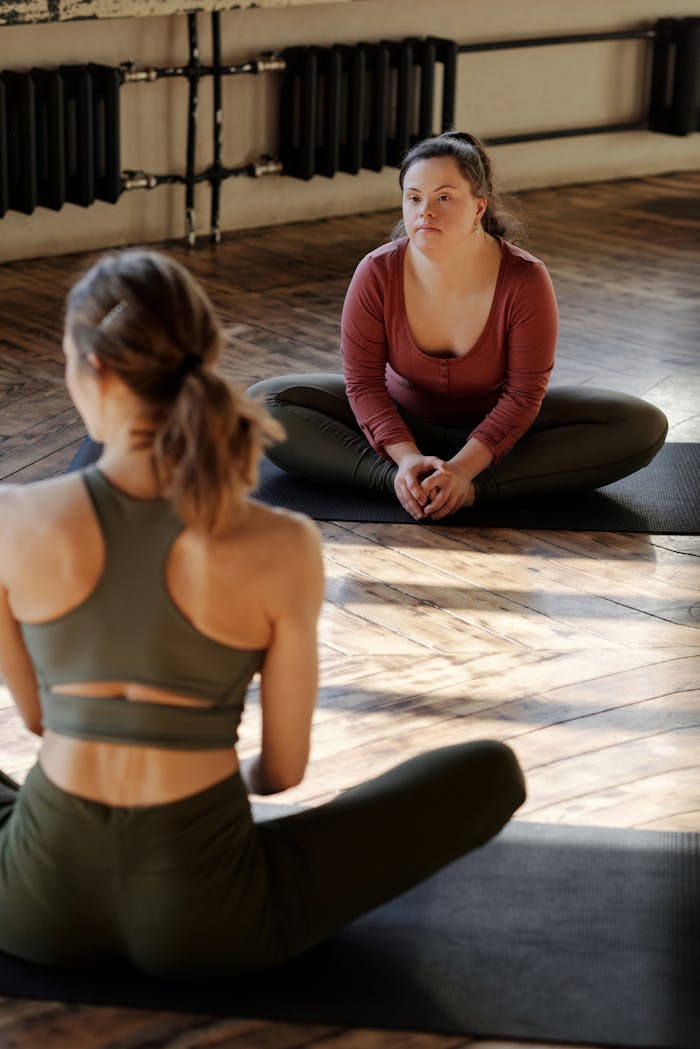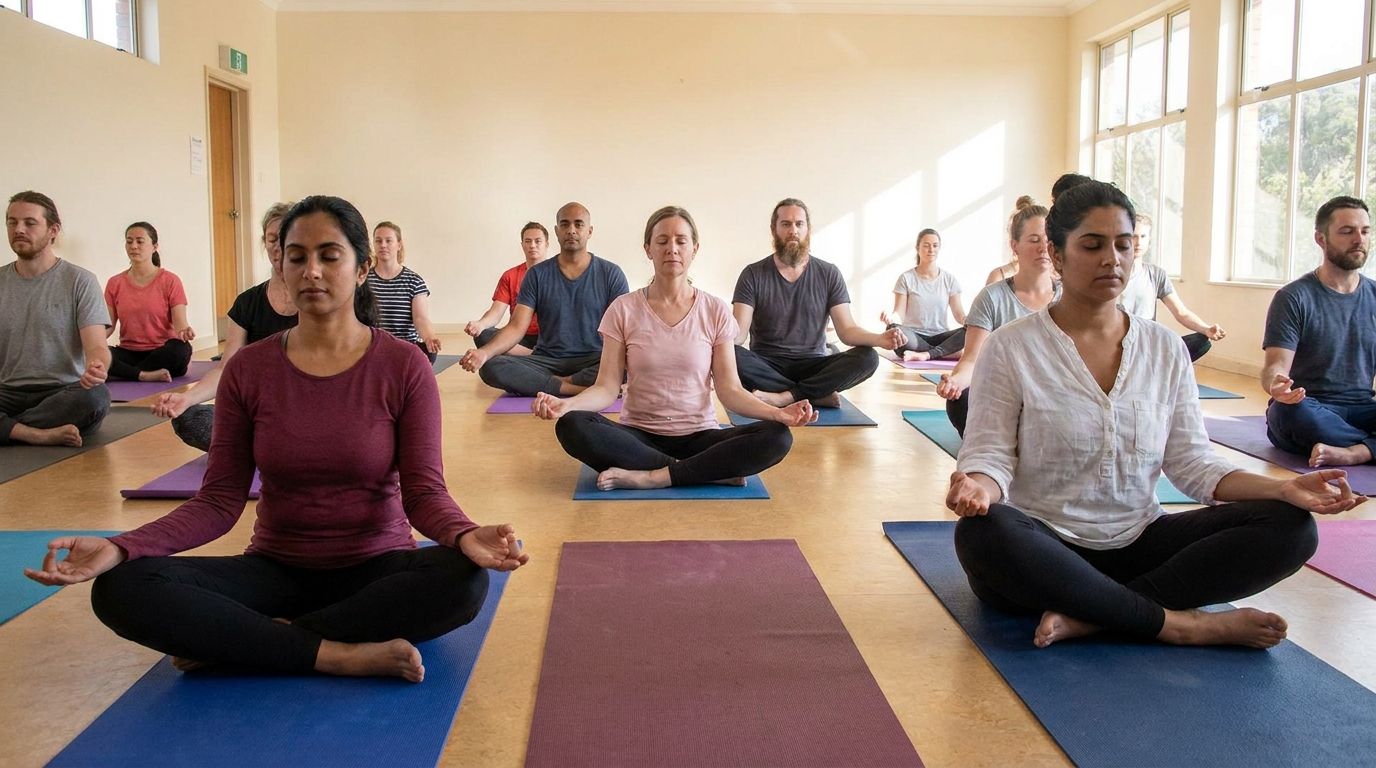
In every human heart, there is a quiet longing for wholeness. Some call it peace. Some call it purpose. Some call it God, truth, love, or the Self. The yogic tradition teaches that this longing is sacred. It is not a weakness, but a doorway.
Kundalini Yoga is one practical path for walking through that doorway. It combines breath, posture, mantra, meditation, devotion, and awareness to help us awaken inner strength, clarity, and spiritual connection.
The word Kundalini comes from Sanskrit and is often described as “coiled energy.” Traditionally, it refers to the dormant spiritual power resting at the base of the spine. When awakened gradually and wisely, this energy supports deep transformation—not only mystical experiences, but also steadier living, kinder relationships, clearer focus, and a more loving heart.
This article welcomes readers of all backgrounds. You do not need to be Hindu, Sikh, spiritual, religious, flexible, or experienced to receive something valuable from Kundalini Yoga. You only need sincerity, patience, and respect for the practice.
Kundalini Yoga is a spiritual and practical system that uses the body, breath, mind, and heart as tools for awakening consciousness.
In simple terms, it helps us move from living automatically to living with awareness.
Understanding Kundalini in Simple Words
In Sanskrit, kundala means “coil.” Kundalini is poetically described as a coiled serpent resting at the base of the spine, in the region of the muladhara chakra, or root energy center.
This image is symbolic. It points to the hidden potential within each person. Just as a seed contains a tree, the human being contains immense wisdom, courage, compassion, and spiritual power.
Kundalini awakening does not mean becoming superior or special. In the spirit of bhakti, or loving devotion, true awakening makes us more humble, more grateful, and more available to serve.
What Makes Kundalini Yoga Different?
Many forms of yoga emphasize physical postures, flexibility, or relaxation. Kundalini Yoga may include these, but its main focus is the awakening and refinement of energy and consciousness.
A Kundalini Yoga practice often includes:
- Asana — physical postures
- Pranayama — breath regulation
- Mantra — sacred sound or repeated phrases
- Mudra — hand gestures that direct awareness
- Bandha — gentle energetic locks, practiced carefully
- Dhyana — meditation
- Bhakti — devotion, love, and surrender
Together, these practices help cleanse the nervous system, focus the mind, and open the heart.
A Path of Awareness, Not Force
Authentic Kundalini Yoga is not about chasing dramatic experiences. It is not about forcing energy upward or trying to become powerful in an egoic way.
The Yoga Sutras of Patanjali describe yoga as yogas chitta vritti nirodhah—yoga is the stilling of the fluctuations of the mind. Kundalini Yoga supports this same aim. It helps us quiet mental noise so we can experience the deeper presence beneath it.
Inner power, in this sense, is not domination. It is self-mastery, compassion, steadiness, and union with the Divine.
Why Practice Kundalini Yoga?
People come to Kundalini Yoga for many reasons. Some seek stress relief. Some seek healing. Some want spiritual growth. Some are simply curious.
All are welcome.
Awakening Inner Strength
One of the great benefits of Kundalini Yoga is the discovery of inner strength. This strength is not loud or aggressive. It is the quiet ability to stay centered in difficulty.
Through breathwork, meditation, and mantra, practitioners often develop greater resilience. Life still brings challenges, but the heart becomes less easily shaken.
The Bhagavad Gita teaches the value of steadiness in both joy and sorrow. This is called samatvam, or equanimity. Kundalini Yoga helps cultivate this balanced state by training the mind and nervous system to return to presence.
Reducing Stress and Calming the Nervous System
Modern life often keeps the body in a state of tension. Many people live with shallow breathing, busy thoughts, tight muscles, and emotional overwhelm.
Kundalini Yoga offers practical tools to regulate the nervous system. Slow breathing, rhythmic movement, and meditation can activate the body’s relaxation response.
Practices such as long deep breathing, alternate nostril breathing, and mantra repetition help bring the mind back from scattered thinking into calm awareness.
This does not mean stress disappears forever. Rather, we become more skillful in meeting stress.
Building Mental Clarity and Focus
A distracted mind can drain our energy. Kundalini Yoga strengthens attention through repeated focus on breath, sound, and inner sensation.
Mantra is especially helpful. A mantra is a sacred sound, word, or phrase used to guide the mind. In Sanskrit, man means “mind,” and tra means “tool” or “instrument.” So mantra is a tool for the mind.
When we repeat a mantra with sincerity, we give the mind something pure and steady to rest upon. Over time, this can reduce mental clutter and increase clarity.
Opening the Heart
The true fruit of yoga is love. Not sentimental love only, but a love that becomes patience, forgiveness, humility, and service.
Kundalini Yoga can awaken emotional awareness. Sometimes old grief, fear, or anger may come to the surface. With gentle practice, these emotions can be witnessed, breathed through, and offered into a larger compassion.
In bhakti yoga, the path of devotion, the heart is not seen as a problem. It is seen as a temple. Kundalini Yoga, when practiced with devotion, helps clean that temple so love may shine more freely.
The Spiritual Benefits of Kundalini Yoga
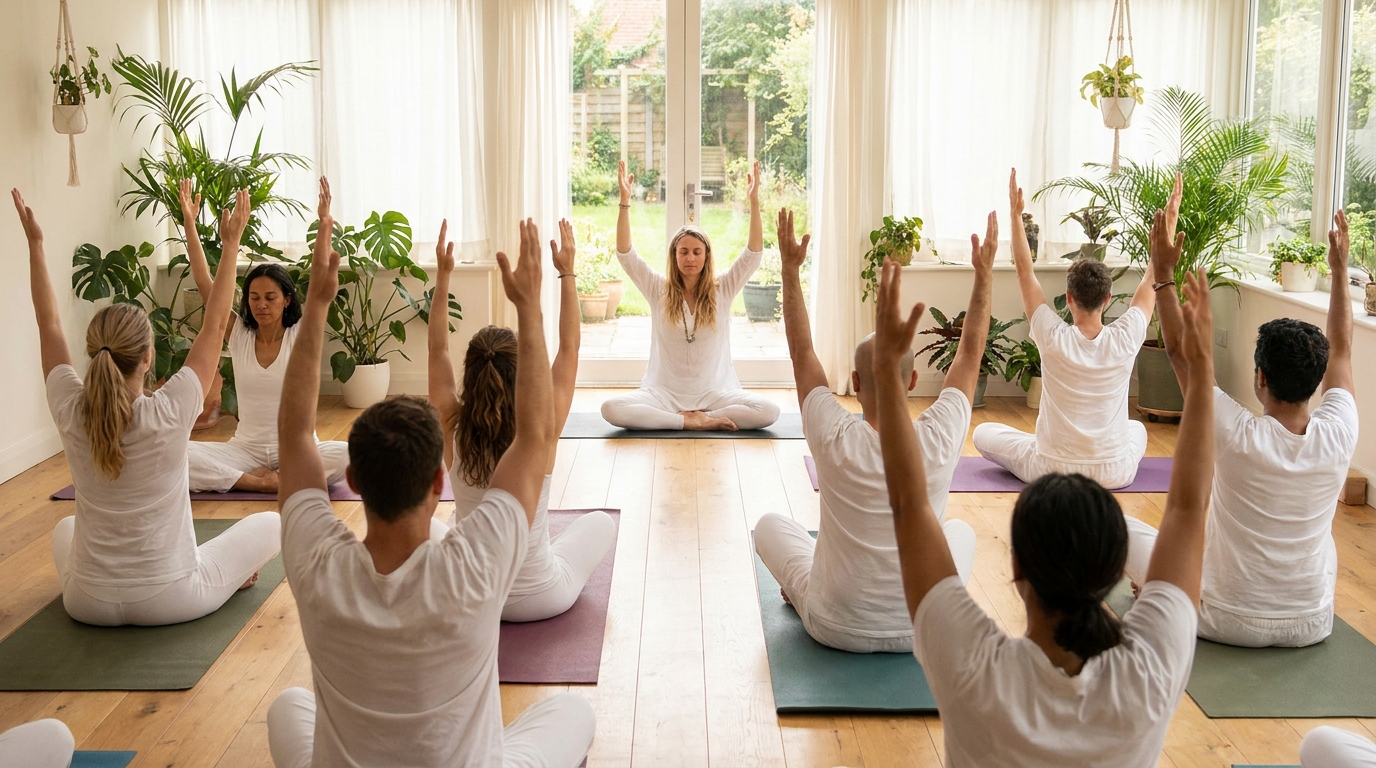
Kundalini Yoga is deeply practical, but it is also sacred. It invites us to remember that we are more than the body and more than our thoughts.
A Deeper Sense of Self
Many spiritual texts speak of the difference between the changing self and the eternal Self.
The changing self has names, roles, opinions, fears, and desires. The deeper Self, called Atman in the Upanishads, is pure awareness—the witnessing presence within.
Kundalini Yoga helps us turn inward and notice this witnessing presence. We begin to see that thoughts come and go, emotions rise and fall, but awareness remains.
This recognition can bring great peace.
Connection to the Divine
For devotional practitioners, Kundalini awakening is not merely an energetic event. It is a movement toward union with the Divine.
Some may call the Divine Krishna, Shiva, Devi, Allah, God, Spirit, or simply Love. Kundalini Yoga need not limit your language of faith. Its essence is reverence.
The Bhagavad Gita reminds us that whoever approaches the Divine with sincerity is received. In this humble spirit, Kundalini Yoga can become prayer in motion.
Breath becomes prayer. Posture becomes offering. Mantra becomes remembrance.
Balancing the Chakras
Kundalini Yoga often works with the chakras. The word chakra means “wheel” or “energy center.” These centers are traditionally located along the spine and correspond to different aspects of life.
The seven main chakras are often described as:
- Muladhara — root, stability and safety
- Svadhisthana — sacral, creativity and emotion
- Manipura — navel, confidence and willpower
- Anahata — heart, love and compassion
- Vishuddha — throat, truth and expression
- Ajna — brow, intuition and insight
- Sahasrara — crown, spiritual connection
Whether understood literally, symbolically, or psychologically, the chakra system gives us a helpful map for inner growth.
Kundalini Yoga seeks to purify and balance these centers so energy can flow with greater harmony.
Expanding Consciousness
In the Hatha Yoga Pradipika, an important classical yoga text, practices such as breath regulation and energetic locks are described as ways to awaken spiritual energy and still the mind.
Yet the deeper purpose is always liberation, called moksha—freedom from ignorance and suffering.
Kundalini Yoga supports expanded consciousness by helping us see beyond habitual identity. We begin to ask deeper questions:
Who am I beneath my fears?
What is truly worth serving?
How can my life become an offering?
These questions are signs of awakening.
Sure, here is the sentence with the clickable link:
Check out the latest yoga guides at yoga guides.
Physical and Emotional Benefits of Kundalini Yoga
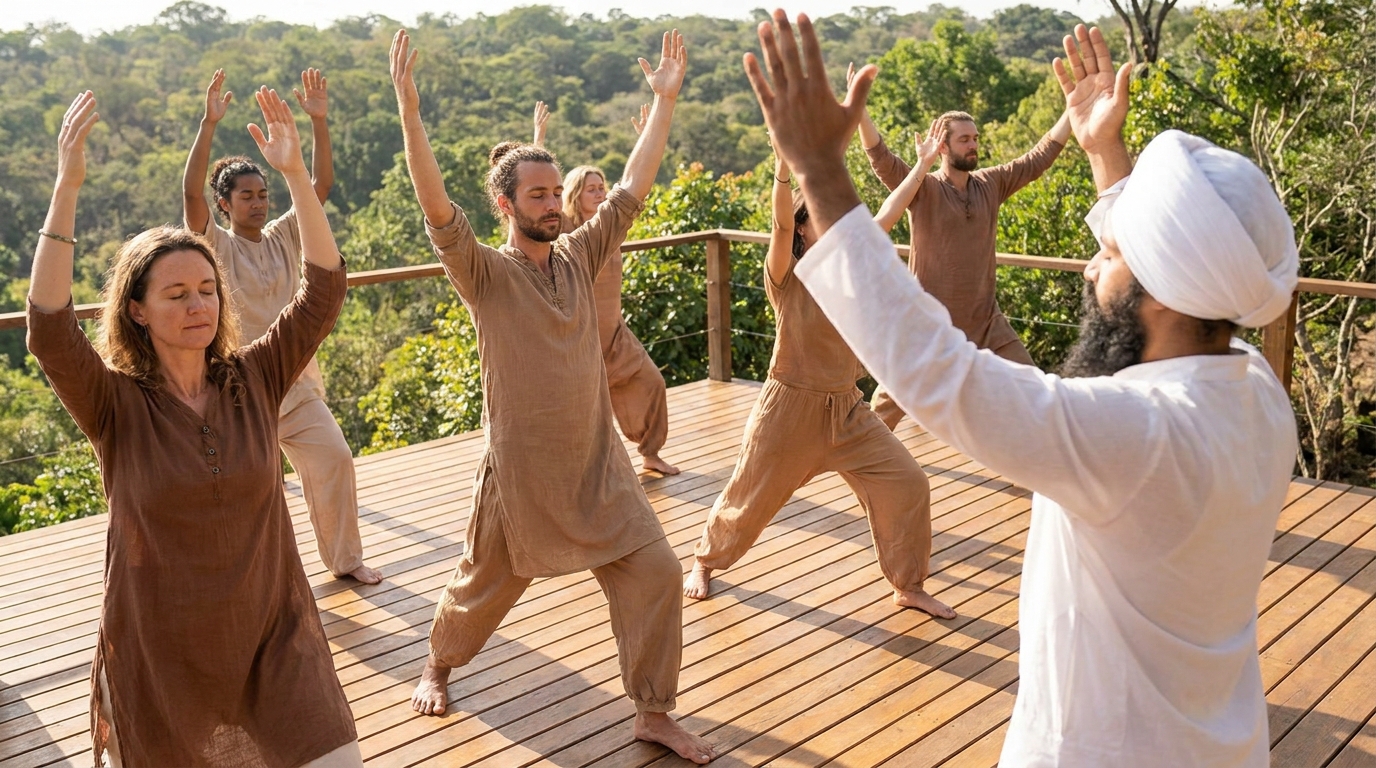
Although Kundalini Yoga is spiritual, its benefits are often felt in the body and emotions.
Increased Vitality and Energy
Many Kundalini practices use dynamic movement and breath to stimulate circulation and awaken the body.
Instead of relying only on caffeine, stimulation, or external motivation, practitioners learn to access energy from within. This may feel like greater aliveness, improved posture, and a brighter mood.
However, balance is important. Kundalini Yoga should leave you feeling grounded, not overstimulated. If a practice feels too intense, it is wise to slow down, rest, or seek guidance.
Better Breath Awareness
Breath is central to Kundalini Yoga. In Sanskrit, life-force energy is called prana. Breath is one of the main ways we influence prana.
When the breath is shallow, the mind often feels anxious. When the breath becomes slow and steady, the mind often follows.
Simple breath awareness can change an entire day. Before speaking in anger, take three conscious breaths. Before eating, breathe and offer gratitude. Before sleep, soften the exhale.
In this way, Kundalini Yoga becomes part of daily life.
Emotional Release and Healing
Many emotions live not only in the mind but also in the body. Tension in the shoulders, tightness in the belly, or pressure in the chest may be connected with unprocessed feelings.
Kundalini Yoga can gently reveal these patterns. Through movement, breathing, sound, and meditation, emotions may soften and release.
This process should be approached with kindness. If strong trauma, panic, or overwhelming memories arise, it is important to work with a qualified teacher, therapist, or healthcare professional. Spiritual practice is powerful, but it should never replace appropriate support.
Improved Self-Discipline
Kundalini Yoga teaches consistency. Even a short daily practice can build discipline.
In Sanskrit, disciplined spiritual effort is called sadhana. A sadhana does not need to be long or complicated. It is simply a committed practice done with sincerity.
When we return to the mat each day, we strengthen trust in ourselves. We learn that transformation is not built only through big moments, but through small offerings repeated with love.
How to Practice Kundalini Yoga Safely
Kundalini Yoga is powerful, and like all powerful paths, it asks for respect.
The goal is not to rush awakening. The goal is to become steady, open, and prepared.
Begin with Humility
A humble beginning protects the practitioner.
Rather than thinking, “I will awaken Kundalini quickly,” it is wiser to pray, “May this practice purify my heart. May it help me serve. May I be guided safely.”
This attitude changes everything. It shifts the practice from ambition to devotion.
Learn from a Qualified Teacher
While some simple Kundalini practices can be done at home, deeper techniques should be learned from an experienced teacher.
This is especially true for advanced breathwork, long breath retentions, strong bandhas or energetic locks, and intense meditations.
A good teacher will encourage grounding, patience, and ethical living. They will not pressure you, frighten you, or promise instant enlightenment.
Create a Simple Daily Practice
A beginner-friendly Kundalini Yoga practice may include:
- Sit quietly and notice your breath.
- Offer a simple intention or prayer.
- Practice gentle spinal warm-ups.
- Do 3–5 minutes of long deep breathing.
- Repeat a calming mantra.
- Sit in meditation for a few minutes.
- Rest and close with gratitude.
Even 10 to 20 minutes can be meaningful when practiced regularly.
Listen to the Body
Your body is not an obstacle to spirituality. It is a sacred companion.
If you feel dizzy, anxious, overheated, or disconnected, pause. Return to natural breathing. Feel your feet. Look around the room. Drink water. Rest.
Grounding practices are essential. Walking in nature, eating nourishing food, journaling, serving others, and maintaining healthy routines all support safe spiritual growth.
Practice Ethical Foundations
Kundalini energy becomes safer and more beneficial when supported by ethical living.
Patanjali’s Yoga Sutras begin the path with yamas and niyamas—ethical principles and personal observances. These include non-harming, truthfulness, moderation, contentment, self-discipline, self-study, and surrender to the Divine.
Without ethics, spiritual energy can strengthen ego. With ethics, energy becomes compassion.
A Gentle Kundalini Yoga Practice for Beginners
Below is a simple practice for beginners. Please move slowly and respectfully. If you are pregnant, have medical concerns, a history of seizures, severe anxiety, or trauma symptoms, consult a qualified professional before beginning breathwork or energetic practices.
Step 1: Arrive with Intention
Sit comfortably on a cushion or chair. Let your spine be tall but not rigid.
Place your hands on your heart. Close your eyes or soften your gaze.
Take a few natural breaths.
Silently say:
“May this practice bring clarity, humility, and love. May any benefit I receive serve the well-being of all.”
This simple intention brings the heart into the practice.
Step 2: Gentle Spinal Movement
Place your hands on your knees.
As you inhale, gently lift the chest and arch the spine slightly forward. As you exhale, round the spine gently backward.
Continue for 1–3 minutes.
This movement is sometimes called spinal flex. It helps awaken awareness along the spine and releases stiffness.
Move gently. There is no need to strain.
Step 3: Long Deep Breathing
Sit still.
Inhale slowly through the nose, allowing the belly, ribs, and chest to expand. Exhale slowly through the nose, letting the body soften.
Practice for 3–5 minutes.
If thoughts come, do not fight them. Return to the breath with kindness.
This simple pranayama supports calm energy and mental steadiness.
Step 4: Mantra Meditation
Choose a simple mantra.
You may use the Sanskrit mantra So Hum, which means “I am That.” It points to the unity of individual consciousness with universal consciousness.
As you inhale, mentally hear “So.”
As you exhale, mentally hear “Hum.”
Continue for 5 minutes.
Let the mantra be gentle, like a stream flowing through the mind.
Step 5: Rest and Offer Gratitude
Lie down or sit quietly for a few minutes.
Notice how you feel. Do not judge the experience. Some days may feel peaceful; others may feel ordinary. Both are part of the path.
Close by offering gratitude:
“Thank you for this breath. Thank you for this body. Thank you for the chance to grow in love.”
This completes the practice.
How Else Can Kundalini Yoga Support Daily Life?
Kundalini Yoga is not only something we do on a mat. It becomes most beautiful when it enters ordinary moments.
In Relationships
A sincere practice helps us pause before reacting. We become more aware of our words, tone, and emotional patterns.
The throat chakra, vishuddha, is connected with truthful expression. Kundalini Yoga may help us speak more honestly and kindly.
The heart chakra, anahata, reminds us that love is not only a feeling. It is a practice of listening, forgiving, and seeing the sacredness in others.
At Work
Kundalini Yoga can support focus, creativity, and emotional balance at work.
Before a meeting, take one minute of deep breathing. Before answering a difficult email, pause and relax your jaw. During a stressful day, repeat a mantra silently.
These small practices help inner power become practical power.
During Times of Change
Life brings transitions: loss, new beginnings, illness, aging, uncertainty. Kundalini Yoga can help us stay rooted during these times.
The root chakra, muladhara, teaches stability. Grounding practices such as slow breathing, gentle movement, prayer, and steady routines can support the nervous system.
The spiritual path does not remove change. It helps us meet change with faith.
In Service to Others
The highest expression of awakened energy is service.
In bhakti, love for the Divine naturally becomes compassion for living beings. If Kundalini Yoga gives us more energy, clarity, or peace, we can offer those gifts back to the world.
We can serve through kindness, honest work, caregiving, teaching, protecting the earth, feeding others, or simply being present.
Inner awakening is incomplete if it does not soften the heart.
Common Misunderstandings About Kundalini Yoga
Because Kundalini Yoga is powerful and sometimes mysterious, many misunderstandings surround it.
Myth: Kundalini Yoga Is Only for Advanced Yogis
Kundalini Yoga includes advanced practices, but beginners can safely practice gentle breathwork, meditation, mantra, and movement.
The key is to start slowly and avoid forcing.
A humble beginner with sincerity may progress more safely than an ambitious practitioner chasing experiences.
Myth: Kundalini Awakening Must Be Dramatic
Some people describe intense energetic events, visions, or altered states. But for many practitioners, awakening is gradual.
It may appear as increased compassion, clearer intuition, healthier choices, emotional healing, or deeper devotion.
Do not measure your progress by dramatic experiences. Measure it by your peace, kindness, honesty, and capacity to love.
Myth: Kundalini Yoga Belongs to Only One Religion
Kundalini Yoga comes from the broad spiritual heritage of India and is connected with yogic, tantric, and devotional traditions. Some modern forms also carry Sikh influences through mantra and lifestyle.
Still, people from many faiths and backgrounds practice Kundalini Yoga respectfully.
The heart of the practice is awareness, discipline, devotion, and transformation. You can honor its roots while practicing in a way that aligns with your conscience.
Myth: More Intensity Means More Progress
In yoga, intensity is not always wisdom.
The Bhagavad Gita encourages moderation in food, sleep, work, and recreation for the one seeking yoga. Balance is spiritual intelligence.
A sustainable practice is better than an extreme one. Gentle consistency opens doors that force cannot.
Kundalini Yoga and the Path of Bhakti
At its deepest, Kundalini Yoga and bhakti yoga meet in the heart.
Kundalini Yoga awakens energy. Bhakti gives that energy direction through love.
Devotion Protects the Practitioner
Spiritual energy without humility can feed pride. Devotion helps purify intention.
When we offer our practice to the Divine, we remember that awakening is grace, not personal achievement.
We may practice sincerely, but the fruits of practice are not fully in our control. This understanding brings peace.
Mantra as Loving Remembrance
In bhakti traditions, mantra is more than sound. It is remembrance of the Beloved.
Repeating a sacred name or phrase can calm the mind and open the heart. Whether one chants “Om,” “So Hum,” “Wahe Guru,” “Hare Krishna,” “Om Namah Shivaya,” or another sacred phrase, the essence is loving attention.
The sound becomes a bridge from restlessness to presence.
The Body as a Temple
Kundalini Yoga teaches us to honor the body as a sacred vessel.
This does not mean worshiping appearance. It means caring for the body with gratitude. Stretching, breathing, resting, eating well, and moving consciously become acts of devotion.
The body is where we practice patience. The breath is where we practice surrender. The heart is where we meet the Divine.
Signs of Healthy Progress in Kundalini Yoga
It is helpful to know what balanced growth may look like.
Greater Peace in Daily Life
A healthy practice usually brings more steadiness over time. You may still feel emotions, but you recover more quickly.
You may notice more space between impulse and action.
More Compassion
True yoga makes us less self-centered.
If your practice is deepening, you may feel more concern for others, more patience with loved ones, and more willingness to forgive.
Clearer Intuition
Kundalini Yoga may strengthen intuition, but intuition should remain grounded.
Healthy intuition feels calm and clear, not frantic or fear-based. It should be balanced with reason, ethics, and humility.
Simpler Living
As awareness grows, some desires naturally lose their grip. You may feel drawn to healthier food, more honest speech, cleaner habits, and meaningful service.
This simplicity is not punishment. It is freedom.
A Balanced View of Kundalini Awakening
Kundalini awakening is sometimes described as the rising of energy through the chakras toward the crown of the head. In traditional language, this movement leads toward expanded awareness and union.
But it is important to speak carefully.
Not every sensation is Kundalini. Not every emotional release is awakening. Not every spiritual experience is stable realization.
The yogic path asks for discernment, called viveka in Sanskrit. Viveka means clear seeing—the ability to tell what is helpful from what is harmful, what is lasting from what is temporary.
A balanced Kundalini path includes:
- Grounding
- Ethical living
- Devotion
- Patient practice
- Qualified guidance
- Emotional maturity
- Service
- Respect for the body
When these are present, Kundalini Yoga can become a beautiful path of inner power and spiritual awakening.
Bringing the Practice Home
Kundalini Yoga invites us to discover the sacred energy already within us. It teaches that inner power is not something we must steal from the world. It is something we uncover through breath, awareness, devotion, and disciplined love.
Its benefits may include reduced stress, greater vitality, mental clarity, emotional healing, spiritual connection, and a deeper sense of purpose. Yet the greatest benefit is more simple and more profound: we become more fully human.
We become more present.
More humble.
More compassionate.
More awake to the Divine in all beings.
If you feel called to begin, start gently. Sit. Breathe. Listen. Offer your practice with love.
Let Kundalini Yoga be not a race toward mystical experience, but a steady pilgrimage into the heart.
And may whatever inner power awakens in you become a blessing for the world.
FAQs
What is Kundalini Yoga?
Kundalini Yoga is a spiritual practice that combines physical postures, breathing techniques, meditation, and chanting to awaken the Kundalini energy located at the base of the spine.
What are the benefits of practicing Kundalini Yoga?
Practitioners of Kundalini Yoga believe that it can help to increase awareness, reduce stress, improve physical strength and flexibility, and promote spiritual growth and inner peace.
Is Kundalini Yoga suitable for beginners?
Kundalini Yoga can be practiced by individuals of all levels, including beginners. However, it is important to find a qualified instructor who can guide you through the practice safely.
What are some common Kundalini Yoga techniques?
Common techniques in Kundalini Yoga include specific breathing exercises (pranayama), dynamic movements called kriyas, meditation, and chanting of mantras.
Are there any potential risks associated with Kundalini Yoga?
While Kundalini Yoga is generally safe for most people, it is important to practice under the guidance of a qualified instructor to avoid potential risks such as overexertion, breathing difficulties, or spiritual crises. Individuals with certain medical conditions should consult with a healthcare professional before starting a Kundalini Yoga practice.