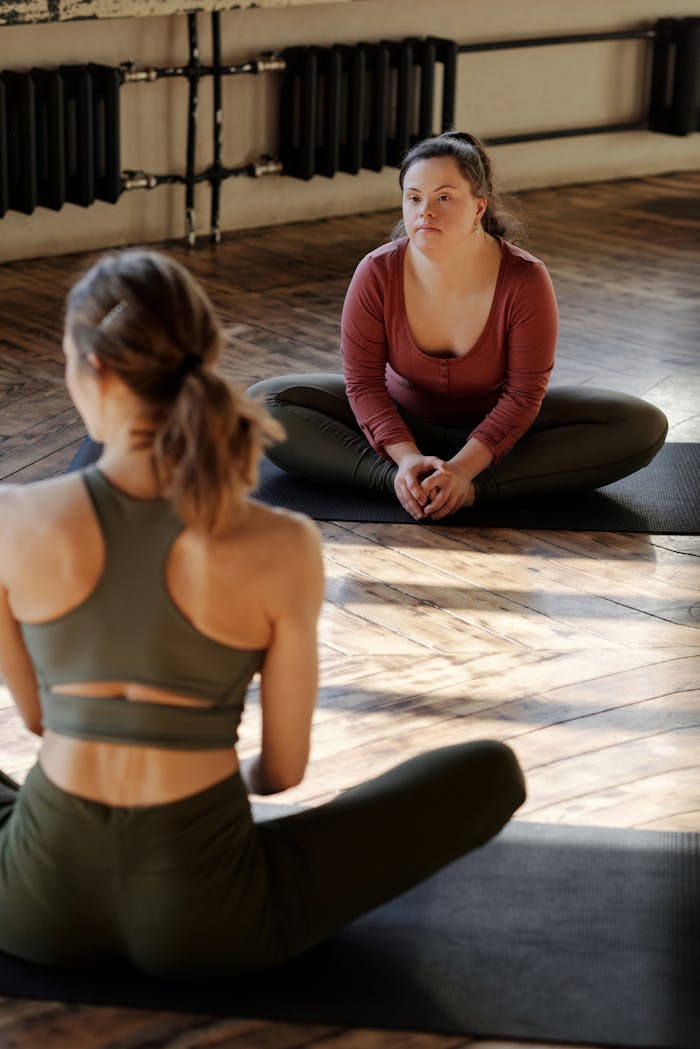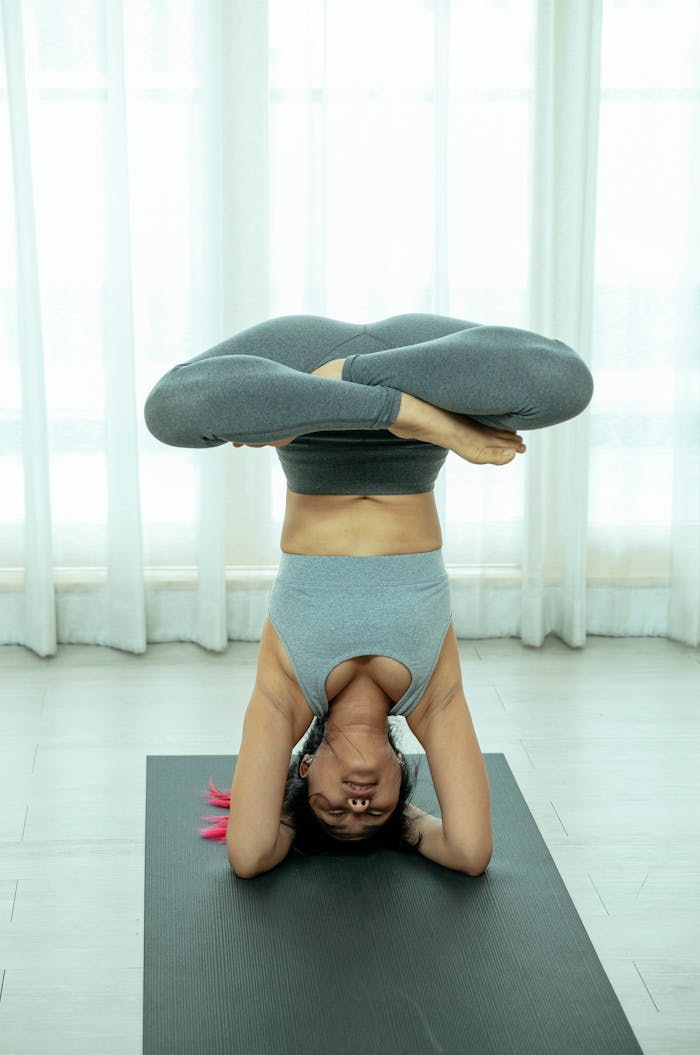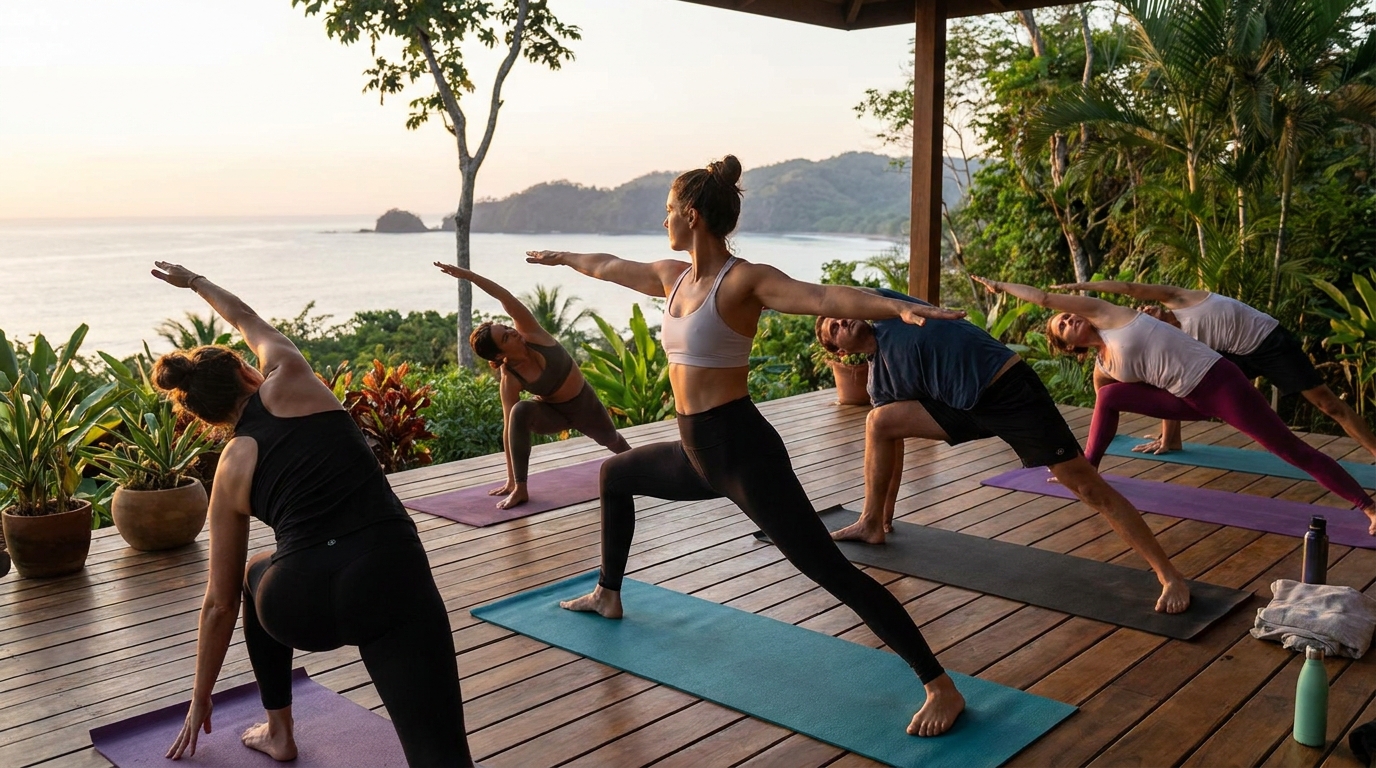
If you are new to yoga, returning after a long pause, or already devoted to daily practice, you are welcome here.
Vinyasa Yoga is often described as a flowing style of yoga, where movement and breath are linked together in a graceful rhythm. Yet beneath the physical flow is something much deeper: a way to remember the sacredness of the body, calm the mind, and offer each breath with humility.
In the spirit of bhakti, the path of devotion, we approach practice not as a performance, but as an offering. We do not come to the mat to prove our flexibility, strength, or discipline. We come to listen. We come to soften. We come to remember that life itself is moving through us, breath by breath.
The Sanskrit word vinyasa is often translated as “to place in a special way.” In yoga practice, this means placing the body, breath, and attention with care. Each movement becomes intentional. Each inhale and exhale becomes meaningful. Each posture becomes a prayerful moment of presence.
Whether you are seeking strength, stress relief, spiritual connection, better mobility, or a more mindful lifestyle, the benefits of Vinyasa Yoga can meet you where you are.
What Is Vinyasa Yoga?
Vinyasa Yoga is a dynamic style of yoga that links breath with movement. Rather than holding one posture for a long time, practitioners move smoothly from one pose to another, often guided by the rhythm of inhalation and exhalation.
For example, you may inhale as you lift your arms overhead, exhale as you fold forward, inhale to lengthen your spine, and exhale as you step back into a plank or downward-facing dog. This mindful sequence creates a moving meditation.
The Meaning of Vinyasa
The word vinyasa comes from Sanskrit:
- Vi means “in a special way”
- Nyasa means “to place”
So, Vinyasa means “to place in a special way.” This is a beautiful reminder that yoga is not random movement. It is conscious movement.
We place the hands carefully. We place the feet with awareness. We place the breath in harmony with the body. Most importantly, we place the mind gently in the present moment.
Vinyasa as Breath-Led Movement
In Vinyasa Yoga, the breath is the guide. This is one of the most important principles of the practice.
The Sanskrit word prana means “life force” or vital energy. Breath is one of the most direct ways we experience prana. When we move with breath, we begin to feel that yoga is not merely exercise. It is a way of honoring life within us.
The breath keeps the practice from becoming mechanical. It invites softness into strength and awareness into effort.
How Vinyasa Differs from Other Yoga Styles
Vinyasa Yoga is often more fluid and energetic than slower styles such as Hatha Yoga or Yin Yoga. While Hatha Yoga may focus on holding individual postures, Vinyasa emphasizes transitions and continuous movement.
It may also feel more creative, as classes can vary widely depending on the teacher, theme, pace, and intention. Some Vinyasa classes are strong and athletic. Others are gentle and meditative.
This flexibility makes Vinyasa Yoga accessible to many people, as it can be adapted for beginners, experienced practitioners, seniors, athletes, and those seeking spiritual grounding.
Why Practice Vinyasa Yoga?
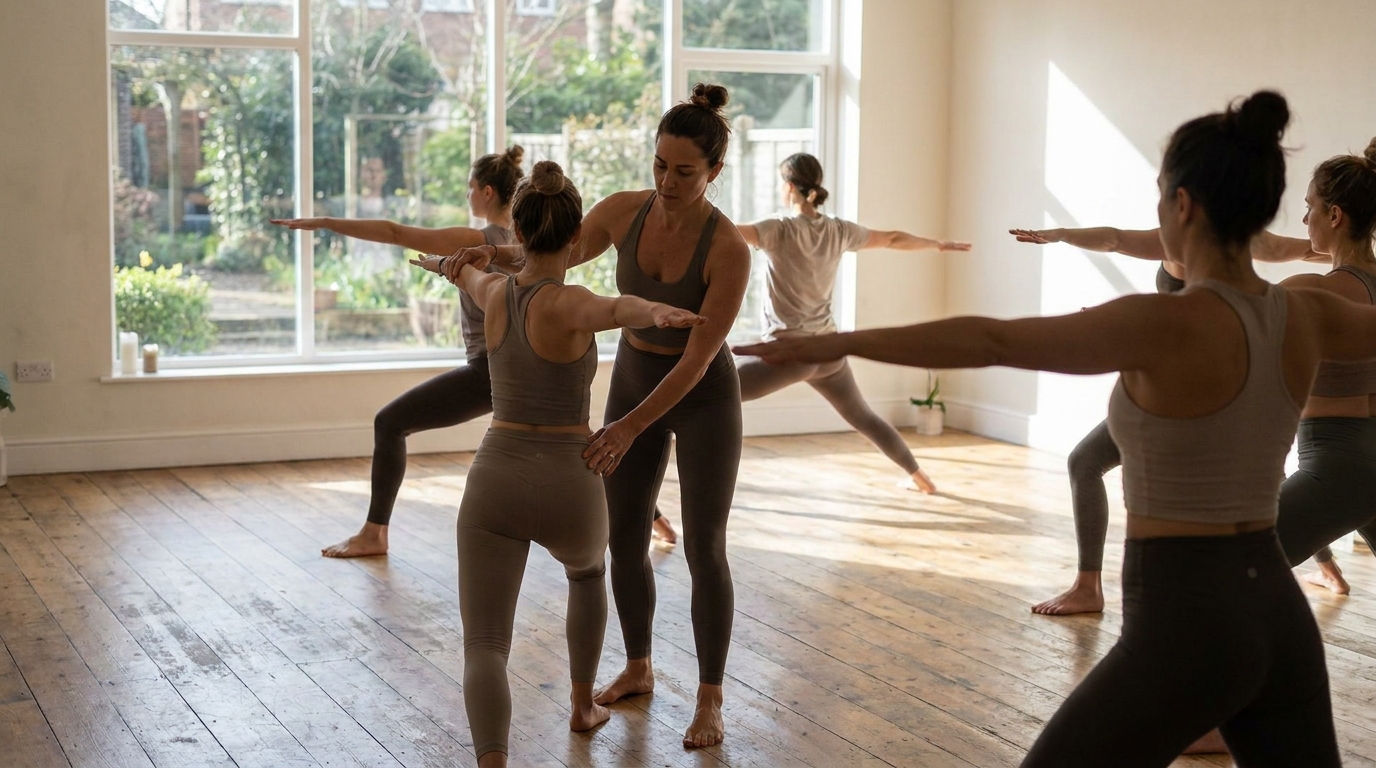
The benefits of Vinyasa Yoga reach beyond the muscles and joints. This practice can support the body, steady the mind, uplift the heart, and deepen our relationship with the sacredness of daily life.
The ancient yoga tradition teaches that the body, breath, mind, and spirit are interconnected. When we move the body consciously and breathe with awareness, the mind often becomes calmer and the heart more open.
A Practical Path for Modern Life
Many people today live with stress, tension, distraction, and fatigue. Vinyasa Yoga offers a practical way to return to balance.
You do not need to retreat to a mountain cave or renounce your responsibilities to practice yoga. You can begin in your living room, a local studio, a quiet corner, or even beside your bed.
In the Bhagavad Gita, Lord Krishna teaches the importance of balanced action and inner steadiness. One well-known teaching says, “Yoga is skill in action” (Yogah karmasu kaushalam, Bhagavad Gita 2.50). This reminds us that yoga is not only what happens on the mat. It is how we move through life.
Vinyasa Yoga trains us in this skill. We learn to act with awareness, breathe through challenge, and transition with grace.
Moving Meditation for the Mind
Many people find seated meditation difficult at first. The mind may feel restless, and the body may feel uncomfortable. Vinyasa Yoga can be a doorway into meditation because it gives the mind something gentle and steady to follow: the breath and movement.
As the body flows, the mind slowly settles. Thoughts may still arise, but we learn not to chase them. We return again and again to the breath.
This is a humble practice. We may wander a hundred times, and a hundred times we return. Each return is yoga.
Devotion Through Movement
In bhakti, devotion is expressed through love, remembrance, chanting, service, and surrender. Vinyasa Yoga can also become an act of devotion when practiced with the right attitude.
A sun salutation can become gratitude for the light. A forward fold can become humility. A heart-opening posture can become a prayer for compassion. A resting pose can become surrender.
The physical posture is not the final goal. The inner offering is what transforms the practice.
Sure, here is the sentence with the clickable link:
Check out the latest yoga guides at yoga guides.
Physical Benefits of Vinyasa Yoga
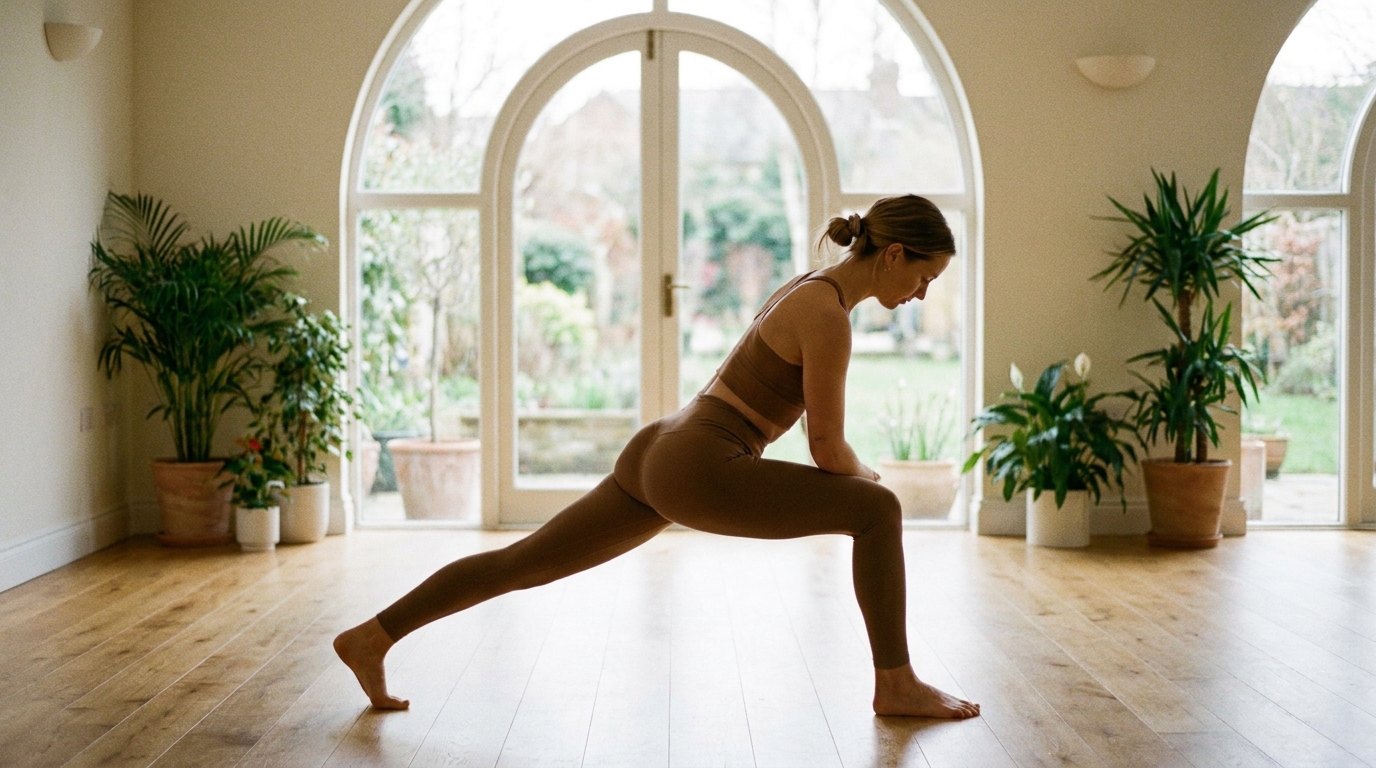
Vinyasa Yoga is known for its physical benefits. Because it combines strength, flexibility, balance, and breath awareness, it supports the whole body in an integrated way.
Of course, every body is different. The practice should be adapted with kindness, patience, and respect for your own needs.
Builds Strength with Grace
Vinyasa Yoga often includes postures such as plank, downward-facing dog, warrior poses, lunges, and balancing poses. These movements strengthen the arms, shoulders, core, legs, and back.
Unlike some forms of exercise that isolate one muscle group at a time, Vinyasa Yoga uses the whole body. You learn to support your weight, stabilize your joints, and move with coordination.
Strength in yoga is not harsh or aggressive. It is steady, grounded, and humble. We build strength not to dominate the body, but to care for it.
Improves Flexibility and Mobility
Many Vinyasa sequences include forward folds, hip openers, twists, side bends, and backbends. These movements can gradually improve flexibility and joint mobility.
Flexibility is not about forcing the body into impressive shapes. In yoga, flexibility is also an inner quality. We learn to soften resistance, breathe into tight places, and accept gradual progress.
The Yoga Sutras of Patanjali describe posture, or asana, as sthira sukham asanam—a posture should be steady and comfortable. This teaching reminds us that yoga poses are not meant to be painful or forced. They are meant to cultivate balance between effort and ease.
Supports Heart Health and Circulation
Because Vinyasa Yoga can be moderately active, it may help increase circulation, warm the body, and support cardiovascular health. Flowing sequences can raise the heart rate gently, especially in more energetic classes.
The combination of movement and breath helps oxygen circulate through the body. Many practitioners report feeling refreshed, lighter, and more energized after practice.
For those with heart conditions, high blood pressure, or medical concerns, it is wise to consult a healthcare professional and choose a gentle class or experienced teacher.
Enhances Balance and Coordination
Vinyasa Yoga improves coordination because it asks the body and mind to work together. You move from one posture to another while staying connected to breath, alignment, and awareness.
Balancing postures such as Tree Pose, Warrior III, or Half Moon Pose help develop stability and focus. But even the transitions between poses are balance training.
Life is full of transitions. Vinyasa teaches us how to move through them with patience.
Encourages Better Posture
Modern life often includes long hours of sitting, looking at screens, driving, or leaning forward. Over time, this may create tension in the neck, shoulders, back, and hips.
Vinyasa Yoga can help awaken postural awareness. Through strengthening the core, opening the chest, lengthening the spine, and mobilizing the hips, practitioners may begin to stand and sit with more ease.
Good posture is not rigid. It is alive, relaxed, and supported by breath.
Mental and Emotional Benefits of Vinyasa Yoga
The benefits of Vinyasa Yoga are not only physical. Many people continue practicing because of how it helps them feel mentally and emotionally.
The mat becomes a quiet refuge. A place to breathe, release, and remember what truly matters.
Reduces Stress and Tension
One of the most common reasons people try yoga is stress relief. Vinyasa Yoga helps reduce stress by combining physical movement, deep breathing, and present-moment awareness.
When we are stressed, the body often holds tension. The breath becomes shallow. The mind becomes scattered. Through Vinyasa practice, the breath deepens, the body moves, and the nervous system begins to settle.
Even a short practice can help shift your state from anxious or overwhelmed to grounded and calm.
Builds Mindfulness
Mindfulness means paying attention to the present moment with openness and care. Vinyasa Yoga naturally develops mindfulness because it asks us to notice breath, sensation, movement, and thought patterns.
You may notice how you react when a pose is challenging. You may notice comparison, frustration, pride, or impatience. These observations are not failures. They are opportunities for self-understanding.
Yoga invites us to see clearly and respond kindly.
Supports Emotional Release
The body stores emotional tension. Sometimes, while practicing yoga, feelings may arise unexpectedly—sadness, relief, joy, gratitude, or even tears.
This is natural. Vinyasa Yoga creates space for energy to move. When we breathe through the body with compassion, we may release what we have been holding.
There is no need to analyze everything. Sometimes the most healing thing is simply to breathe and allow.
Increases Focus and Clarity
Because Vinyasa Yoga requires attention, it can help sharpen focus. You learn to follow instructions, coordinate movement with breath, and remain present through changing sequences.
This focus often carries into daily life. You may find it easier to concentrate at work, listen to loved ones, or make decisions with a calmer mind.
In the Yoga Sutras, yoga is defined as yogas chitta vritti nirodhah—yoga is the stilling or calming of the fluctuations of the mind. Vinyasa Yoga supports this by giving the mind a steady rhythm to rest in.
Spiritual Benefits of Vinyasa Yoga
Yoga is not limited to physical wellness. At its roots, yoga is a spiritual path. The word yoga means “union”—the union of body and mind, breath and awareness, individual self and the deeper reality of life.
You do not need to follow a particular religion to receive the spiritual benefits of Vinyasa Yoga. Yoga welcomes sincere seekers of all backgrounds. Its heart is universal: awareness, compassion, discipline, humility, and love.
Breath as Sacred Companion
In many spiritual traditions, breath is seen as sacred. In yoga, breath connects body and mind. It is always with us, yet we often forget it.
Vinyasa practice helps us remember the breath as a companion. Each inhale becomes receiving. Each exhale becomes releasing.
This simple awareness can transform ordinary moments. Washing dishes, walking, speaking, working, and resting can all become more mindful when we remain connected to breath.
Cultivating Humility
Yoga practice humbles us. Some days the body feels open and strong. Other days it feels tired, stiff, or uncertain. Vinyasa Yoga teaches us to honor both.
Humility in yoga means recognizing that practice is not about being the best. It is about being sincere.
When we bow in Child’s Pose, when we rest before we are exhausted, when we choose a modification, we practice humility. We listen to truth rather than ego.
Offering the Practice
A beautiful way to bring bhakti into Vinyasa Yoga is to dedicate your practice. Before beginning, you might silently offer your movement and breath for peace, healing, gratitude, or someone in need.
This simple intention changes the energy of practice. It becomes less self-centered and more heart-centered.
You may say inwardly:
“May this practice help me become more loving.”
“May this breath serve peace.”
“May any strength I gain be used for kindness.”
Such offerings make the mat a sacred space.
Finding Stillness Within Flow
Vinyasa is movement, but the deeper teaching is stillness. As the body flows, we begin to discover a quiet awareness beneath movement.
This is a profound lesson. Life is always changing—relationships, health, work, emotions, seasons. Vinyasa Yoga teaches us to find an inner center even while everything moves.
This is not escape from life. It is learning to live with more grace.
How to Practice Vinyasa Yoga Safely
Vinyasa Yoga can be adapted for many levels, but mindful practice is important. Safety is part of devotion. Caring for the body is not separate from spiritual practice.
Your body is not an obstacle to yoga. It is a sacred instrument through which awareness can awaken.
Begin with the Breath
Before moving, pause. Sit or stand comfortably. Feel your feet or sitting bones connected to the earth.
Take a few slow breaths. Notice the inhale. Notice the exhale. Let the breath become steady before the body begins to move.
This simple beginning sets the tone for the whole practice.
Learn Foundational Poses
If you are new to Vinyasa Yoga, it is helpful to learn common postures first. These may include:
- Mountain Pose
- Forward Fold
- Plank Pose
- Cobra Pose
- Downward-Facing Dog
- Low Lunge
- Warrior I and II
- Child’s Pose
- Seated Twist
- Savasana, or final resting pose
Savasana means “corpse pose.” Though the name may sound unusual, it is a deeply restful posture where we practice surrender and stillness. It reminds us to release effort and receive peace.
Move at Your Own Pace
In Vinyasa classes, it can be tempting to keep up with others. But yoga is not competition. Your breath is your teacher.
If your breath becomes strained, slow down. If a posture causes pain, modify or rest. If you feel overwhelmed, return to Child’s Pose.
A wise practice is one that respects your present condition.
Use Modifications with Confidence
Modifications are not signs of weakness. They are signs of intelligence and self-respect.
You can lower your knees in plank. You can use blocks under your hands. You can step instead of jump. You can keep the back knee down in lunges. You can rest whenever needed.
The goal is not to imitate a shape. The goal is to practice awareness.
Practice with a Skilled Teacher
Especially when beginning, it can be helpful to learn from a qualified yoga teacher. A good teacher will encourage safe alignment, breath awareness, and compassionate self-study.
If you practice online, choose classes clearly marked for your level. Listen carefully to your body, and do not force advanced poses.
Yoga grows through patience.
A Simple Beginner Vinyasa Yoga Sequence
Here is a gentle beginner-friendly Vinyasa Yoga sequence you can try at home. Move slowly, breathe deeply, and rest as needed.
This practice may take about 15 to 25 minutes.
Centering
Begin seated or standing.
Close your eyes if comfortable. Take five slow breaths. Feel the body. Notice the mind. Offer a simple intention, such as gratitude, peace, or kindness.
Gentle Warm-Up
Inhale and reach your arms overhead. Exhale and lower them.
Repeat this several times.
Then gently roll the shoulders, turn the head side to side, and move the spine with care.
Half Sun Salutation
Stand in Mountain Pose.
Inhale, reach your arms up.
Exhale, fold forward with soft knees.
Inhale, lift halfway and lengthen the spine.
Exhale, fold again.
Inhale, rise all the way up.
Exhale, bring hands to the heart.
Repeat three to five times.
Low Lunge Flow
From standing, fold forward and step your right foot back into a low lunge. Lower the back knee if needed.
Inhale, lift the chest.
Exhale, place hands down.
Step back to Downward-Facing Dog or come to hands and knees.
Take three breaths.
Step the right foot forward and return to standing. Repeat on the other side.
Simple Strength Flow
From Downward-Facing Dog, shift forward to Plank Pose.
Lower knees if needed.
Exhale, slowly lower to the belly.
Inhale, lift the chest into Cobra Pose.
Exhale, lower down.
Press back to Child’s Pose.
Take three to five breaths.
Standing Poses
Step into Warrior II.
Bend the front knee, extend the arms, and gaze softly over the front hand.
Breathe for three to five breaths.
Move into a gentle side angle or peaceful warrior if comfortable.
Repeat on the second side.
Seated Cool Down
Come to the floor.
Take a gentle seated forward fold. Then practice a simple seated twist on each side.
Move slowly. Let the breath soften the body.
Savasana
Lie on your back. Let the feet fall open. Rest the arms by your sides.
Allow the whole body to release.
Stay for five minutes or longer.
This final rest is not optional decoration. It is an essential part of practice. It allows the body, mind, and nervous system to receive the benefits of yoga.
How Else Can Vinyasa Yoga Support Daily Life?
The wisdom of Vinyasa Yoga does not end when the practice ends. In truth, the mat is a training ground for life.
Every breath-led movement teaches us how to move through the world with more awareness.
Vinyasa as a Way of Living
Remember, vinyasa means placing things in a special way. This can apply to daily life.
How do we place our words?
How do we place our attention?
How do we place our time?
How do we move from one task to another?
When we live with Vinyasa awareness, ordinary actions become more intentional. We may begin the day with gratitude. We may pause before speaking. We may breathe before reacting. We may transition from work to home with more care.
This is yoga in action.
Creating a Home Practice
A home Vinyasa Yoga practice does not need to be long. Even 10 minutes can be meaningful.
You might practice:
- Three rounds of sun salutations in the morning
- A gentle flow after work
- Breath-led stretching before bed
- A devotional practice with mantra or prayer
- A short sequence focused on gratitude
Consistency matters more than intensity. A small daily offering can transform the heart over time.
Adding Mantra and Devotion
A mantra is a sacred sound, word, or phrase used to focus the mind and open the heart. If it feels natural to you, you can include mantra in your Vinyasa practice.
For example, you may silently repeat:
“So Hum” — meaning “I am That,” a reminder of unity with life.
“Om Shanti” — meaning “peace.”
Or simply repeat a word in your own language, such as “love,” “peace,” “trust,” or “thank you.”
Let the mantra ride the breath. Let movement become prayer.
Practicing Yoga Beyond the Mat
The Bhagavad Gita teaches that we can offer our actions without attachment to results. This is known as karma yoga, the yoga of selfless action.
Vinyasa Yoga can help us embody this teaching. We do our best in each pose, but we release the need to control the outcome. We show up, breathe, move, and offer.
Then we carry that same spirit into family, work, service, and community.
Common Questions About Vinyasa Yoga
Many beginners have questions before starting. These questions are welcome. Curiosity is part of learning.
Is Vinyasa Yoga Good for Beginners?
Yes, Vinyasa Yoga can be good for beginners when the class is appropriate and the pace is mindful. Look for beginner Vinyasa, slow flow, gentle flow, or foundational classes.
If a class feels too fast, it is okay to pause, rest, or choose a slower style while building confidence.
Is Vinyasa Yoga a Workout?
Vinyasa Yoga can be a workout, especially in stronger classes. It can build strength, flexibility, balance, and endurance.
But Vinyasa is more than a workout. It is a breath-centered practice that supports mental clarity, emotional balance, and spiritual awareness.
The outer movement is only one layer. The inner practice is the heart.
How Often Should I Practice Vinyasa Yoga?
You can begin with two or three times per week. If you enjoy it and your body feels well, you may practice more often.
Some days your practice may be strong. Other days it may be gentle. This balance is wise.
Yoga is not about pushing every day. It is about listening every day.
What Should I Bring to a Vinyasa Yoga Class?
You may want:
- A yoga mat
- Comfortable clothing
- Water
- A towel
- Yoga blocks if available
- An open mind
- A humble heart
The last two are the most important.
Can Vinyasa Yoga Help with Anxiety?
Many people find Vinyasa Yoga helpful for anxiety because it combines movement, breath, and mindfulness. It can help release restless energy and calm the nervous system.
However, yoga is not a replacement for professional mental health care when needed. It can be a supportive practice alongside therapy, medical care, and community support.
The Deeper Benefits of a Steady Practice
Vinyasa Yoga offers many visible benefits: strength, flexibility, balance, energy, and stress relief. But with time, the subtler gifts may become the most precious.
We become more patient.
We become more aware of our breath.
We become kinder to the body.
We become less controlled by restless thoughts.
We learn to rest.
We learn to begin again.
Discipline Without Harshness
In yoga, discipline is called tapas. This Sanskrit word means heat, effort, or dedicated practice. In Vinyasa Yoga, tapas may appear as showing up regularly, breathing through challenge, or staying present when the mind wants to wander.
But true tapas is not self-punishment. It is loving discipline. It is the warmth that helps transformation unfold.
Self-Study with Compassion
Another yogic principle is svadhyaya, meaning self-study. Through Vinyasa Yoga, we study ourselves.
We notice how we handle difficulty. We notice where we rush. We notice when we compare. We notice what brings peace.
This self-study should be compassionate, not critical. We are not looking at ourselves to judge. We are looking to understand and awaken.
Surrendering the Fruits of Practice
The Sanskrit word Ishvara pranidhana means surrender to the Divine, or surrender to something greater than the small self. For some, this may mean God. For others, it may mean truth, love, nature, or the mystery of life.
In Vinyasa Yoga, surrender means we practice sincerely, but we let go of clinging to results.
We do not need to master every pose. We do not need to look a certain way. We do not need to become someone else.
We simply offer the breath, the body, and the heart.
Bringing Vinyasa Yoga Into Your Heart
The benefits of Vinyasa Yoga are many: a stronger body, calmer mind, deeper breath, better focus, emotional balance, and a more devotional relationship with life. Yet perhaps the greatest benefit is this: Vinyasa Yoga helps us return to presence.
It teaches us that every transition matters.
Every breath matters.
Every small act of awareness matters.
You do not need to be flexible to begin. You do not need to know Sanskrit. You do not need special clothing or a perfect body. You only need willingness.
Come to the mat as you are.
Move with sincerity.
Breathe with reverence.
Rest with trust.
And little by little, the practice may reveal what the sages have always pointed toward: yoga is not something we achieve. Yoga is a remembering of the wholeness that is already here.
FAQs
What is Vinyasa Yoga?
Vinyasa Yoga is a style of yoga that focuses on coordinating movement with breath to flow from one pose to the next. It is often referred to as “flow” yoga because of the smooth way the poses run together.
What are the benefits of practicing Vinyasa Yoga?
Practicing Vinyasa Yoga can help improve flexibility, strength, and balance. It also promotes relaxation and stress reduction, as well as increased focus and mental clarity.
Is Vinyasa Yoga suitable for beginners?
Vinyasa Yoga can be suitable for beginners, but it is important to find a class that is labeled as “beginner-friendly” and to communicate with the instructor about any physical limitations or concerns.
What should I expect in a Vinyasa Yoga class?
In a Vinyasa Yoga class, you can expect to move through a series of poses that are linked together with breath. The class may include sun salutations, standing poses, seated poses, and a period of relaxation at the end.
Are there any potential risks associated with Vinyasa Yoga?
As with any physical activity, there are potential risks associated with Vinyasa Yoga, such as muscle strains or joint injuries. It is important to listen to your body, communicate with the instructor, and modify poses as needed to avoid injury.