In today’s fast-paced world, the pursuit of wellness has never been more crucial. As we navigate daily stresses and responsibilities, many are turning to holistic practices that support both mental and physical health. Yoga for wellness stands out as a versatile approach that offers transformative benefits, regardless of your experience level.
At the heart of yoga is the profound connection between mind and body. This ancient practice encourages mindfulness, fostering a deeper awareness of your thoughts and feelings while promoting physical strength and flexibility. By integrating breathwork and movement, yoga creates a harmonious balance that can alleviate stress and anxiety, enhancing overall well-being.
The growing interest in holistic wellness practices highlights a collective shift towards nurturing the whole self. People are increasingly recognizing that mental health is as vital as physical health and that both are intertwined. Yoga serves as a gentle reminder that taking care of our bodies can lead to clearer minds and healthier emotional states.
Whether you’re a seasoned practitioner or a curious newcomer, yoga for wellness is accessible to all. With its myriad styles and techniques, there’s something for everyone, making it an ideal companion on your journey to holistic health. Embracing yoga can lead to a more balanced life, helping you cultivate resilience and joy amid life’s challenges.
1. Enhancing Mental Clarity Through Meditation
Meditation is a cornerstone of yoga for wellness, offering a pathway to clear the mind and reduce stress. When we meditate, we create a space to observe our thoughts without judgment. This practice can lead to enhanced mental clarity, allowing us to focus on what truly matters in our lives.
One of the most effective ways to relieve stress during meditation is through mindful breathing. Deep, intentional breaths signal to the body that it’s time to relax. By concentrating on your breath, you can gently guide your thoughts away from worries and distractions. Try inhaling deeply for a count of four, holding for four, and exhaling for six. This simple technique not only calms the mind but also helps regulate stress responses.
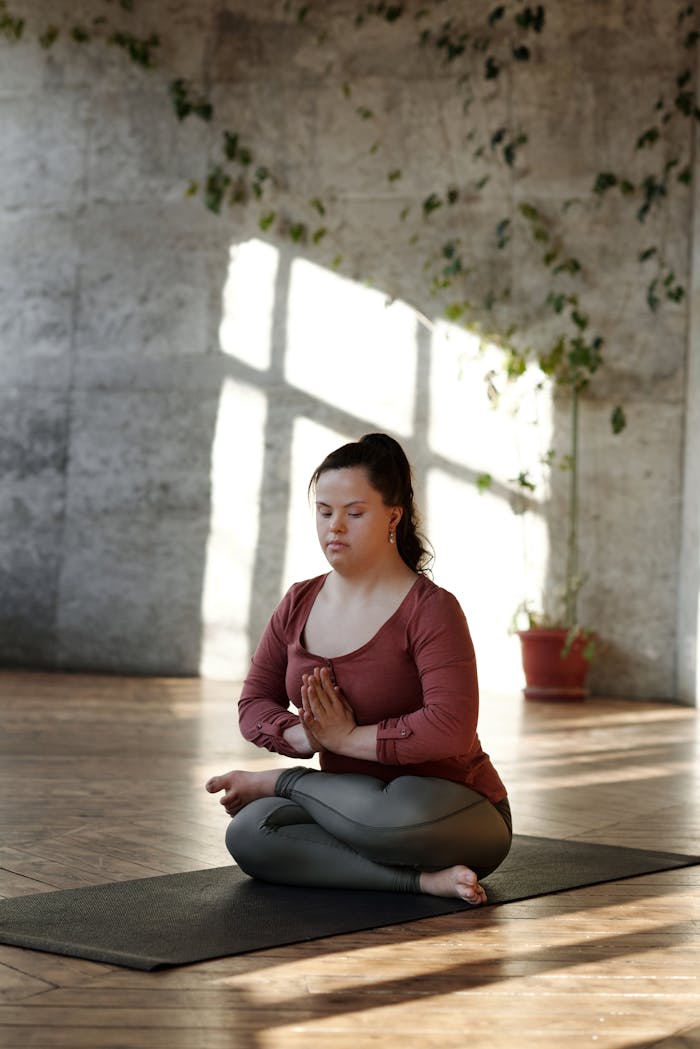
For those new to meditation, starting small can be incredibly beneficial. Consider setting aside just five minutes each day to cultivate this practice. Find a quiet space where you feel comfortable. Sit or lie down, close your eyes, and focus solely on your breath. If thoughts arise, acknowledge them, then gently bring your attention back to your breathing. Over time, this practice will enhance your mental clarity and sense of peace.
Another beginner-friendly exercise is the “Body Scan.” Start by lying down comfortably. Close your eyes and take a few deep breaths. Gradually focus on each part of your body, starting from your toes and moving up to the crown of your head. Notice any tension and allow it to melt away with each breath. This practice not only promotes relaxation but also enhances body awareness, which is a vital aspect of holistic wellness.
Integrating these meditation techniques into your daily routine can create a powerful shift in your mental health. As you cultivate mindfulness, you may find that clarity and calmness naturally follow, enriching your overall experience in yoga for wellness.
2. Physical Benefits: Improving Flexibility and Strength
Yoga for wellness offers remarkable physical benefits, particularly in enhancing flexibility and strength. As you flow through various poses, your body learns to stretch and strengthen in harmony. This not only improves your physical capabilities but also contributes to a sense of overall well-being.
Key poses such as Downward Dog, Warrior II, and Cobra are excellent for building strength and flexibility. Downward Dog stretches the spine and hamstrings, while Warrior II builds leg strength and stability. Cobra opens the chest and strengthens the back, promoting good posture. Each of these poses can be modified to suit your skill level, ensuring that everyone can benefit from them.
Warm-ups play a crucial role in your yoga practice. Engaging in gentle stretches before diving into more challenging poses prepares your muscles and joints, reducing the risk of injury. Simple warm-up exercises like Cat-Cow or Child’s Pose can enhance your flexibility, making your practice more effective and enjoyable.
Enhanced flexibility is not just about bending and stretching; it plays a vital role in injury prevention. When your muscles are flexible, they can absorb impact better and adapt to sudden movements. This is particularly beneficial for anyone leading an active lifestyle or engaging in sports.
Moreover, improved strength from consistent yoga practice supports better posture. Better posture reduces strain on your spine and alleviates discomfort in daily activities. As you develop strength and flexibility, you’ll find that your body feels more balanced, allowing you to move with greater ease and confidence.
For those looking to further explore the physical aspects of yoga, consider checking out our guide on Yoga for Balance: 6 Essential Poses to Boost Stability and Strength. Embracing these practices can lead to a more empowered and resilient body, enhancing your journey toward holistic wellness.
3. The Role of Breathwork in Stress Reduction
Breathwork is a cornerstone of yoga for wellness, playing a crucial role in managing stress and fostering relaxation. When we focus on our breath, we tap into the body’s autonomic nervous system, which regulates our fight-or-flight response. By consciously controlling our breath, we can shift our body from a state of stress to one of calm.
One popular technique is Ujjayi breath, or “victorious breath.” This involves inhaling deeply through the nose while slightly constricting the back of the throat, creating a soothing sound. This practice not only enhances concentration but also encourages a sense of tranquility.
Another effective method is Nadi Shodhana, or alternate nostril breathing. This technique balances the left and right sides of the brain, promoting emotional stability. You can practice this by closing one nostril, inhaling deeply, then switching to exhale through the opposite nostril. Even just a few cycles of this breath can help ground you during stressful moments.
Incorporating breathwork into your daily routine can be transformative. Try taking a few minutes each day to practice box breathing, where you inhale for four counts, hold for four counts, exhale for four counts, and hold again for four counts. This simple yet powerful technique can be done anywhere, whether at your desk or in a quiet corner of your home.
By making breathwork a regular part of your life, you can create a buffer against stress. The more you practice, the easier it becomes to access that state of calm, even in challenging situations. Remember, your breath is always with you; it’s a tool for peace that you can utilize on and off the mat. Embracing these techniques will not only enhance your yoga practice but also enrich your overall wellness journey.
4. Building a Community Through Group Classes
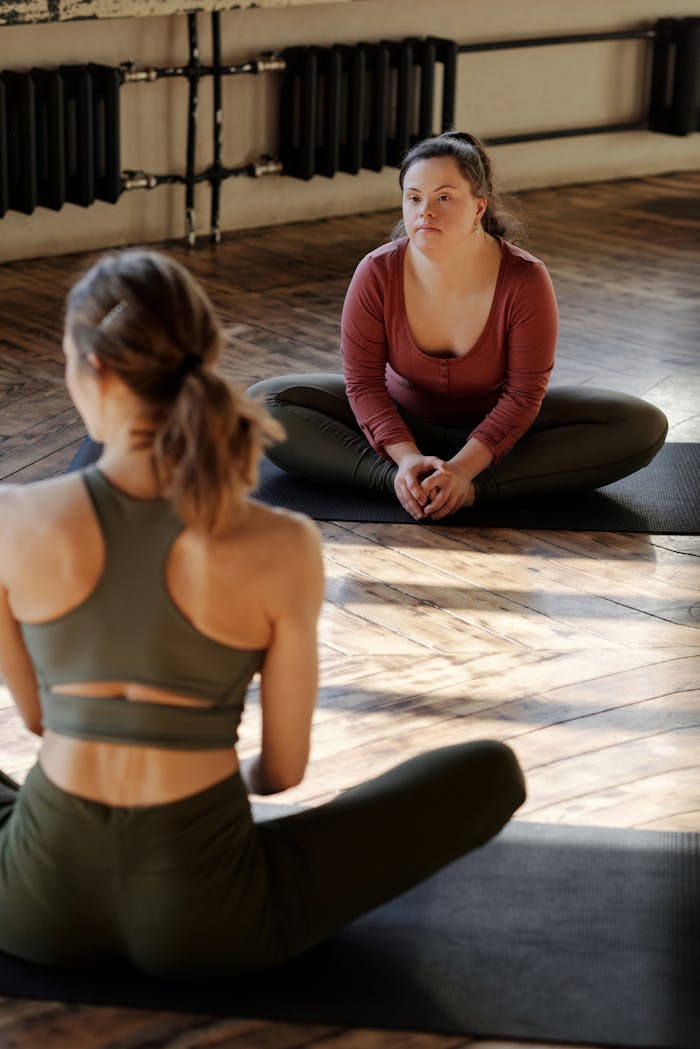
Participating in group yoga classes offers more than just physical benefits; it cultivates a vibrant sense of community. When you step onto the mat alongside others, you’re not just sharing space; you’re opening the door to social interaction that can significantly enhance your wellness journey. The support and encouragement found in a group setting can create a powerful bond among participants, fostering a warm, nurturing atmosphere.
Many practitioners share heartwarming stories about the friendships they’ve formed through yoga. For example, a mother of two found solace in a local class, where she met other parents navigating similar challenges. The shared experience of balancing family life and personal wellness transformed those initial awkward encounters into lasting friendships, further enriching her practice. These connections often extend beyond the mat, creating a network of support that is invaluable.
Research shows that social interaction plays a crucial role in mental health. Engaging with others can reduce feelings of isolation and boost your overall mood. In yoga, these interactions often manifest in shared laughter, collective breaths, and mutual encouragement during challenging poses. This camaraderie not only enhances the experience but also reinforces a sense of belonging.
If you’re looking to deepen your practice and connect with others, consider seeking out local classes. Many studios offer community events or workshops designed to foster connection. Whether you’re a beginner or a seasoned yogi, these gatherings provide a welcoming space to share your journey. Remember, you’re not just practicing yoga for wellness; you’re becoming part of a community that thrives on support, understanding, and shared growth. Embrace the opportunity to connect and uplift one another on this beautiful path to holistic health.
5. Yoga as a Tool for Mindfulness and Self-Compassion
Yoga is a powerful practice that fosters mindfulness, the ability to be fully present in the moment without judgment. By focusing on breath and body alignment, yoga encourages us to tune into our thoughts and feelings. This awareness can lead to a deeper understanding of ourselves and our reactions, enhancing our emotional regulation and mental resilience.
Self-compassion is another vital component of yoga. It invites us to approach our struggles with kindness rather than criticism. When we practice self-compassion on the mat, we learn to accept our imperfections and treat ourselves with the same love we would offer a friend. This shift in perspective can profoundly impact how we face challenges off the mat, allowing us to cultivate a gentler inner dialogue.
To cultivate mindfulness in your yoga practice, start by setting an intention before each session. This could be as simple as “I will be present” or “I will honor my body today.” Throughout your practice, use your breath as an anchor. Whenever your mind wanders, gently bring your focus back to your inhalation and exhalation.
Off the mat, mindfulness can be integrated into daily activities. Try savoring the taste of your food during meals or taking a moment to notice your surroundings while walking. These small practices can help extend the benefits of yoga for wellness into your everyday life.
Incorporating self-compassion into your routine is equally important. When facing difficulties, pause and ask yourself: “How would I speak to a friend in this situation?” This simple question can transform your approach and foster a more nurturing mindset.
By embracing mindfulness and self-compassion through yoga, you create a foundation for emotional well-being, leading to a more balanced and resilient life.
Conclusion: Embrace Yoga for a Balanced Life
Incorporating yoga for wellness into your daily routine can significantly enhance both your mental and physical health. As we’ve explored, yoga cultivates mindfulness, promotes emotional resilience, and strengthens the body—all essential components of holistic wellness. The beauty of yoga lies in its versatility; it offers various styles that cater to different needs and preferences, inviting everyone to find their unique path.
To fully experience the lasting benefits of yoga, consider establishing a daily practice. Even just a few minutes each day can create a profound shift in your overall well-being. Whether it’s a gentle flow in the morning or a restorative session in the evening, consistency is key in reaping the rewards.
If you’re unsure where to start, take the time to explore various styles of yoga. From invigorating Vinyasa to calming Yin, discovering what resonates with you can enhance your journey. For those who may need modifications, resources like 10 Free Chair Yoga for Seniors: Gentle Videos for Wellness provide accessible options.
Ultimately, embracing yoga for wellness is not just about physical postures. It’s a loving invitation to nurture yourself—mind, body, and spirit. So, roll out your mat, breathe deeply, and embark on this beautiful journey toward a more balanced life. Together, let’s cultivate a community that supports and uplifts one another on this transformative path.