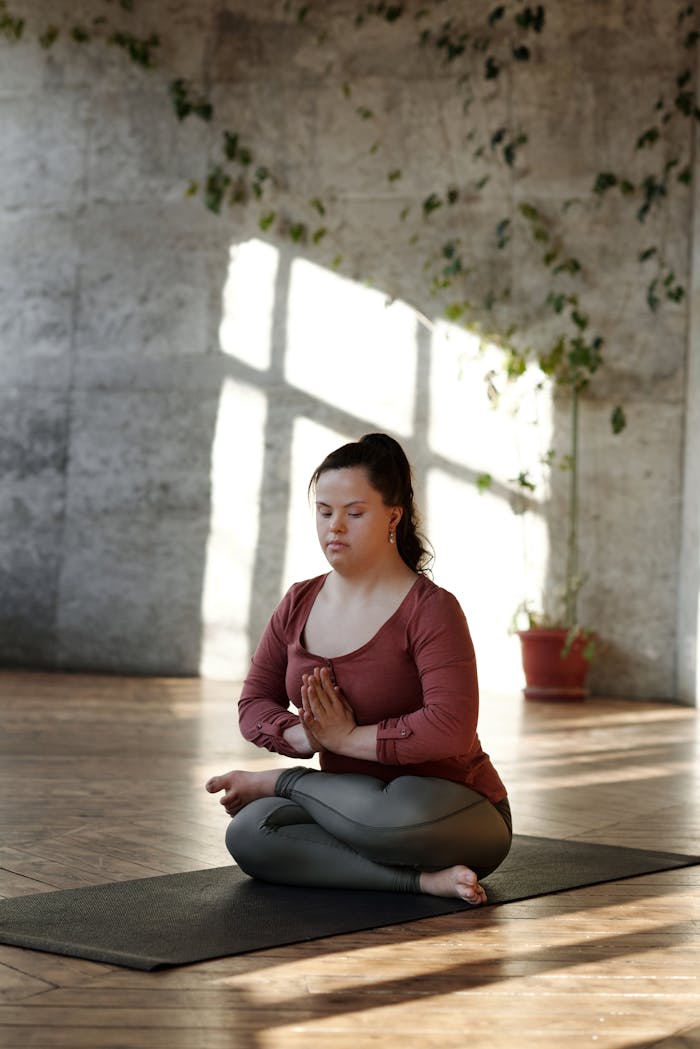
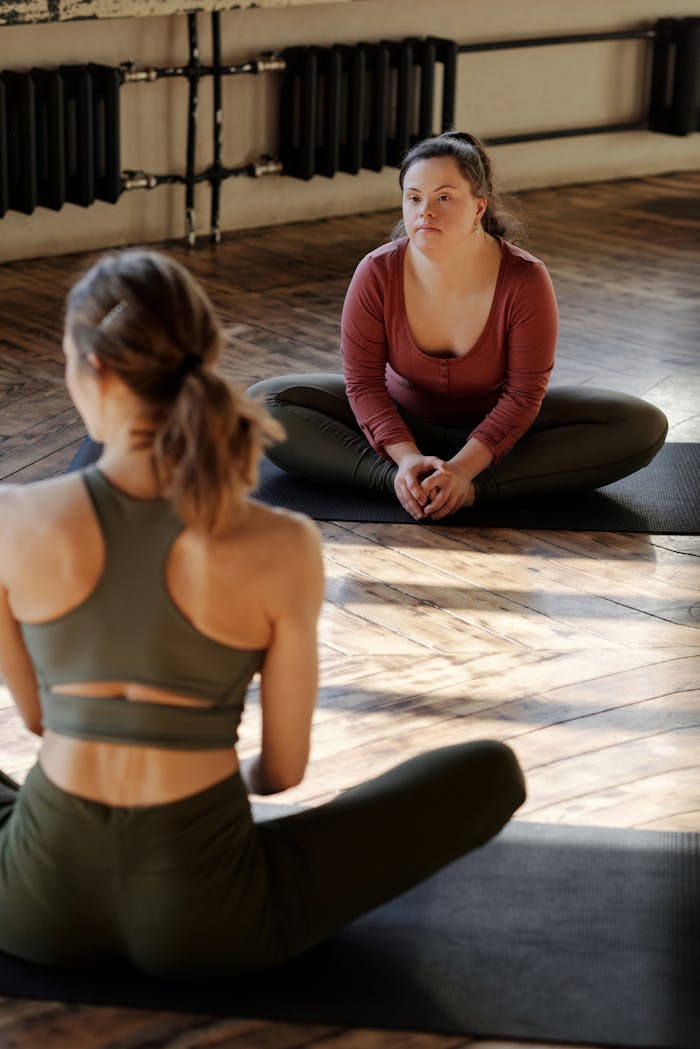
Yoga for chakra is more than just a physical practice; it’s a journey toward unlocking your inner energy and achieving holistic well-being. At the heart of this journey lies the connection between yoga and chakras—seven energy centers within your body that influence both physical and emotional health. When these chakras are in balance, you can experience a deeper sense of peace and vitality.
Mindfulness plays a crucial role in this process. By cultivating present-moment awareness, you can enhance your yoga practice, fostering a stronger connection between your mind, body, and spirit. Each pose becomes a doorway to self-discovery, allowing you to tune in to the subtle energies flowing through you. This mindful approach not only enriches your yoga experience but also supports your overall well-being.
If you’re new to this practice, you might find it helpful to explore foundational concepts. Our guide, Yoga for Beginners: Complete Guide to Starting Yoga, offers valuable insights to help you embark on your transformative journey. As you delve deeper into yoga for chakra, you’ll learn how to harness this energy, promoting balance and harmony in your life.
In the following sections, we’ll explore each chakra in detail, sharing practical tips and techniques to unlock their potential through mindfulness. Embrace this opportunity to nurture your unique path to fulfillment and well-being.
Understanding Chakras: The Energy Centers
Chakras are essential energy centers within our bodies, each influencing specific areas of our physical and emotional lives. There are seven main chakras, aligned along the spine, from the base to the crown of the head. Each one has unique attributes that contribute to our overall well-being.
The root chakra, located at the base of the spine, grounds us and offers stability. When balanced, it fosters feelings of safety and security. Conversely, blockages here can lead to anxiety and fear.
Next is the sacral chakra, found in the lower abdomen. This chakra governs creativity and emotions. A balanced sacral chakra encourages healthy relationships and emotional expression, while blockages may cause feelings of guilt or emotional instability.
The solar plexus chakra resides in the upper abdomen, influencing personal power and self-esteem. When this chakra is open, it empowers us to take action and pursue our goals. However, blockages can manifest as low confidence or indecisiveness.
Moving up, we reach the heart chakra, located at the center of the chest. This chakra is the bridge between the physical and spiritual, promoting love and compassion. A balanced heart chakra nurtures connections, while blockages can lead to feelings of loneliness or resentment.
The throat chakra, situated in the throat area, governs communication and expression. An open throat chakra enables clear and honest dialogue. Conversely, blockages can result in difficulty expressing thoughts or feelings.
Just above, the third eye chakra, located between the eyebrows, is associated with intuition and insight. A balanced third eye enhances our ability to see beyond the physical, while blockages may lead to confusion or lack of direction.
Finally, the crown chakra, at the top of the head, connects us to higher consciousness and spirituality. When balanced, it fosters a sense of unity with the universe. Blockages can create feelings of disconnection or lack of purpose.
Balancing these chakras is vital for holistic wellness. When energy flows freely, we experience greater emotional stability and physical health. In the following sections, we’ll explore practical tips for unlocking the potential of each chakra through mindfulness and yoga for chakra. Embrace this journey of self-discovery and healing!
Yoga Poses to Balance Your Chakras
Exploring yoga for chakra alignment involves specific poses that resonate with each energy center. Each chakra corresponds to distinct physical and emotional aspects of our lives. By engaging in targeted poses, we can stimulate energy flow, promoting balance and harmony.
Starting with the Root Chakra, grounding poses like Mountain Pose (Tadasana) and Warrior I (Virabhadrasana I) are essential. These poses connect you to the earth, providing stability and security. As you practice, focus on your breath, inhaling deeply to draw energy up from the ground.
For the Sacral Chakra, which governs creativity and emotions, consider practicing Cobra Pose (Bhujangasana) and Butterfly Pose (Baddha Konasana). These poses open the hips and encourage fluid movement. Pair these with breathwork, inhaling deeply through the nose and exhaling slowly, to enhance the release of stored emotions.
Moving up to the Solar Plexus Chakra, Boat Pose (Navasana) and Plank Pose are powerful choices. These poses strengthen your core, fostering confidence and personal power. Engage in mindfulness by visualizing a bright yellow light radiating from your center, empowering your spirit with each breath.
The Heart Chakra thrives on love and compassion. Poses like Camel Pose (Ustrasana) and Bridge Pose (Setu Bandhasana) open the chest, allowing energy to flow freely. As you practice, cultivate feelings of love and gratitude, allowing them to fill your heart and radiate outward.
For the Throat Chakra, try Fish Pose (Matsyasana) and Shoulder Stand (Sarvangasana). These poses encourage expression and communication. As you breathe, focus on speaking your truth and embracing your unique voice, enhancing your connection to yourself and others.
The Third Eye Chakra benefits from forward bends like Child’s Pose (Balasana) and Seated Forward Bend (Paschimottanasana). These poses promote introspection and clarity. Engage your mind by visualizing your intuition guiding you, deepening your connection to your inner wisdom.
Finally, the Crown Chakra can be aligned with Lotus Pose (Padmasana) and Savasana. These poses facilitate a deep connection to your higher self. Emphasize mindfulness by focusing on your breath and embracing a sense of peace and unity with the universe.
Incorporating these poses into your practice can significantly enhance your energy flow. If you’re new to yoga, check out the 10 Basic Yoga Poses Everyone Should Learn for foundational techniques that will support your journey. Remember, mindfulness is key; the more present you are, the more profound your experience will be. Embrace each pose as a step toward unlocking your chakras and nurturing your holistic wellness.
Mindfulness Techniques for Chakra Healing
Mindfulness is a powerful tool in yoga for chakra healing. It helps ground and center us, creating a space where we can connect deeply with our inner energy. By cultivating presence, we can experience stillness, allowing us to listen to our bodies and emotions more clearly.
One effective technique is meditation. Setting aside just a few minutes each day to sit in silence can greatly enhance your awareness of each chakra. Focus on your breath, envisioning it flowing through your energy centers. As you inhale, imagine drawing in vibrant energy; as you exhale, release any tension or negativity. This practice nurtures a deeper connection to your inner self, fostering healing and balance.
Breathing exercises, or pranayama, also play a crucial role in chakra work. Techniques such as diaphragmatic breathing can help activate specific energy centers. For instance, when focusing on the root chakra, try deep belly breaths while visualizing a warm, red light at the base of your spine. This simple yet profound practice can enhance stability and security, allowing energy to flow freely.
Incorporating movement into your mindfulness practice can further enhance chakra healing. Consider pairing your meditation with gentle yoga poses. Engaging in practices that emphasize connection and balance, like partner yoga, can deepen your experience. Check out our article on 10 Fun Yoga Poses for 2 to Enhance Connection and Balance for inspiration on how to share this journey with a friend.
As you explore these mindfulness techniques, remember that self-awareness is key. By tuning into your thoughts and feelings, you create space for transformation. Embrace the journey, and allow each practice to guide you toward unlocking the energy within.
Embracing Your Journey to Energy Alignment
As we conclude our exploration of yoga for chakra, it’s vital to recognize that the benefits of chakra alignment extend far beyond physical health. By integrating yoga and mindfulness into your daily routine, you cultivate a deeper connection with yourself. This connection fosters emotional stability and enhances your overall well-being, allowing you to navigate life’s challenges with grace.
Patience and commitment are essential as you embark on this transformative journey. Each step you take in your practice deepens your understanding of your energy centers, leading to greater balance in your life. Remember, it’s not about perfection; it’s about progress and self-discovery.
Incorporating simple yet effective practices, such as the Beginner Yoga Routine You Can Do at Home (10–15 Minutes), can serve as a foundation for your journey. This routine allows you to engage with your chakras, promoting energy flow and mindfulness in a manageable way.
As you nurture your unique path, be gentle with yourself. Celebrate your milestones, no matter how small, and embrace the lessons learned along the way. Ultimately, this journey is not just about unlocking energy; it’s about discovering your authentic self. Allow yoga and mindfulness to guide you toward a life filled with balance, joy, and holistic wellness.