Quick Answer
A beginner yoga routine at home can be as simple as 10–15 minutes of gentle stretching, basic poses, and mindful breathing. A short daily routine can improve flexibility, reduce stress, and help you build consistency.
Why Start a Yoga Routine at Home?
Starting yoga at home is one of the easiest ways to build a consistent practice. You don’t need a studio, special equipment, or a lot of time.
Practicing at home allows you to move at your own pace, repeat poses as needed, and build confidence before attending a class. It’s also ideal for busy schedules, making it easier to stay consistent.
For beginners, short and simple routines are the key to long-term success.
10–15 Minute Beginner Yoga Routine (Step-by-Step)
Follow this simple routine once per day or a few times per week.
1. Breathing and Centering (1–2 minutes)
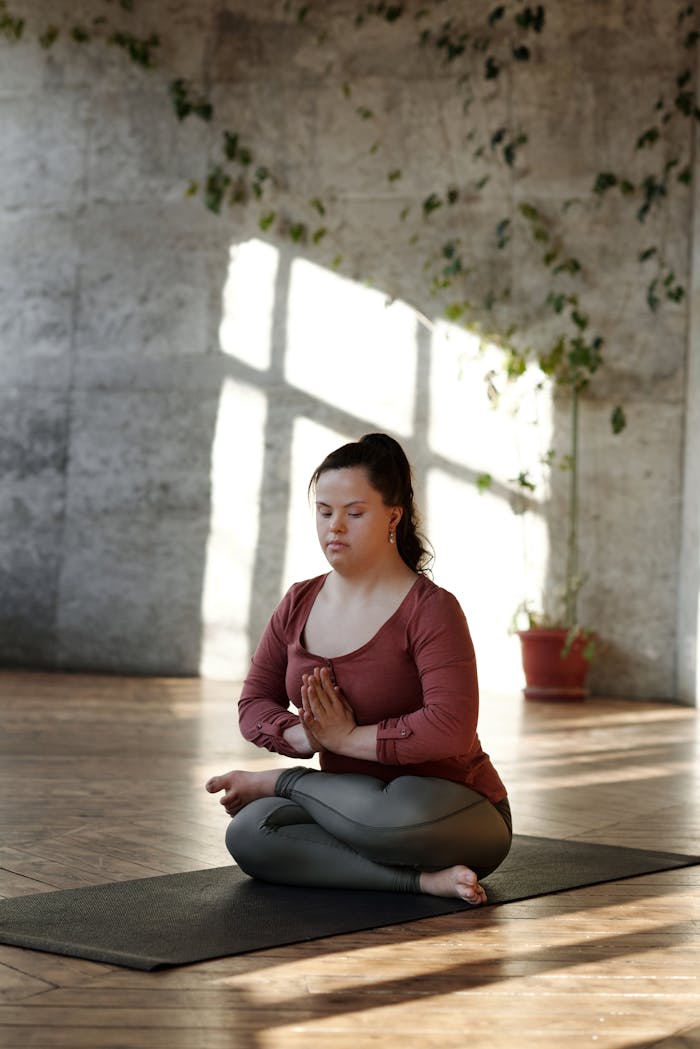
Start in a seated or comfortable position.
Close your eyes and take slow, deep breaths. Inhale through your nose and exhale slowly. Focus on your breath and allow your body to relax.
This step helps calm your mind and prepare your body for movement.
2. Cat-Cow Stretch (1–2 minutes)
Start on your hands and knees.
Inhale as you drop your belly and lift your chest (Cow Pose).
Exhale as you round your back and tuck your chin (Cat Pose).
Move slowly with your breath. This warms up your spine and improves flexibility.
3. Downward Dog (1 minute)
Lift your hips up and back into an inverted V shape.
Keep your knees slightly bent if needed. Press your hands firmly into the ground and relax your neck.
This pose stretches your hamstrings, shoulders, and back.
4. Child’s Pose (1 minute)
Lower your hips back toward your heels and rest your forehead on the ground.
Stretch your arms forward or let them rest by your sides.
This is a resting pose that helps release tension.
5. Low Lunge (1 minute each side)
Step one foot forward into a lunge position.
Keep your back knee on the ground and your chest upright.
This opens your hips and improves balance.
6. Mountain Pose (1 minute)
Stand tall with your feet together or hip-width apart.
Relax your shoulders, engage your core, and breathe steadily.
This helps improve posture and awareness.
7. Forward Fold (1 minute)
Bend forward from your hips and let your upper body hang.
Keep a slight bend in your knees if needed.
This stretches your hamstrings and lower back.
8. Warrior I (1 minute each side)
Step one foot back and bend your front knee.
Raise your arms overhead and keep your chest facing forward.
This builds strength and stability.
9. Seated Forward Fold (1 minute)
Sit with your legs extended.
Reach forward toward your toes while keeping your back as straight as possible.
This improves flexibility in the legs and spine.
10. Corpse Pose (2–3 minutes)
Lie on your back with your arms relaxed at your sides.
Close your eyes and focus on your breath.
Allow your body to fully relax and absorb the benefits of your practice.
How Often Should You Do This Routine?
For best results, aim to practice this routine at least 3–5 times per week.
If you can only commit to a few minutes per day, that is still enough to build progress. Consistency matters more than duration.
Over time, you can increase the length of your sessions or explore more advanced poses.
Tips for Beginners Practicing at Home
Start slow and don’t rush through poses. Focus on proper form and breathing.
Use a yoga mat or a comfortable surface to prevent slipping.
Follow your breath throughout each movement. This is one of the most important parts of yoga.
Listen to your body and avoid pushing into pain.
Stay consistent, even if your sessions are short.
Common Mistakes to Avoid
Skipping the breathing portion at the beginning can make your practice feel rushed and less effective.
Holding your breath during poses reduces the benefits of yoga.
Trying advanced poses too early can lead to frustration or injury.
Being inconsistent is the biggest mistake. Short, regular sessions are more effective than occasional long workouts.
FAQ: Beginner Yoga at Home
Can I learn yoga at home as a beginner?
Yes, many beginners successfully start yoga at home. Simple routines like this one are a great starting point.
How long should I practice yoga at home?
10 to 15 minutes is enough for beginners. You can increase your time as you improve.
Do I need equipment for yoga at home?
A yoga mat is helpful, but not required. Comfortable clothing and a clear space are enough.
Is it better to do yoga in the morning or evening?
Morning helps energize your day, while evening helps you relax. Choose what fits your schedule.
Start Your Practice Today
You don’t need a gym, a class, or a lot of time to begin yoga. A simple routine done consistently can transform your flexibility, strength, and mental clarity.
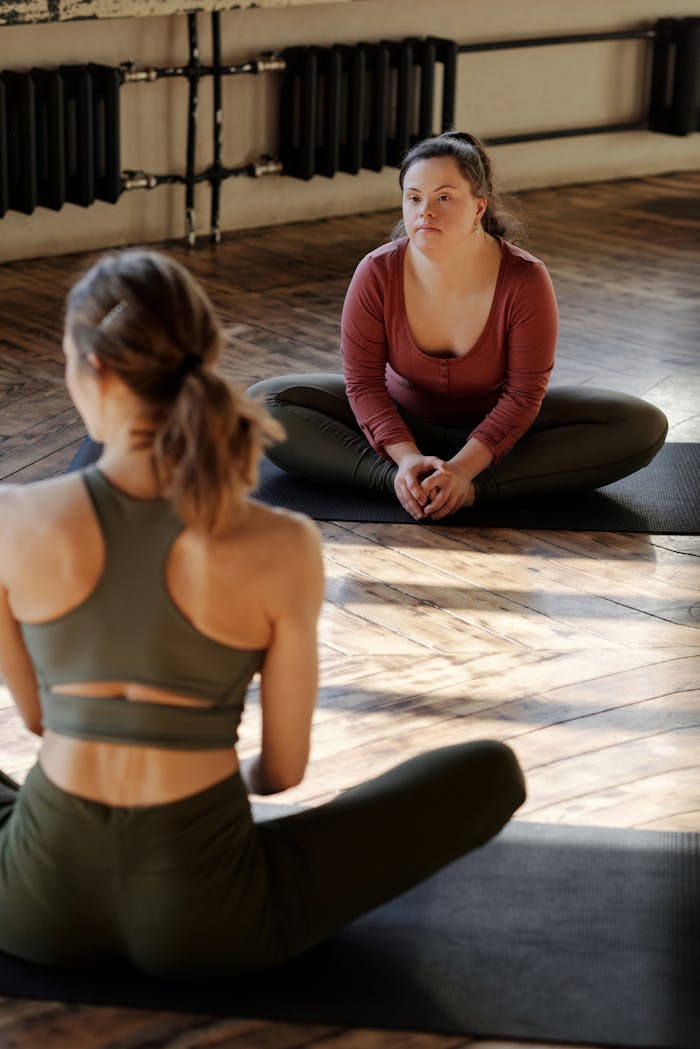
If you’re ready to take the next step, consider joining a guided class to deepen your practice and stay motivated.